The Binding of Brazilin from C. sappan to the Full-Length SARS-CoV-2 Spike Proteins
Phonphiphat Bamrung, Borvornwat Toviwek, Firdaus Samsudin, Phoom Chairatana, Peter John Bond, Prapasiri Pongprayoon

TL;DR
This study explores how a compound from the C. sappan plant interacts with the SARS-CoV-2 spike protein, suggesting it could be a potential treatment for COVID-19.
Contribution
The study reveals the binding mechanism of BRA to the SARS-CoV-2 spike protein and its stability in different protein constructs.
Findings
BRA binds stably to the receptor-binding motif on the RBD surface.
Glycosylation does not affect BRA binding due to its distant binding site from glycans.
BRA is bound by residues near the S1/S2 interface but cannot fit into the MM pocket.
Abstract
The emergence of coronavirus disease (COVID-19) caused by severe acute respiratory syndrome coronavirus-2 (SARS-CoV-2) has become a global issue since 2019. The prominent characteristic of SARS-CoV-2 is the presence of the spike (S) protein protruding from the virus particle envelope. The S protein is a major drug and vaccine target because it initiates the key step in infection. Medicinal herbs are a potential treatment option to enhance immunity to fight viral infections. Caesalpinia sappan L. has been reported to display promising anti-viral activities. Specifically, brazilin (BRA), a major bioactive compound in C. sappan, was reported to play a role in inhibiting viral infection. Thus, the ability of BRA as a COVID-19 treatment was tested. The S protein was used as the BRA target of this work. Understanding the binding mechanism of BRA to the S protein is crucial for future…
Genes, proteins, chemicals, diseases, species, mutations and cell lines named across the full text — each resolved to its canonical identifier and authoritative record.
Click any figure to enlarge with its caption.
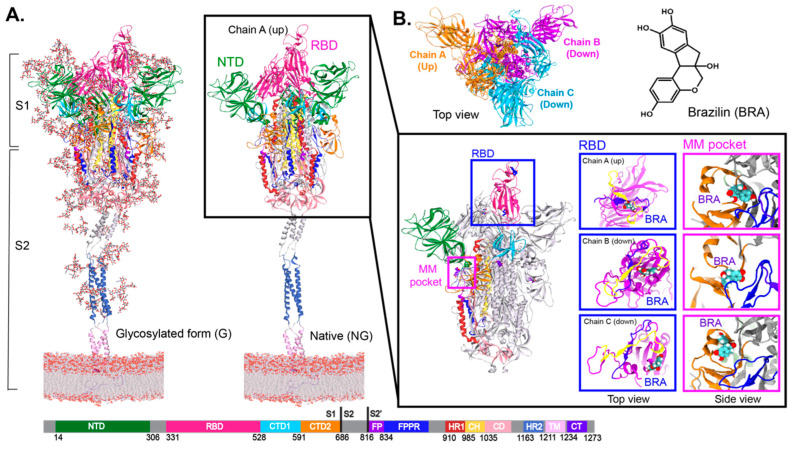 Figure 1
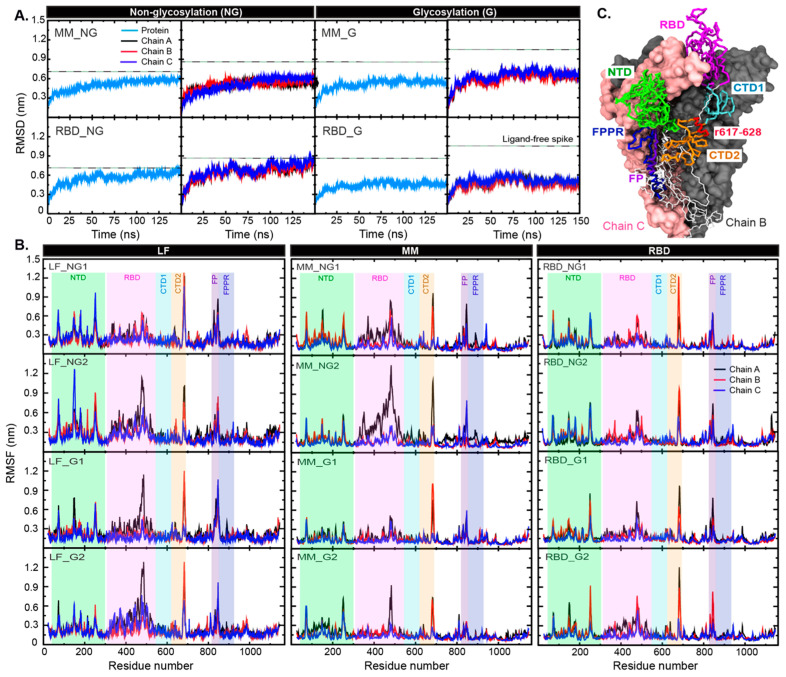 Figure 2
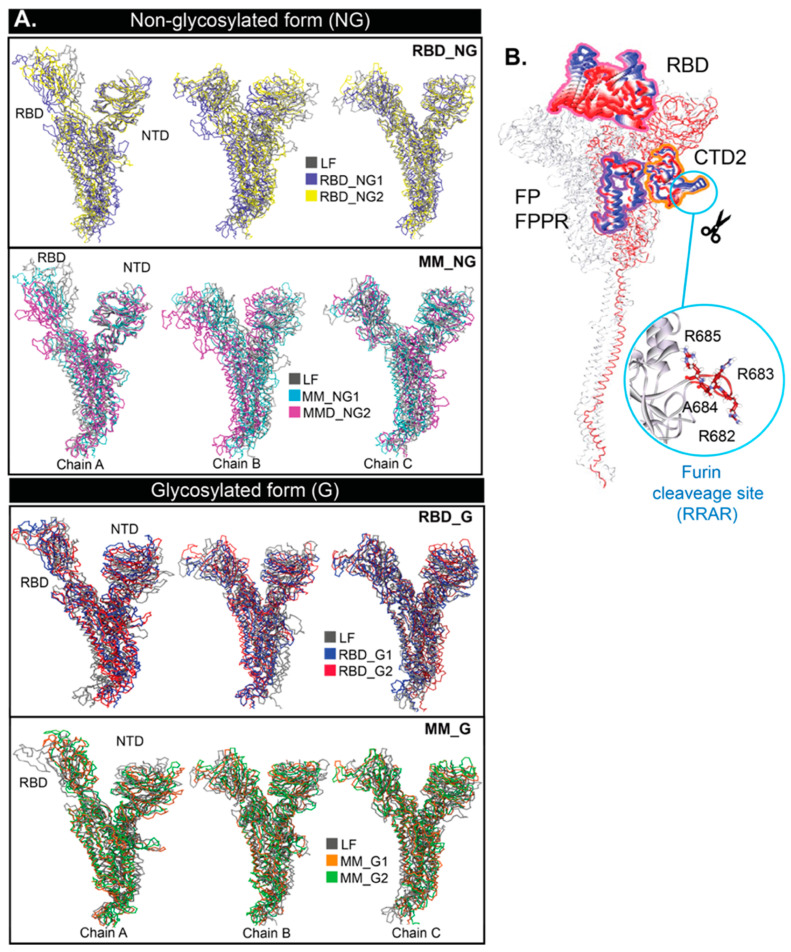 Figure 3
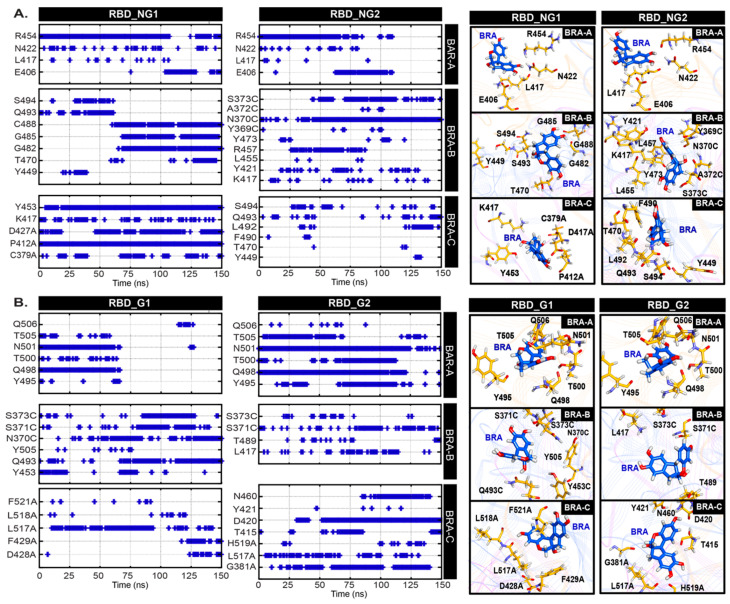 Figure 4
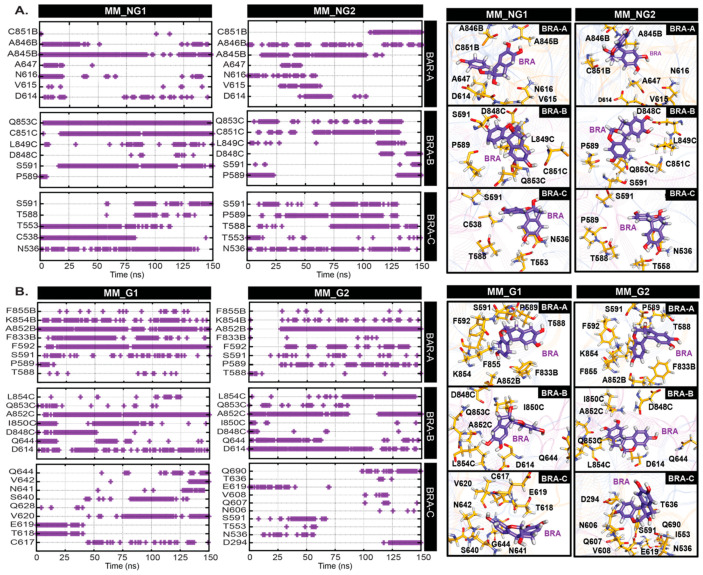 Figure 5
Peer Reviews
No public reviews on file for this paper yet. If you reviewed it on a platform where reviews are public (OpenReview, ICLR, NeurIPS, ICML), you can paste yours below so the community can read it here.
Videos
No videos yet. Explain this paper in a talk, walkthrough, or lecture? Add one.
Taxonomy
TopicsBiological Stains and Phytochemicals