Expanded Phenotype of the Cln6nclf Mouse Model
Victoria Chaoul, Sara Saab, Omar Shmoury, Ramy Alam, Lynn Al Aridi, Nadine J. Makhoul, Jihane Soueid, Rose-Mary Boustany

TL;DR
This study characterizes a mouse model of CLN6 disease, showing early vision loss and brain changes that mirror human symptoms.
Contribution
The study reveals new insights into the early onset of retinal and brain pathology in the Cln6nclf mouse model.
Findings
Cln6nclf mice show early vision loss and retinal degeneration starting at 2 weeks of age.
Apoptosis and increased gliosis are observed in the brain and retina of Cln6nclf mice.
The model exhibits sex-independent gliosis patterns and elevated GFAP levels in specific brain regions.
Abstract
Neuronal ceroid lipofuscinoses (NCLs) are a group of autosomal recessive neurogenetic disorders caused by mutations in 14 different genes. CLN6 disease manifests as variant late-infantile NCL (vLINCL) or as an adult variant. In childhood, symptoms include speech delay, vision loss, cognitive and motor decline, seizures, and early death. An in-depth characterization of a naturally occurring Cln6 mutant mouse (Cln6nclf) is presented, with implications for translational research. The expanded phenotype provides data showing early death, vision loss, and motor deficits in male and female Cln6nclf mice. Diminished visual acuity in Cln6nclf mice was noted at 28 weeks of age, but the pathological loss of retinal layers began as early as 2 weeks or postnatal day 14 (P14). Apoptosis was confirmed by TUNEL staining in the Cln6nclf mouse brain at P8 and in the retina at P12. A peak in glial…
Genes, proteins, chemicals, diseases, species, mutations and cell lines named across the full text — each resolved to its canonical identifier and authoritative record.
Click any figure to enlarge with its caption.
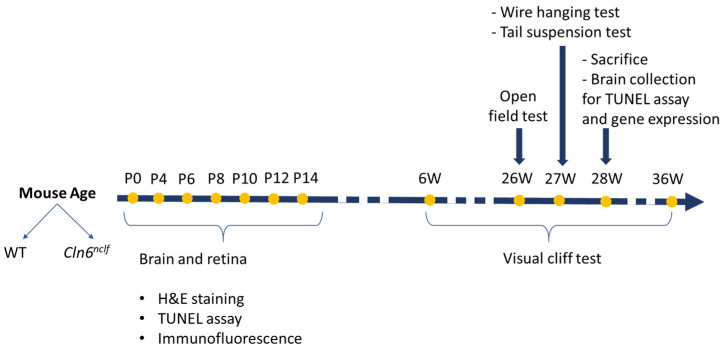 Figure 1
 Figure 2
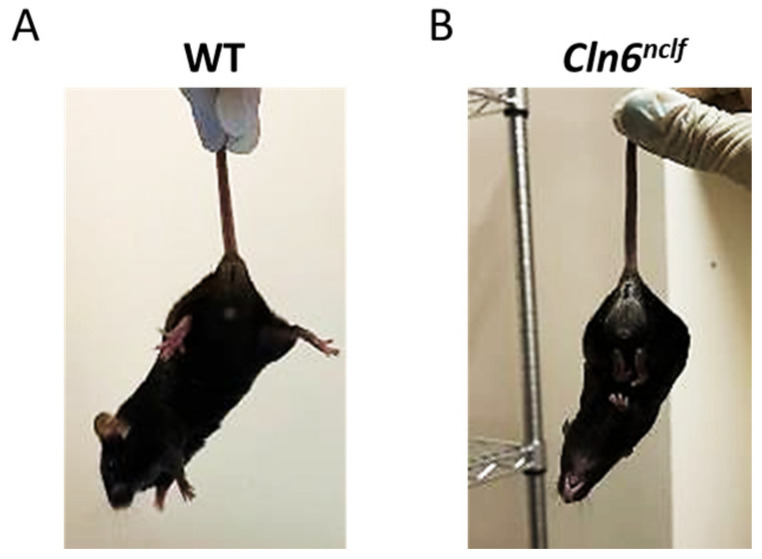 Figure 3
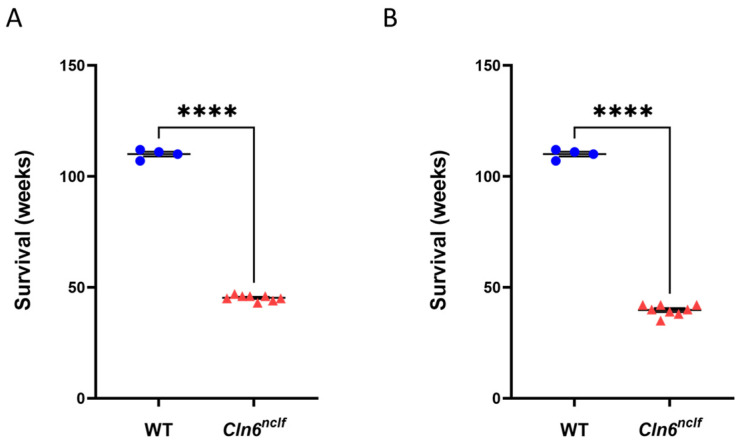 Figure 4
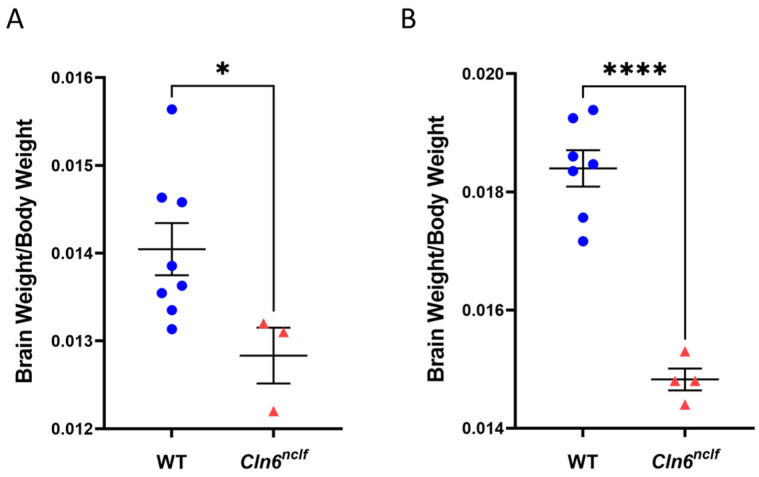 Figure 5
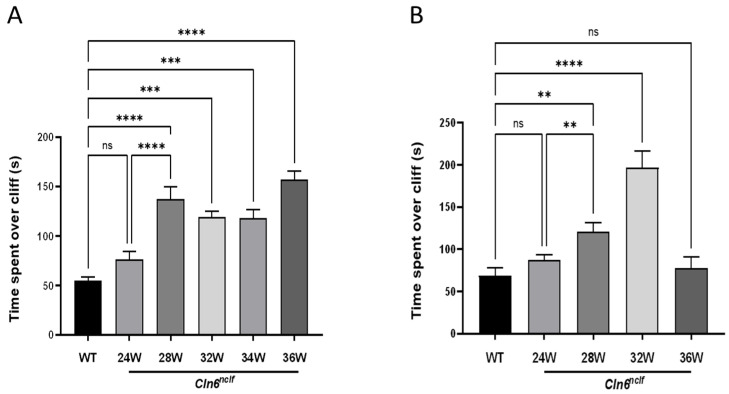 Figure 6
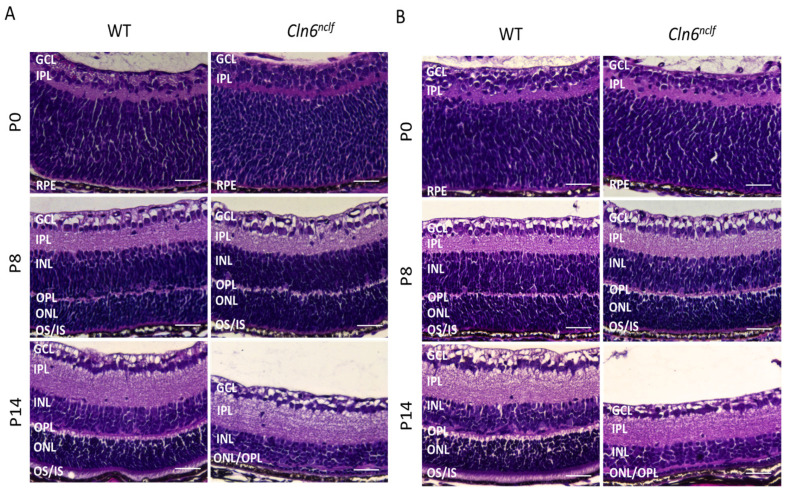 Figure 7
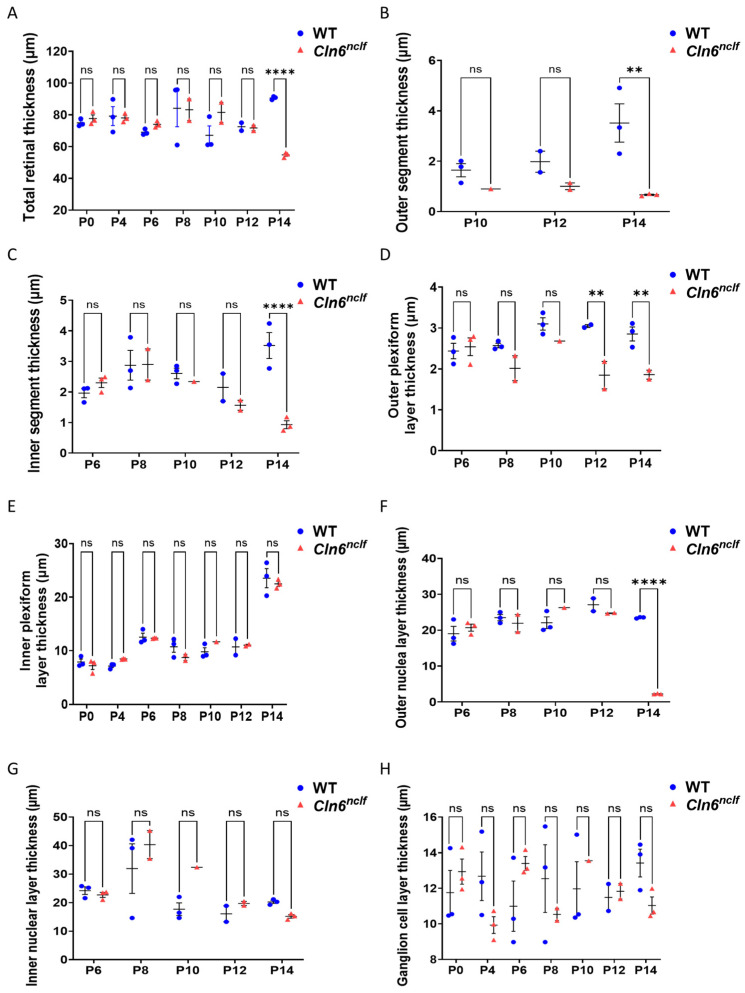 Figure 8
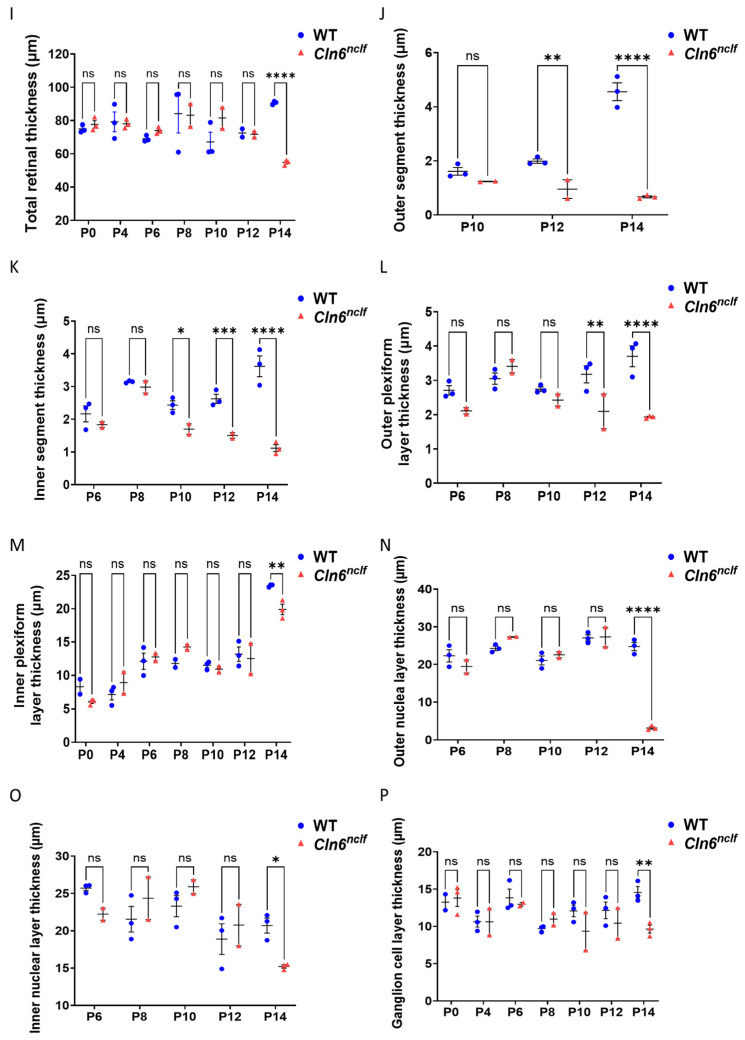 Figure 9
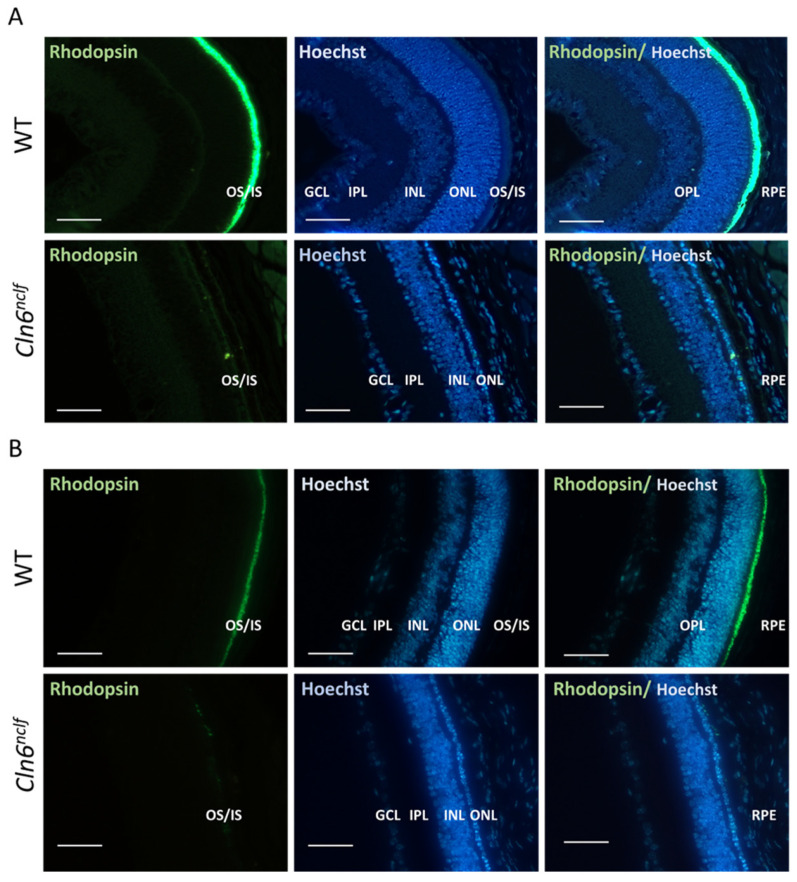 Figure 10
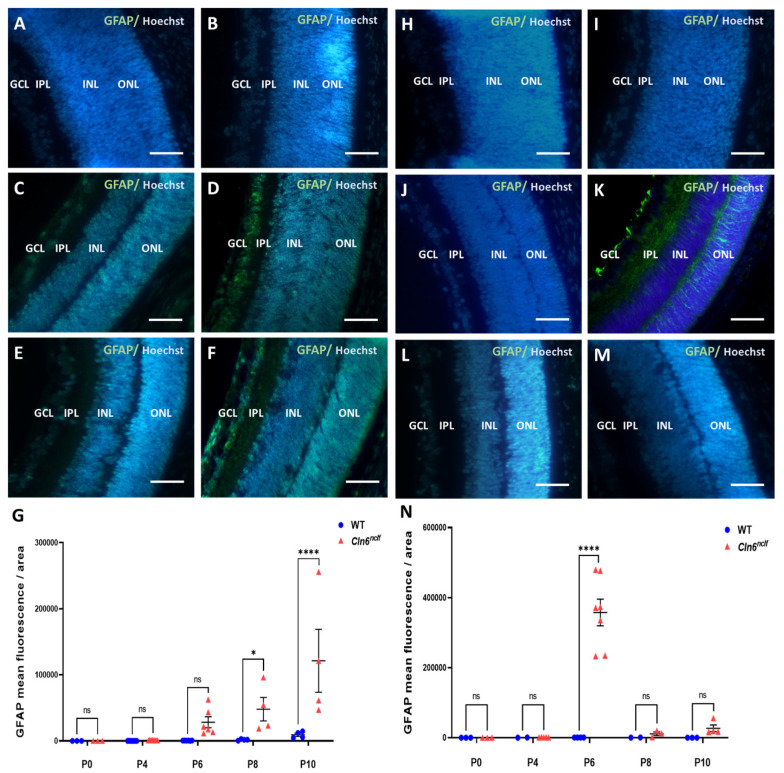 Figure 11
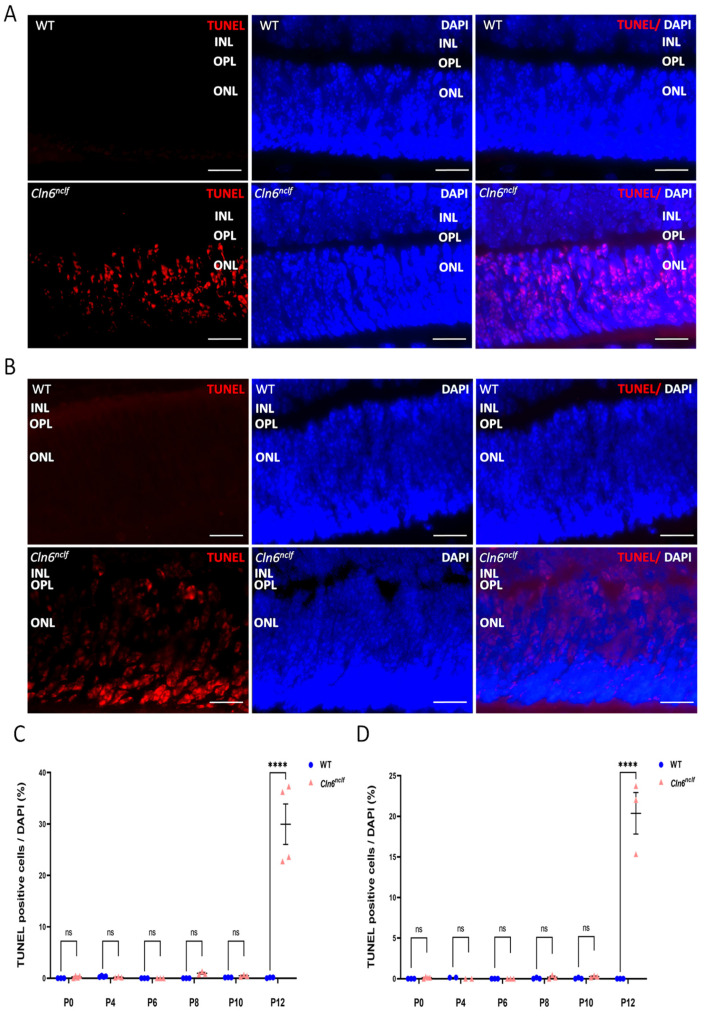 Figure 12
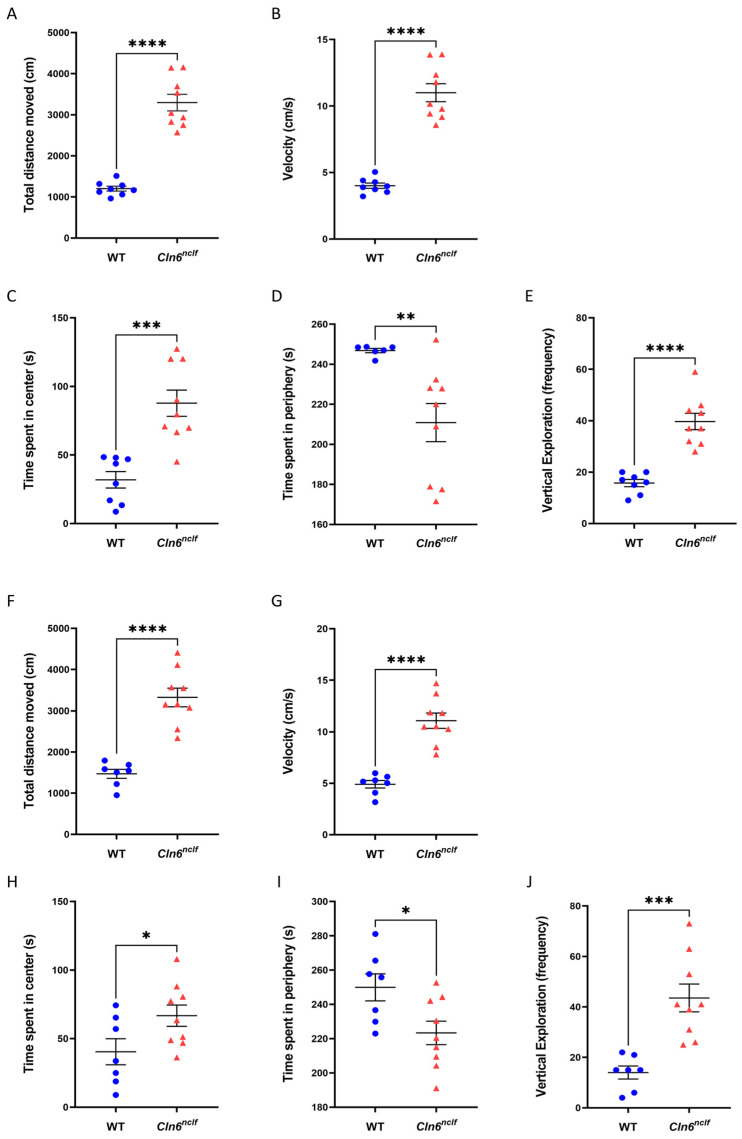 Figure 13
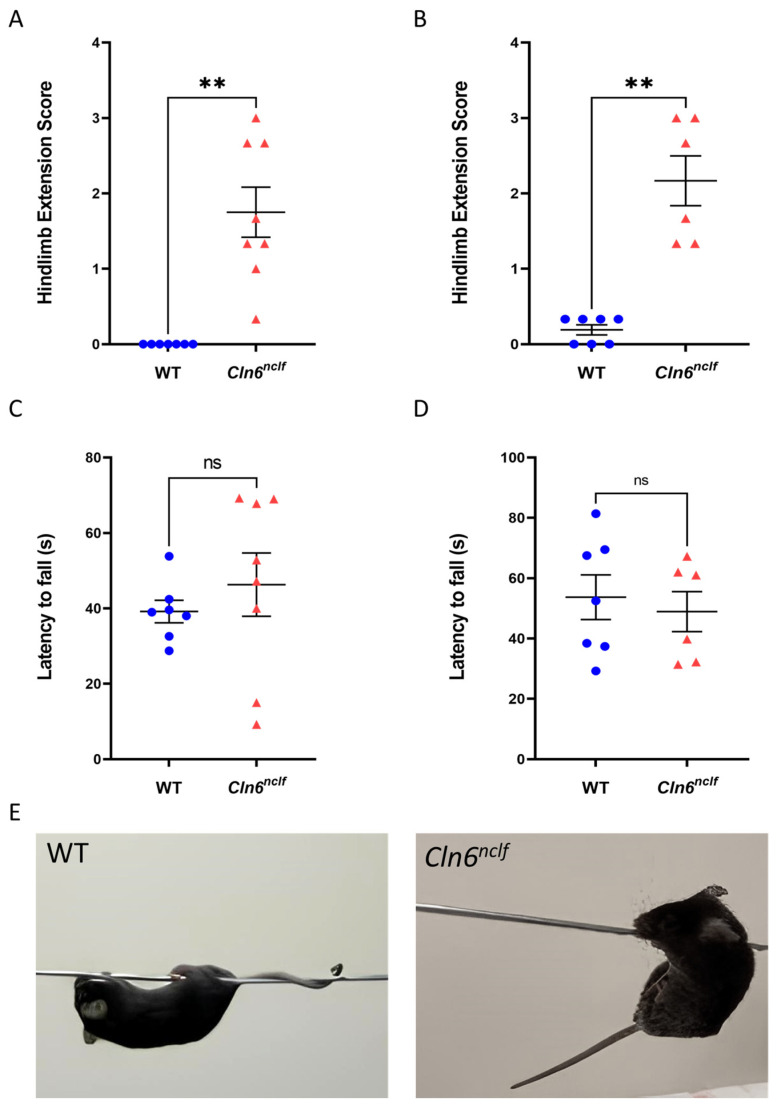 Figure 14
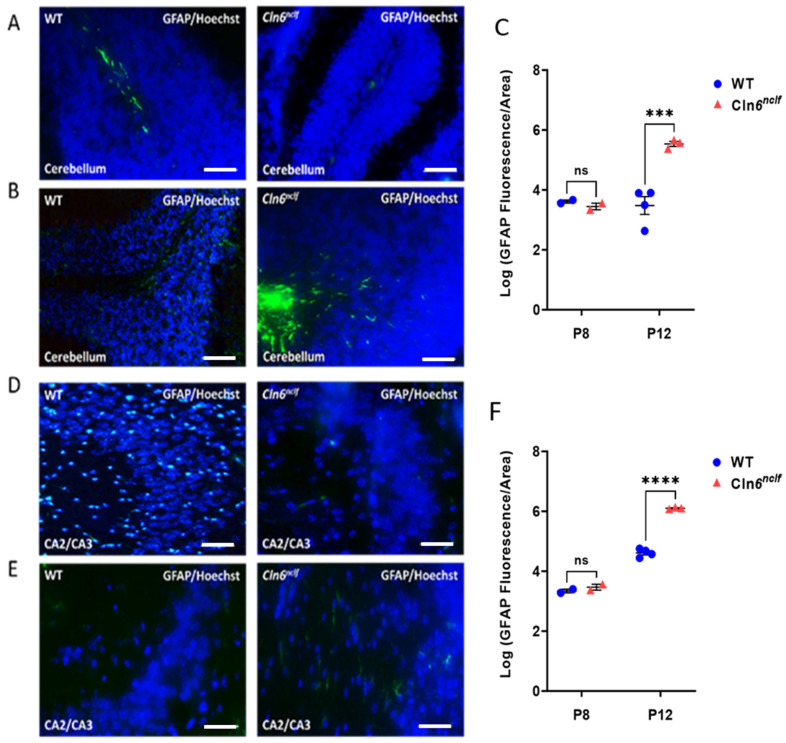 Figure 15
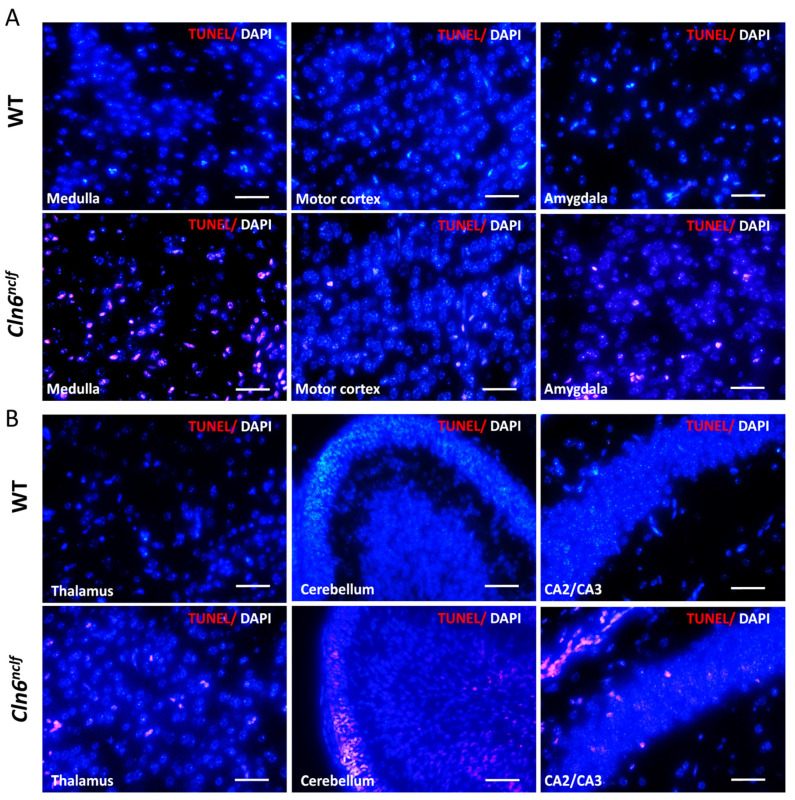 Figure 16
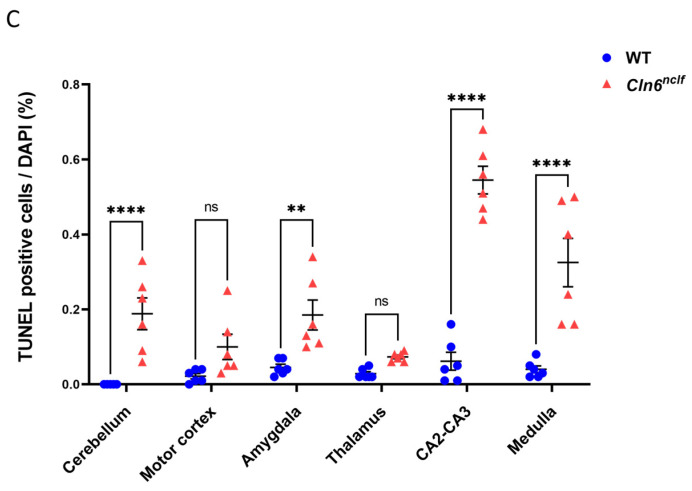 Figure 17
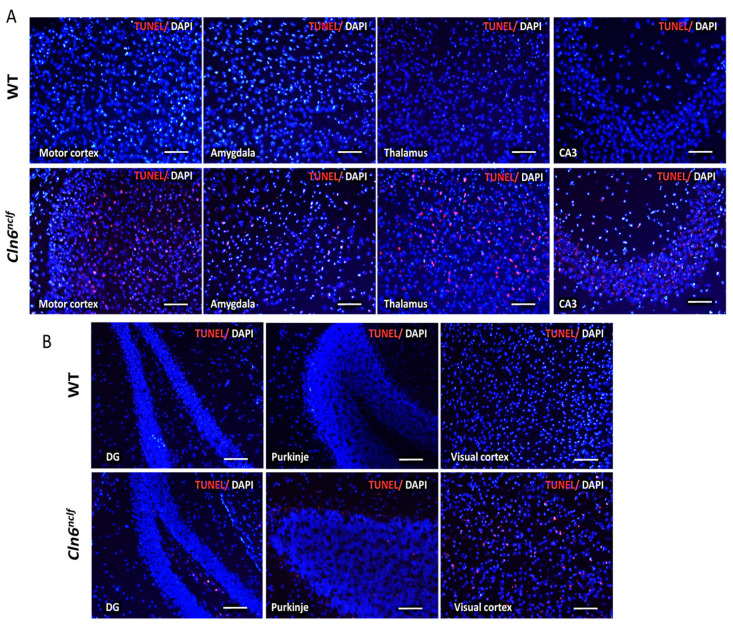 Figure 18
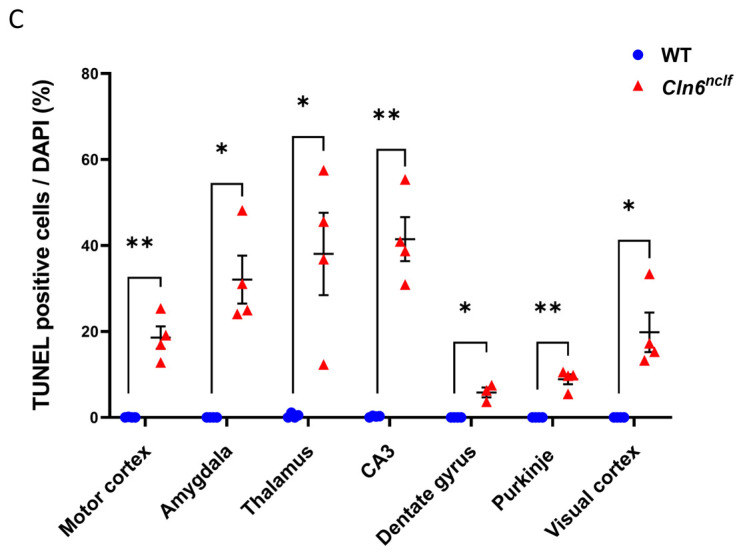 Figure 19
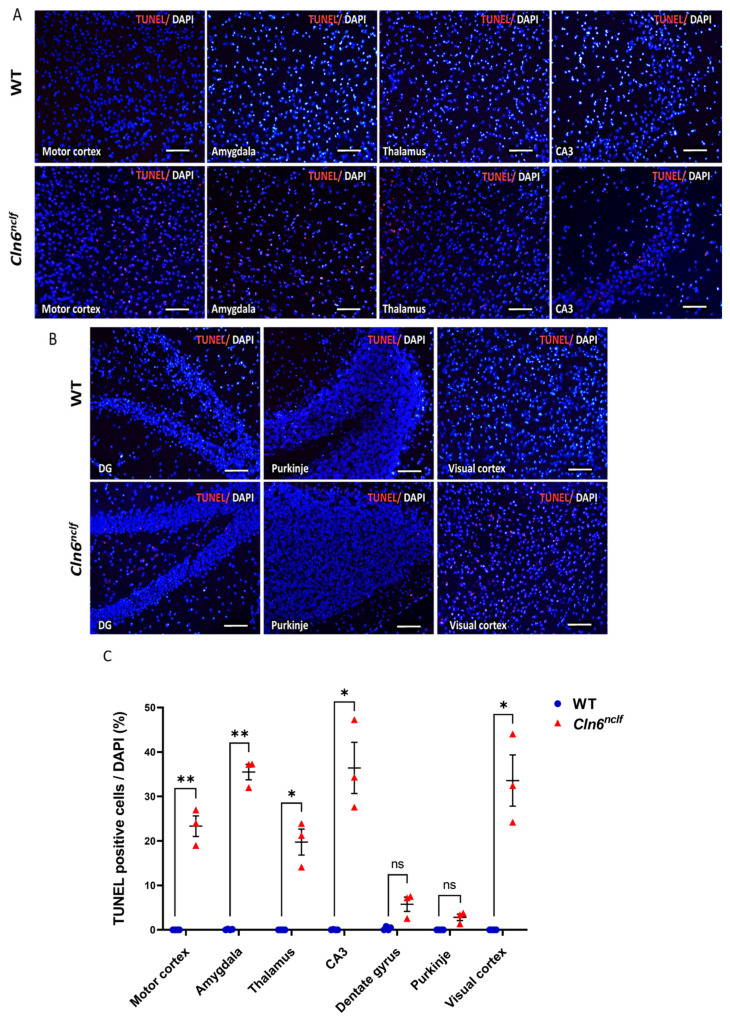 Figure 20
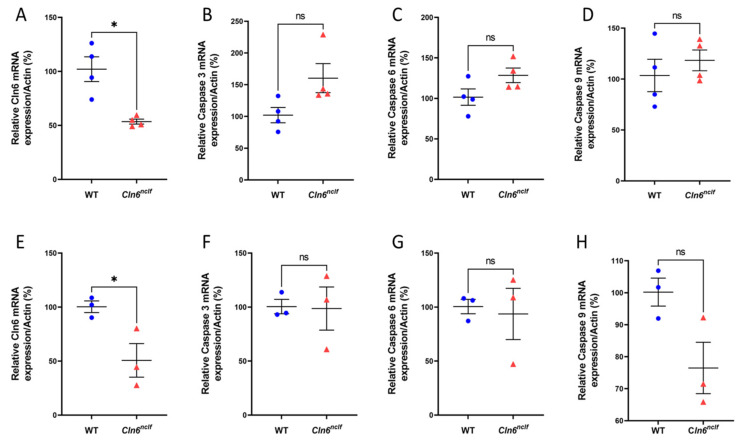 Figure 21
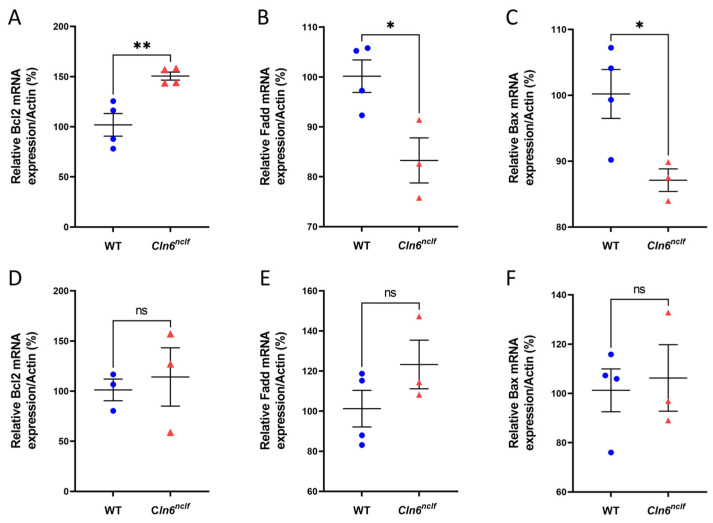 Figure 22
Peer Reviews
No public reviews on file for this paper yet. If you reviewed it on a platform where reviews are public (OpenReview, ICLR, NeurIPS, ICML), you can paste yours below so the community can read it here.
Videos
No videos yet. Explain this paper in a talk, walkthrough, or lecture? Add one.
Taxonomy
TopicsLysosomal Storage Disorders Research · Cellular transport and secretion · Retinal Development and Disorders