Shortened PGLYRP1 Peptides Regulate Antitumor Activity of Cytotoxic Lymphocytes via TREM-1 Receptor: From Biology to Bioinformatics
Daria M. Yurkina, Kirill A. Shcherbakov, Elena A. Romanova, Anna V. Tvorogova, Alexey M. Feoktistov, Georgii P. Georgiev, Denis V. Yashin, Lidia P. Sashchenko

TL;DR
This study identifies peptides from PGLYRP1 that regulate the TREM-1 receptor, influencing antitumor immune responses and offering potential for new therapies.
Contribution
The discovery of specific PGLYRP1 peptides that modulate TREM-1 receptor activity provides new insights into immune regulation and therapeutic development.
Findings
Three PGLYRP1 peptides (17.0, N9, N15) bind to TREM-1 with high affinity.
N9 inhibits TREM-1 activity while N9 and N15 together activate it.
Molecular docking identified key amino acid residues involved in receptor function.
Abstract
The pro-inflammatory immune response plays an important role in protecting the body from pathogens and tumors. In this study, we were able to identify three peptides of the innate immunity protein PGLYRP1 (Tag7) that could regulate the activity of the TREM-1 receptor. TREM-1 receptor activation on monocytes triggers the appearance of antitumor lymphocytes. All three peptides studied (17.0, N9, and N15) bind with the TREM-1 receptor with the Kds 1.32 ± 0.2 nM, 9.66 ± 0.5 nM, and 7.43 ± 0.4 nM, respectively. An N9 peptide inhibiting the activity of the receptor was identified in addition to two peptides (N9 and N15) that jointly trigger the activation of the receptor. The conducted molecular docking study revealed amino acid residues (Ile57, Ile58, Glu106, Ser108, Leu110, Tyr116, Pro118, Pro119, Arg130, and Val 132), necessary for various functions of peptides, providing important…
Genes, proteins, chemicals, diseases, species, mutations and cell lines named across the full text — each resolved to its canonical identifier and authoritative record.
Click any figure to enlarge with its caption.
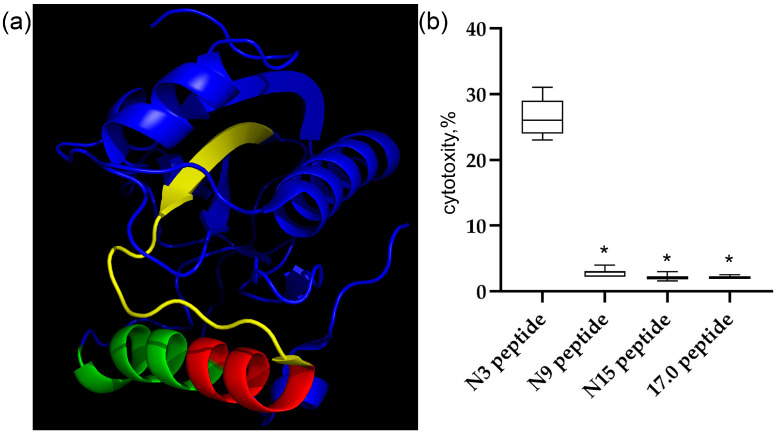 Figure 1
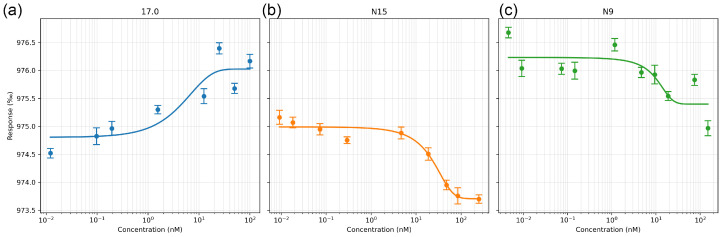 Figure 2
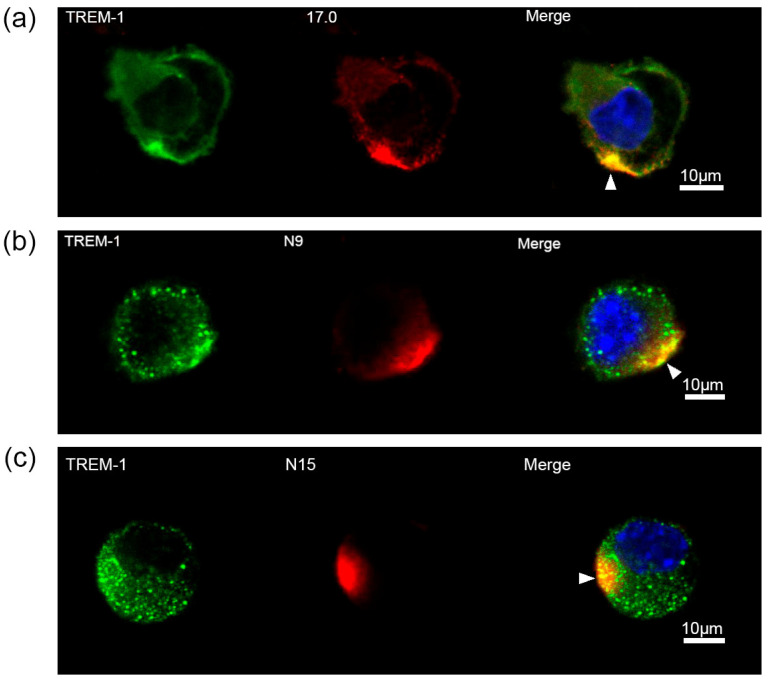 Figure 3
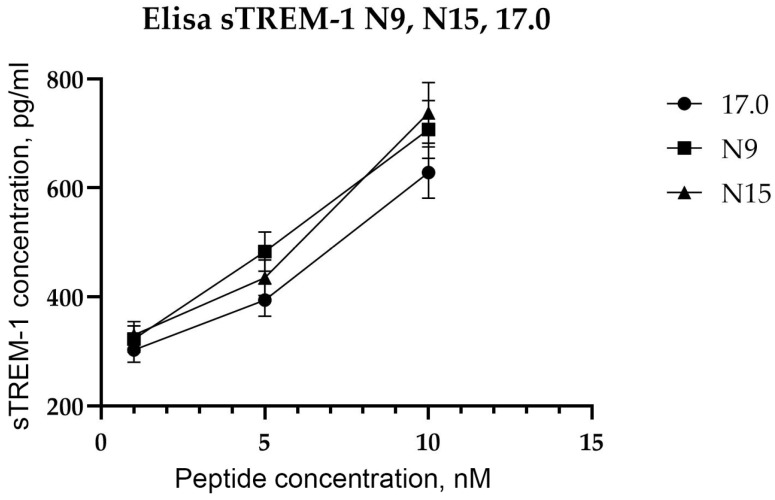 Figure 4
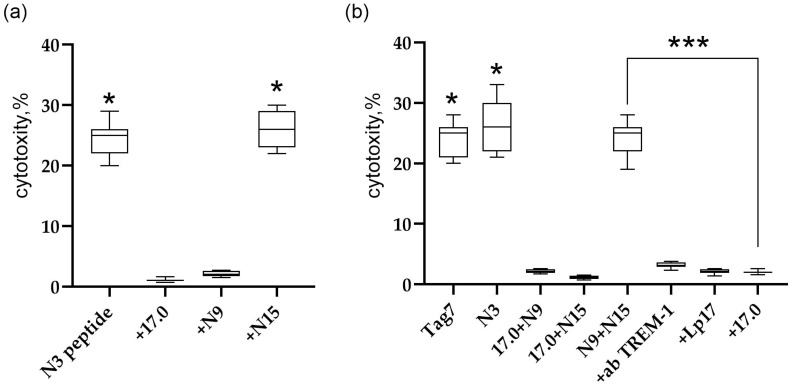 Figure 5
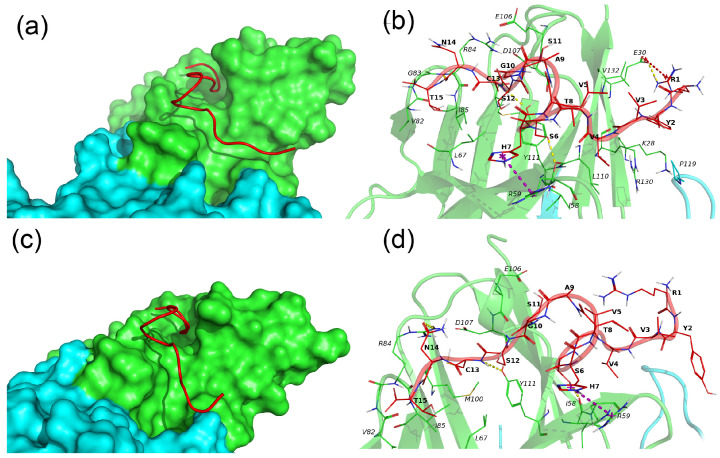 Figure 6
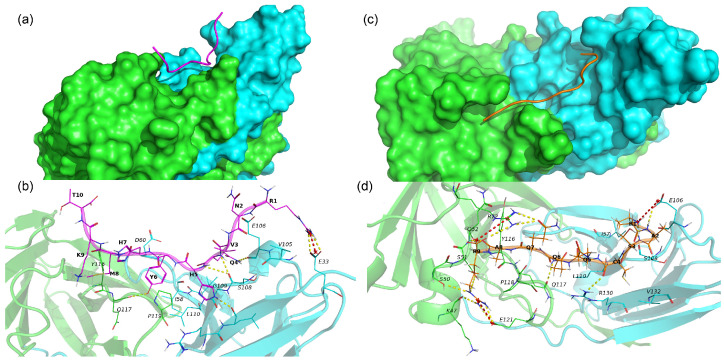 Figure 7
Peer Reviews
No public reviews on file for this paper yet. If you reviewed it on a platform where reviews are public (OpenReview, ICLR, NeurIPS, ICML), you can paste yours below so the community can read it here.
Videos
No videos yet. Explain this paper in a talk, walkthrough, or lecture? Add one.
Taxonomy
TopicsInflammation biomarkers and pathways