Assessment of Human Epididymis Protein 4 Expression in Breast Ductal Carcinoma In Situ
Nah Ihm Kim, Min Ho Park, Ji Shin Lee

TL;DR
This study examines the role of HE4 in breast ductal carcinoma in situ and finds that high tissue HE4 expression is linked to favorable features but not elevated in blood.
Contribution
The study reveals that HE4 tissue expression in DCIS correlates with specific clinicopathological features and may have prognostic value.
Findings
HE4 expression in DCIS tissues is significantly higher than in adjacent normal tissues.
High HE4 expression correlates with ER positivity, HER2 negativity, and HR+/HER2− subtypes.
High HE4 expression in breast cancer patients is associated with improved survival outcomes.
Abstract
Background/Objectives: Elevated expression of human epididymis protein 4 (HE4) has been observed in breast cancer and is associated with cancer progression; however, its role in ductal carcinoma in situ (DCIS) remains unclear. This study aimed to evaluate HE4 levels in serum and tissue from patients with DCIS and their correlation with clinicopathological features. Methods: Preoperative serum HE4 levels were measured in 59 DCIS patients. HE4 mRNA and protein expression in DCIS and adjacent normal tissues were assessed using RNAscope in situ hybridization and immunohistochemistry, respectively. An additional independent tissue microarray of 41 DCIS cases was also analyzed for HE4 expression in tumor tissue only. Furthermore, the BreastMark database was applied to assess the prognostic significance of HE4 expression in a larger cohort of breast cancer. Results: Serum HE4 levels (mean ±…
Genes, proteins, chemicals, diseases, species, mutations and cell lines named across the full text — each resolved to its canonical identifier and authoritative record.
Click any figure to enlarge with its caption.
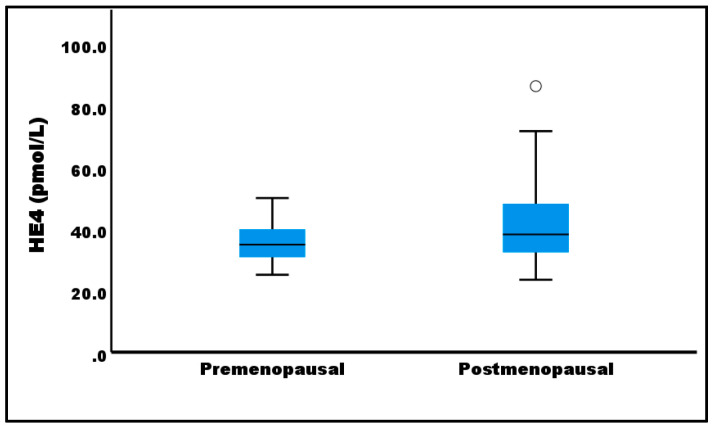 Figure 1
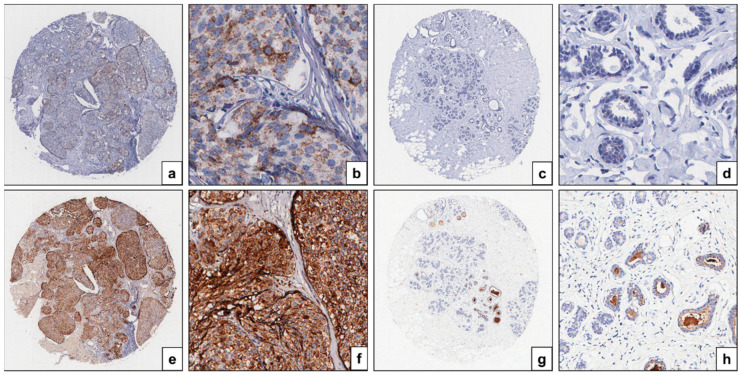 Figure 2
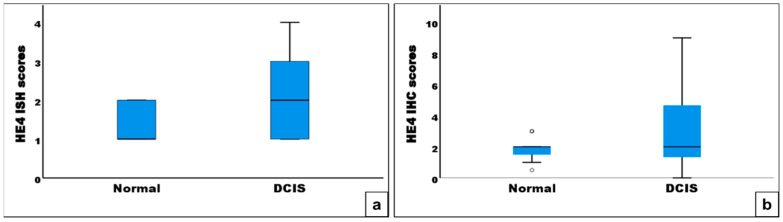 Figure 3
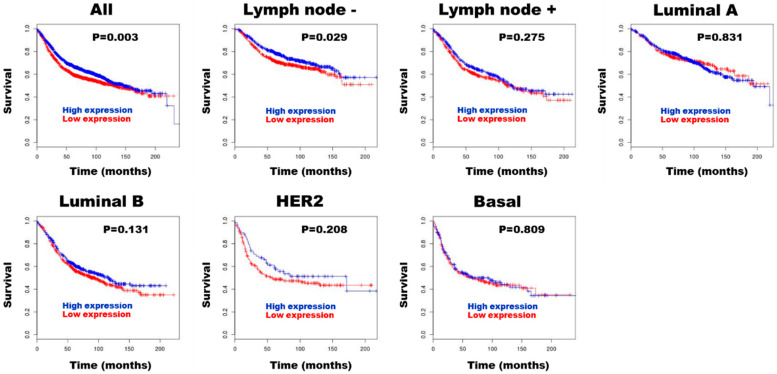 Figure 4
Peer Reviews
No public reviews on file for this paper yet. If you reviewed it on a platform where reviews are public (OpenReview, ICLR, NeurIPS, ICML), you can paste yours below so the community can read it here.
Videos
No videos yet. Explain this paper in a talk, walkthrough, or lecture? Add one.
Taxonomy
TopicsOvarian cancer diagnosis and treatment · Advanced Biosensing Techniques and Applications · Advanced Proteomics Techniques and Applications