ATIP1 Is a Suppressor of Cardiac Hypertrophy and Modulates AT2-Dependent Signaling in Cardiac Myocytes
Tobias Fischer, Sina Gredy, Nadine Scheel, Peter M. Benz, Benjamin Fissler, Melanie Ullrich, Marco Abeßer, Adam G. Rokita, Jochen Reichle, Lars S. Maier, Oliver Ritter, Hideo A. Baba, Kai Schuh

TL;DR
This study shows that ATIP1 prevents heart enlargement and influences signaling in heart muscle cells.
Contribution
The study identifies ATIP1 as a suppressor of cardiac hypertrophy and a modulator of AT2-dependent signaling.
Findings
ATIP1-KO mice develop spontaneous cardiac hypertrophy with increased heart/bodyweight ratio and fibrosis.
ATIP1 deficiency disrupts AT2-dependent signaling, affecting cardiomyocyte contractility and relaxation.
ATIP1 is a downstream component of the AT2 pathway, possibly through disinhibition of the AT1 pathway.
Abstract
So far, the molecular functions of the angiotensin-type-2 receptor (AT2) interacting protein (ATIP1) have remained unclear, although expression studies have revealed high levels of ATIP1 in the heart. To unravel its physiological function, we investigated ATIP1-KO mice. They develop a spontaneous cardiac hypertrophy with a significantly increased heart/bodyweight ratio, enlarged cardiomyocyte diameters, and augmented myocardial fibrosis. Hemodynamic measurements revealed an increased ejection fraction (EF) in untreated ATIP1-KO mice, and reduced end-systolic and end-diastolic volumes (ESV and EDV), which, in sum, reflect a compensated concentric cardiac hypertrophy. Importantly, no significant differences in blood pressure (BP) were observed. Chronic angiotensin II (AngII) infusion resulted in increases in BP and EF in ATIP1-KO and WT mice. Reductions in ESV and EDV occurred in both…
Genes, proteins, chemicals, diseases, species, mutations and cell lines named across the full text — each resolved to its canonical identifier and authoritative record.
Click any figure to enlarge with its caption.
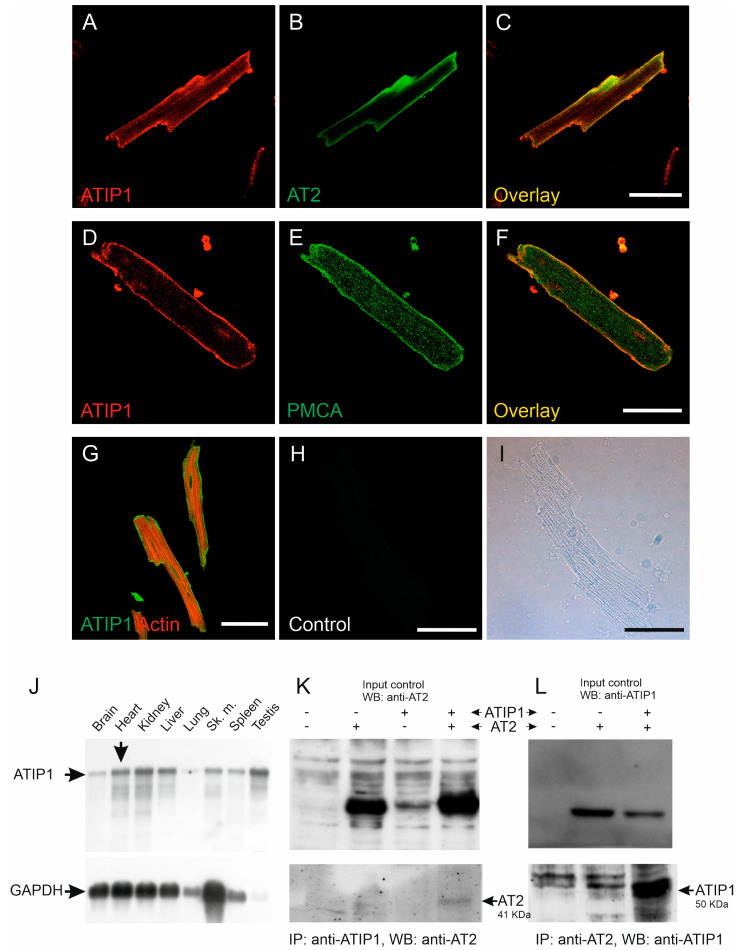 Figure 1
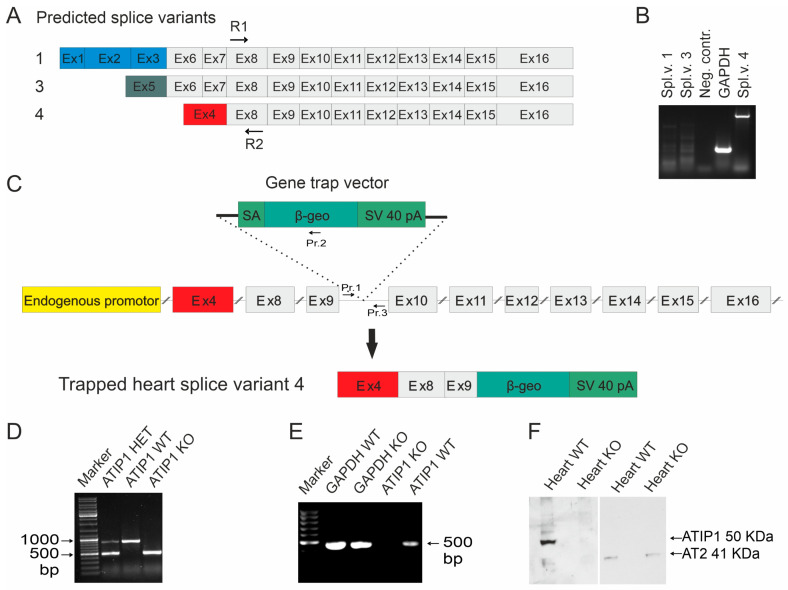 Figure 2
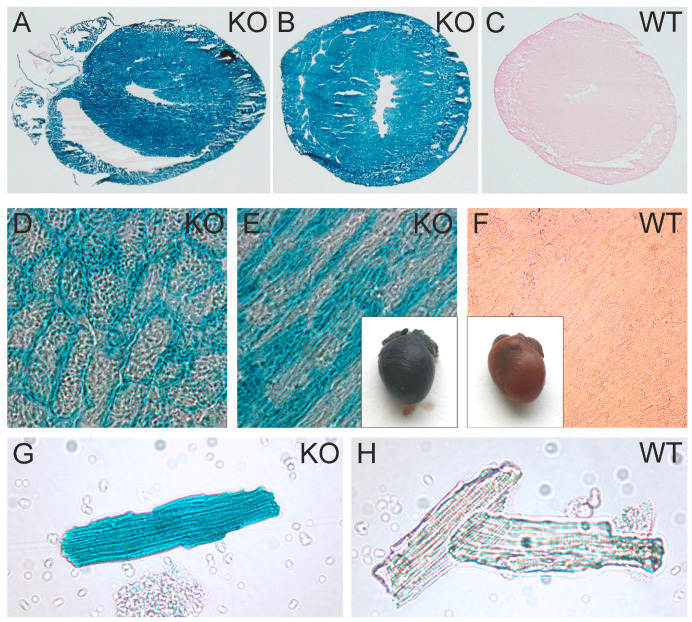 Figure 3
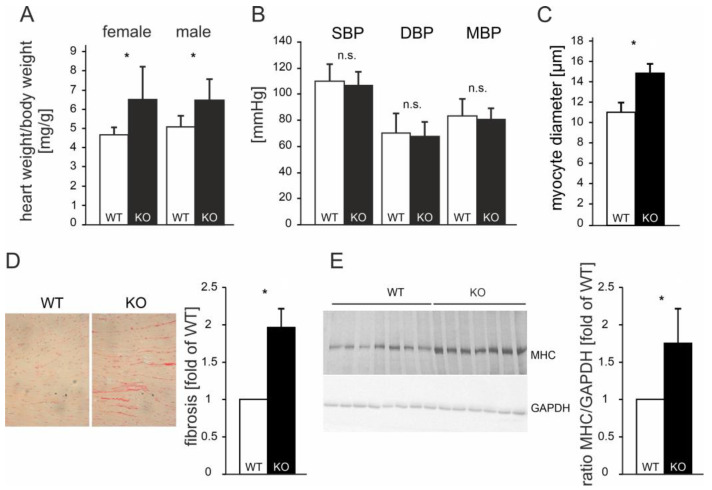 Figure 4
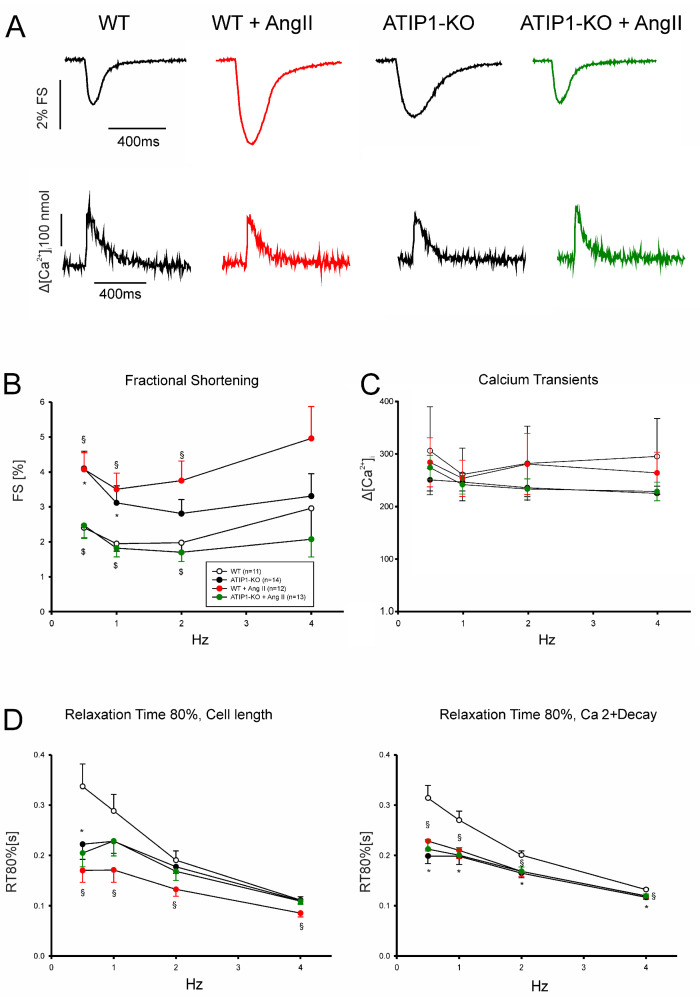 Figure 5
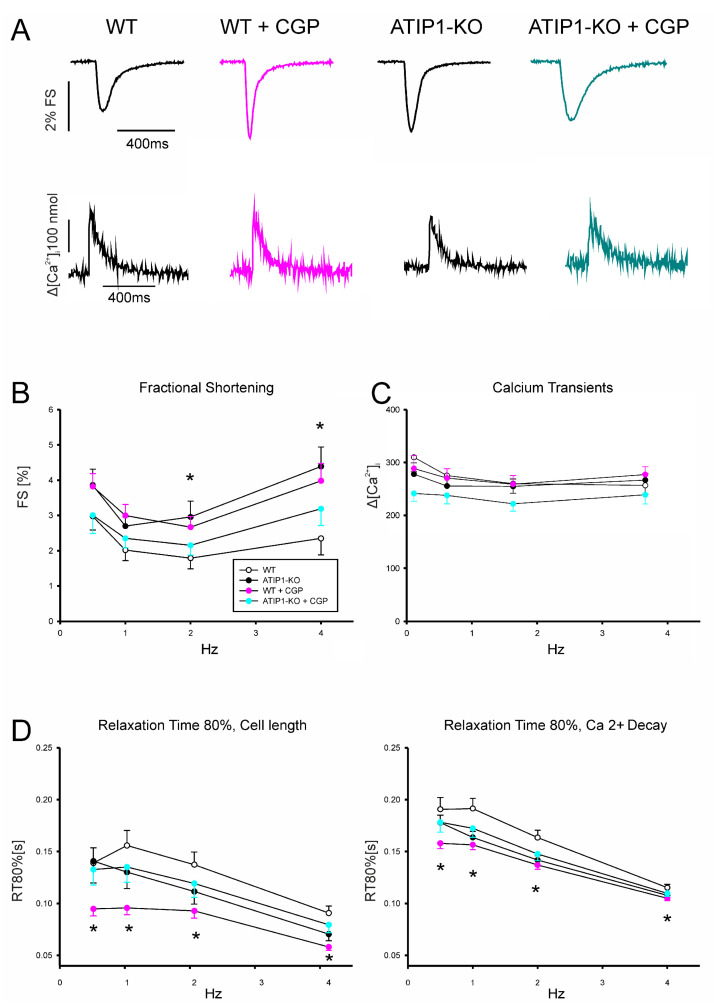 Figure 6
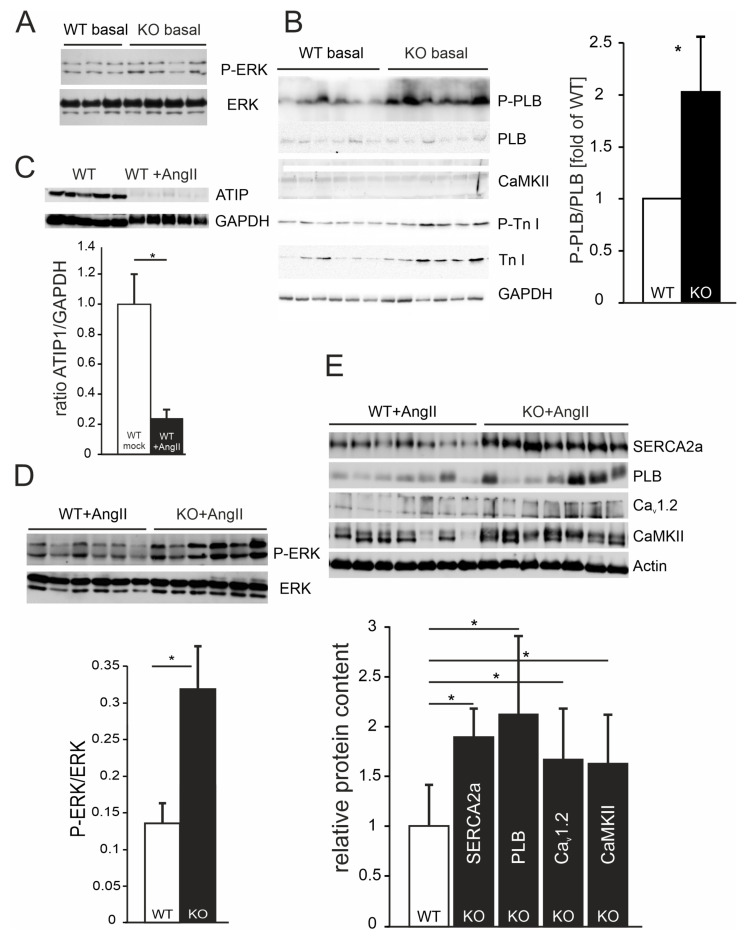 Figure 7
Peer Reviews
No public reviews on file for this paper yet. If you reviewed it on a platform where reviews are public (OpenReview, ICLR, NeurIPS, ICML), you can paste yours below so the community can read it here.
Videos
No videos yet. Explain this paper in a talk, walkthrough, or lecture? Add one.
Taxonomy
TopicsCardiomyopathy and Myosin Studies · Cardiac electrophysiology and arrhythmias · Ion channel regulation and function