CDK4/6 Inhibitors-Induced Macrocytosis Is Not Associated with Hemolysis and Does Not Impact Hemoglobin Homeostasis
Tiago Barroso, Leila Costa, Lisa Gonçalves, Vanessa Patel, João Araújo, Inês Pinho, Carolina Monteiro, Miguel Esperança-Martins, Catarina Abreu, Rita Teixeira de Sousa, Helena Pais, Gonçalo Nogueira-Costa, Sofia Torres, Leonor Abreu Ribeiro, Luís Marques da Costa

TL;DR
This study shows that CDK4/6 inhibitors used in breast cancer treatment cause larger red blood cells but do not lead to their destruction or affect hemoglobin levels.
Contribution
The study provides evidence that CDK4/6 inhibitors do not cause hemolysis or disrupt hemoglobin homeostasis in humans.
Findings
CDK4/6 inhibitors increase mean corpuscular volume but do not shorten red blood cell lifespan.
Hemoglobin levels rise slightly with treatment, and red blood cell destruction is not observed.
The RBC lifespan remains similar to healthy individuals despite treatment-induced macrocytosis.
Abstract
CDK4/6 inhibitors are drugs used to treat breast cancer. These drugs tend to increase the size of red blood cells with prolonged use, and the significance of these changes is unknown. Despite data from animal experiments, it was not known whether such size changes could cause red blood cells to be destroyed in humans. In this study, we use data from patient’s blood tests to show that CDK4/6 inhibitors are not associated with premature red blood cell destruction in human patients and we highlight directions for future research. Background: CDK 4/6 inhibitors (CDK4/6is) are the first-line treatment for metastatic luminal-like breast cancer (BC). These drugs induce macrocytosis without anemia in most patients. The mechanism for the red blood cell (RBC) changes is unknown. In vitro and animal studies show that RBCs from CDK6-knockout mice have increased membrane fragility, but the clinical…
Genes, proteins, chemicals, diseases, species, mutations and cell lines named across the full text — each resolved to its canonical identifier and authoritative record.
Click any figure to enlarge with its caption.
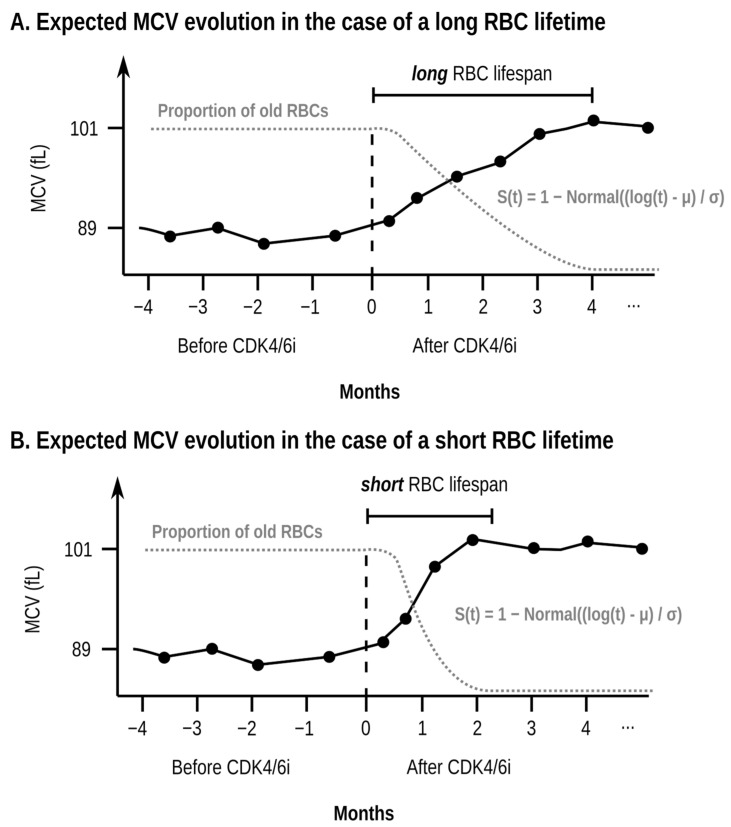 Figure 1
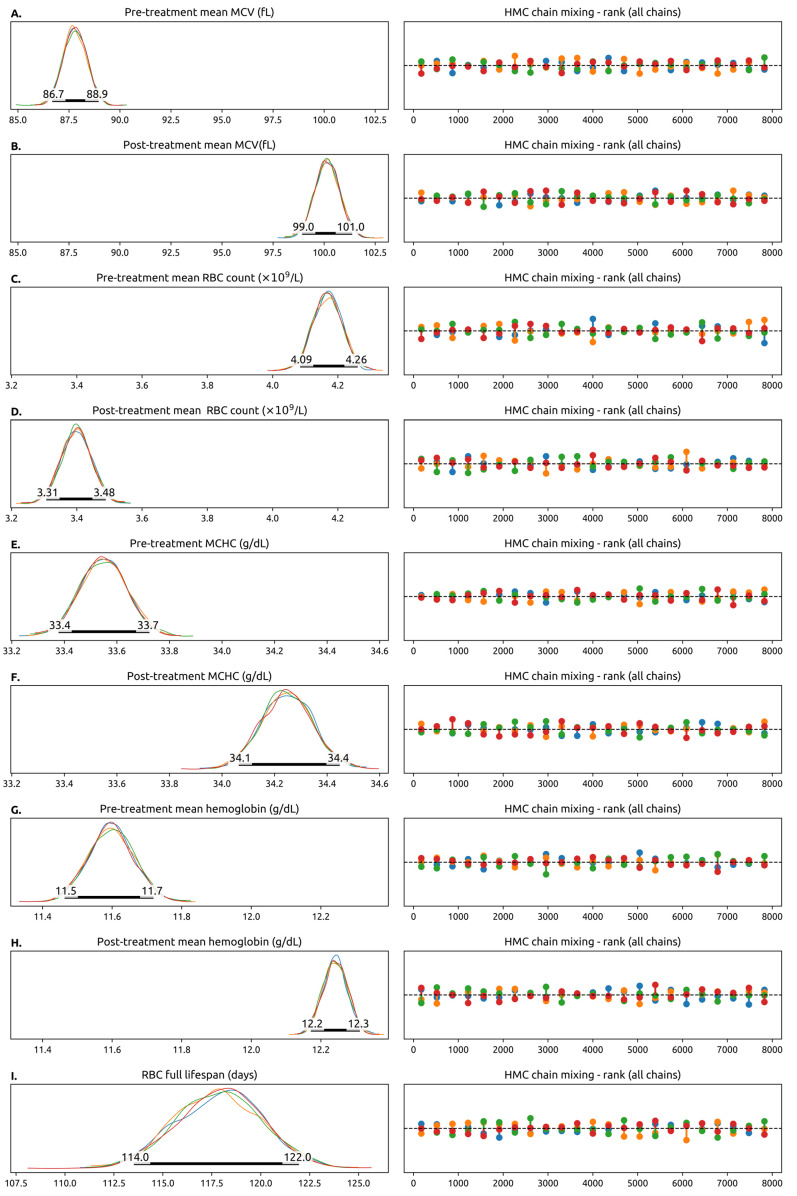 Figure 2
 Figure 3
Peer Reviews
No public reviews on file for this paper yet. If you reviewed it on a platform where reviews are public (OpenReview, ICLR, NeurIPS, ICML), you can paste yours below so the community can read it here.
Videos
No videos yet. Explain this paper in a talk, walkthrough, or lecture? Add one.
Taxonomy
TopicsAdvanced Breast Cancer Therapies · Cancer-related cognitive impairment studies · PARP inhibition in cancer therapy