GAL-201 as a Promising Amyloid-β-Targeting Small-Molecule Approach for Alzheimer’s Disease Treatment: Consistent Effects on Synaptic Plasticity, Behavior and Neuroinflammation
Katrin Riemann, Jeldrik von Ahsen, Tamara Böhm, Martin Schlegel, Matthias Kreuzer, Thomas Fenzl, Hermann Russ, Christopher G. Parsons, Gerhard Rammes

TL;DR
GAL-201 is a promising Alzheimer’s treatment that prevents toxic amyloid-beta oligomers, protecting brain cells and improving learning in mice.
Contribution
GAL-201 shows consistent neuroprotection and anti-inflammatory effects across multiple Aβ isoforms and models.
Findings
GAL-201 prevents Aβ oligomer formation and protects synaptic plasticity for up to a week.
GAL-201 reduces Aβ-induced spine loss and proinflammatory microglia and astrocyte activation.
GAL-201 improves spatial learning in an Alzheimer’s mouse model and alters Aβ deposition patterns.
Abstract
Soluble oligomeric forms of Amyloid-β (Aβ) are considered the major toxic species leading to the neurodegeneration underlying Alzheimer’s disease (AD). Therefore, drugs that prevent oligomer formation might be promising. The atypical dipeptide GAL-201 is orally bioavailable and interferes as a modulator of Aβ aggregation. It binds to aggregation-prone, misfolded Aβ monomers with high selectivity and affinity, thereby preventing the formation of toxic oligomers. Here, we demonstrate that the previously observed protective effect of GAL-201 on synaptic plasticity occurs irrespective of shortages and post-translational modifications (tested isoforms: Aβ1–42, Aβ(p3-42), Aβ1–40 and 3NTyr(10)-Aβ). Interestingly, the neuroprotective activity of a single dose of GAL-201 was still present after one week and correlated with a prevention of Aβ-induced spine loss. Furthermore, we could observe…
Genes, proteins, chemicals, diseases, species, mutations and cell lines named across the full text — each resolved to its canonical identifier and authoritative record.
Click any figure to enlarge with its caption.
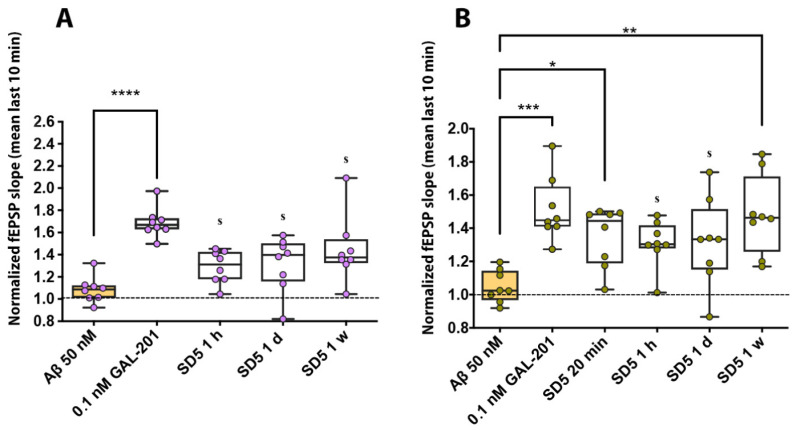 Figure 1
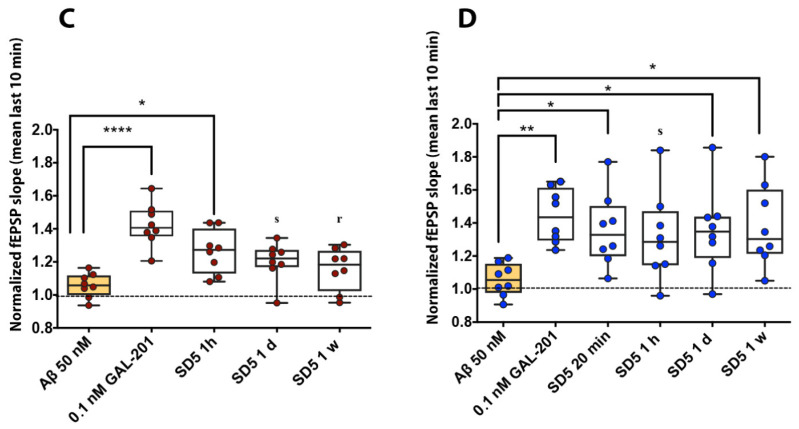 Figure 2
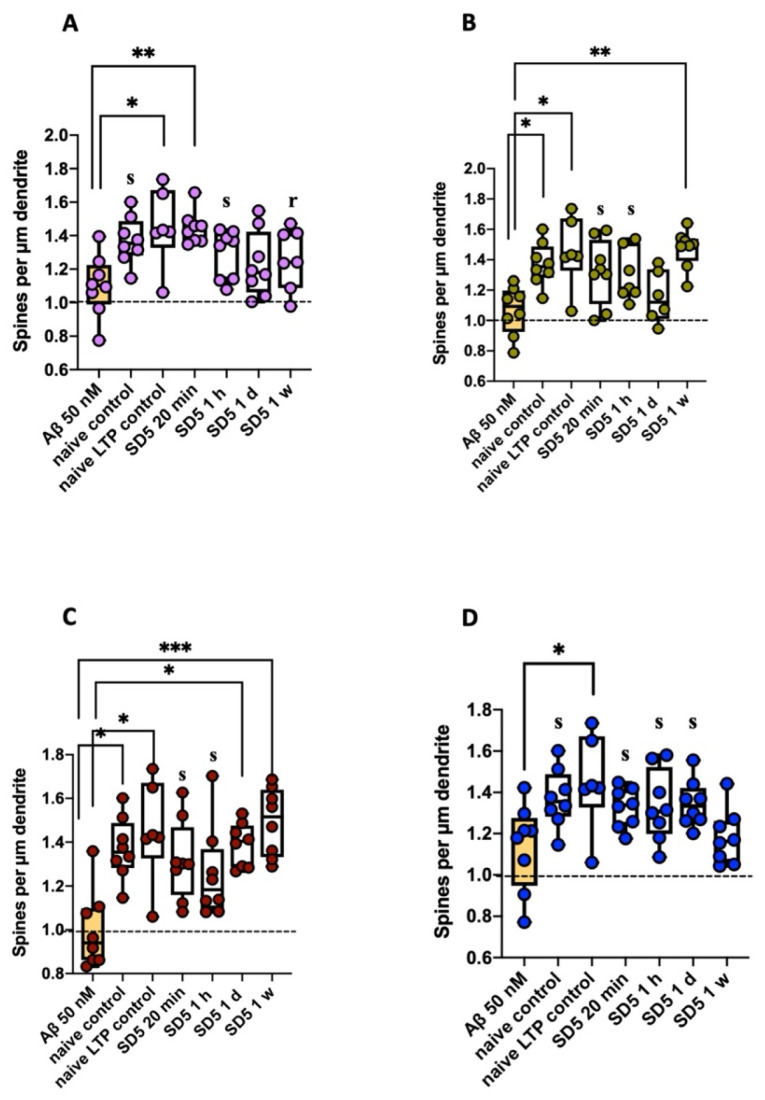 Figure 3
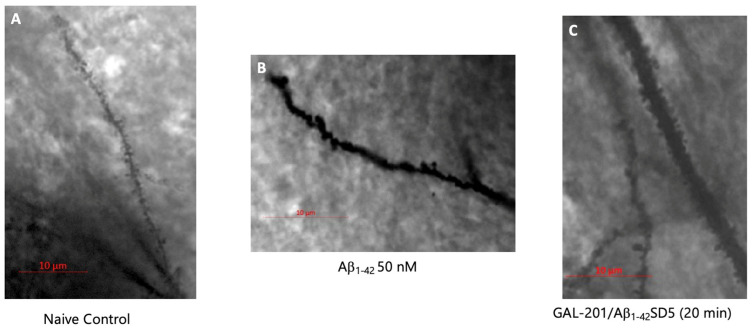 Figure 4
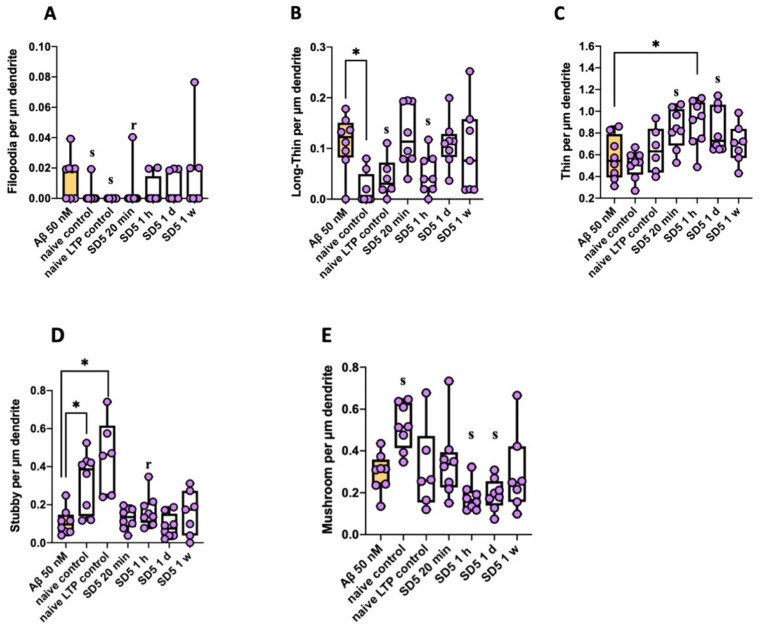 Figure 5
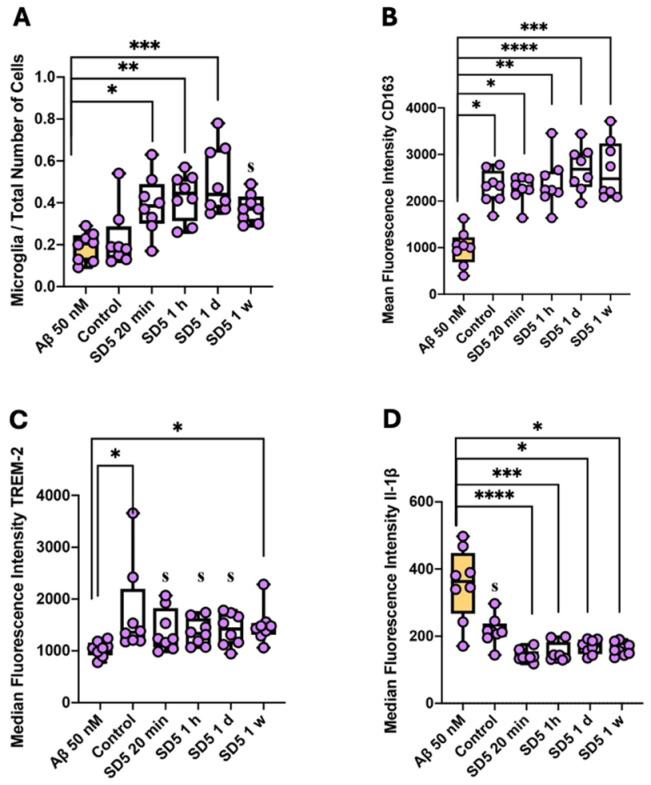 Figure 6
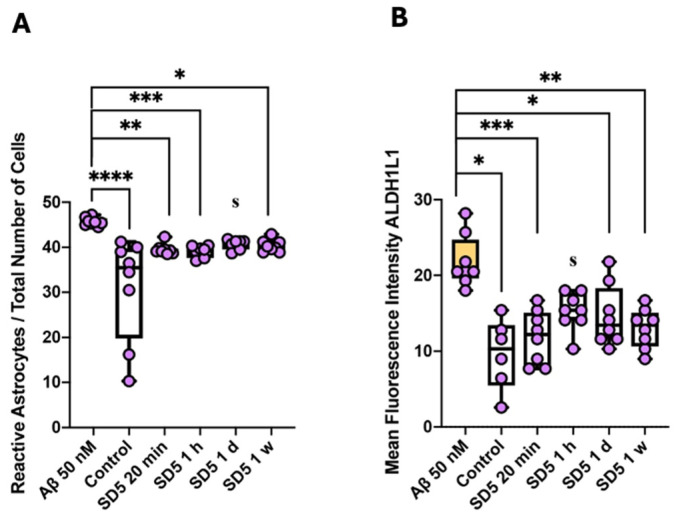 Figure 7
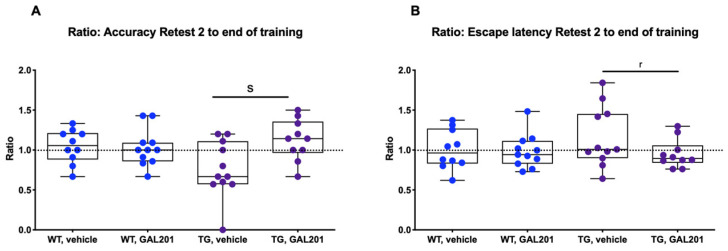 Figure 8
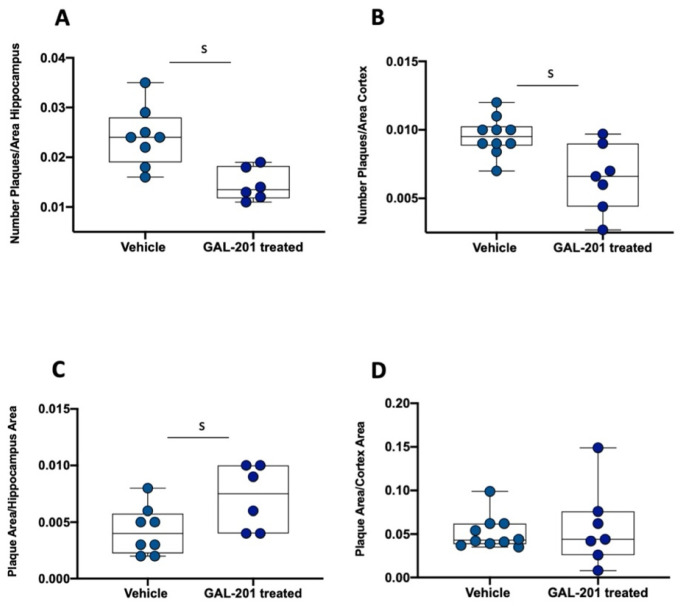 Figure 9
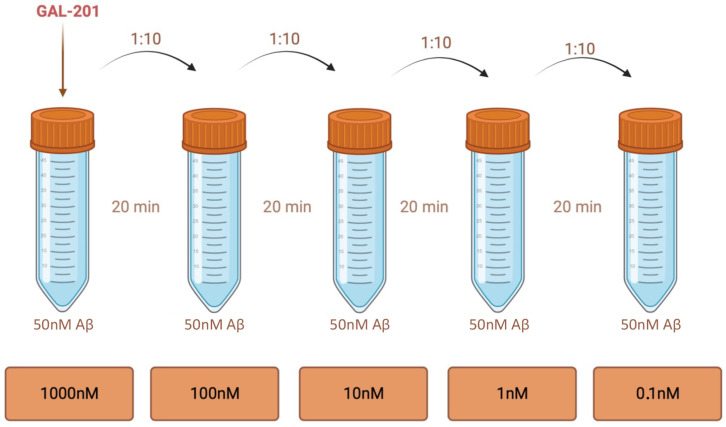 Figure 10
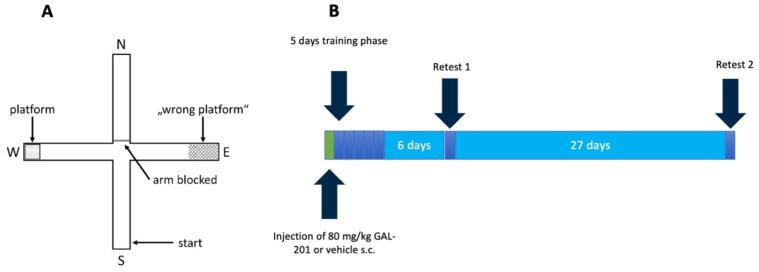 Figure 11
Peer Reviews
No public reviews on file for this paper yet. If you reviewed it on a platform where reviews are public (OpenReview, ICLR, NeurIPS, ICML), you can paste yours below so the community can read it here.
Videos
No videos yet. Explain this paper in a talk, walkthrough, or lecture? Add one.
Taxonomy
TopicsAlzheimer's disease research and treatments · Neuroscience and Neuropharmacology Research · Neuroinflammation and Neurodegeneration Mechanisms