Prolactin-Releasing Peptide System as a Potential Mechanism of Stress Coping: Studies in Male Rats
Evelin Szabó, Viktória Kormos, Zsuzsanna E. Tóth, Dóra Zelena, Anita Kovács

TL;DR
This study explores how the PrRP system in male rats may influence stress coping strategies, which are linked to depression.
Contribution
The study identifies brain region-specific roles of PrRP in stress coping and links it to depression-related mechanisms.
Findings
Passive coping rats showed altered PrRP mRNA expression in the A1 region, habenula, and arcuate nucleus.
PrRP was found in neurons co-expressing CRH and Vglut2 in the A1 region, suggesting a modulatory role in stress regulation.
The PrRP system's effect on stress coping is brain region-specific.
Abstract
Prolactin-releasing peptide (PrRP) has a regulatory role in both acute and chronic stress, suggesting its potential contribution to stress-related disorders such as depression. However, not all individuals with depression respond equally to stressors. We aimed to determine whether the PrRP system could underlie stress coping, an important aspect of depression. The forced swim test was used both as a stressor and as a method to assess coping strategy. Based on immobility time, active coping and passive coping subgroups were identified, and 10 brain regions were studied using qPCR to measure the mRNA expression levels of PrRP and its receptors (specific: GPR10; non-specific: NPFFR2). Passive coping animals spent more time in an immobile posture and exhibited altered mRNA expression levels in the medullary A1 region, the habenula, and the arcuate nucleus than control or active coping rats.…
Genes, proteins, chemicals, diseases, species, mutations and cell lines named across the full text — each resolved to its canonical identifier and authoritative record.
Click any figure to enlarge with its caption.
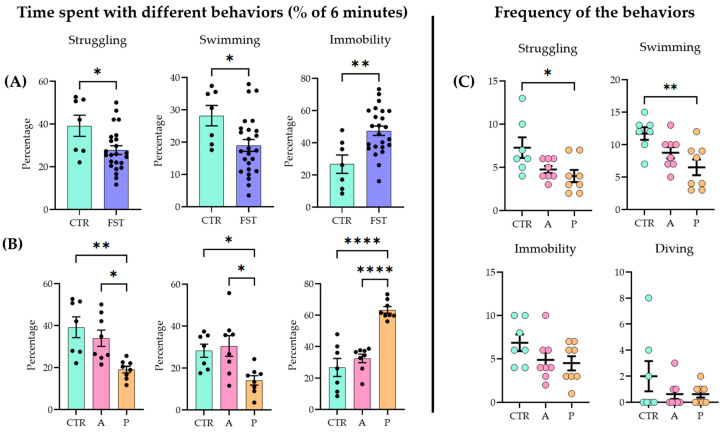 Figure 1
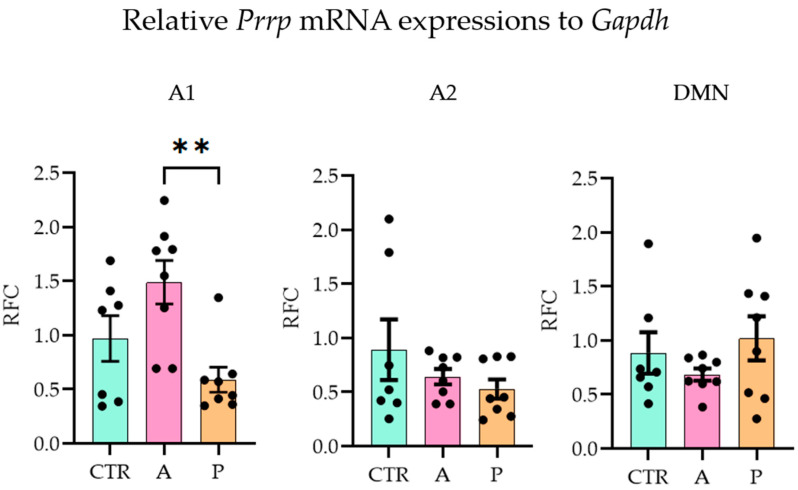 Figure 2
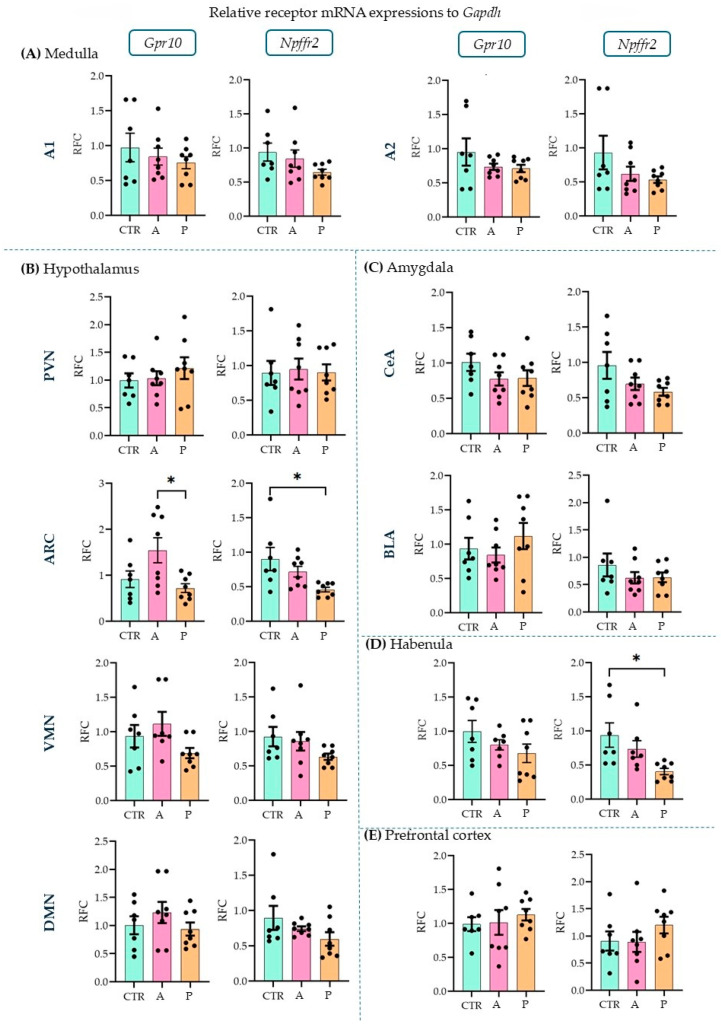 Figure 3
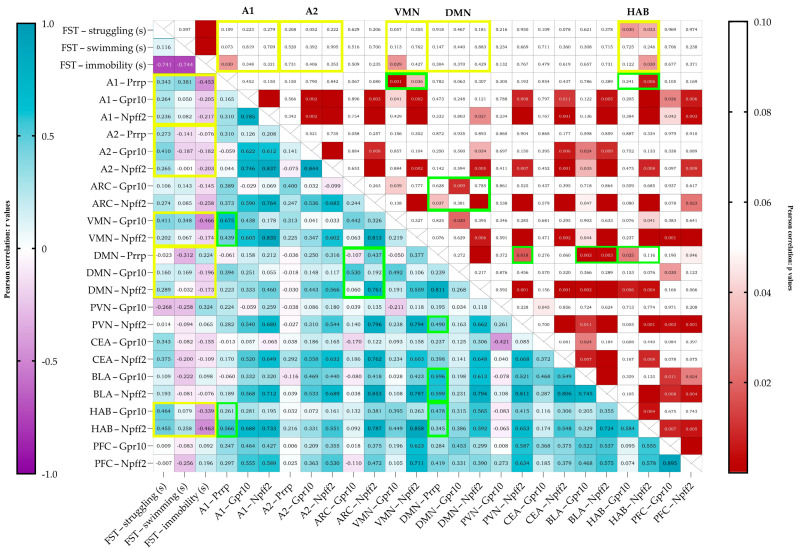 Figure 4
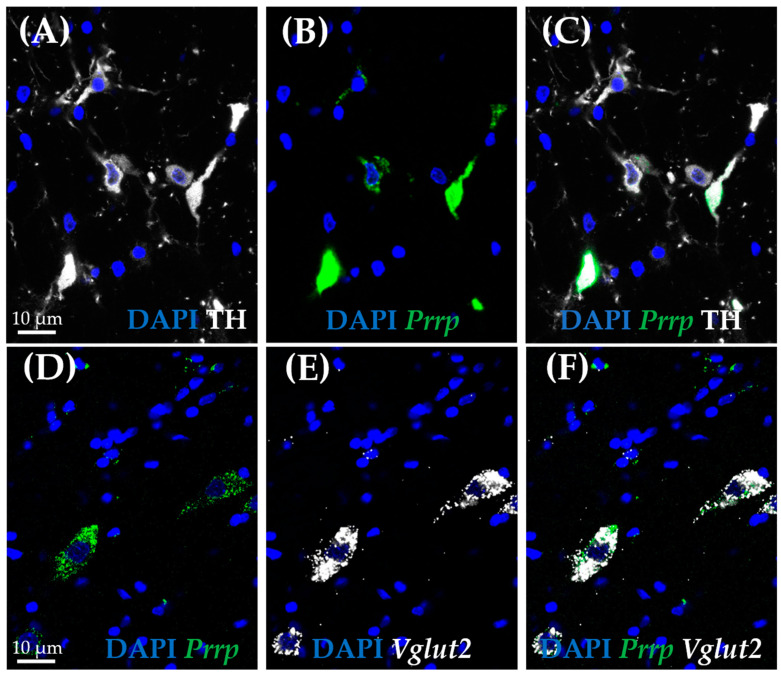 Figure 5
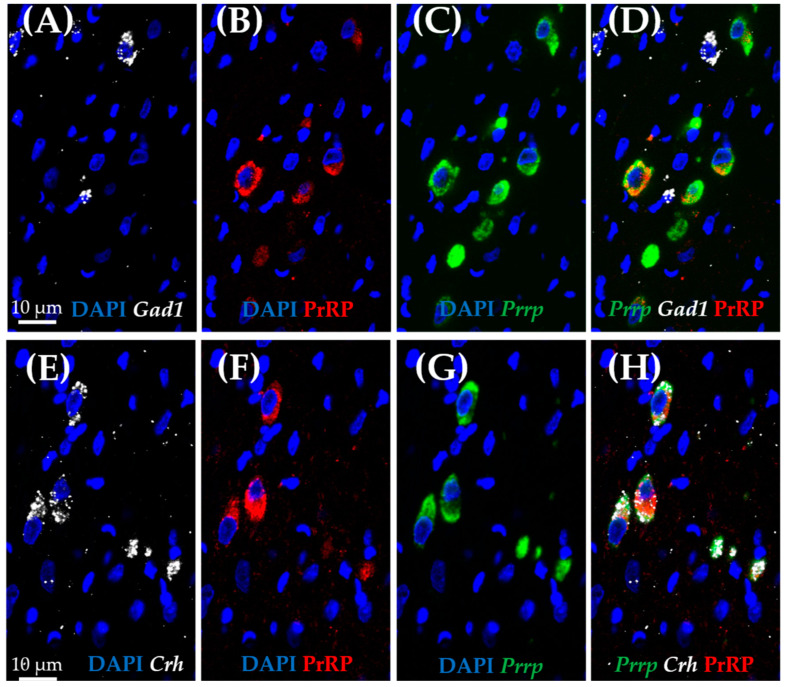 Figure 6
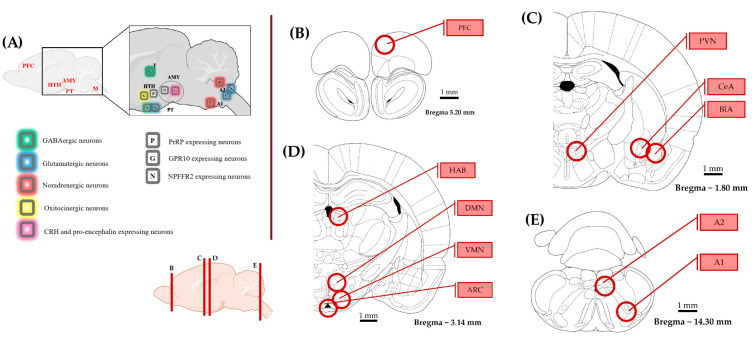 Figure 7
Peer Reviews
No public reviews on file for this paper yet. If you reviewed it on a platform where reviews are public (OpenReview, ICLR, NeurIPS, ICML), you can paste yours below so the community can read it here.
Videos
No videos yet. Explain this paper in a talk, walkthrough, or lecture? Add one.
Taxonomy
TopicsStress Responses and Cortisol · Neuropeptides and Animal Physiology · Neuroendocrine regulation and behavior