Exploring the Genetic and Clinical Landscape of Dedifferentiated Endometrioid Carcinoma
Hikaru Haraga, Kentaro Nakayama, Sultana Razia, Masako Ishikawa, Hitomi Yamashita, Kosuke Kanno, Mamiko Nagase, Tomoka Ishibashi, Hiroshi Katagiri, Ryoichi Shimomura, Yoshiro Otsuki, Satoru Nakayama, Satoru Kyo

TL;DR
This study explores the genetic and clinical features of dedifferentiated endometrioid carcinoma in Japanese patients to improve treatment strategies.
Contribution
The study identifies distinct genetic mutations and potential targeted therapies for dedifferentiated endometrioid carcinoma.
Findings
DDEC had a 5-year progression-free survival of 40% and overall survival of 30%.
p53 mutations were more common and linked to poor prognosis in undifferentiated components.
Genetic differences between well-differentiated and undifferentiated components suggest varied therapeutic approaches.
Abstract
Dedifferentiated endometrioid carcinoma (DDEC) is rare, has a poor prognosis, and the genes responsible for dedifferentiation remain unclear. This study aimed to clarify the characteristics of DDEC in Japanese patients and develop treatment strategies. Eighteen DDEC cases were included; their clinicopathological features and prognoses were analyzed and compared to those of other histological subtypes. The samples were divided into well-differentiated and undifferentiated components; immunostaining and whole-exome sequencing (n = 3 cases) were conducted. The incidence of DDEC was 2.0% among endometrial cancers. The 5-year progression-free survival and the 5-year overall survival for DDEC was approximately 40% and 30%, respectively. Immunohistochemistry showed that 66.7% of patients were mismatch repair deficient. The rate of p53 mutations was higher than that reported in previous…
Genes, proteins, chemicals, diseases, species, mutations and cell lines named across the full text — each resolved to its canonical identifier and authoritative record.
Click any figure to enlarge with its caption.
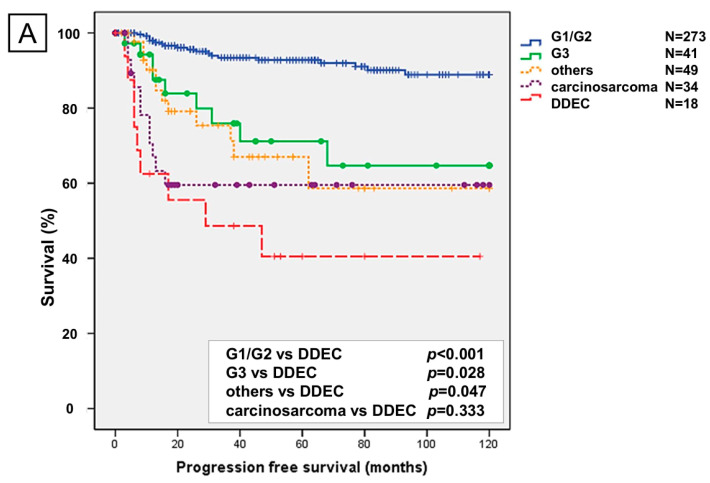 Figure 1
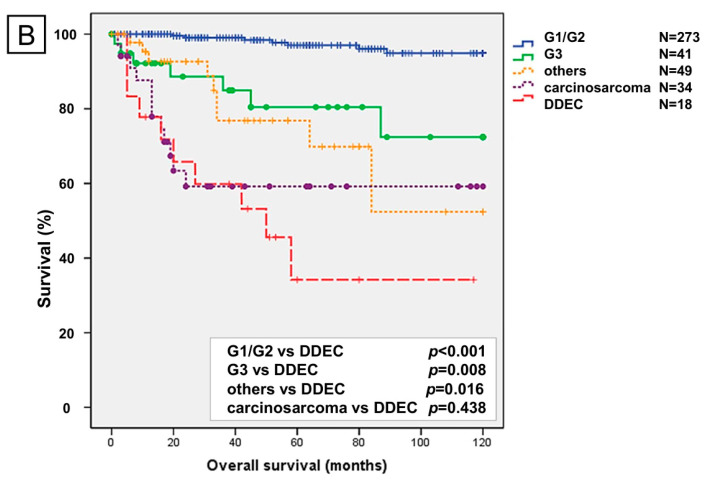 Figure 2
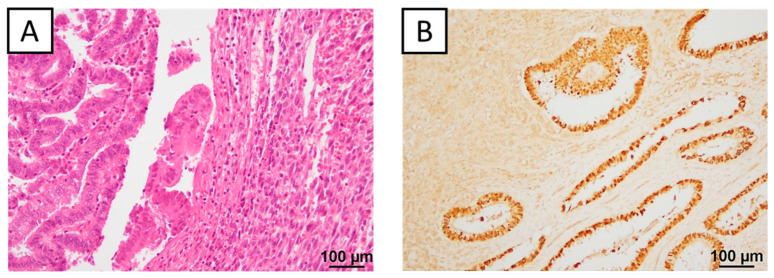 Figure 3
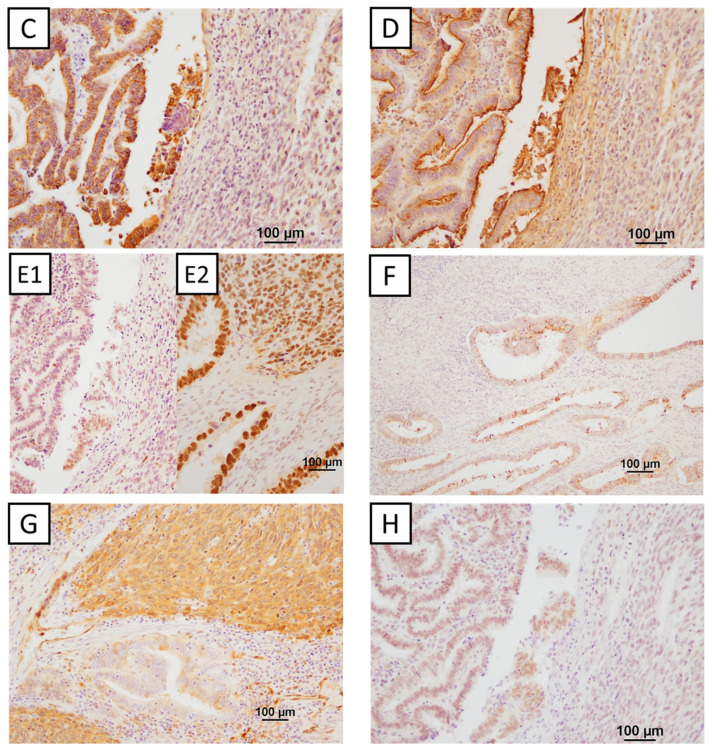 Figure 4
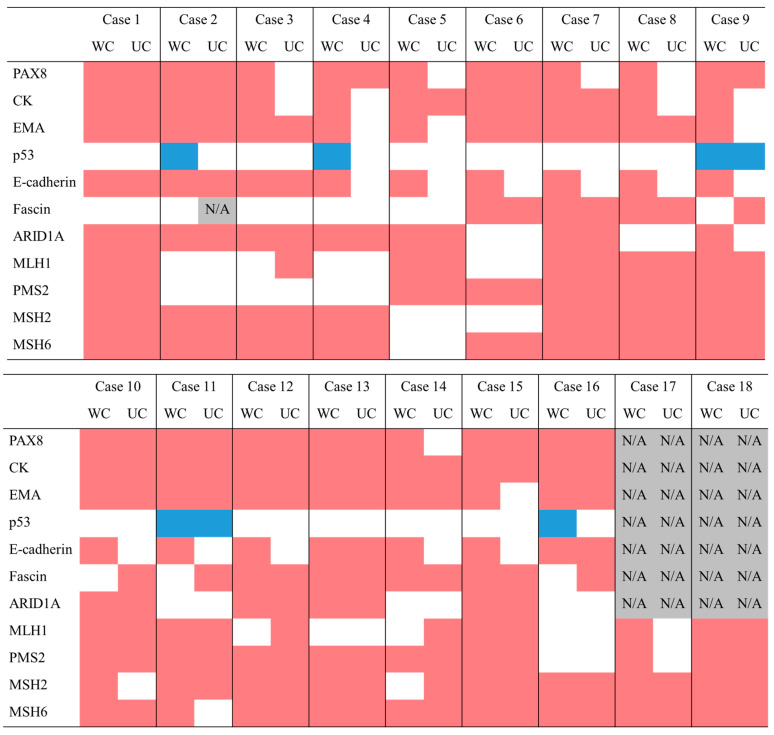 Figure 5
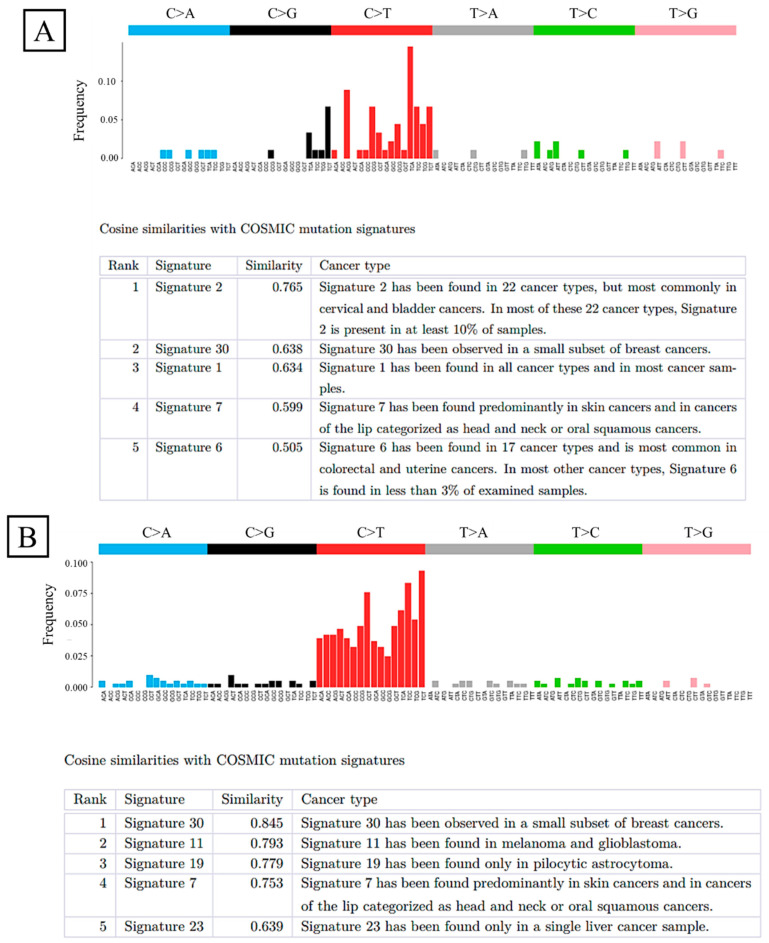 Figure 6
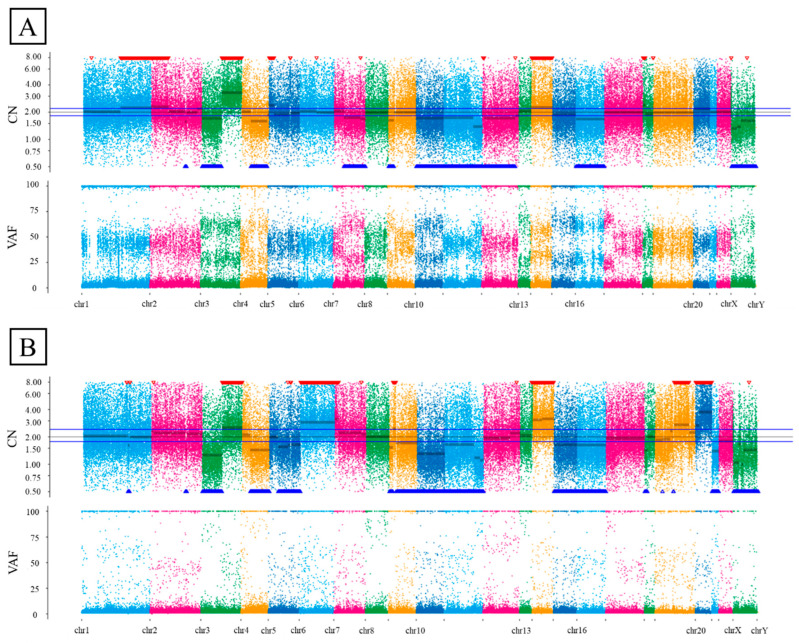 Figure 7
Peer Reviews
No public reviews on file for this paper yet. If you reviewed it on a platform where reviews are public (OpenReview, ICLR, NeurIPS, ICML), you can paste yours below so the community can read it here.
Videos
No videos yet. Explain this paper in a talk, walkthrough, or lecture? Add one.
Taxonomy
TopicsEndometrial and Cervical Cancer Treatments · Ovarian cancer diagnosis and treatment · Colorectal and Anal Carcinomas