A Disintegrin and Metalloprotease with Thrombospondin Motif, Member 13, and Von Willebrand Factor in Relation to the Duality of Preeclampsia and HIV Infection
Prelene Naidoo, Thajasvarie Naicker

TL;DR
This paper explores how changes in VWF and ADAMTS13 during pregnancy and HIV infection affect blood clotting and inflammation.
Contribution
The paper highlights the dual role of VWF and ADAMTS13 in preeclampsia and HIV-related thrombosis.
Findings
VWF levels increase significantly during pregnancy, contributing to a hypercoagulable state.
ADAMTS13 deficiency due to mutations or autoantibodies impairs VWF cleavage and increases thrombosis risk.
HIV infection and SARS-CoV-2 trigger endothelial activation, leading to imbalanced VWF/ADAMTS13 ratios and thrombotic tendencies.
Abstract
Normal pregnancy is associated with multiple changes in the coagulation and the fibrinolytic system. In contrast to a non-pregnant state, pregnancy is a hypercoagulable state where the level of VWF increases by 200–375%, affecting coagulation activity. Moreover, in this hypercoagulable state of pregnancy, preeclampsia is exacerbated. ADAMTS13 cleaves the bond between Tyr1605 and Met1606 in the A2 domain of VWF, thereby reducing its molecular weight. A deficiency of ADAMTS13 originates from mutations in gene or autoantibodies formed against the protease, leading to defective enzyme production. Von Willebrand protein is critical for hemostasis and thrombosis, promoting thrombus formation by mediating the adhesion of platelets and aggregation at high shear stress conditions within the vessel wall. Mutations in VWF disrupts multimer assembly, secretion and/or catabolism, thereby influencing…
Genes, proteins, chemicals, diseases, species, mutations and cell lines named across the full text — each resolved to its canonical identifier and authoritative record.
Click any figure to enlarge with its caption.
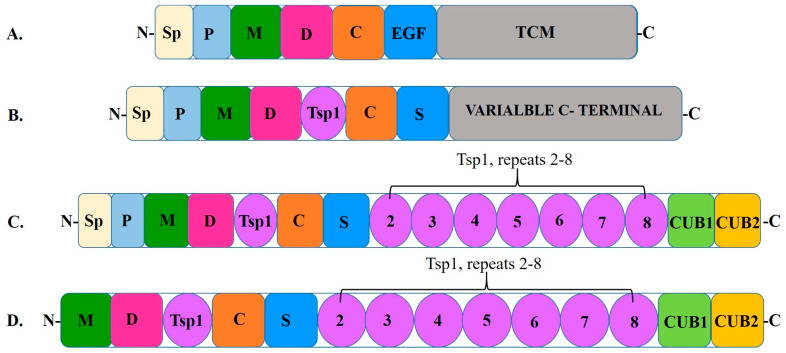 Figure 1
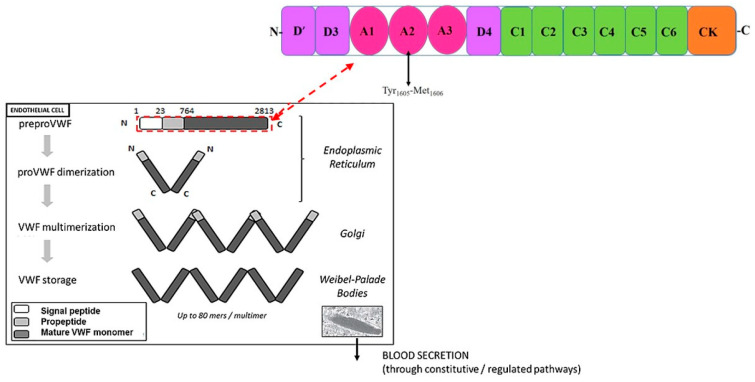 Figure 2
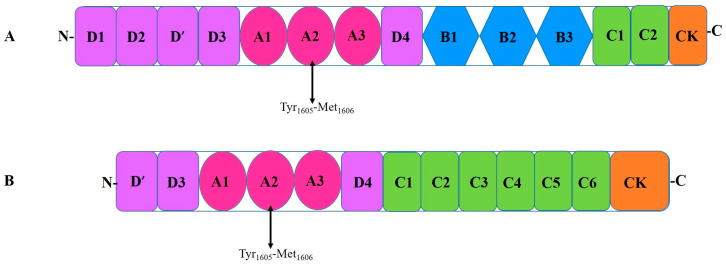 Figure 3
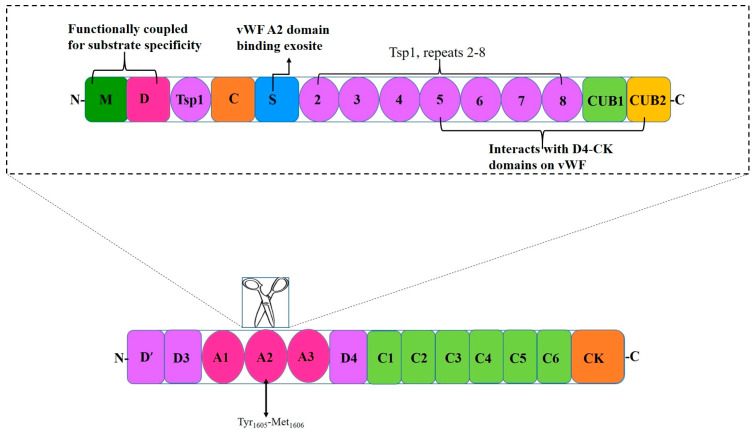 Figure 4
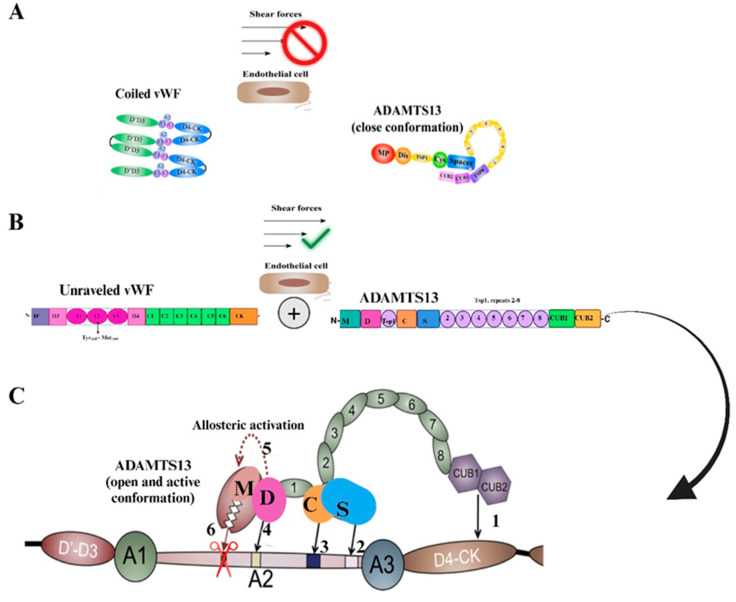 Figure 5
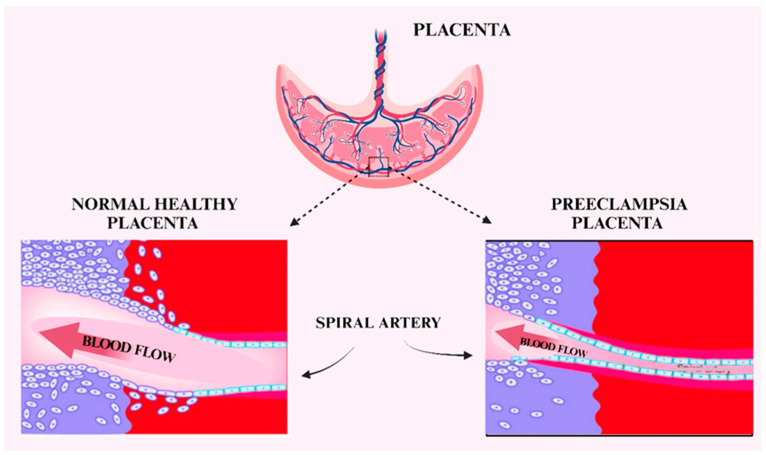 Figure 6
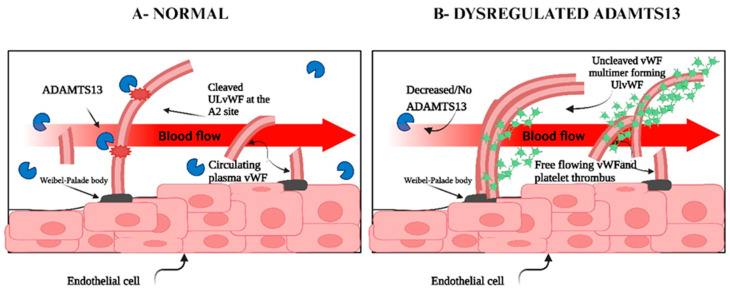 Figure 7
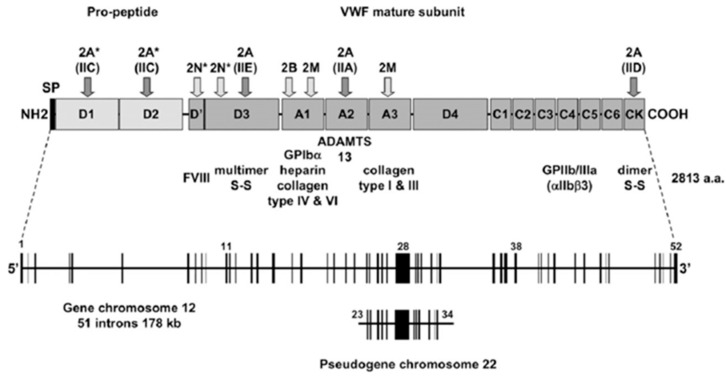 Figure 8
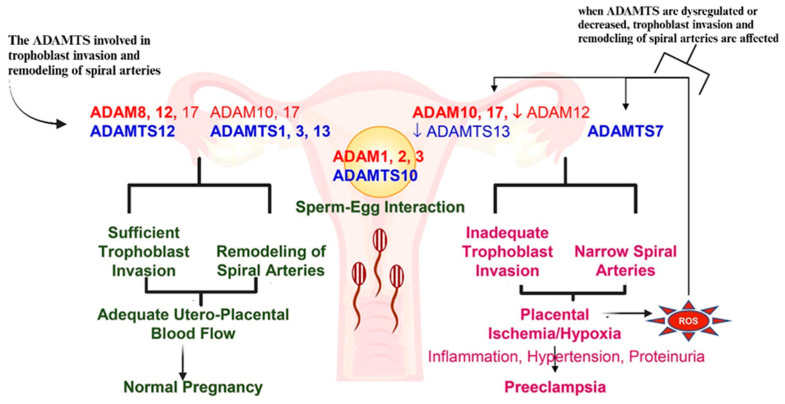 Figure 9
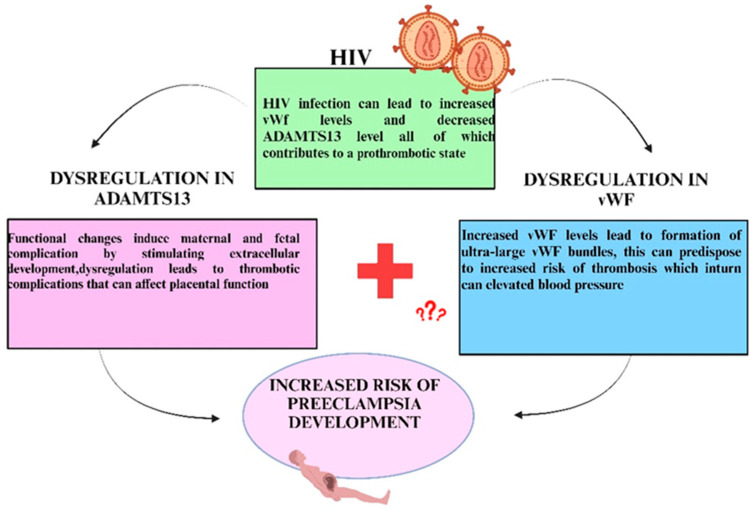 Figure 10
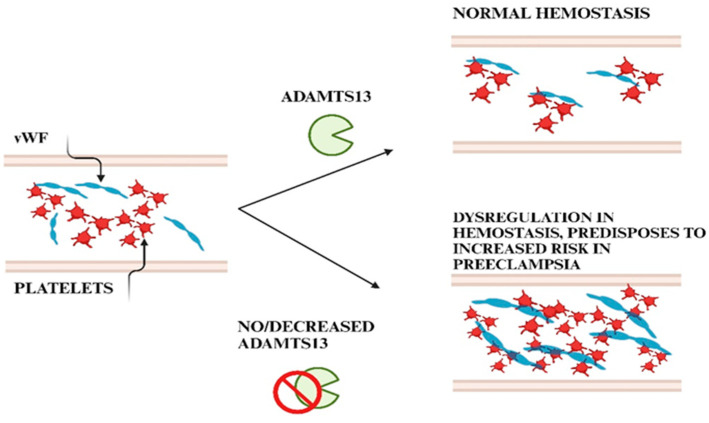 Figure 11
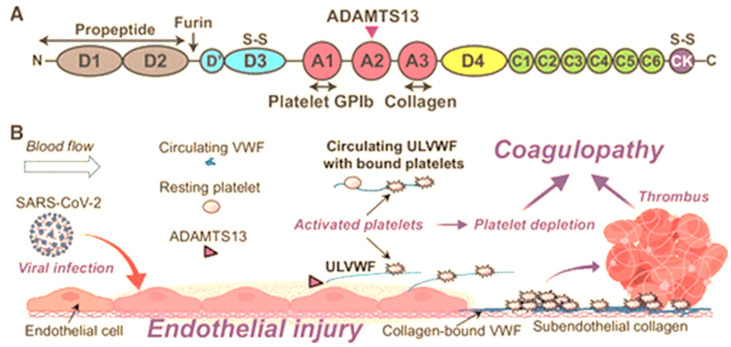 Figure 12
Peer Reviews
No public reviews on file for this paper yet. If you reviewed it on a platform where reviews are public (OpenReview, ICLR, NeurIPS, ICML), you can paste yours below so the community can read it here.
Videos
No videos yet. Explain this paper in a talk, walkthrough, or lecture? Add one.
Taxonomy
TopicsPlatelet Disorders and Treatments · Blood Coagulation and Thrombosis Mechanisms · Complement system in diseases