Complex Management of Bilateral Congenital Hydronephrosis in a Pediatric Patient: A Multidisciplinary Approach
Nadica Motofelea, Ionela Florica Tamasan, Sonia Aniela Tanasescu, Teodora Hoinoiu, Jabri Tabrizi Madalina Ioana, Gheorghe Nicusor Pop, Alexandru Catalin Motofelea

TL;DR
This case study describes the complex treatment of a child with severe kidney and urinary tract malformations, emphasizing the need for a multidisciplinary approach.
Contribution
The paper presents a detailed clinical case of bilateral congenital hydronephrosis with multiple complications, highlighting management challenges and outcomes.
Findings
Initial decompression improved renal function but febrile UTIs persisted due to multidrug-resistant pathogens.
Surgical interventions included reimplantation, ureterocele excision, and polyp removal, but residual hydronephrosis and hypoplasia remained.
Long-term surveillance and individualized treatment are essential for managing complex CAKUT cases.
Abstract
Congenital anomalies of the kidney and urinary tract (CAKUT) are common developmental malformations and a leading cause of pediatric renal dysfunction. Severe hydronephrosis, especially when accompanied by ureteral duplication, ureterocele, or neurogenic bladder, poses significant diagnostic and therapeutic challenges. This case report presents a 7-year-old male with prenatally diagnosed bilateral grade IV/V hydronephrosis (according to the radiology hydronephrosis grading system), complicated by the right pyeloureteral duplication, the left ureterocele, and the neurogenic bladder. The patient’s clinical course was marked by recurrent urinary tract infections (UTIs), progressive renal dysfunction, and multiple surgical interventions. Initial decompression via bilateral ureterostomy and stenting led to significant improvements in renal function. However, the patient experienced recurrent…
Genes, proteins, chemicals, diseases, species, mutations and cell lines named across the full text — each resolved to its canonical identifier and authoritative record.
Click any figure to enlarge with its caption.
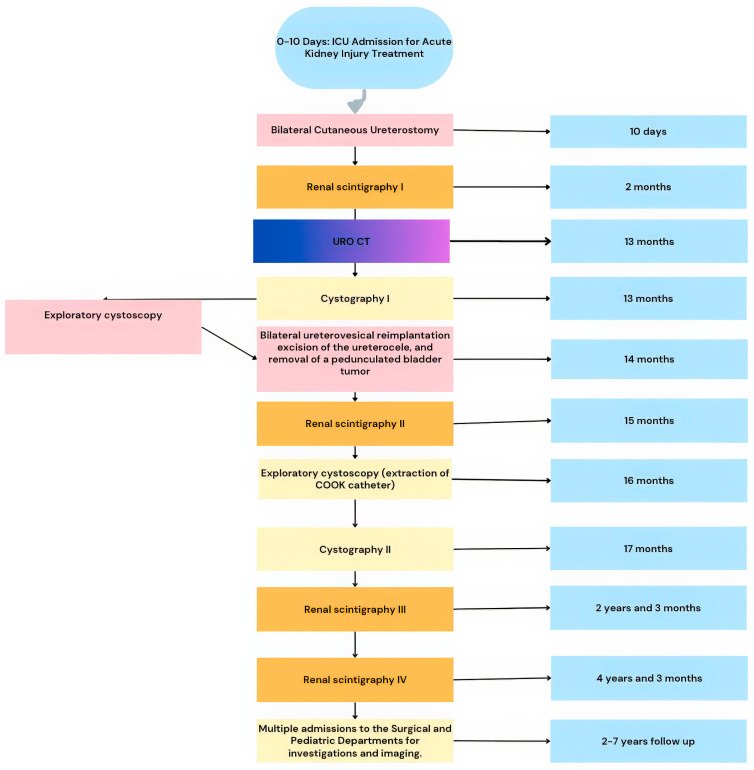 Figure 1
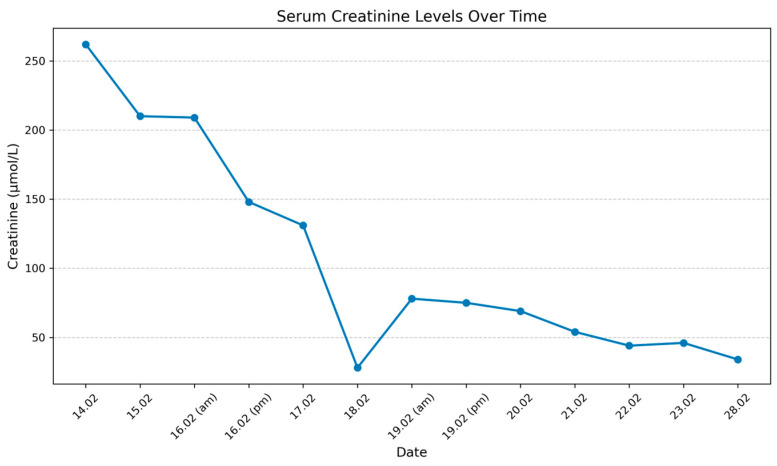 Figure 2
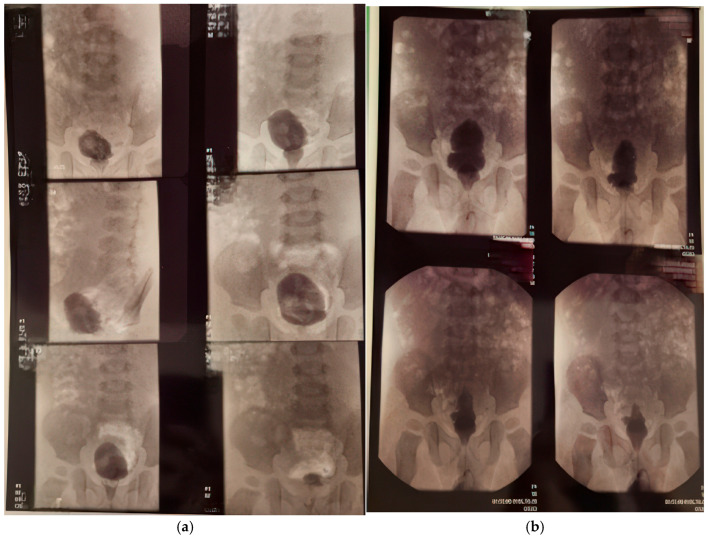 Figure 3
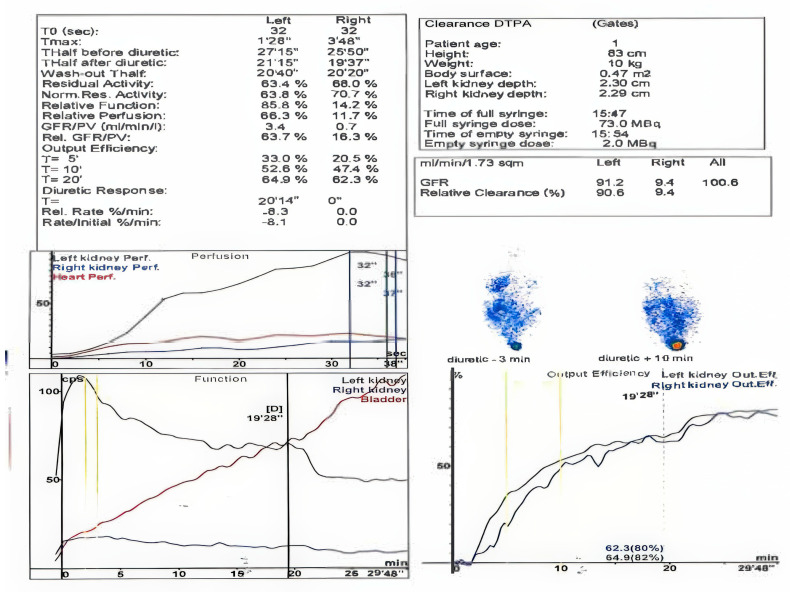 Figure 4
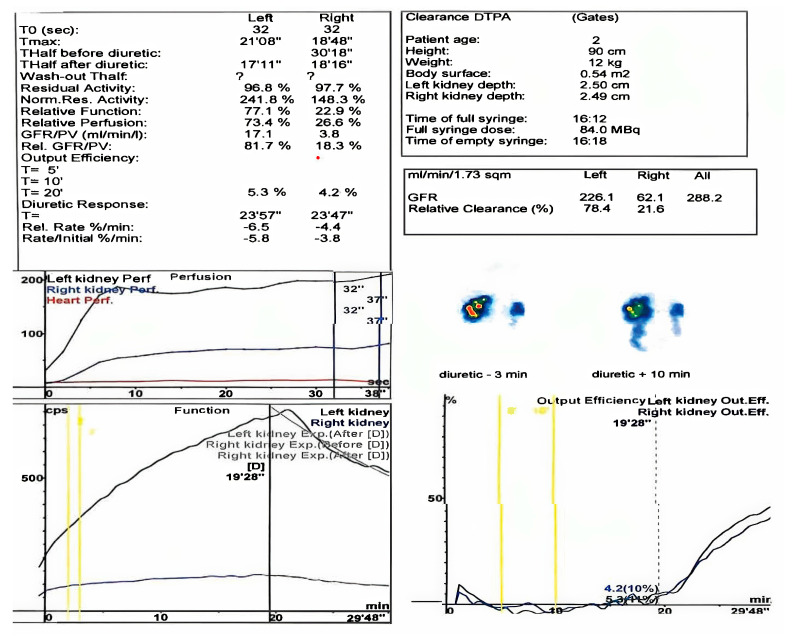 Figure 5
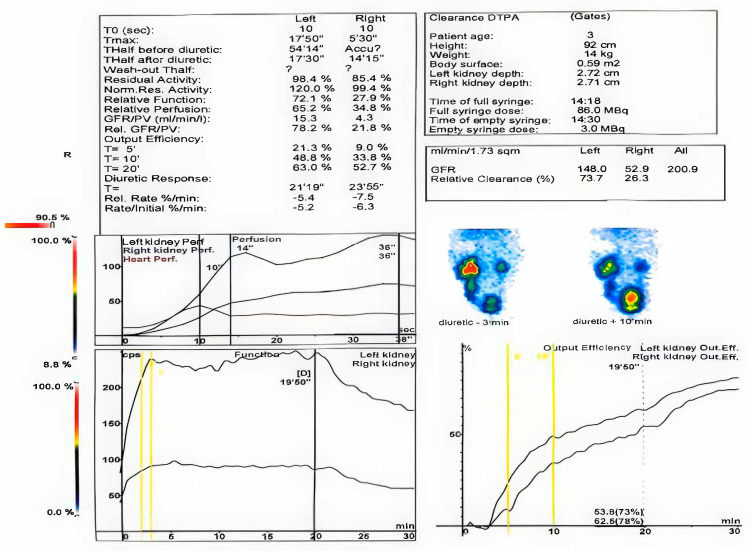 Figure 6
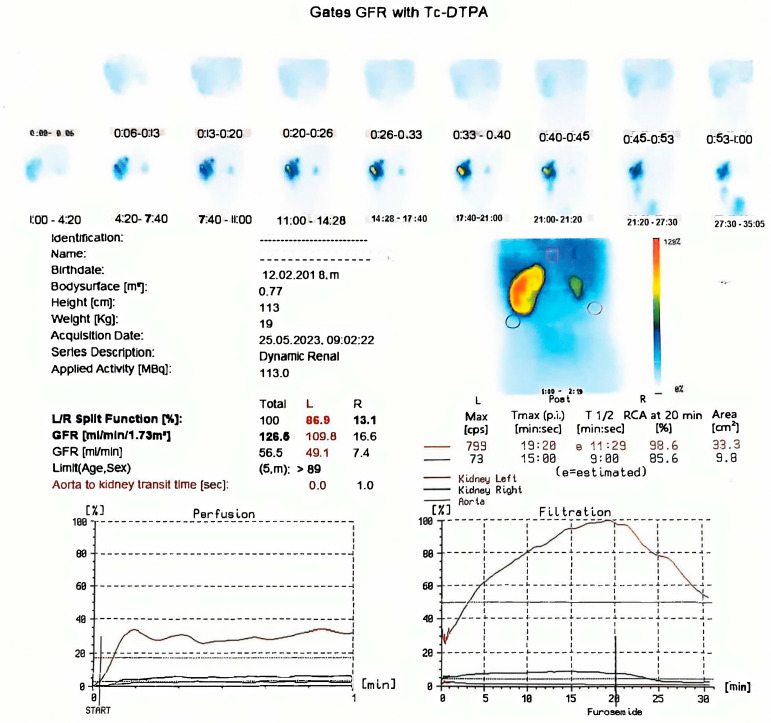 Figure 7
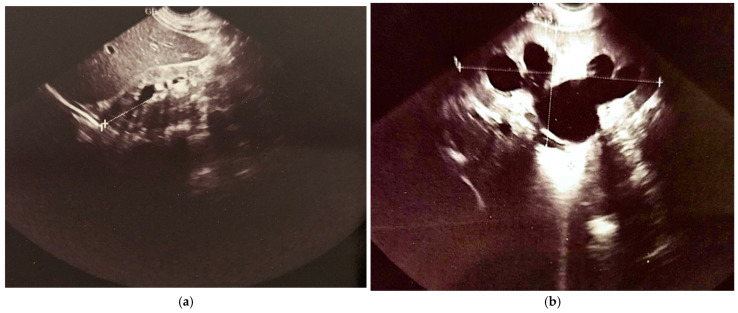 Figure 8
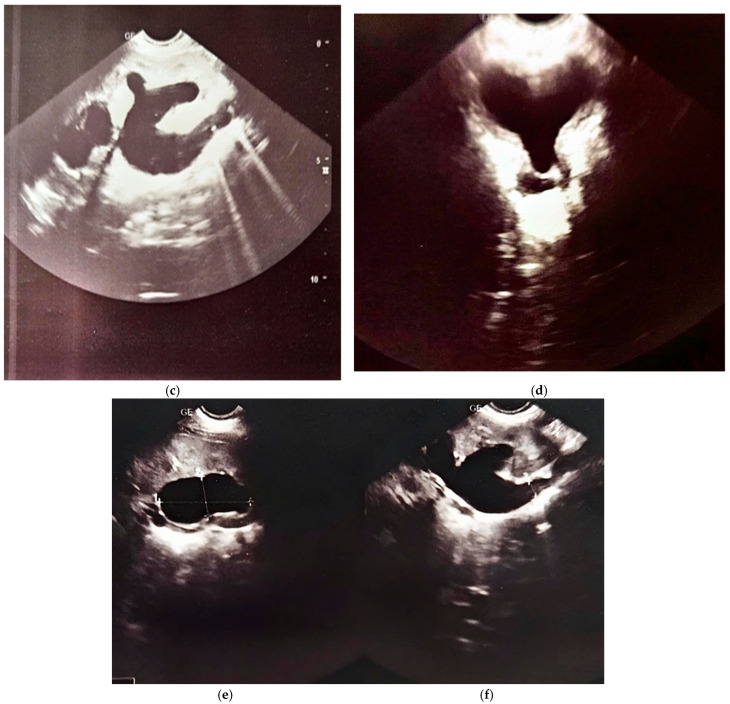 Figure 9
Peer Reviews
No public reviews on file for this paper yet. If you reviewed it on a platform where reviews are public (OpenReview, ICLR, NeurIPS, ICML), you can paste yours below so the community can read it here.
Videos
No videos yet. Explain this paper in a talk, walkthrough, or lecture? Add one.
Taxonomy
TopicsPediatric Urology and Nephrology Studies · Urological Disorders and Treatments · Urologic and reproductive health conditions