PPARα Genetic Deletion Reveals Global Transcriptional Changes in the Brain and Exacerbates Cerebral Infarction in a Mouse Model of Stroke
Milton H. Hamblin, Austin C. Boese, Rabi Murad, Jean-Pyo Lee

TL;DR
This study shows that PPARα protects the brain from stroke by regulating genes involved in inflammation and cell death, suggesting it could be a new drug target.
Contribution
The study reveals PPARα's protective role in stroke through global transcriptional changes and identifies novel gene pathways affected by its deletion.
Findings
PPARα knockout increased brain infarct size, showing its protective role in stroke.
PPARα deletion altered gene expression related to inflammation, apoptosis, and EMT in stroke brains.
Key pathways like TNFα and IL6/STAT3 signaling were upregulated in PPARα knockout stroke brains.
Abstract
Ischemic stroke is a leading cause of death and disability worldwide. Currently, there is an unmet clinical need for pharmacological treatments that can improve ischemic stroke outcomes. In this study, we investigated the role of brain peroxisome proliferator-activated receptor alpha (PPARα) in ischemic stroke pathophysiology. We used a well-established model of cerebral ischemia in PPARα transgenic mice and conducted the RNA sequencing (RNA-seq) of mouse stroke brains harvested 48 h post-middle cerebral artery occlusion (MCAO). PPARα knockout (KO) increased brain infarct size following stroke, indicating a protective role of PPARα in brain ischemia. Our RNA-seq analysis showed that PPARα KO altered the expression of genes in mouse brains with known roles in ischemic stroke pathophysiology. We also identified many other differentially expressed genes (DEGs) upon the loss of PPARα that…
Genes, proteins, chemicals, diseases, species, mutations and cell lines named across the full text — each resolved to its canonical identifier and authoritative record.
Click any figure to enlarge with its caption.
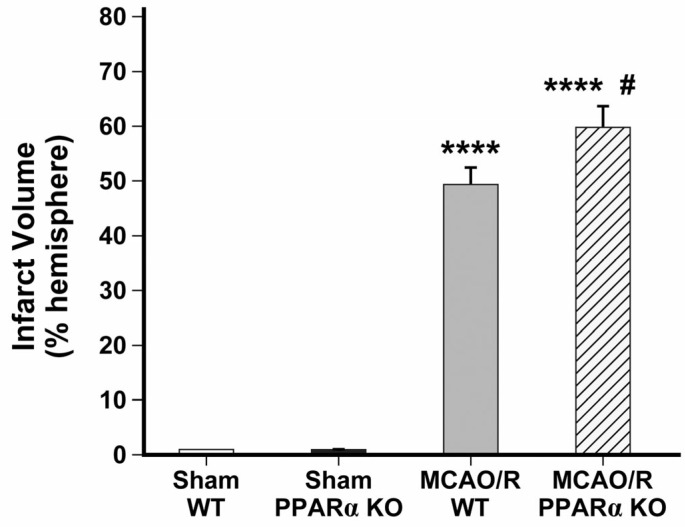 Figure 1
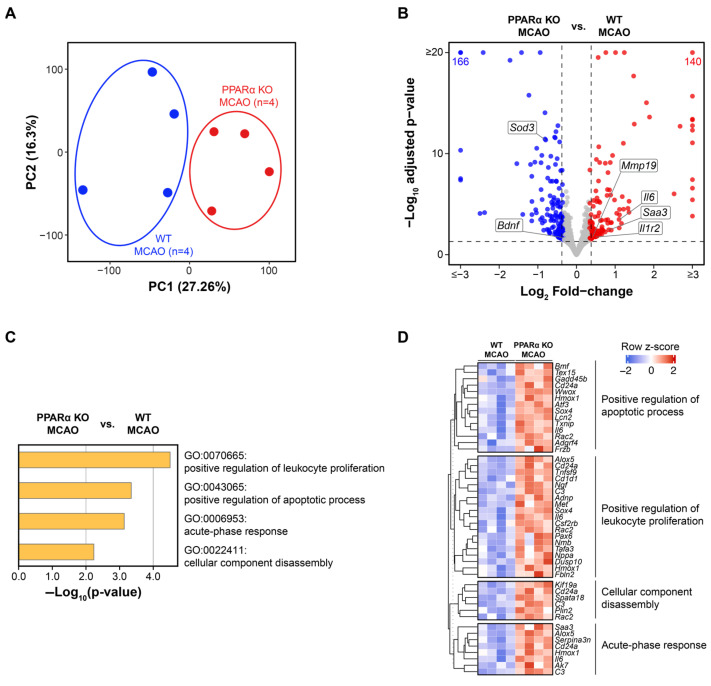 Figure 2
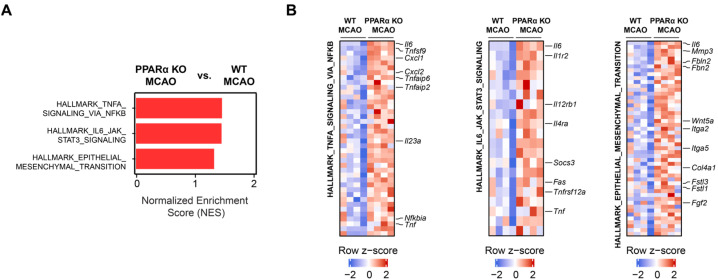 Figure 3
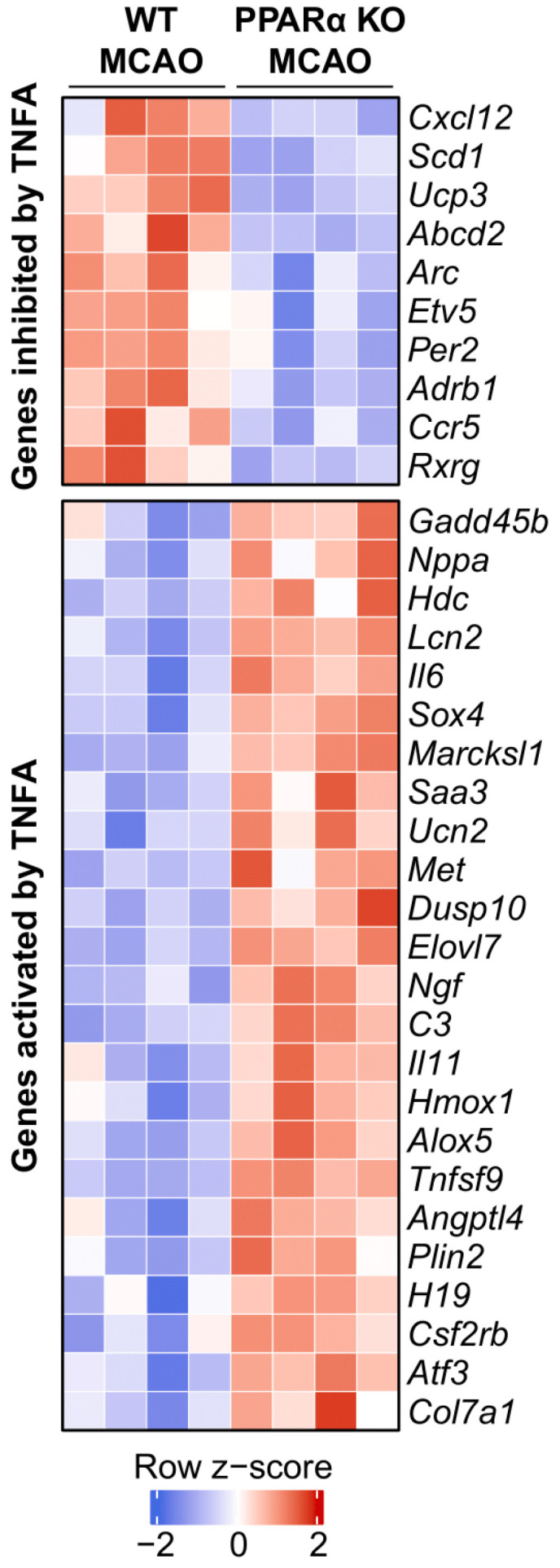 Figure 4
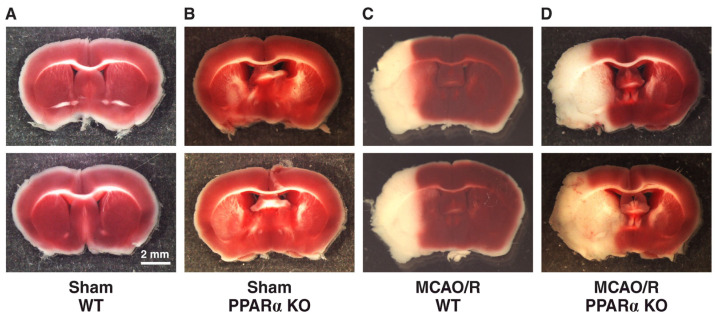 Figure 5
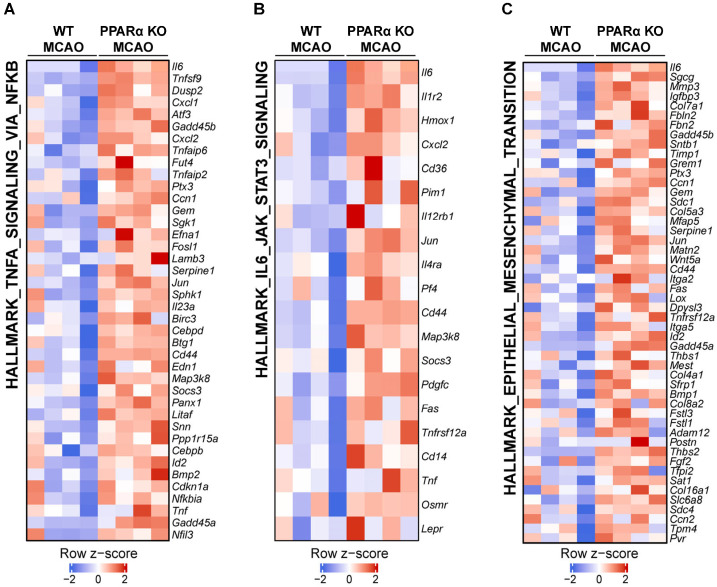 Figure 6
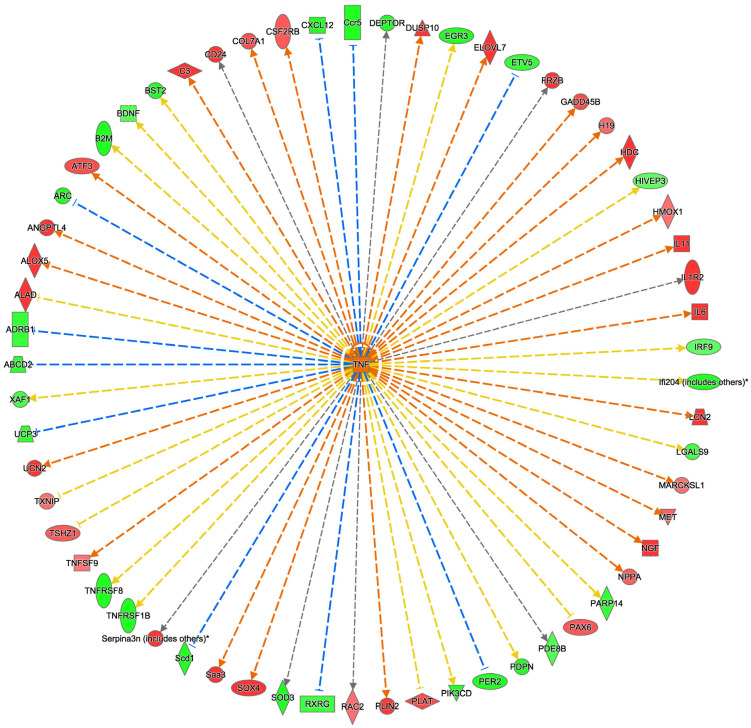 Figure 7
Peer Reviews
No public reviews on file for this paper yet. If you reviewed it on a platform where reviews are public (OpenReview, ICLR, NeurIPS, ICML), you can paste yours below so the community can read it here.
Videos
No videos yet. Explain this paper in a talk, walkthrough, or lecture? Add one.
Taxonomy
TopicsPeroxisome Proliferator-Activated Receptors · Immune cells in cancer · Adipokines, Inflammation, and Metabolic Diseases