Manometric Evaluation of the Sphincter Complex in Anterior Anus and Mild Anorectal Malformations—An Important Diagnostic Tool
Jonathan Hencke, Raphael Staubach, Steffan Loff

TL;DR
This study shows that anorectal manometry can effectively diagnose ambiguous anterior anus cases, reducing the need for invasive procedures.
Contribution
The study demonstrates anorectal manometry's diagnostic value in anterior anus and mild anorectal malformations.
Findings
Anorectal manometry made electrical stimulation unnecessary in 25 out of 38 patients.
Abnormal sphincter configurations correlated with significantly lower anterior pressures and pressure ratios.
Average anterior pressures <75 mmHg and ratios <0.7 indicated an anus outside the sphincter complex with high sensitivity and specificity.
Abstract
Background: Distinguishing between the anatomical variant of an anterior anus and mild forms of imperforate anus with rectoperineal fistula often requires inspection, calibration, and, in uncertain cases, electrical stimulation (ES) under general anesthesia. Anorectal manometry (AM), despite its ability to assess sphincter configuration and function, is rarely reported as a diagnostic tool. This study evaluated the utility of AM in such cases. Methods: A retrospective analysis of AM and clinical data from 38 patients (35 female, 3 male) with suspected anterior anus was conducted from October 2009 to September 2021. Water-perfused catheter probes with eight radial channels were used to perform pull-through maneuvers. Sphincter locations were identified through vector reconstruction, and pressure ratios of the anterior part to the circumference were recorded. Results were compared to…
Genes, proteins, chemicals, diseases, species, mutations and cell lines named across the full text — each resolved to its canonical identifier and authoritative record.
Click any figure to enlarge with its caption.
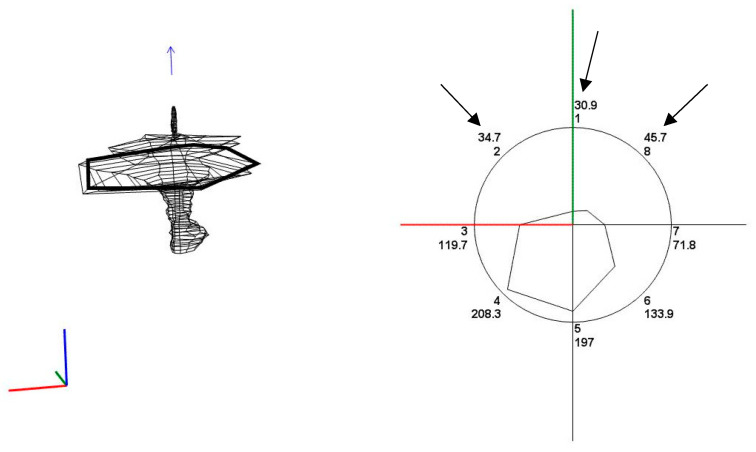 Figure 1
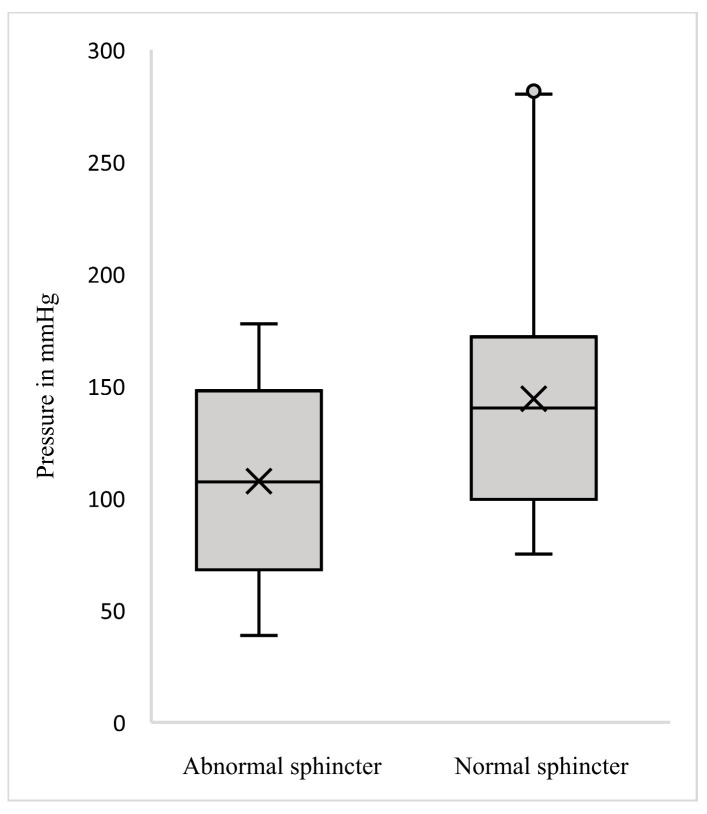 Figure 2
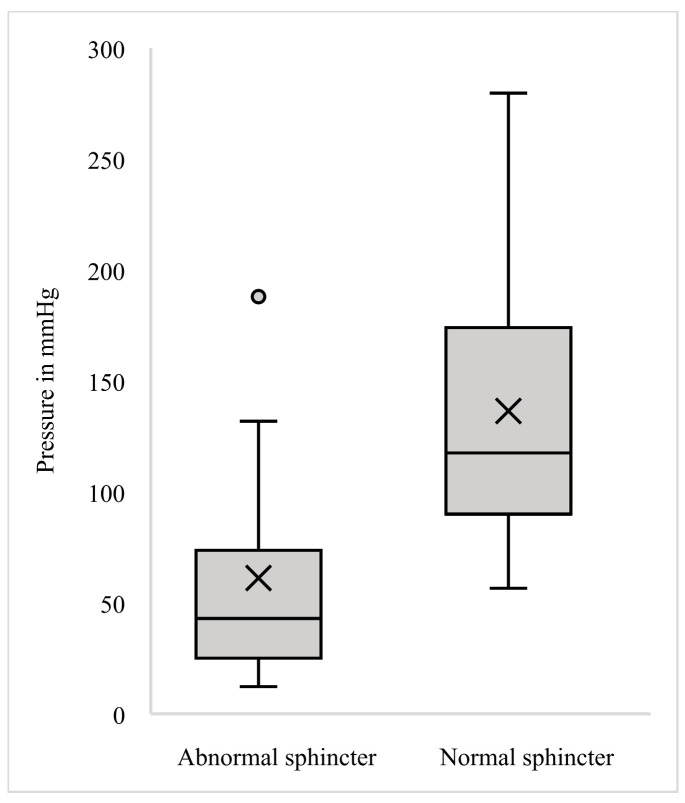 Figure 3
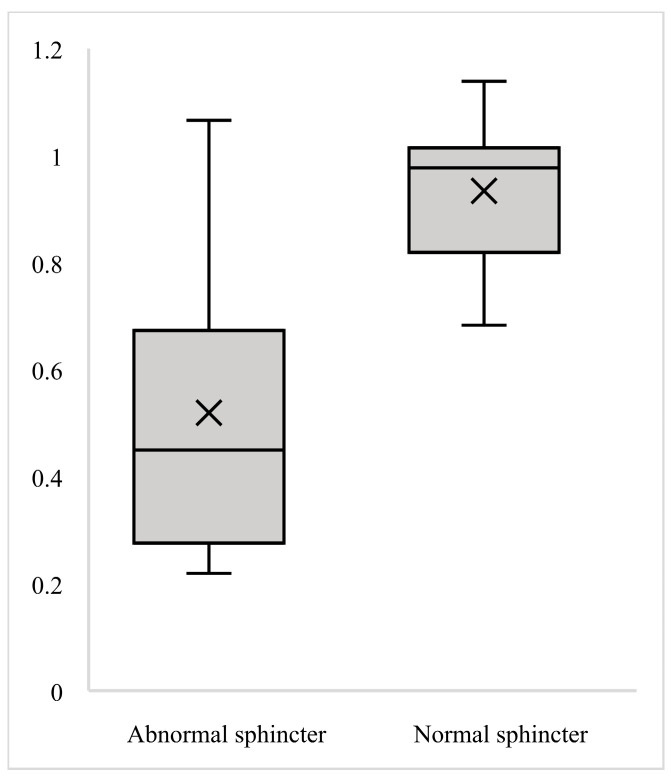 Figure 4
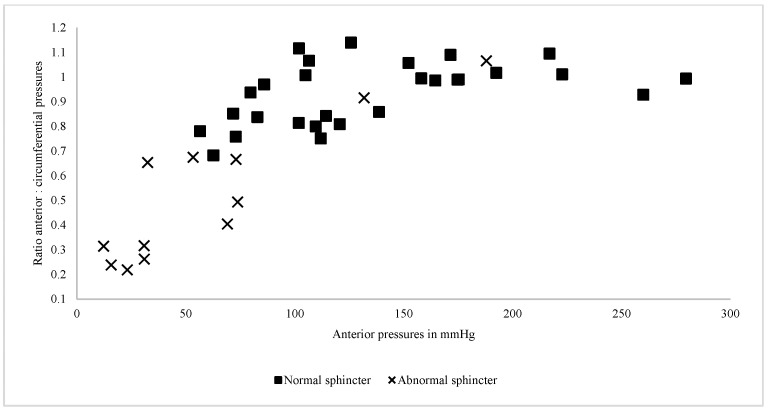 Figure 5
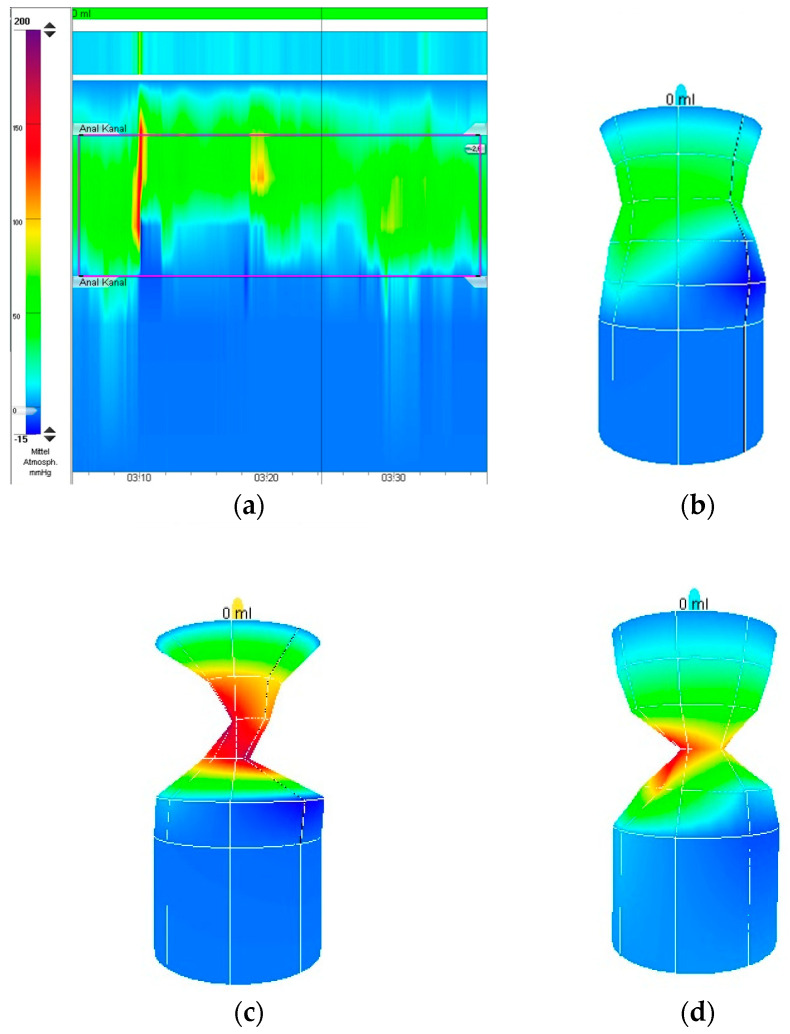 Figure 6
Peer Reviews
No public reviews on file for this paper yet. If you reviewed it on a platform where reviews are public (OpenReview, ICLR, NeurIPS, ICML), you can paste yours below so the community can read it here.
Videos
No videos yet. Explain this paper in a talk, walkthrough, or lecture? Add one.
Taxonomy
TopicsCongenital gastrointestinal and neural anomalies · Pelvic floor disorders treatments · Anorectal Disease Treatments and Outcomes