Ratiometric Fluorescent Probes Based on Isosteviol with Identification of Maleic Acid in Starchy Foods
Xinye Qian, Chunling Zheng, Fang Zhang

TL;DR
Researchers developed fluorescent probes based on isosteviol that can detect maleic acid in starchy foods with high selectivity and sensitivity.
Contribution
The first use of isosteviol to create ratiometric fluorescent probes for selective maleic acid detection.
Findings
Probes 4 and 5 showed distinct ratiometric fluorescence responses to maleic acid but not to fumaric acid.
Detection limits for maleic acid were 4.14 × 10⁻⁶ M and 1.88 × 10⁻⁶ M for probes 4 and 5, respectively.
The probes successfully detected maleic acid in starchy foods like potatoes, sweet potatoes, and corn.
Abstract
The rigid saddle-shaped framework of isosteviol provides a unique host–guest recognition cavity. For the first time, we have utilized isosteviol to construct fluorescent probes 4 and 5, achieving highly selective recognition of maleic acid and fumaric acid. The experimental results indicated that neither probe 4 nor probe 5 exhibited significant fluorescence changes when exposed to fumaric acid. However, both probes demonstrated distinct ratiometric fluorescence responses upon interaction with maleic acid. For maleic acid, probes 4 and 5 showed detection limits of 4.14 × 10⁻⁶ M and 1.88 × 10⁻⁶ M, respectively. Density functional theory (DFT) calculations and 1H NMR spectroscopy revealed that probes 4 and 5 formed stable intermolecular hydrogen bonds with maleic acid, contributing to the observed changes in fluorescence signals. Furthermore, maleic acid was successfully detected in…
Genes, proteins, chemicals, diseases, species, mutations and cell lines named across the full text — each resolved to its canonical identifier and authoritative record.
Click any figure to enlarge with its caption.
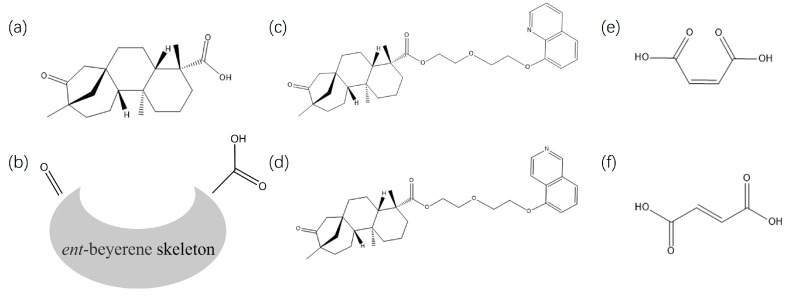 Figure 1
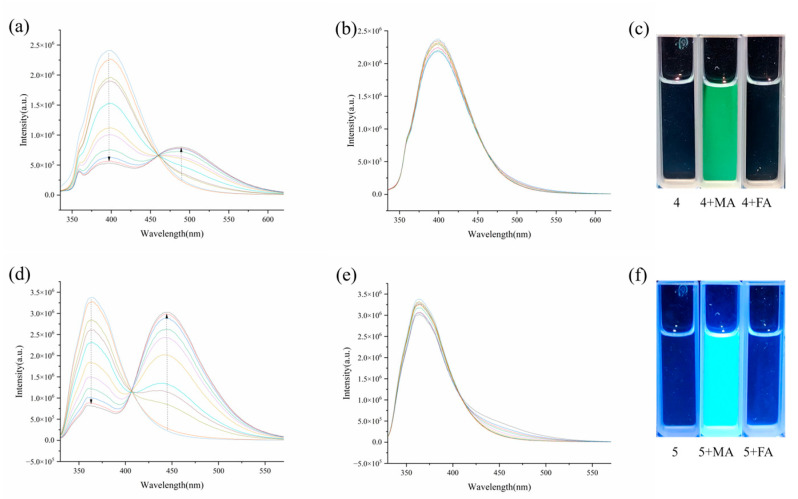 Figure 2
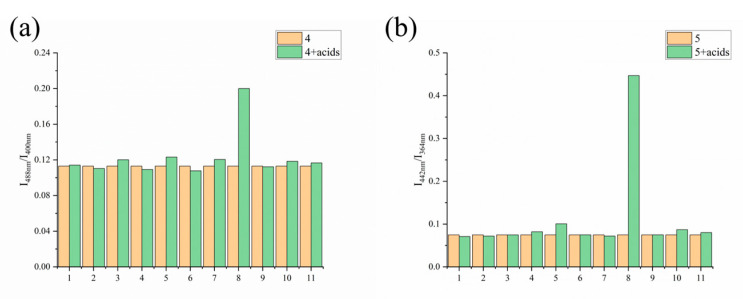 Figure 3
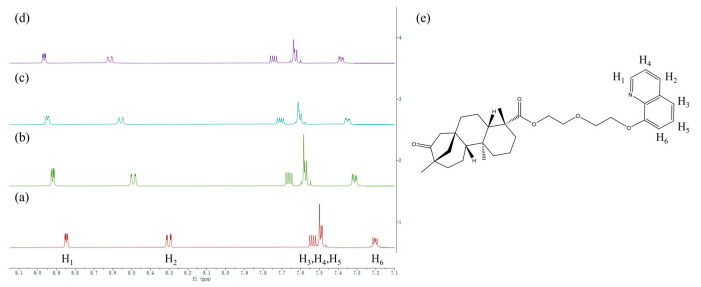 Figure 4
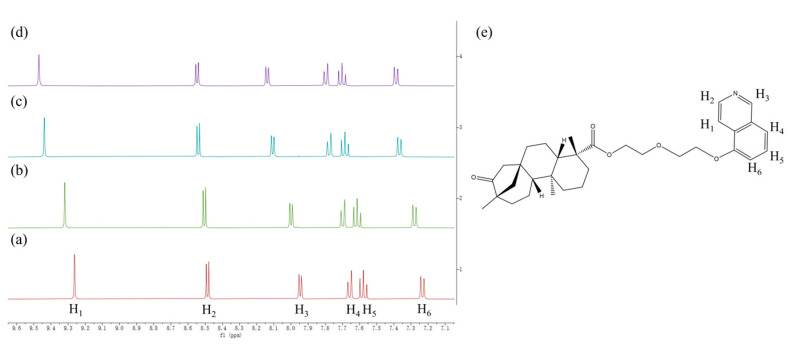 Figure 5
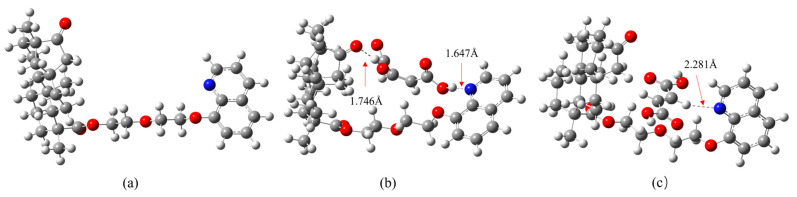 Figure 6
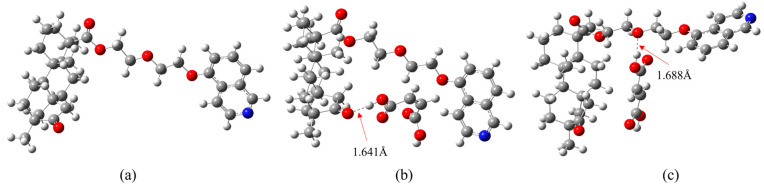 Figure 7
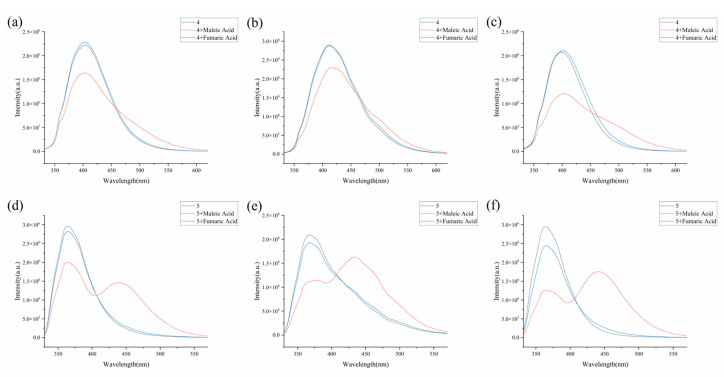 Figure 8
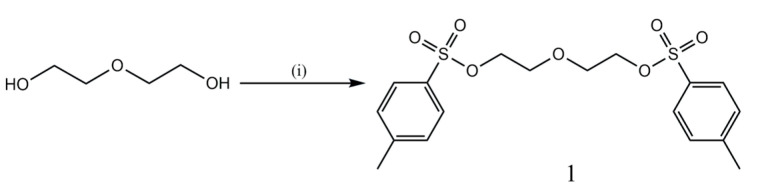 Figure 9
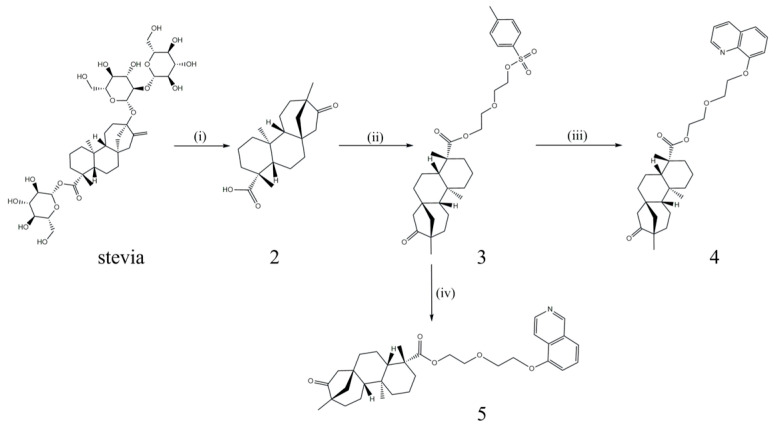 Figure 10
Peer Reviews
No public reviews on file for this paper yet. If you reviewed it on a platform where reviews are public (OpenReview, ICLR, NeurIPS, ICML), you can paste yours below so the community can read it here.
Videos
No videos yet. Explain this paper in a talk, walkthrough, or lecture? Add one.
Taxonomy
TopicsBiochemical Analysis and Sensing Techniques · Advanced Chemical Sensor Technologies · Molecular Sensors and Ion Detection