Transient Inflammation of Pancreatic Exocrine Tissue in Autoimmune Diabetes Follows Onset of Islet Damage and Utilizes Heparanase-1
Charmaine J. Simeonovic, Zuopeng Wu, Sarah K. Popp, Gerard F. Hoyne, Christopher R. Parish

TL;DR
Autoimmune diabetes causes temporary inflammation in the pancreas's exocrine tissue after islet damage begins, with Heparanase-1 playing a key role in this process.
Contribution
This study reveals the temporal relationship between exocrine and islet inflammation in autoimmune diabetes and the role of Heparanase-1 in both.
Findings
Exocrine inflammation follows islet damage and is transient, causing acinar tissue disruption.
Heparanase-1 facilitates autoimmune T cell entry into exocrine and islet tissues via basement membranes.
Exocrine injury is not essential for initiating islet damage or diabetes onset.
Abstract
Inflammation of the exocrine pancreas accompanies autoimmune diabetes in mouse models and humans. However, the relationship between inflammation in the exocrine and endocrine (islet) compartments has not been explored. To address this issue, we used a transgenic mouse model in which autoimmune diabetes is acutely induced after the transfer of islet beta cell-specific transgenic T cells. Histological analyses demonstrated that inflammation of the exocrine pancreas, which was initially mild, resulted in the transient but widespread disruption of acinar tissue. Islet inflammation preceded exacerbated exocrine pathology, progressed to T cell-induced islet damage/destruction and persisted when exocrine inflammation subsided. Heparanase-1 (HPSE-1), an endoglycosidase that degrades heparan sulfate in basement membranes (BMs), when preferentially expressed in recipient cells but not donor…
Genes, proteins, chemicals, diseases, species, mutations and cell lines named across the full text — each resolved to its canonical identifier and authoritative record.
Click any figure to enlarge with its caption.
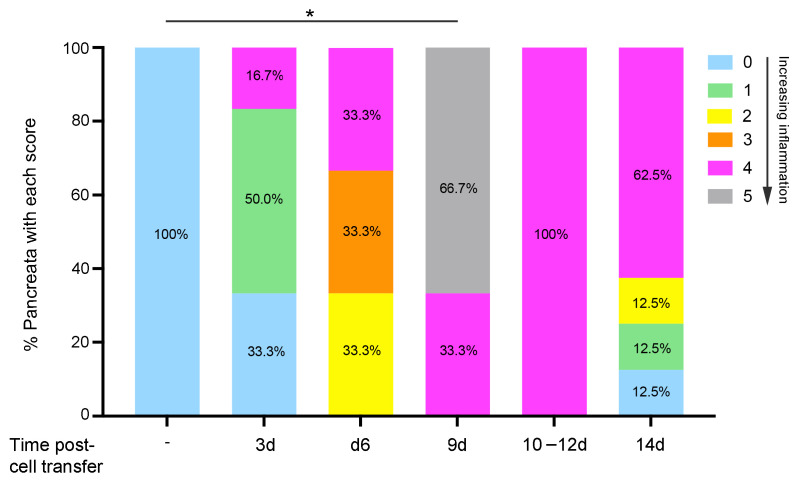 Figure 1
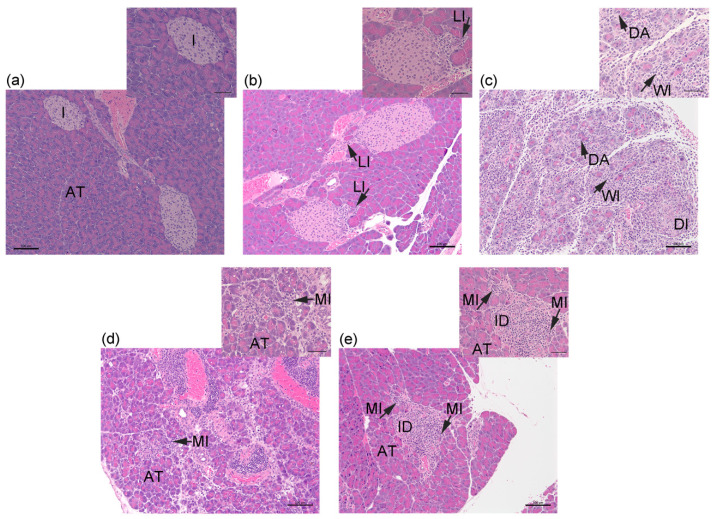 Figure 2
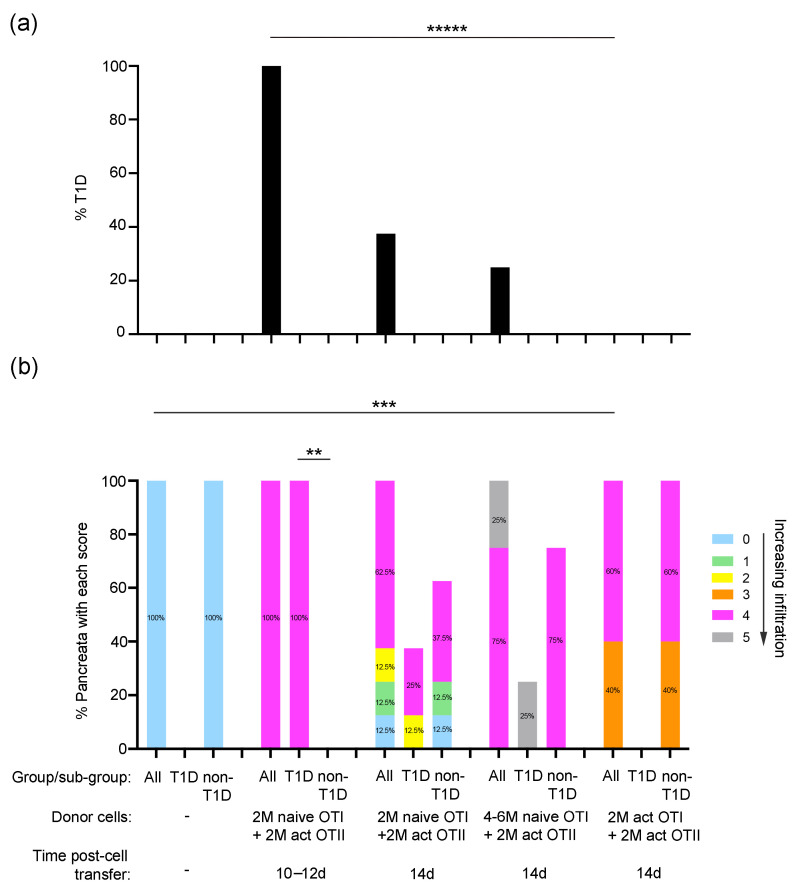 Figure 3
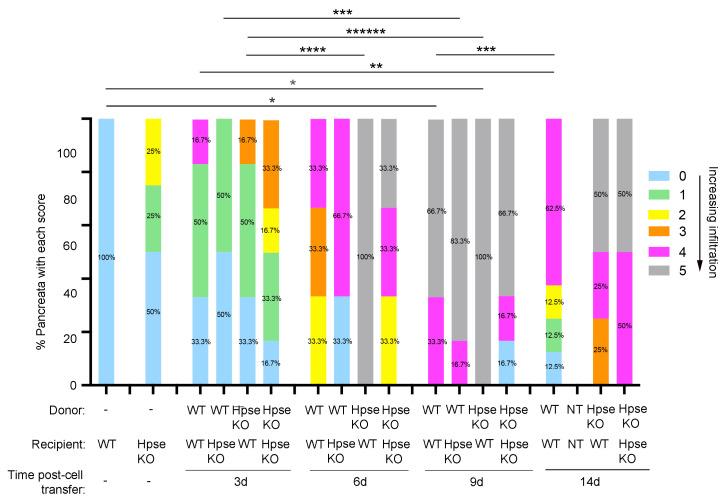 Figure 4
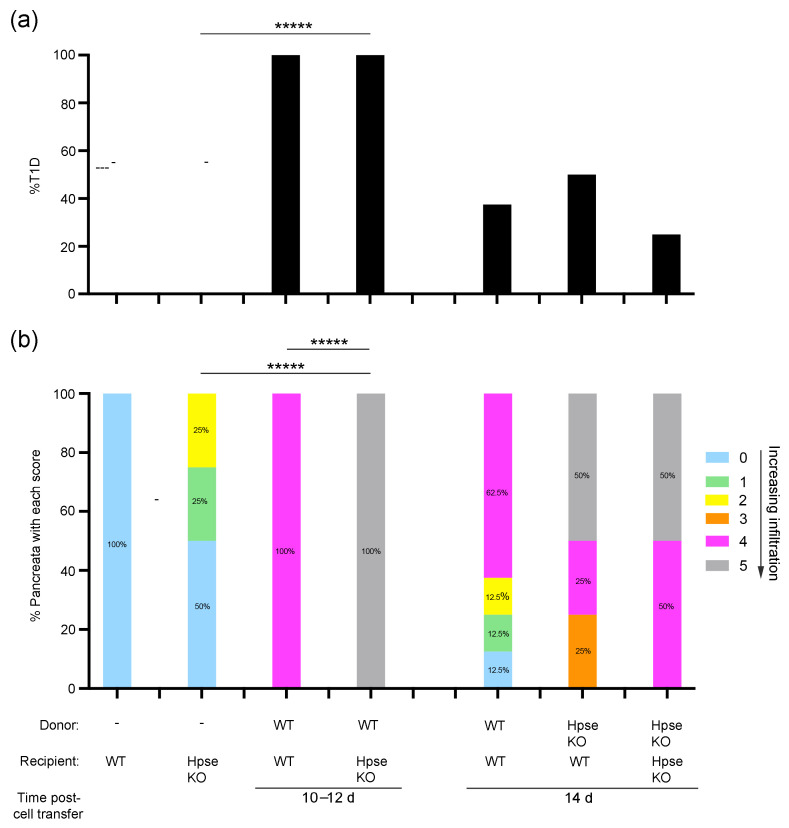 Figure 5
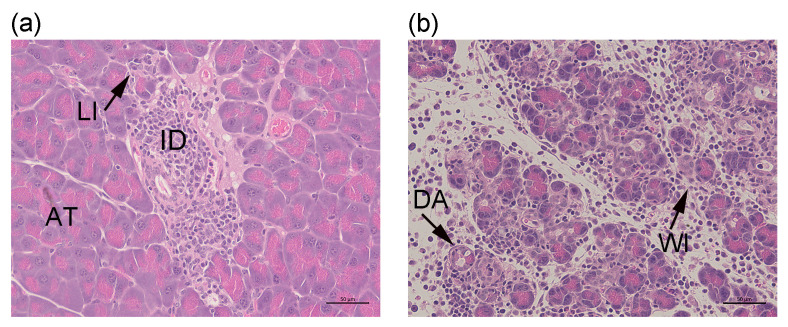 Figure 6
Peer Reviews
No public reviews on file for this paper yet. If you reviewed it on a platform where reviews are public (OpenReview, ICLR, NeurIPS, ICML), you can paste yours below so the community can read it here.
Videos
No videos yet. Explain this paper in a talk, walkthrough, or lecture? Add one.
Taxonomy
TopicsPancreatic function and diabetes · Diabetes and associated disorders · Proteoglycans and glycosaminoglycans research