Comparative Analysis of Polyphenolic Acids from Various Zea mays Parts in Ultrasound-Assisted Extraction
David Řepka, Lubomír Lapčík

TL;DR
This study compares ultrasound-assisted extraction of polyphenolic acids from different parts of Zea mays to find the richest sources and optimal conditions.
Contribution
The study identifies corn silk as the richest source of polyphenolic acids and shows that lower ultrasound power can reduce energy use without affecting yield.
Findings
Corn silk showed the highest radical scavenging activity (80.06%) among Zea mays parts.
Up to 22 phenolic acids were identified, with chlorogenic acid and quercetin being the most abundant.
Ultrasound power and frequency had minimal impact on extraction efficiency, suggesting energy savings at industrial scale.
Abstract
In this study, we compared different parameters in the ultrasound-assisted extraction of polyphenolic acids from seven parts of Zea mays (kernels, leaves, stems, corn silks, roots, the whole plant, and the whole fermented plant) to identify its richest natural sources. Additionally, the correlation between extraction parameters and polyphenol yield was investigated. The extraction was performed using ultrasound at varying powers (480 or 240 W) and frequencies (80 or 37 kHz). Total phenolic content (TPC) was determined using the Folin–Ciocalteu assay, while radical scavenging activity (RSA) was assessed via the DPPH assay. The TPC values ranged from 0.69 ± 0.00008 mg GAE/g to 4.07 ± 0.0004 mg GAE/g in corn. RSA analysis revealed the highest scavenging activity in corn silk (80.06% ± 1.01) and the lowest in kernels (2.77% ± 0.90). High-performance liquid chromatography identified up to 22…
Genes, proteins, chemicals, diseases, species, mutations and cell lines named across the full text — each resolved to its canonical identifier and authoritative record.
Click any figure to enlarge with its caption.
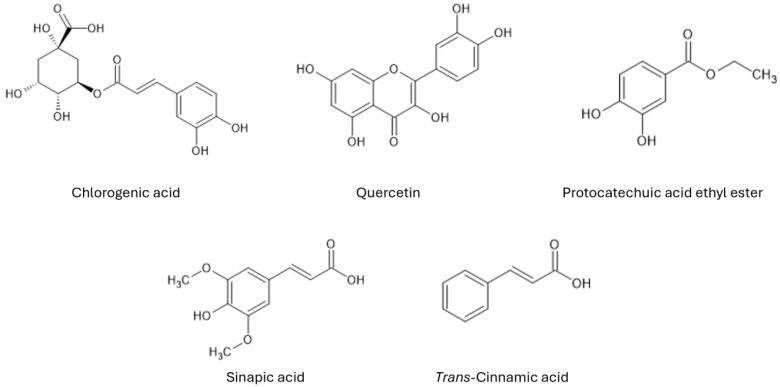 Figure 1
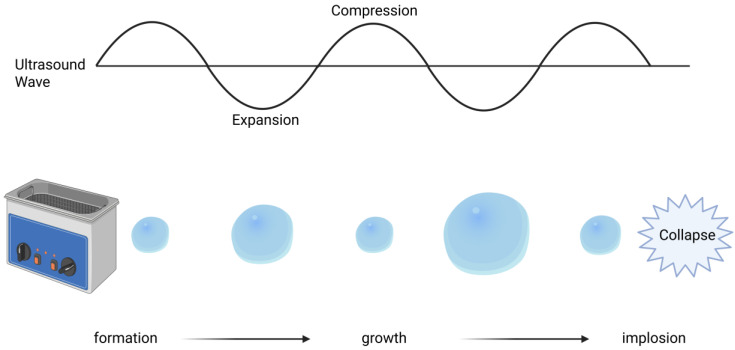 Figure 2
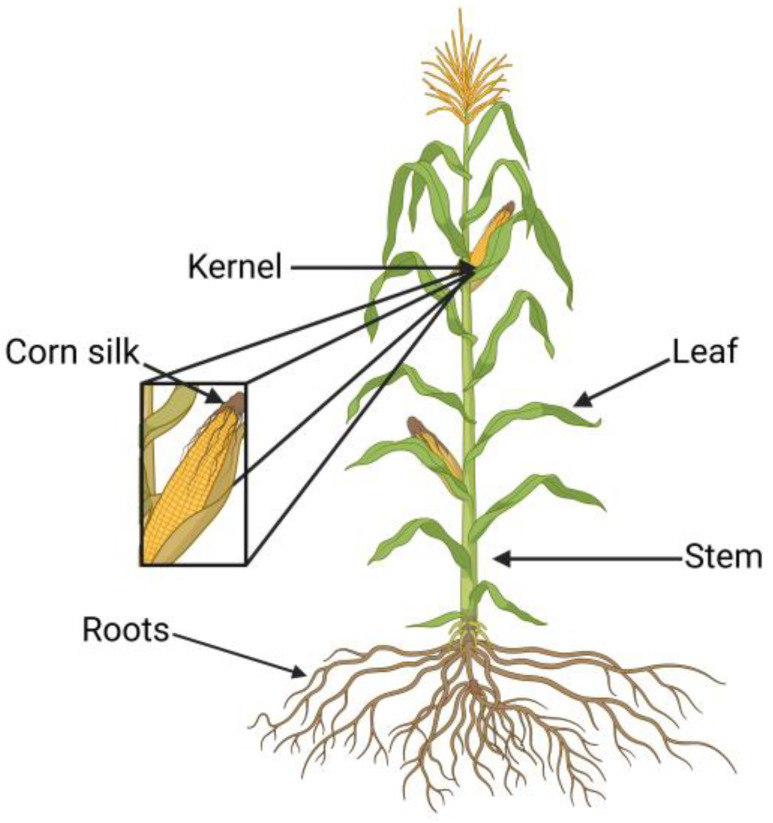 Figure 3
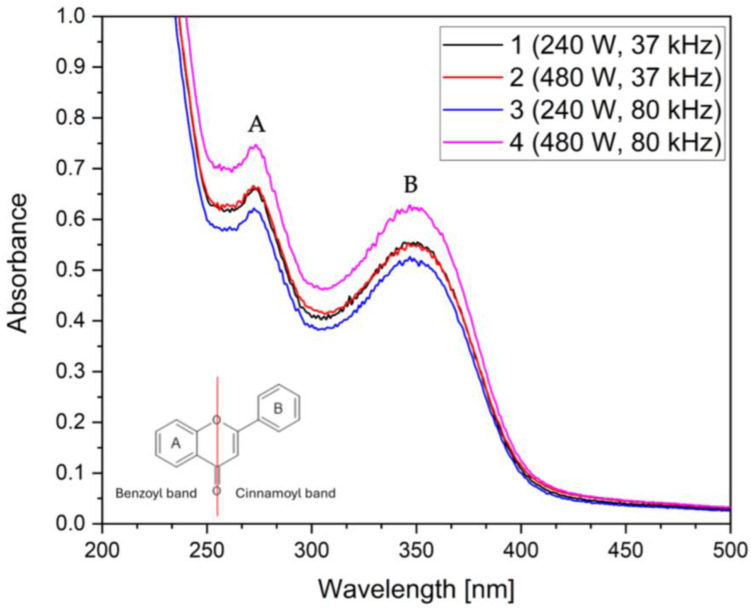 Figure 4
 Figure 5
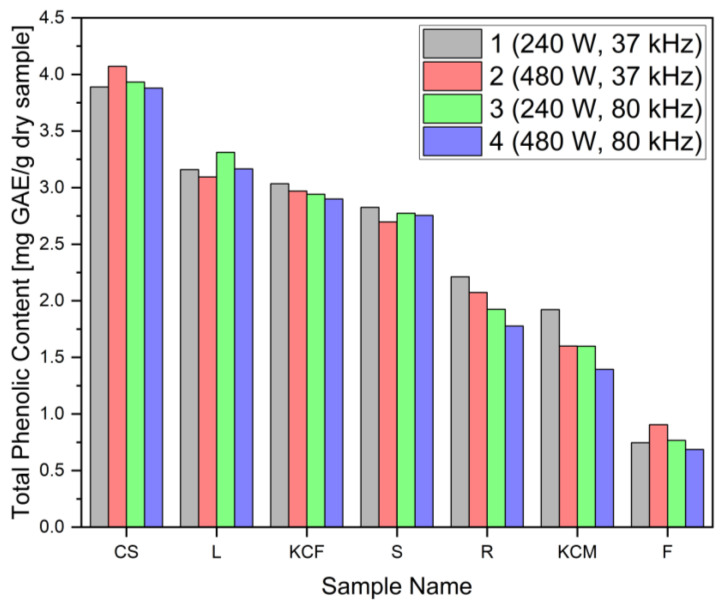 Figure 6
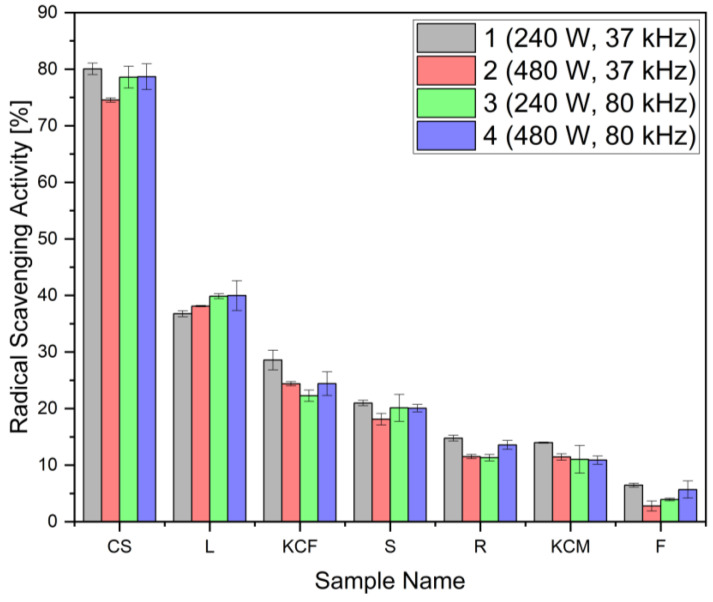 Figure 7
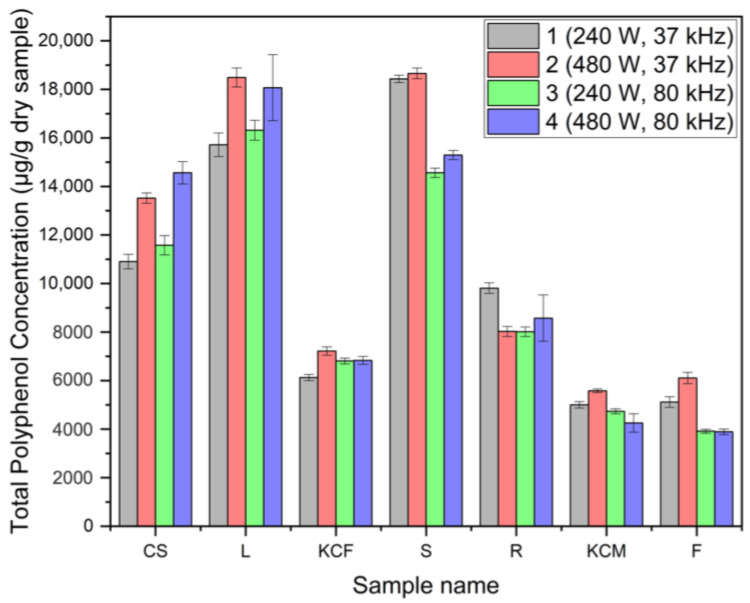 Figure 8
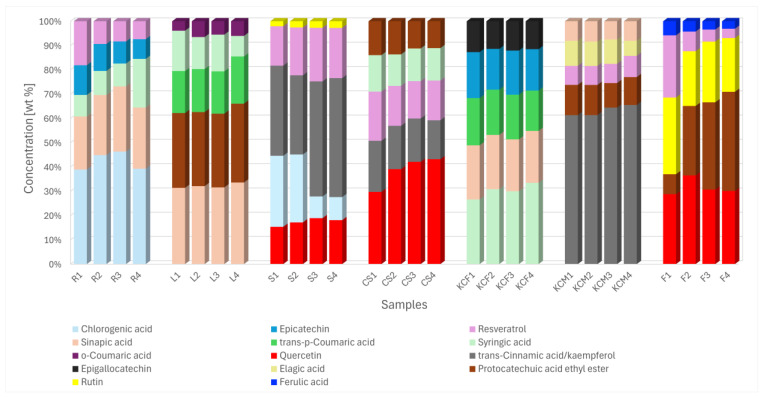 Figure 9
Peer Reviews
No public reviews on file for this paper yet. If you reviewed it on a platform where reviews are public (OpenReview, ICLR, NeurIPS, ICML), you can paste yours below so the community can read it here.
Videos
No videos yet. Explain this paper in a talk, walkthrough, or lecture? Add one.
Taxonomy
TopicsPhytochemicals and Antioxidant Activities · Bioactive Compounds in Plants · Curcumin's Biomedical Applications