A Comprehensive Study on the Development of an Isotonic Sports Drink Preserved by UV-C Light Assisted by Mild Heat and Loaded with Yerba Mate (Ilex paraguariensis St. Hill.) Extract
María Luz Kozono, Magdalena Durán Cassiet, Antonella Andreone, Marcela L. Schenk, Sandra N. Guerrero

TL;DR
This study developed a new isotonic sports drink preserved with UV-C light and mild heat, enhanced with yerba mate extract, which showed good stability and consumer acceptance.
Contribution
The novel contribution is the combination of UV-C light with mild heat and yerba mate extract to preserve and enhance an isotonic sports drink.
Findings
UV-C light with mild heat significantly inactivated harmful microbes like Alicyclobacillus acidoterrestris and native microbiota.
Yerba mate extract increased polyphenols, flavonoids, and antioxidant activity in the drink.
The drink maintained acceptable sensory qualities and met safety thresholds during storage.
Abstract
A unique isotonic sports drink (ISD) was created in this study using a pilot-scale short-wave ultraviolet light (UV-C, 892 mJ/cm2, 20 °C) assisted by mild heat (UV-C/H, 534 mJ/cm2, 50 °C), which was followed by the addition of yerba mate (Ilex paraguariensis) extract (YME). Consumer perception and microbiological and physicochemical stability during refrigerated storage (4 °C/23 d) were assessed for the ISD. Alicyclobacillus acidoterrestris (AA) spores and cocktails of yeasts and Escherichia coli were considerably inactivated by UV-C/H. The TEM and SEM micrographs showed that AA evidenced sustained severe structural damage. Furthermore, UV-C/H completely inactivated the native microbiota, while YME incorporation increased the initial aerobic mesophilic and mold-and-yeast populations by 0.48 and 0.70 log cycles, remaining stable during storage. YME addition enhanced total polyphenols,…
Genes, proteins, chemicals, diseases, species, mutations and cell lines named across the full text — each resolved to its canonical identifier and authoritative record.
Click any figure to enlarge with its caption.
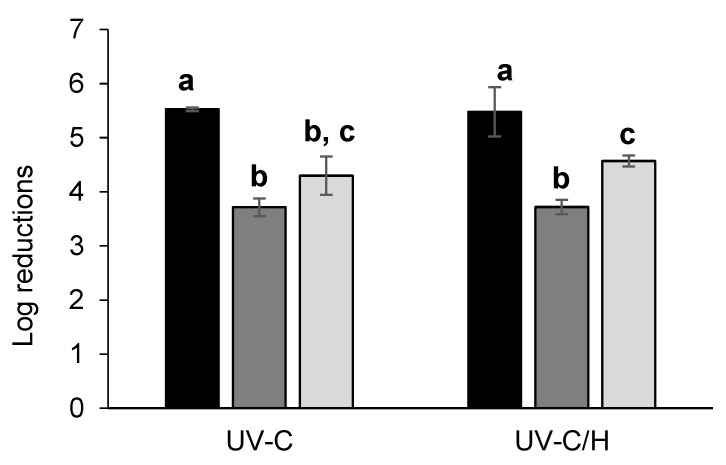 Figure 1
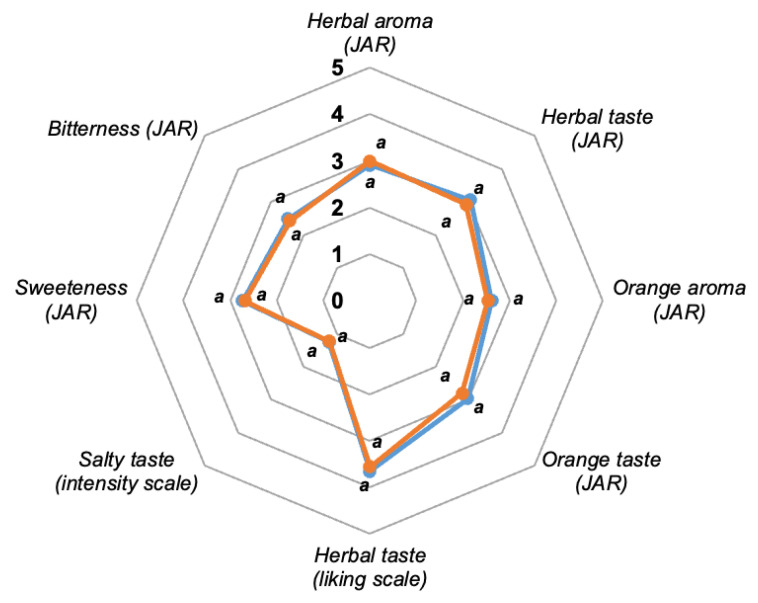 Figure 2
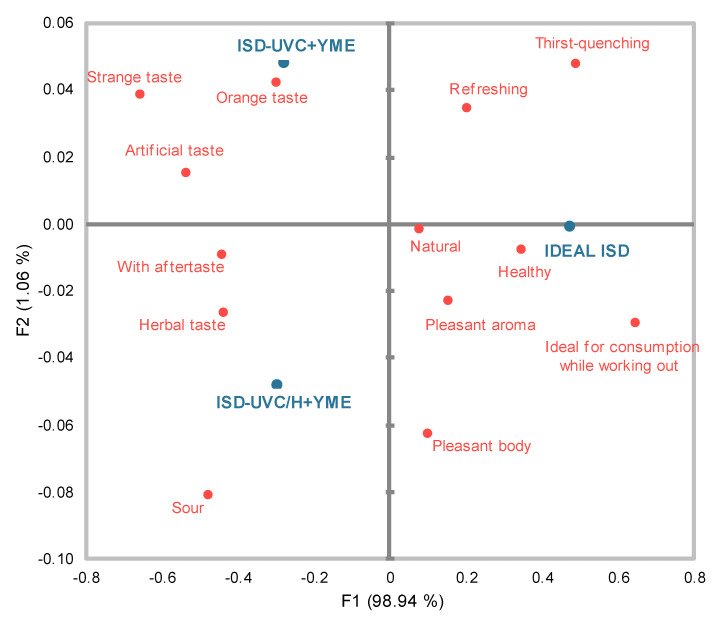 Figure 3
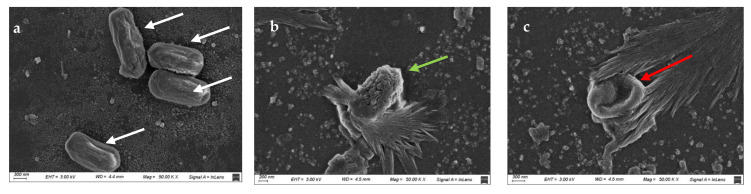 Figure 4
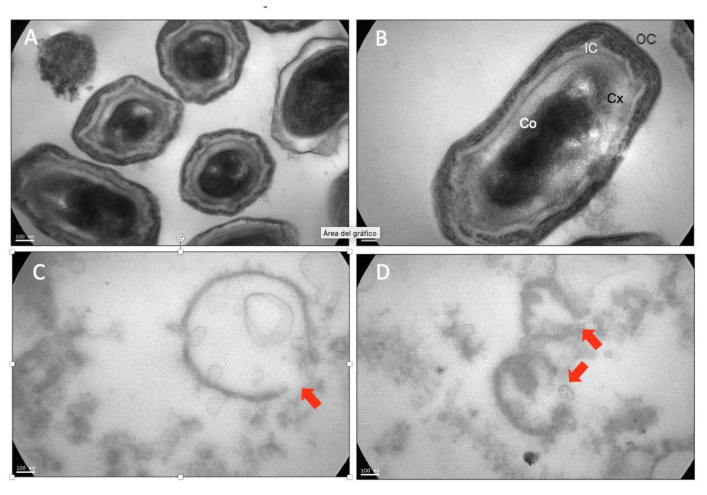 Figure 5
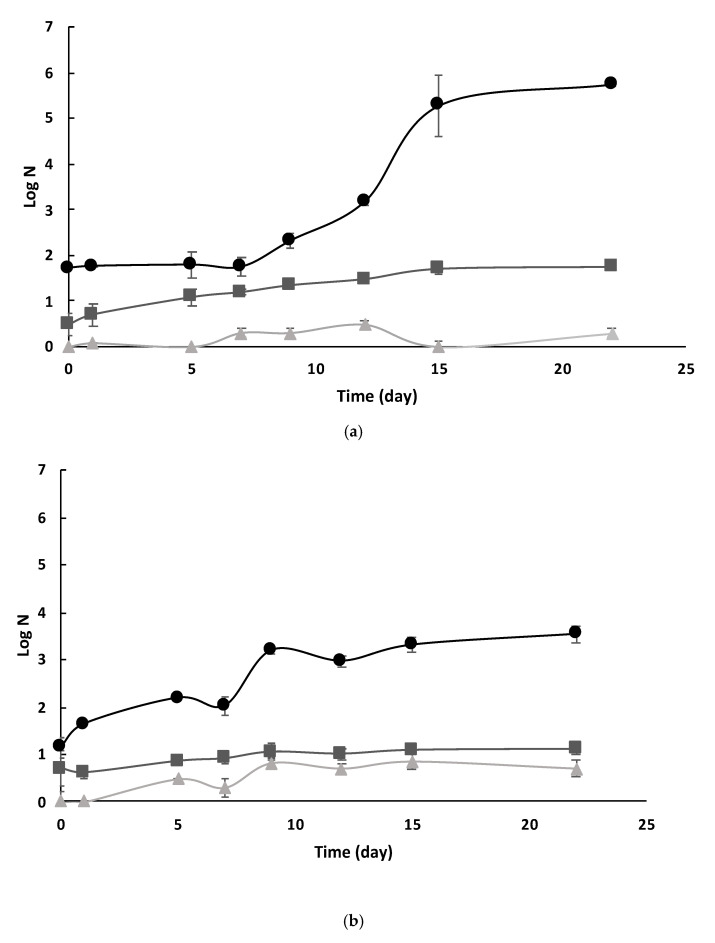 Figure 6
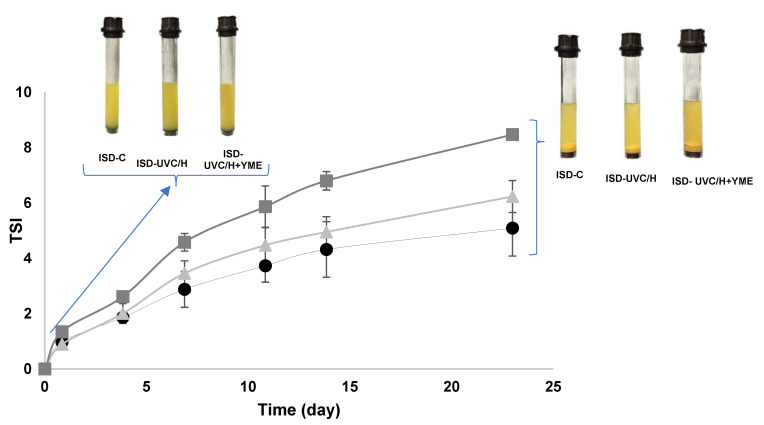 Figure 7
 Figure 8
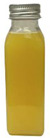 Figure 9
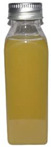 Figure 10
Peer Reviews
No public reviews on file for this paper yet. If you reviewed it on a platform where reviews are public (OpenReview, ICLR, NeurIPS, ICML), you can paste yours below so the community can read it here.
Videos
No videos yet. Explain this paper in a talk, walkthrough, or lecture? Add one.
Taxonomy
TopicsHeavy Metals in Plants · Sensory Analysis and Statistical Methods · Bee Products Chemical Analysis