Novel Injection Technique of Botulinum Toxin to Reduce Facial Rhytids, a Cadaver Study
Lamvy Le, Heidi Johng, Allen Van Beek

TL;DR
A new injection technique for botulinum toxin is introduced to reduce facial wrinkles with fewer injection sites, using cadaver studies to support its anatomical basis.
Contribution
A novel tunneling injection technique for botulinum toxin is introduced to reduce injection sites and patient discomfort.
Findings
The tunneling technique reduces injection sites and patient discomfort while maintaining efficacy.
Anatomical studies using cadavers revealed septa connecting skin to facial muscles, supporting the technique's effectiveness.
Dosage requirements correlate with muscle thickness measured in cadaver specimens.
Abstract
The injection of botulinum toxin is a widely performed non-invasive procedure for aesthetics of the face. Common areas to target are rhytids in the forehead, glabella, lips and crow’s feet. Using conventional methods, treatment of each area requires an average of three to five injection sites per target area. Here, we introduce and describe a novel technique for the injection of botulinum toxin to reduce the number of injection sites per treatment area, thereby reducing patient discomfort, ecchymosis and improving the patient-physician experience. To help illustrate the anatomical basis for the efficacy of this technique, we present histologic studies obtained from a fresh cadaver to further examine the anatomy between the skin and underlying facial muscles of the forehead and periorbita. All patients have the areas of maximal animation determined and marked with an eyeliner pen.…
Genes, proteins, chemicals, diseases, species, mutations and cell lines named across the full text — each resolved to its canonical identifier and authoritative record.
Click any figure to enlarge with its caption.
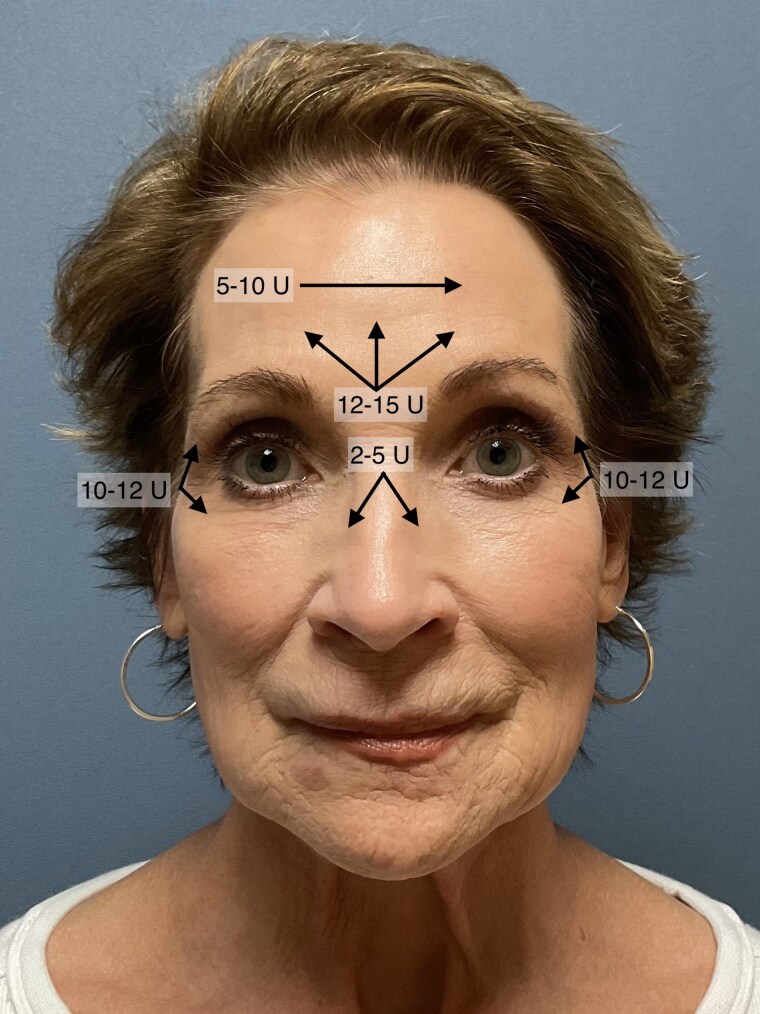 Figure 1
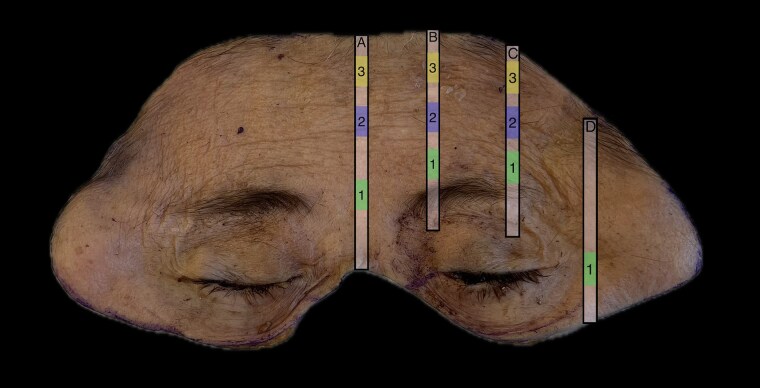 Figure 2
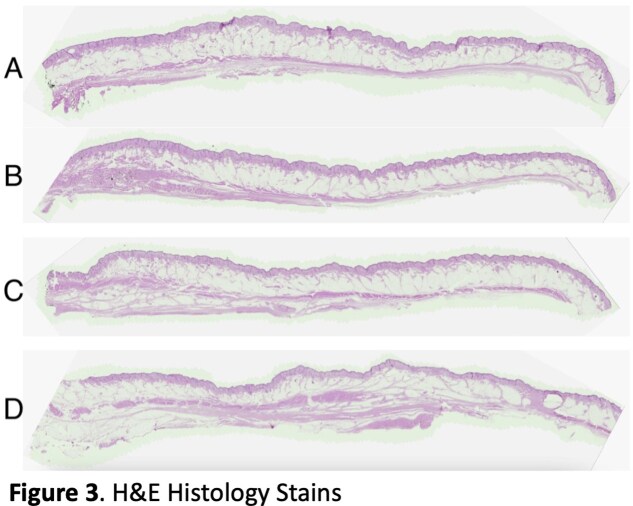 Figure 3
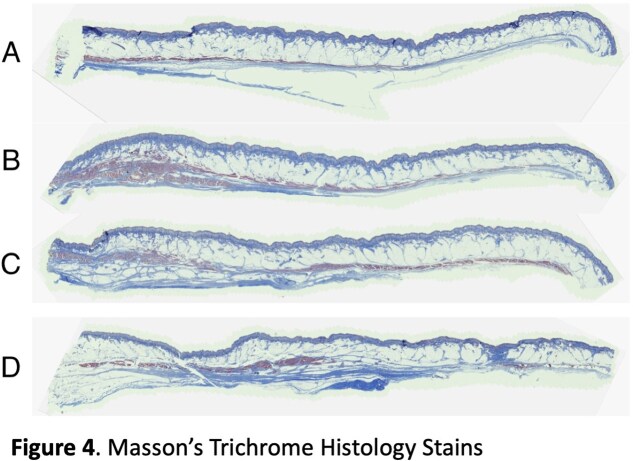 Figure 4
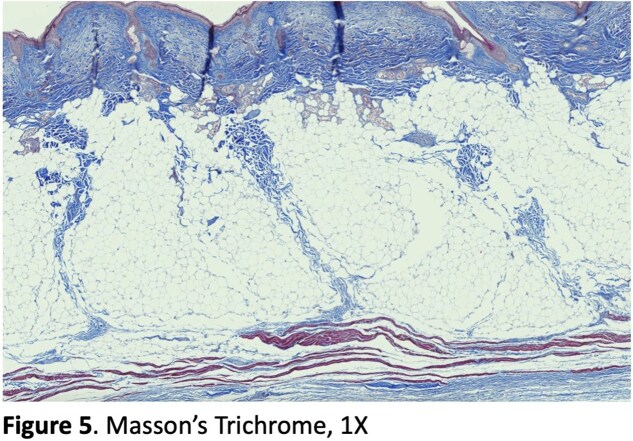 Figure 5
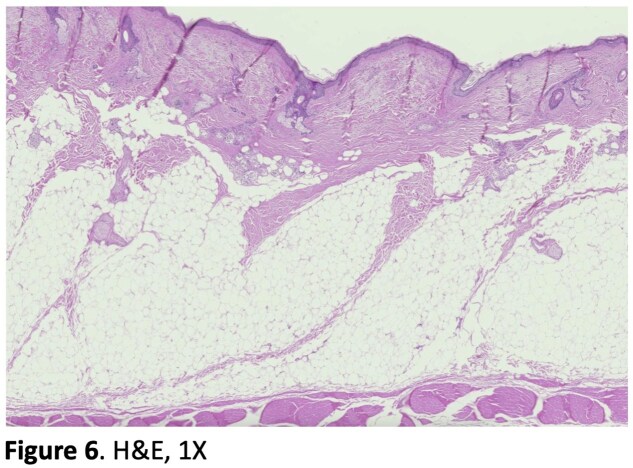 Figure 6
 Figure 7
 Figure 8
Peer Reviews
No public reviews on file for this paper yet. If you reviewed it on a platform where reviews are public (OpenReview, ICLR, NeurIPS, ICML), you can paste yours below so the community can read it here.
Videos
No videos yet. Explain this paper in a talk, walkthrough, or lecture? Add one.
Taxonomy
TopicsBotulinum Toxin and Related Neurological Disorders · Facial Rejuvenation and Surgery Techniques · Facial Nerve Paralysis Treatment and Research