Characterization of the Active Ingredients and Prediction of the Potential Anticolitis Mechanism of the Feng-Liao-Chang-Wei-Kang Capsule via Mass Spectrometry and Network Pharmacology
Tingting Liu, Zhijiang He, Witiao Lv, Liyun Deng, Xizhe Sun, Yanfei Chen

TL;DR
This study identifies active ingredients in the FLCWK capsule and predicts how they may help treat colitis through specific biological pathways.
Contribution
The study combines mass spectrometry and network pharmacology to characterize active anticolitis ingredients in a traditional Chinese medicine capsule.
Findings
115 components were identified in the FLCWK capsule using UPLC-Q-Exactive Orbitrap MS.
46 compounds with good bioavailability were selected as active ingredients, including 4′,5-dihydroxyflavone and apigenin.
Active ingredients may target 352 proteins, modulating pathways like MAPK and PI3K-Akt to reduce inflammation in colitis.
Abstract
The Feng-Liao-Chang-Wei-Kang (FLCWK) capsule is a nationally protected Chinese patent medicine for the treatment of colitis. However, the potential active components and the pharmacological mechanism underlying the anticolitis effect of the FLCWK capsule remain unclear. This study aimed to reveal the active ingredients and possible anticolitis mechanism of the FLCWK capsule using an integrated approach combining mass spectrometry and network pharmacology analysis. Ultra-performance liquid chromatography plus Q-Exactive Orbitrap tandem mass spectrometry (UPLC-Q-Exactive Orbitrap MS) was applied to identify the components of the FLCWK capsule. A network pharmacology study, including target gene prediction and functional enrichment, was applied to screen the active ingredients of the FLCWK capsule and explore its potential mechanism for the treatment of colitis. A total of 115 components…
Genes, proteins, chemicals, diseases, species, mutations and cell lines named across the full text — each resolved to its canonical identifier and authoritative record.
Click any figure to enlarge with its caption.
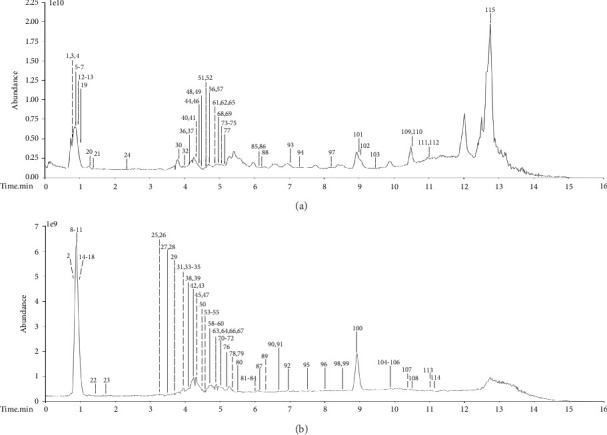 Figure 1
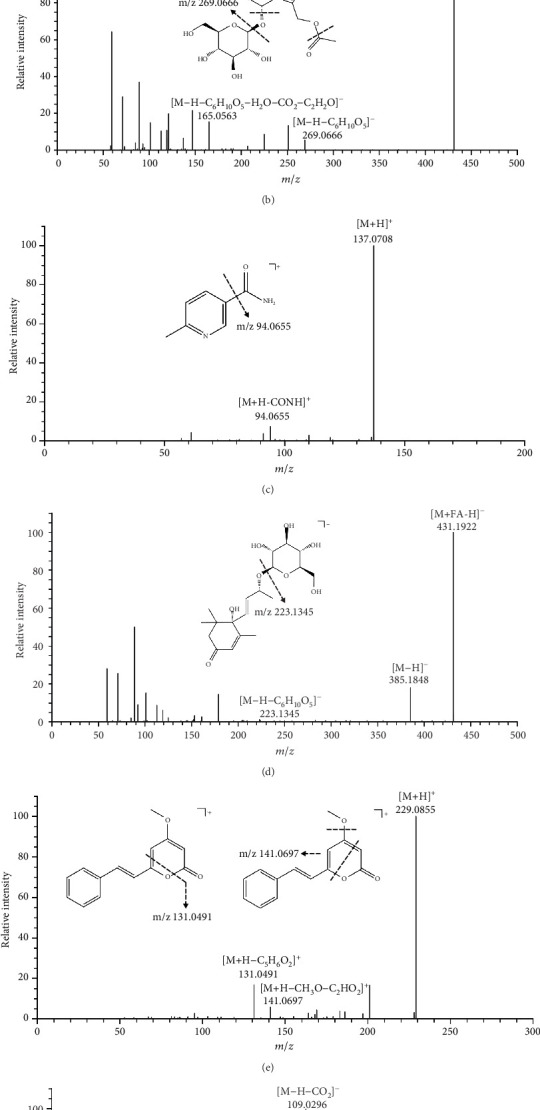 Figure 2
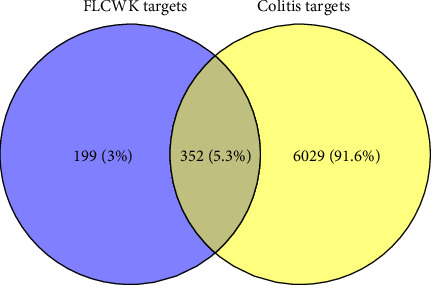 Figure 3
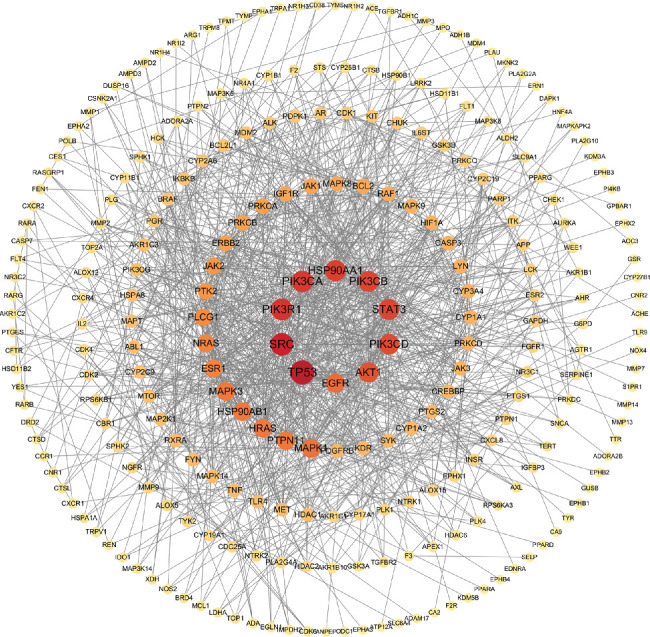 Figure 4
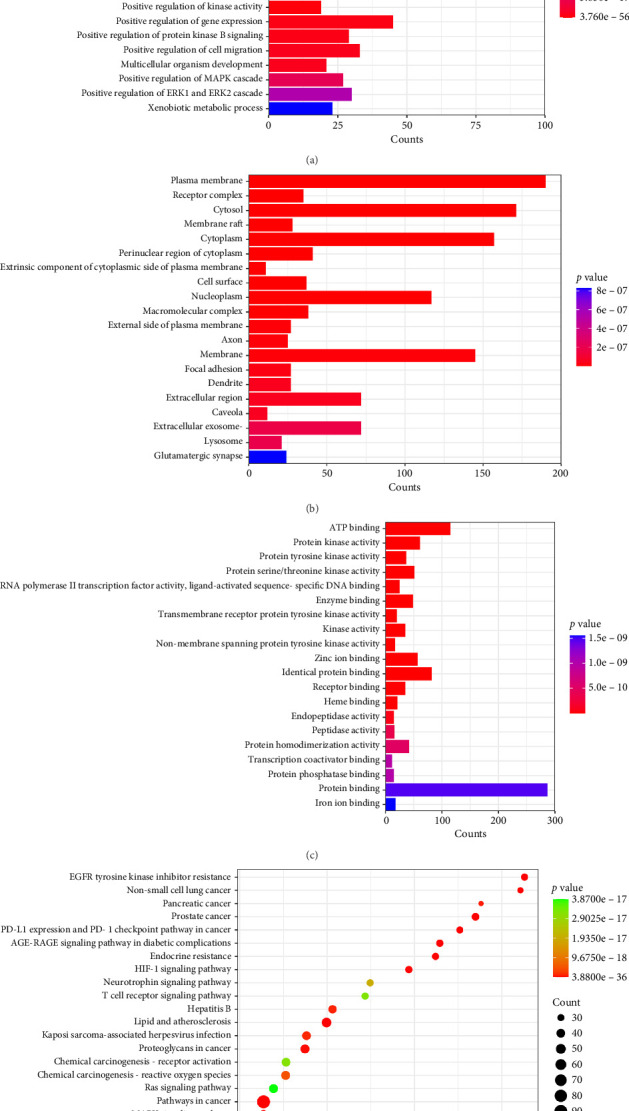 Figure 5
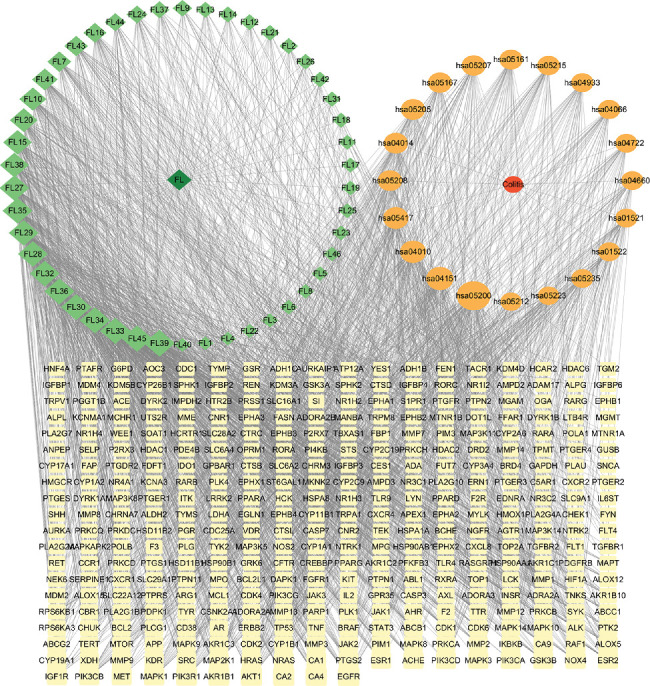 Figure 6
- —Natural Science Foundation of Hainan Province
- —National Natural Science Foundation of China
- —Hainan Medical University
- —Education Department of Hainan Province
Peer Reviews
No public reviews on file for this paper yet. If you reviewed it on a platform where reviews are public (OpenReview, ICLR, NeurIPS, ICML), you can paste yours below so the community can read it here.
Videos
No videos yet. Explain this paper in a talk, walkthrough, or lecture? Add one.
Taxonomy
TopicsPharmacological Effects of Natural Compounds · Natural product bioactivities and synthesis · Traditional Chinese Medicine Analysis
1. Introduction
Colitis, an inflammatory bowel disease (IBD), is characterized by mucosal epithelial damage and disruption of intestinal homeostasis [1]. The clinical manifestations of colitis include bellyache, diarrhea, and bloody stool, which seriously compromise the life quality of patients [2]. Current therapeutic strategies primarily rely on aminosalicylic acid derivatives, immunosuppressive steroids, and biological agents [3]. However, the long-term administration of these medications is limited by drug resistance and toxicity, underscoring the need for safer and more effective complementary and adjuvant therapies [4]. Traditional Chinese herbal medicine has shown promise in colitis management, particularly the Feng-Liao-Chang-Wei-Kang (FLCWK) capsule, a nationally protected Chinese patent medicine (protection number: ZYB2072004057) [5–8]. The FLCWK capsule containing Daphniphyllum calycinum Benth. and Polygonum hydropiper Linn. has emerged as a particularly noteworthy therapeutic agent for colitis treatment [7, 8]. In clinical practice, the FLCWK capsule is commonly administered with mesalazine, with clinical studies demonstrating its capacity to enhance therapeutic outcomes [6, 9]. For example, a clinical study involving 120 patients with chronic colitis demonstrated that combination therapy with mesalazine and FLCWK significantly improved clinical outcomes compared to mesalazine monotherapy. The combination group exhibited superior clinical efficacy (p < 0.05), significantly reduced inflammatory markers (IL-6, CRP, TNF-α; p < 0.001), decreased mucosal lesions (p < 0.001), and enhanced quality of life (p < 0.001) [6]. Similarly, a study by Hou and Gan involving 52 patients with recurrent ulcerative colitis revealed that the combination of mesalazine and FLCWK resulted in a higher total effective rate (92.31% vs. 69.23%, p < 0.05) compared to mesalazine alone [9]. However, the potential active components and the pharmacological mechanism underlying the anticolitis effect of the FLCWK capsule remain unclear.
Orbitrap mass spectrometry (MS) is a powerful analytical platform for characterizing complex chemical compositions in Chinese herbal medicines, offering high sensitivity, resolution, and a broad dynamic range [10, 11]. Its ability to analyze MS^n^ fragments enables precise structural elucidation of compounds, making it ideal for investigating the chemical profile of the FLCWK capsule [12, 13]. Network pharmacology is well-suited for studying Chinese medicine due to its multicomponent, multitarget, and multipathway nature [10, 14–16]. It has been widely used to investigate interactions between herbal compounds and disease mechanisms, providing a robust framework for predicting the FLCWK capsule's active components and anticolitis mechanisms [17–19].
In conclusion, in this study, the chemical constituents of the FLCWK capsule were analyzed efficiently and accurately by using ultra-performance liquid chromatography plus Q-Exactive Orbitrap tandem mass spectrometry (UPLC-Q-Exactive Orbitrap MS). Then, network pharmacology was employed to illustrate the potential active components and anticolitis mechanisms of the FLCWK capsule. The obtained results could be helpful to build up reliable information on the clinical application of FLCWK capsules in the treatment of colitis.
2. Materials and Methods
2.1. Reagents and Materials
The FLCWK capsule (0.37 g per capsule, lot number: 221103) was produced by Haikou Qili Pharmacy Co., Ltd. (Haikou, China). The 99 reference compounds of the FLCWK capsule were purchased from Chemexpress Co., Ltd. (Shanghai, China) and Sigma-Aldrich (St. Louis, MO, USA). The purity of all standard compounds was determined to be higher than 98%. The name, molecular formula, batch number, and company of each reference compound are shown in Table S1. Acetonitrile, methanol, and formic acid were HPLC grade and purchased from Thermo Fisher Scientific (Fair Lawn, NJ, USA).
2.2. Analysis of the FLCWK Capsule Chemical Components
2.2.1. Preparation of the Sample Solution
Precisely 0.4 g of FLCWK capsule contents were weighed and transferred into a 50-mL volumetric flask. Subsequently, 40 mL of 80% methanol was added, followed by ultrasonication for 20 min. After cooling to ambient temperature, the solution was brought to volume with 80% methanol and homogenized by thorough mixing. A 2-mL aliquot of this solution was then quantitatively transferred and diluted to 10 mL with 80% methanol. The diluted solution was filtered through a 0.22-μm microporous membrane. For final preparation, 1 mL of the filtrate was mixed with an equivalent volume of 80% methanol to obtain the test sample solution. The prepared sample (5 μL) was subsequently injected into the UPLC-Q-Exactive Orbitrap system for analysis.
2.2.2. UPLC-Q-Exactive Orbitrap MS Conditions
UPLC analysis was carried out on an ACQUITY UPLC I-Class plus system (Waters Co., Milford, MA, USA). The separation was performed on an ACQUITY UPLC HSS T3 column (100 × 2.1 mm, 1.8 μm) maintaining a flow rate of 0.35 mL/min at 45°C with a 5-μL injection volume. The mobile phase consisted of A (water with 0.1% formic acid) and B (acetonitrile), with the following elution gradient program: 0.0 min A:B (95:5) ⟶ 2.0 min A:B (95:5) ⟶ 4.0 min A:B (70:30) ⟶ 8.0 min A:B (50:50) ⟶ 10.0 min A:B (20:80) ⟶ 14.0 min A:B (0:100) ⟶ 15.0 min A:B (0:100) ⟶ 15.1 min A: B (95:5) ⟶ 16.0 min A:B (95:5).
MS analysis was performed on a Q-Exactive Orbitrap MS (Thermo Fisher Scientific, Fair Lawn, NJ, USA) connected to an electrospray ionization (ESI) source operating in both positive and negative modes. The mass range was 100–1200 m/z, the nitrogen sheath gas flow rate was 35 Arb, the auxiliary gas was 8 Arb, the capillary temperature was 320°C, and the spray voltage in the positive and negative mode was 3800 and −3000 V, respectively.
2.2.3. Compound Identification
The raw data were acquired using the Xcalibur 4.1 software (Thermo Fisher Scientific, Fair Lawn, NJ, USA), and all obtained data were processed by the Compound Discoverer (CD) 3.0 (Thermo Fisher Scientific, Fair Lawn, NJ, USA) and Xcalibur 4.1 software packages. The compounds were identified by comparing the chromatographic feature, empirical molecular formulas, and characteristic fragment ions with those of reference compounds or published known compounds in the HERB database (https://herb.ac.cn/).
2.3. Network Pharmacology
2.3.1. Screening of Active Ingredients and Potential Targets of the FLCWK Capsule
The absorption, distribution, metabolism, excretion, and toxicity (ADMET) profiling of the identified components from the FLCWK capsule was estimated using the SwissADME online server (https://www.swissadme.ch/) [20]. The screening of the active ingredients was based on the following characteristics: (i) gastrointestinal absorption (GI absorption) was “High,” indicating good oral bioavailability and absorption of the ingredient; (ii) at least two of the five categories (Lipinski, Ghose, Veber, Egan, and Muegge) were set to “Yes”, indicating that the compound has good drug-like properties [20, 21]. Although some of the ingredients did not satisfy the above criteria, they were still included if their good pharmacological properties were confirmed through a literature review. Finally, the canonical SMILES of the collected active ingredients were entered into the SwissTargetPrediction database (https://www.swisstargetprediction.ch/) to obtain the corresponding target genes. The criterion for target screening was top 100 with a probability greater than 0.1.
2.3.2. Colitis Target Prediction and Intersection With the Targets of the FLCWK Capsule
Information regarding colitis-associated target genes was obtained from the DisGeNET (https://www.disgenet.org/) and GeneCards (https://www.genecards.org/) databases by entering the keyword “Colitis”. The targets of the FLCWK active ingredients and the colitis-related targets were intersected by the Venny 2.1.0 software (https://bioinfogp.cnb.csic.es/tools/venny/) to obtain the potential targets for FLCWK against colitis.
2.3.3. Protein-Protein Interaction (PPI) Network Construction
In order to clarify the interaction of therapeutic target genes and identify the central gene, the potential targets for FLCWK against colitis were imported into the STRING platform (https://string-db.org/) to obtain the PPI network. The species was set as homosapiens, and the parameter was set to the highest confidence (0.900). Then, the Cytoscape 3.10.1 software (https://cytoscape.org/) was used to visualize the PPI network structure and to analyze the topological characteristics.
2.3.4. Gene Ontology (GO) and Kyoto Encyclopedia of Genes and Genomes (KEGG) Enrichment Analysis
The potential targets for FLCWK against colitis were imported into the DAVID database (https://david.ncifcrf.gov/). Then, GO analysis was performed to demonstrate the roles of the potential targets in the biological process (BP), cell composition (CC), and molecular function (MF) of colitis. KEGG analysis was conducted to relate the targets to signaling pathways. The species was set to homosapiens.
2.3.5. Network Construction
The potential targets for FLCWK against colitis and pathways enriched by KEGG analysis were taken into the Cytoscape 3.10.1 software to construct a compound-target-pathway-disease network.
3. Results and Discussion
3.1. Analysis of the FLCWK Capsule Chemical Components
Based on the UPLC-Q-Exactive Orbitrap MS conditions of “2.2.2”, 115 compounds in the FLCWK capsule were identified under the positive and negative ion modes, including 37 flavonoids, 15 terpenes, 10 fatty acid and derivatives, 9 glycosides, 8 carbohydrates, 7 phenylpropanoids, 5 alkaloids, 5 amino acids, 4 phenols, 4 carboxylic acid and derivatives, four organic acids and derivatives, 3 nucleotides and derivatives, and four others. The total ion chromatograms of the FLCWK capsule are shown in Figure 1. The compound lists are shown in Table 1. The top 7 kinds of compounds with the highest content were flavonoids (54.7%), carbohydrates (22.1%), terpenes (9.3%), alkaloids (3.5%), glycosides (2.8%), phenylpropanoids (1.7%), and phenols (0.4%). Based on the content and anticolitis effects according to reference, flavonoids, terpenes, alkaloids, glycosides, phenylpropanoids, and phenols were chosen to explain their identifications in detail by the following illustrative examples.
3.1.1. Identification of Flavonoids
Thirty seven flavonoids were identified in the FLCWK capsule, including kaempferol 3-sophoroside-7-glucosid (33), catechin (37), afzelechi (41), epicatechin (43), manghaslin (44), butin-7-O-β-D-glucopyranoside (50), mauritianin (51), quercetin 3-O-neohesperidoside (54), myricetin 3-O-rutinoside (55), rutin (56), and so on. For example, compound 56 had the precursor ion [M + H]^+^ at m/z 611.1596, indicating the formula of C_27_H_30_O_16_. Its MS/MS spectrum shows the ions resulting from the loss of rhamnose at m/z 465.1023 [M + H-C_6_H_10_O_4_]^+^ and of glucose-rhamnose at m/z 303.0495 [M + H-C_6_H_10_O_4_-C_6_H_10_O_5_]^+^ (Figure 2(a)). By comparison with reference compounds, compound 56 was assigned as rutin.
3.1.2. Identification of Terpenes
Fifteen terpenes were identified in the FLCWK capsule, including geniposidic acid (26), mussaenosidic acid (27), 8-epi-loganic acid-6′-O-beta-D-glucoside (28), asperulosidic acid (31), and so on. Compound 31 showed the deprotonated molecule [M − H]^−^ at m/z 431.1192, indicating the formula of C_18_H_24_O_12_. The fragment ion m/z 269.0666 ([M − H-C_6_H_10_O_5_]^−^) was formed by [M-H]^−^ removing a molecule of glucose. The fragment ion m/z 165.0563 ([M − H-C_6_H_10_O_5_-H_2_O-CO_2_-C_2_H_2_O]^−^) was generated by eliminating H_2_O, CO_2_, and C_2_H_2_O from m/z 269.0666 in succession (Figure 2(b)). The proposed fragmentation pathway of compound 31 was in accordance with the reference compound of asperulosidic acid.
3.1.3. Identification of Alkaloids
Five alkaloids were identified in the FLCWK capsule, including stachydrine (12), 6-methylnicotinamide (19), 4,12-dimethyl-14,19-dioxa-17-azaheptacyclo[10.7.2.22, 5.02, 7.08, 18.08, 21.013, 17]tricosane-4,20-diol (57), songoramine (74), and pellitorine (110). Compound 19 showed the precursor ion [M + H]^+^ at m/z 137.0708, indicating the formula of C_7_H_8_N_2_O. The fragment ion m/z 94.0655 ([M + H-CONH]^+^) was generated by eliminating CONH from the precursor ion (Figure 2(c)). By comparison with the fragmentation pathway of the reference compound, compound 19 was assigned as 6-methylnicotinamide.
3.1.4. Identification of Glycosides
Nine glycosides were identified in the FLCWK capsule, including 4-O-beta-glucopyranosyl-cis-coumaric acid (29), trans-ferulic acid-4-beta-glucoside (34), syringin (36), 2-[4,5-dihydroxy-2-(hydroxymethyl)-6-[(5-methyl-2-propan-2-yl-2H-furan-5-yl)oxy]oxan-3-yl]oxy-6-(hydroxymethyl)oxane-3,4,5-triol (39), roseoside (42), and so on. Compound 42 showed the precursor ion [M + FA-H]^−^ at m/z 431.1922 and [M − H]^−^ at m/z 385.1848, indicating the molecular formula of C_19_H_30_O_8_. The fragment ion m/z 223.1345 ([M − H-C_6_H_10_O_5_]^−^) was formed by [M-H]^−^ removing a molecule of glucose (Figure 2(d)). By comparison with the fragmentation pathway of the reference compound, compound 42 was assigned as roseoside.
3.1.5. Identification of Phenylpropanoids
Seven phenylpropanoids were identified in the FLCWK capsule, including oxyresveratrol 2-O-beta-D-glucopyranoside (40), lyoniresinol 9′-O-glucoside (53), L-3-phenyllactic acid (71), syringaresinol (88), 2-methoxycinnamaldehyde (94), p-hydroxyphenethyl trans-ferulate (97), and desmethoxyyangonin (101). Compound 101 showed the precursor ion [M + H]^+^ at m/z 229.0855, indicating the molecular formula of C_14_H_12_O_3_. As shown in Figure 2(e), the fragment ion m/z 141.0697 ([M + H-CH_3_O-C_2_HO_2_]^+^) was generated by eliminating CH_3_O and C_2_HO_2_ from the precursor ion. The fragment ion m/z 131.0491 ([M + H-C_5_H_6_O_2_]^+^) was formed by [M + H]^+^ removing C_5_H_6_O_2_ (Figure 2(e)). By comparison with the fragmentation pathway of the reference compound, compound 101 was assigned as desmethoxyyangonin.
3.1.6. Identification of Phenols
Four phenols were identified in the FLCWK capsule, including gallic acid (23), protocatechuic acid (25), isovanillic acid (46), and ellagic acid (67). Compound 25 showed a deprotonated molecule [M − H]^−^ peak at m/z 153.0195, indicating the molecular formula of C_7_H_6_O_4_. The deprotonated molecule lost a CO_2_ moiety to form a fragment ion [M − H-CO_2_]^−^ at m/z 109.0296. Then, it was dehydrated to form the [M − H-CO_2_-H_2_O]^−^ fragment ion of m/z 91.0301. The fragmentation pathways of compound 25 are shown in Figure 2(f). Compound 25 was identified as protocatechuic acid by comparing its MS/MS fragmentation pattern and retention time of the reference standard.
3.2. Network Pharmacology
3.2.1. Screening of Active Ingredients and Potential Targets of the FLCWK Capsule
The active constituents of the FLCWK capsule, characterized by favorable drug-like and pharmacokinetic properties, were identified utilizing the SwissADME platform. Compounds that did not fully meet the predefined criteria were also included if their pharmacological activity was substantiated by literature evidence. After removing compounds without targets and duplicate potential targets, 46 active ingredients were successfully screened, and their 551 potential targets were predicted by the SwissTargetPrediction platform. More than half of these ingredients are flavonoids, which aligns with the previous literature indicating that the active ingredients of FLCWK contain no less than 12% flavonoids by weight [22]. Experimental pharmacological studies have confirmed that these flavonoids, such as apigenin, quercetin, and quercitrin, exhibit anticolitis effects by suppressing inflammatory mediators [23]. Morin has been shown to alleviate DSS-induced ulcerative colitis in mice through the inhibition of inflammation and modulation of intestinal microbiota [24]. Alpinetin is associated with a dose-dependent reduction in intestinal inflammation and oxidative stress, and it also regulates the expression of tight junctions between cells in ulcerative colitis mice [25]. In addition to flavonoids, the remaining active ingredients include terpenes, phenylpropanoids, phenols, and alkaloids. These compounds are also crucial components of FLCWK, and experimental pharmacological studies have demonstrated that they exhibit a wide range of anti-inflammatory biological activities [26–28]. The information on the active ingredients of the FLCWK capsule is shown in Table 2.
3.2.2. Colitis Target Prediction and Intersection With Targets of the FLCWK Capsule
1135 and 6086 colitis-related targets were collected from the DisGeNET and GeneCards databases, respectively. After combining the results and removing duplicates, 6381 target genes were obtained. 352 potential targets for FLCWK against colitis were obtained after intersecting the targets of the FLCWK active ingredients and the colitis-related targets by the Venny software (Figure 3).
3.2.3. PPI Network Construction
Three hundred and fifty-two potential targets for FLCWK against colitis were imported into the STRING database to get PPI information. After removing disconnected targets, a PPI network with 259 nodes and 1066 edges was constructed by the Cytoscape software (Figure 4). In the PPI network, each target was represented by a node, and the interactions between the targets were represented by the edges linking the nodes. A node degree value indicates the number of connections of each node, and the larger a node's degree is, the more it interacts with others. The top 10 targets according to their degree value were TP53 (degree = 49), SRC (degree = 44), PIK3R1 (degree = 41), PIK3CA (degree = 40), HSP90AA1 (degree = 39), STAT3 (degree = 38), PIK3CB (degree = 38), PIK3CD (degree = 37), AKT1 (degree = 36), and EGFR (degree = 32). These may be the key targets when the FLCWK capsule treats colitis.
3.2.4. GO and KEGG Enrichment Analysis
GO and KEGG pathways (p < 0.05) were considered significantly enriched. A total of 1042 significantly enriched GO entries were obtained from the DAVID database, including 763 BP, 86 CC, and 193 MF. For visual analysis, the results of GO and KEGG were drawn into bar and bubble charts using a bioinformatics analysis platform (https://www.bioinformatics.com.cn/). As shown in Figure 5(a), 5(b), 5(c), 5(d) and Tables S2-S3, the top 20 GO entries and KEGG pathways were chosen according to the p value and counts of hit genes. BP mainly involves protein phosphorylation, response to xenobiotic stimulus, regulation of the apoptotic process, inflammatory response, and so on. CC mainly involves the plasma membrane, receptor complex, cytosol, membrane raft, cytoplasm, and so on. MF mainly involves ATP binding, protein kinase activity, RNA polymerase II transcription factor activity, ligand-activated sequence-specific DNA binding, and so on. Pathogenesis of colitis is always regulated through protein phosphorylation [29]. Furthermore, when the intestinal mucosa is exposed to xenobiotic stimuli, it may produce aberrant responses, resulting in significant inflammation and intestinal damage, such as colitis [30]. Excessive apoptosis of intestinal epithelial cells can lead to epithelial dysfunction and gut microbiology imbalance, which also play an important role in the pathogenesis and progression of colitis [31]. The results of GO suggested that FLCWK may play a role in anticolitis treatment by regulating the abovementioned biological processes via effecting ATP binding, protein kinase, RNA polymerase, and DNA binding. In the KEGG analysis, a total of 164 pathways were enriched, including pathways in cancer, EGFR tyrosine kinase inhibitor resistance, AGE-RAGE, PI3K-Akt, MAPK signaling pathway, and so on. The top 20 pathways were taken to construct the compound-target-pathway-disease network for further analysis of the anticolitis mechanism of the FLCWK capsule.
3.2.5. Network Construction
The compound-target-pathway-disease network was constructed and analyzed by Cytoscape. As shown in Figure 6, active ingredients and their corresponding targets were represented by nodes, and each ingredient was linked to its target genes with edges. Using the Network Analyzer in the Cytoscape software, the topological parameters of the network were calculated. Among the topological parameters, the degree, which refers to the number of edges associated with a node, was selected as a measure of node importance. According to the results of the topological analysis, 4′,5-dihydroxyflavone, pinostrobin, naringenin chalcone, apigenin, morin, and alpinetin were among the top 10 important compounds, suggesting significant anticolitis effects (Table 3). The top 10 core protein targets (Table 4), including EGFR, AKT1, PIK3R1, PIK3CB, MAPK1, IGF1R, and MET, were partially consistent with the results of PPI analysis. Pathways in cancer, MAPK, and PI3K-Akt signaling pathways were among the 10 important pathways in this network (Table 5). These compounds may primarily bind to these core targets to regulate relevant pathways, thereby inhibiting the development of colitis.
Colitis is characterized by chronic relapsing inflammation with intestinal epithelial injury and immune homeostasis disruption [32]. The MAPK signaling pathway is a classical inflammatory signaling pathway, while the PI3K-Akt signaling pathway can activate NF-κB and increase proinflammatory cytokine production (e.g., IL-6, IL-1β, and TNF-α), playing a critical role in colitis pathogenesis [33–35]. Network pharmacology results showed that the compounds of the FLCWK capsule interact with key targets in the MAPK and PI3K-Akt signaling pathways. For example, pinostrobin binds to critical MAPK pathway genes (SRC, FGFR1, and MAPKAPK2) and interacts with key targets in the PI3K-AKT signaling cascade (PIK3CA, PIK3CB, PIK3CD, PIK3CG, MTOR, and AKT1). The previous literature reported that pinostrobin attenuates azoxymethane-induced bowel inflammation in rats [36]. Thus, pinostrobin may alleviate bowel inflammation by inhibiting the MAPK and PI3K-AKT signaling pathways. Apigenin interacts with key MAPK signaling cascade targets (EGFR, SRC, and PIK3R1) and binds to critical PI3K-AKT pathway genes (PIK3R1, AKT1, and GSK3B). These findings are consistent with the previous literature demonstrating that apigenin downregulates inflammatory cytokine expression by modulating the MAPK pathway and inhibits the PI3K-AKT pathway, supporting its anti-inflammatory potential [37]. Morin interacts with crucial MAPK pathway genes (SRC and MAPK) and pivotal PI3K-AKT signaling cascade targets (PIK3R1, PIK3CG, and GSK3B). This is consistent with previous research showing that morin intervention mitigates ulcerative colitis severity in mice by suppressing the MAPK pathways [24]. Alpinetin interacts with a crucial MAPK pathway gene (MAPKAPK2) and key PI3K-AKT pathway targets (PIK3CD, PIK3CB, PIK3CG, PIK3CA, and MTOR). Previous studies indicated that alpinetin improves the disease activity index, colonic shortening, histological scores, and myeloperoxidase activity in mice with ulcerative colitis [25]. Therefore, alpinetin may inhibit colitis via the PI3K-AKT and MAPK signaling pathways. In conclusion, interaction with key targets in the MAPK and PI3K-Akt signaling pathways may be one of the mechanisms by which the FLCWK capsule attenuates the inflammatory response in colitis.
4. Conclusions
In this study, an integrated approach combining UHPLC-Q-Exactive Orbitrap MS and network pharmacology analysis was adopted to explore the potential active ingredients and anticolitis mechanisms of the FLCWK capsule. 115 compounds in the FLCWK capsule were identified. According to the results of the compound-target-pathway-disease network, the anticolitis effect of the FLCWK capsule is mainly attributed to 46 active ingredients such as 4′,5-dihydroxyflavone, pinostrobin, naringenin chalcone, apigenin, and morin, which act on 352 core protein targets, such as EGFR, AKT1, PIK3R1, PIK3CB, and MAPK1, thereby modulating relevant pathways, such as MAPK and PI3K-Akt signaling pathways. In conclusion, the integrated approach provided valuable insights into the potential active ingredients and anticolitis mechanisms of the FLCWK capsule. Based on the current findings, further confirmation through in vitro and in vivo experiments in subsequent studies is required to establish a reliable foundation for its clinical application.
The reference list from the paper itself. Each links out to its DOI / PubMed record.
- 1Wei Y. Fan Y. Ga Y. Zhang Y. Han J. Hao Z. Shaoyao Decoction Attenuates DSS-Induced Ulcerative Colitis, Macrophage and NLRP 3 Inflammasome Activation Through the MKP 1/NF-Κb Pathway Phytomedicine 202192 p. 15374310.1016/j.phymed.2021.15374334583225 · doi ↗ · pubmed ↗
- 2Yang Y. Zhou X. Jia G. Network Pharmacology Based Research Into the Effect and Potential Mechanism of Portulaca oleracea L. Polysaccharide Against Ulcerative Colitis Computers in Biology and Medicine 2023161 p. 10699910.1016/j.compbiomed.2023.10699937216777 · doi ↗ · pubmed ↗
- 3Yang Y. Hua Y. Chen W. Therapeutic Targets and Pharmacological Mechanisms of Coptidis Rhizoma Against Ulcerative Colitis: Findings of System Pharmacology and Bioinformatics Analysis Frontiers in Pharmacology 202213 p. 103785610.3389/fphar.2022.1037856 PMC 974844136532769 · doi ↗ · pubmed ↗
- 4Zhai L. Yang W. Li D. Zhou W. Cui M. Yao P. Network Pharmacology and Molecular Docking Reveal the Immunomodulatory Mechanism of Rhubarb Peony Decoction for the Treatment of Ulcerative Colitis and Irritable Bowel Syndrome Journal of Pharmacy & Pharmaceutical Sciences 202326 p. 1122510.3389/jpps.2023.11225 PMC 1024873037305432 · doi ↗ · pubmed ↗
- 5Wei M. Li H. Li Q. Based on Network Pharmacology to Explore the Molecular Targets and Mechanisms of Gegen Qinlian Decoction for the Treatment of Ulcerative Colitis Bio Med Research International 202020201 p. 521740510.1155/2020/521740533299870 PMC 7710413 · doi ↗ · pubmed ↗
- 6Niu K. Lin D. Wang X. Huang L. Yang F. Clinical Efficacy on the Treatment of Chronic Colitis With Feng-Liao-Chang-Wei-Kang Granules Combined With Mesalazine Medicinal Plants 202213035355
- 7Huang L. Ni P. Tian S. Feng-Liao-Chang-Wei-Kang Is Synergistic With 5-Fluorouracil in Inhibiting Proliferation of Colorectal Cancer Asian Pacific Journal of Tropical Medicine 20191214 p. 4110.4103/1995-7645.271979 · doi ↗
- 8Zhong L. Yang F. Gan L. Feng-Liao-Chang-Wei-Kang Combined With 5-Fluorouracil Synergistically Suppresses Colitis-Associated Colorectal Cancer via the IL-6/STAT 3 Signalling Pathway Evidence-based Complementary and Alternative Medicine: e CAM 202020201 p. 139595410.1155/2020/1395954 PMC 755605633082817 · doi ↗ · pubmed ↗