Global research trends in tumor-associated macrophage studies: a bibliometric analysis
Aina Luan, Yipeng Zhang, Lu Yang, Guojing Zhao, Xin Yang

TL;DR
This paper analyzes global research trends in tumor-associated macrophage studies to identify key areas and future directions in cancer research.
Contribution
The study provides a comprehensive bibliometric analysis of TAM research trends and emerging topics using modern analytical tools.
Findings
Research on TAMs is increasing, with a shift toward single-cell omics approaches.
Current research focuses on TAM states, immune therapies, and tumor microenvironments.
The study identifies influential papers, key journals, and interdisciplinary connections in TAM research.
Abstract
Macrophages play a critical role in various diseases, including cancer, where their involvement is characterized by a dual nature. There is a growing focus on tumor-associated macrophages (TAMs) in cancer research due to their complex interactions with tumor biology. With the expanding body of research in this area, a retrospective analysis of published articles is warranted to gain insights into evolving trends. This bibliometric study aims to assist researchers in identifying key areas of interest and emerging directions within the field of TAM research. A bibliometric analysis was performed using the Bibliometrix Package in R Software and CiteSpace software. The volume of research on TAMs continues to increase, with this study identifying major contributors to the field. The focus of research has shifted from traditional methods, such as flow cytometry and histological techniques,…
Genes, proteins, chemicals, diseases, species, mutations and cell lines named across the full text — each resolved to its canonical identifier and authoritative record.
Click any figure to enlarge with its caption.
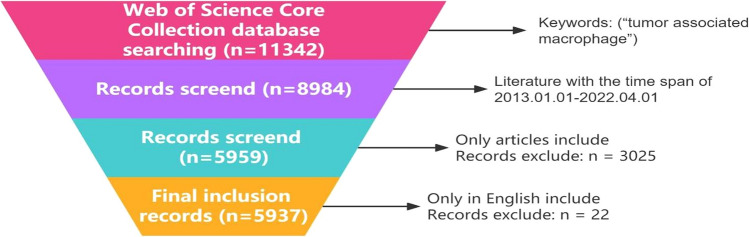 Figure 1
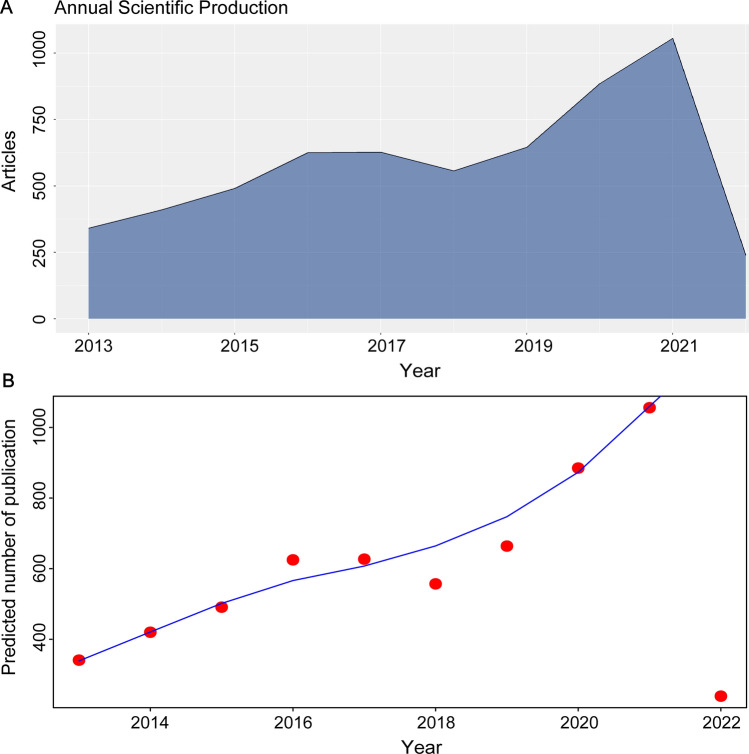 Figure 2
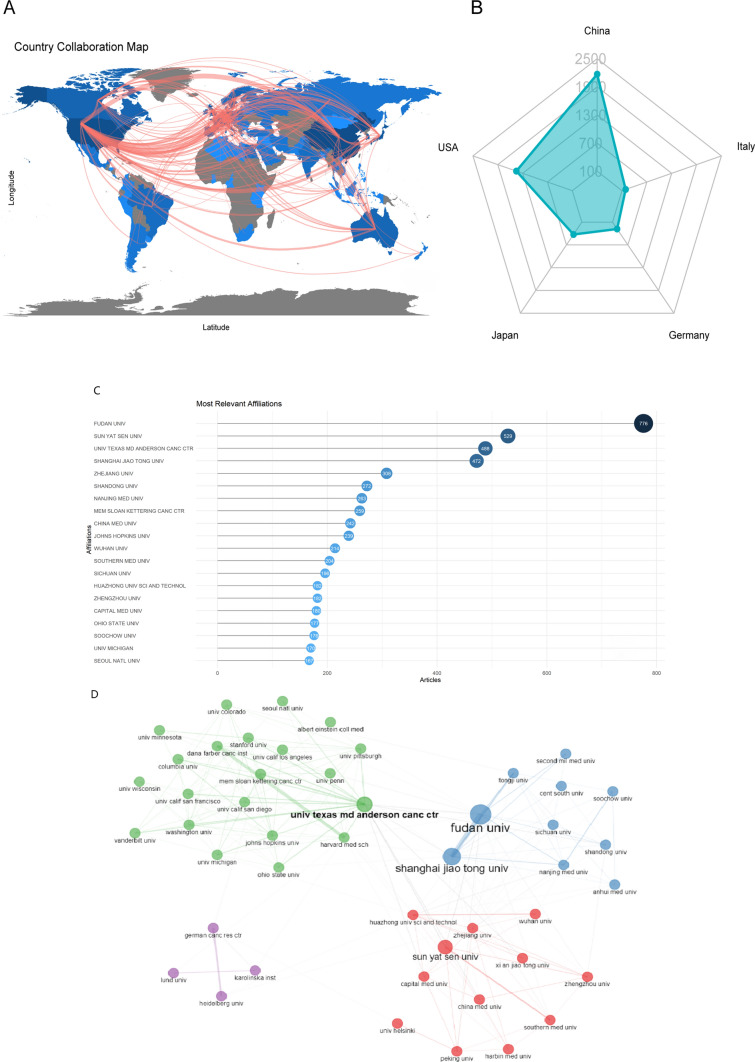 Figure 3
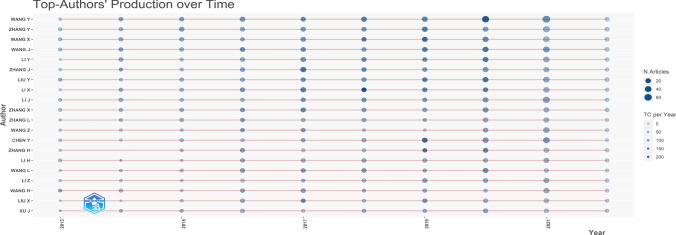 Figure 4
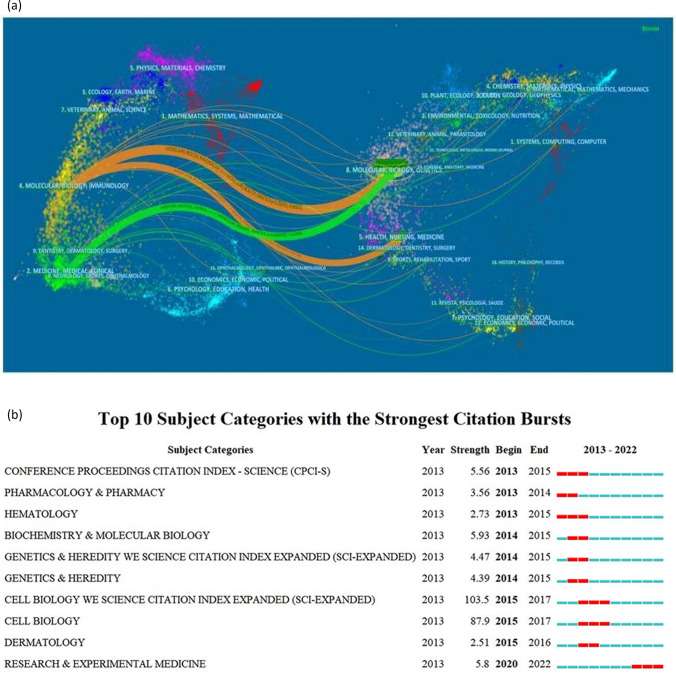 Figure 5
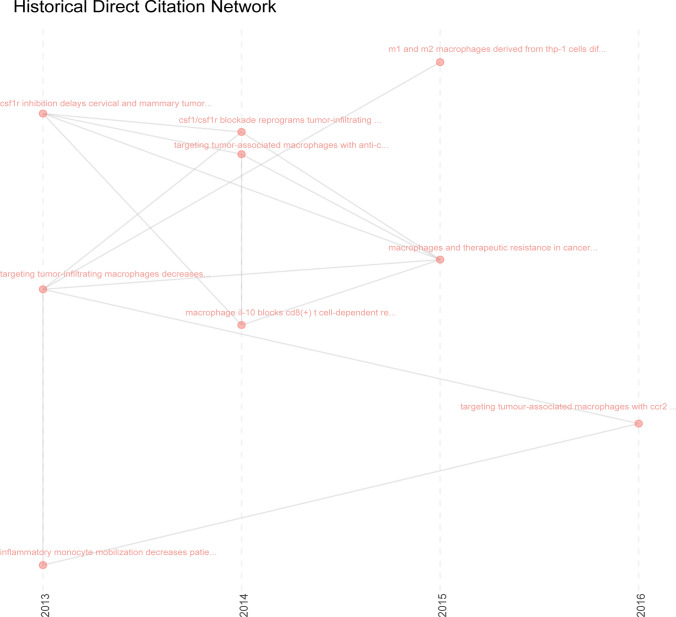 Figure 6
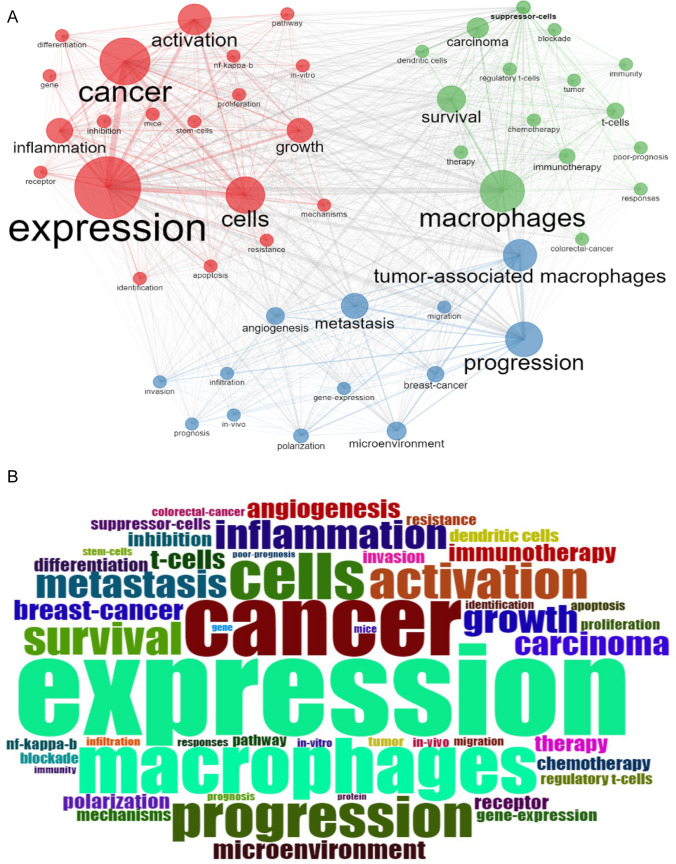 Figure 7
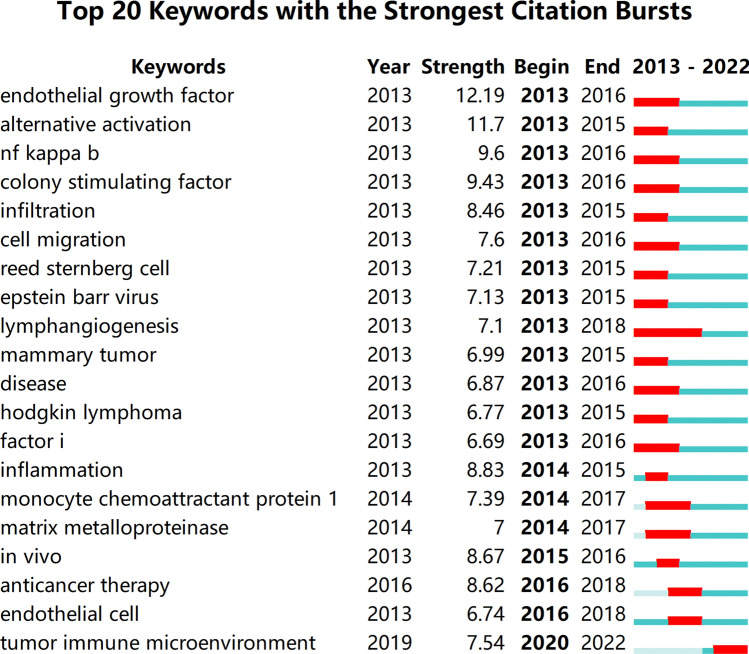 Figure 8
- —the General project of Chongqing Natural Science Foundation under Grant
Peer Reviews
No public reviews on file for this paper yet. If you reviewed it on a platform where reviews are public (OpenReview, ICLR, NeurIPS, ICML), you can paste yours below so the community can read it here.
Videos
No videos yet. Explain this paper in a talk, walkthrough, or lecture? Add one.
Taxonomy
TopicsImmune cells in cancer · Phagocytosis and Immune Regulation · Epigenetics and DNA Methylation
Introduction
Macrophages are critical immune cells involved in maintaining homeostasis, regulating inflammation, promoting wound healing, facilitating tissue repair, and contributing to tumor progression [1–5]. They reside in all tissues, where they recognize potential pathogens and help prevent disease by phagocytosing and digesting cellular debris, viruses, bacteria, senescent cells, cancer cells, and other foreign matter [6, 7]. There is a double-edged relationship between macrophages and cancer [8]. In some cases, the presence of macrophages can indicate a good prognosis; for instance, high frequencies of HLA-DR^+^ macrophages within tumors have been correlated with positive prognoses [9–11]. Early studies demonstrated that bacterial products and cytokines could activate and augment macrophages, enhancing their ability to eliminate cancer cells and inhibit tumor growth [12, 13].
However, macrophages also contribute to the significant infiltration of leukocytes in most tumor tissues. When exposed to the tumor microenvironment (TME), macrophages are frequently induced to produce immunosuppressive tumor-associated macrophages (TAMs) [14]. TAMs play a central role in cancer progression and metastasis, and their abundance is often linked to poor clinical outcomes [15].
TAMs are characterized by a continuum of phenotypes, ranging from immunostimulatory M1-like to immunosuppressive M2-like states [16, 17]. In the early stages of cancer, macrophages with M1-like characteristics predominate, exerting anti-tumor effects by directly killing cancer cells and activating anti-tumor T cells [8, 18–21]. As the tumor progresses, cues from the TME can drive macrophages toward an M2-like phenotype [22–24]. The majority of macrophages within established tumors are M2-like, inducing immunosuppression, promoting angiogenesis, and inhibiting tumor cell proliferation [8, 18].
Overall, macrophages significantly influence tumor immunity. As research advances, TAMs have garnered increasing attention. Therefore, a retrospective analysis of the published articles in this field is warranted. A bibliometric analysis can provide an overview of research developments, guiding researchers toward key areas of focus and emerging research directions.
As a subfield of informatics, bibliometrics analyzes and interprets patterns in scientific literature to gain insights into emerging trends and knowledge structures within a specific subject area. This method enables an objective evaluation of the current state of a discipline and facilitates the tracking of its progress over time. By utilizing bibliometric analysis software, researchers can develop knowledge maps that outline key research dimensions [25]. Typically, scientific publications are used as input to generate interactive visual representations of complex structures for statistical analysis and interactive exploration. Through these visualizations, the primary research topics within a field can be identified by mapping and analyzing a large body of articles [26, 27].
This study aims to perform a bibliometric analysis of the field of TAMs using bibliometric software and predefined indicators. In addition, this study will visualize, analyze, and plot the tumor-related macrophage field, providing a detailed analysis of its current state, trends, and potential areas for future development.
Sources and methods
The Web of Science is a comprehensive resource providing access to literature across the hard sciences, social sciences, art, and humanities, and it also serves as a global citation database for leading academic publishers. For this study, the following index keywords were used to search for relevant articles in the Web of Science Core Collection database: “tumor associated macrophages”, SCI-EXPANDED, SSCI, A&HCI, ESCI, CCR-EXPANDED, IC and literature resource. The search covered the time period from January 1st, 2013 to June 1st, 2022 and included only English-language articles. Totally, 5937 documents were retrieved based on this search method and subjected to bibliometric analysis. Figure 1 illustrates the four-step filtering process applied to these documents.Fig. 1. Data selection process
Several approaches were employed to present the bibliographic data. The number of productions and citations (including total citations and average citations per paper) were selected as the primary bibliometric indicators, as they reflect research productivity and influence, respectively [28, 29]. Additionally, other standard measures were used, including international collaborations, contributions from top journals, authors, countries, institutions, and the historical direct citation network [30–32]. A dual-map analysis was also conducted to illustrate the relationships between different disciplines. For analysis purposes, data were downloaded in various formats and processed using R Studio and CiteSpace (versions 4.0.3.1 and 5.7.R5W, respectively) [33]. The R package Bibliometrix was utilized to extract basic information, such as annual trends in scientific productivity, keyword frequency and density visualizations, international collaborations, institutional contributions, and author achievements over time, along with historical direct citation networks [33]. CiteSpace was further used to create dual-map overlays depicting the correlation between disciplines in TAM research and to identify prominent research areas between 2013 and 2022.
Results
Global publication trends
A comprehensive list of articles related to TAMs was compiled for the period 2013–2022. As illustrated in Fig. 2a, the number of publications in this field has shown a consistent upward trend each year, with the exception of a slight decline in 2018. Over the past 3 years (starting from 2019), the annual publication volume exceeded 600 articles, reaching 1056 in 2021. From 2019 to 2021, an exponential growth trend in publication output was observed. By the end of March 2022, 239 articles had already been published, with more anticipated throughout the year. In 2022, the total number of publications was expected to surpass 1200. TAMs is a field that has gained much attention from scholars, as evidenced by an increase in articles published annually. A logistic regression model further supports the observation of rapid growth in this field (see Fig. 2b).Fig. 2. Trends in TAM publications from 2013 to 2022. a Annual publication volume, b Growth trend curves
Distribution and cooperation among nations and organizations
A blue-coded world map generated using R software (see Fig. 3a) illustrates the contributions of various countries to TAMs research. China (15), England (23), Germany (158), France (58), and the United States (587 times) had the strongest overall link strength. Publications in this area originated from 84 countries and regions, with China contributing the largest share of articles (2169 articles, representing 36.56% of the total). The United States followed with 1452 articles (24.48%), Japan with 425 (7.16%), Germany with 280 (4.72%), and Italy with 188 (3.17%) (see Table 1, Fig. 3b). In terms of citations, the most cited studies were from the United States (49,585 citations), followed by China (34,741), Japan (8342), Germany (7800), and Italy (4710) (see Table 1).Fig. 3. Distribution of country and institutional productivity. a Global collaboration map; b Country publication radar map; c Institutional publication volume; d Institutional collaboration graphTable 1Top 20 productive countries and their total and average citations concerning TAMsCountryProduction (articles)Total citationsAverage citationsChina216934,74116.02USA145249,58534.15Japan425834219.63Germany280780027.86Italy188471025.05Korea169287917.04United Kingdom118408434.61France111274424.72Netherlands94234924.99Sweden87236627.2Canada71151921.39Australia65114533.68Spain62162726.24Switzerland61201633.05Israel47151932.32Belgium43180241.91Finland39114729.41Poland3743911.86India3550714.49Austria34114533.68TAMs, tumor-associated macrophages
A total of 5830 institutions contributed to TAMs research. As shown in Fig. 3c, most publications came from Fudan University (776 records, 13.07%), Sun Yat-sen University in Guangzhou (529, 8.91%), the M.D. Anderson Cancer Center at the University of Texas (488, 8.21%), Shanghai Jiao Tong University (472, 7.95%), and Zhejiang University (308, 5.19%).
Figure 3d illustrates the collaborative relationships among institutions. A total of 47 institutions were identified, and four distinct clusters were categorized, each represented by a different color. The green cluster, comprising 21 institutions is the largest, and primarily includes institutions based in the United States, such as the University of Texas M.D. Anderson Cancer Center and Memorial Sloan-Kettering Cancer Center. The second largest cluster, depicted in red, consists of 11 institutions, predominantly from China, with Sun Yat-sen University and Zhejiang University leading the group. The size of each node represents the degree of collaboration centralization, while the thickness of the connecting edges indicates the strength of the collaborative relationships.
Top authors’ contributions over time
The number of publications and citation frequency are critical indicators for assessing an author’s influence in a given field. A higher volume of published work and citation rates typically signify greater authority within the domain. Figure 4 presents the top 20 authors in the domain of tumor-related macrophage research over time. Size of nodes corresponds to the number of publications, while the depth of the node’s color corresponds to the number of citations per year. Wang Y. has the highest number of publications and citations from 2013 to 2022, followed by Zhang Y.Fig. 4. Production of the top 20 authors over time
Journal sources
This analysis evaluated the local impact of source journals based on their H-index, which reflects both publication volume and citation impact (see Table 2). “Cancer Research” is one of the most influential journals, with an H index of 66, a total of 15,767 citations, and 280 publications, primarily focusing on tumor-related research. This is followed by “Clinical Cancer Research” (H-Index 56, 8815 citations, 181 publications) and “Oncotarget” (H-Index 52, 11,745 citations, 413 publications). These findings indicate that studies on TAMs are primarily published in US—based oncology journals. These journals contain information about macrophages, making them relevant for researchers interested in tumor biology. As a result, the three local sources most likely to be cited are “Cancer Research,” “Clinical Cancer Research,” and “Oncotarget.” The resources provided scholars with reference material for further research on TAMs and contributed to the intellectual foundation of this field.Table 2. Top 20 most productive and impact journals concerning TAMsJournalH_indexTotal citationPublication (articles)Cancer Research6615,767280Clinical Cancer Research568815181Oncotarget5211,745413Oncogene435837136Oncoimmunology416701265Cancer Immunology Research405383127International Journal of Cancer374133119British Journal of Cancer34305872Cancer Letters343428138Cancer Cell32738349BMC Cancer272745128Journal for immunotherapy of Cancer272746156Cancer Science25230291Cancer Immunology Immunotherapy242092134Journal of Experimental and Clinical Cancer Research24180152Oncology Reports23146195Tumor Biology23142769Breast Cancer Research22130836Cancer Discovery22284030Molecular Cancer Therapeutics22136658TAMs, tumor-associated macrophages
Analysis of discipline association using dual-maps
A bipartite overlay is a visual analysis method where two maps are superimposed. The first is referred to as the overlay map, and the second is the base map. By comparing map overlays and their results, valuable insights into the data sources can be uncovered [26, 34–36]. The base map in this context includes over 10,000 cited journals from the Web of Science (WoS) database, while the overlay map is derived from the data of the cited literature. By comparing these maps, insights can be gained into the relationships between research topics and their data sources [37–39]. Thus, dual-map overlays offer a broader perspective on the evolution of content at the discipline level.
The present study utilizes the Journal Citation Reports (JCR) data to generate CiteSpace overlay maps, allowing for the integration of TAMs research data onto the base map. Figure 5a visualizes the associations between disciplines in tumor-related macrophage research. On the left-hand side of the figure, the current status of research in disciplines related to TAM is depicted, while the right side represents the foundational research disciplines based on cited literature. Present research and research base are linked by the wave-shaped curve [40]. Two major areas of focus emerge: “Molecular, Biology, and Immunology,” with “Medicine, Medical, and Clinical” on the left, and “Molecular, Biology, Genetics,” and “Health, Nursing, and Medicine” on the right. The majority of published papers appear on the left side, influenced by the foundational work on the right. Citations follow three main trails that are depicted as green, and orange curves highlighted with journal tags.Fig. 5a A dual-map overlay showing the correlation between disciplines in TAM research; b Burst disciplines in TAM research from 2013 to 2022
Citation bursts of disciplines
The table of discipline types from 2013 to 2022 as shown in Fig. 5b, indicates that the field of TAM experiences bursts of disciplines on an annual basis. However, these emerging disciplines tend to be short-lived. The most sustained bursts, lasting approximately 3 years, were observed in the fields of the Conference Proceedings Citation Index–Science, Hematology, Cell Biology, and Research & Experimental Medicine. This prolonged interest is likely due to significant developments in the stages of TAM research, attracting increased attention from tumor immunologists. The integration of research hotspots in these disciplines may further accelerate the growth of this field.
Historical evolution of TAM research
The historical direct citation network for TAM research was analyzed to uncover systemic shifts in the focus of this research over time (see Fig. 6). Macrophage studies across various cancer types have progressed at different stages. Since work on the project began in 2013, attention has been directed toward the anti-tumor effects of macrophages under different conditions. Thereafter, tumor-related macrophages as a strategy for cancer therapy was given more attention in 2014. In 2015, research largely focused on M1/M2 phenotypic differentiation of macrophages in cancer therapy. As the process advanced, by 2016, scientists began to express concern about the tumor-promoting role of TAMs in progression of cancers. In 2019, further discoveries highlighted the roles of TAM in cancer-specific reprogramming, the identification of biomarkers, and therapeutic targeting.Fig. 6. Direct citation network showing historical trends in TAM research, with links representing citation relationships
Keyword analysis
The analysis of research hotspots in TAM was conducted through a density visualization based on keyword frequency from 2013 to March 2022. Higher-frequency keywords were visualized as denser nodes, indicating areas of significant research focus. Figure 7a presents three primary keyword clusters.
- Cluster 1 (red) dealt primarily with expression and mechanism, including expression, inflammation, activation, differentiation, pathway, as well as inhibition.
- Cluster 2 (blue) is comprised of the disease course, including TAMs, progression, metastasis, and growth.
- Cluster 3 (green) contained immune, therapy, and survival with keywords like macrophage, regulatory T-cell, dendritic cell, blockade, immunity, immunotherapy, chemotherapy, prognosis, and poor prognosis. Fig. 7. Keyword analysis. a Density visualization of keywords; b Keyword frequency trends
Tracking the frequency of these keywords as shown in Fig. 7b, highlights major research priorities within TAM. Commonly, the topics studied include “expression,” “macrophages,” “cancer,” “cell,” “progression,” “activation,” “inflammation,” and “microenvironment.” These areas reflect the key themes and efforts of scholars within the field.
Keyword burst
Between 2013 and 2022, keyword burst analysis identified key research trends in the study of TAMs. Figure 8 presents the top 20 keywords exhibiting the highest burst intensities. “Vascular endothelial growth factor (VEGF)” demonstrated significant activity from 2013 to 2016, with a burst intensity of 12.19. Similarly, “alternative activation” was prominent from 2013 to 2015, with an intensity of 11.7, while “NF-κB” showed sustained activity from 2013 to 2016, reaching an intensity of 9.6. The term “tumor immune microenvironment” remained highly active from 2020 to 2022, indicating its emergence as a central focus in the field.Fig. 8. Top 20 Keywords with the strongest citation bursts
A fundamental association exists between TAMs and the tumor immune microenvironment (TIME), where TAMs constitute a critical component. The polarization states of TAMs, categorized as M1-like and M2-like macrophages, influence their functional roles in tumor progression. M1-like macrophages generally exert anti-tumor effects, whereas M2-like macrophages contribute to tumor growth, metastasis, and immune evasion. Through the secretion of various cytokines and chemokines, TAMs regulate the activity of other immune cells, thereby shaping the TME. This understanding has positioned TAM-targeted therapeutic strategies as a promising direction in cancer research. Insights into TAM-TIME interactions may contribute to the development of novel cancer therapies and improved treatment outcomes.
Author-based keyword clusters
The interconnections among these keywords give rise to distinct clusters based on their thematic associations. The identification of these clusters offers a structured perspective on research trends in the field of TAMs. Additional file 1: Fig. 1 presents eight distinct clusters: #0 immunotherapy, #1 pan-cancer, #2 adjuvant chemotherapy, #4 triple-negative breast cancer, #5 esophageal squamous cell carcinoma, #6 malignant pleural effusion, #7 anti-PD-1, and #9 sialic acid. These clusters highlight key research areas within TAM studies and the contributions of leading researchers in the field. Within the #0 immunotherapy cluster, Wei Zhang and Wei Wang et al. have been identified as prominent contributors to scientific collaboration.
Discussion
This study conducted a comprehensive analysis of the literature on TAMs from its inception, using CiteSpace metrological analysis software and the Bibliometrix package in R to quantitatively and visually assess research progress in this area. The quantitative analysis encompassed fundamental metrics, including annual publication numbers, authors, and country of origin, journals, and institutions. In general, TAM is recognized as an emerging field, experiencing substantial growth in publication volume over recent years. This increase may be attributed to significant advancements in immunology related to cancer therapy, which have garnered heightened interest in TAM research.
In terms of literature distribution by country, China was identified as the most productive contributor, with a total of 2169 articles on TAM, followed by the United States. The United States led in average citations, with 34.75 citations per article, underscoring its prominent position in the TAM field and extensive involvement in global scientific collaboration. This finding suggests that China may benefit from prioritizing the quality and clarity of its publications.
The analysis revealed that the most productive institutions were predominantly located in China, with Fudan University emerging as the leading institution in terms of published articles. The institutional collaboration network indicated a tendency for institutions to partner with universities within their own countries, likely due to the convenience and frequency of domestic interactions among scientific institutions.
Interdisciplinary collaboration across countries and institutions has played a pivotal role in advancing research in this domain. The CiteSpace overlay map highlights strong interdisciplinary connections, particularly between fields such as “molecular biology and immunology” and “medicine, healthcare, and clinical practice.” Basic research in these areas provides critical foundational support for translational and applied research efforts. The integration of emerging interdisciplinary research trends, particularly in conjunction with technological advancements such as single-cell RNA sequencing and gene editing, has accelerated progress in TAM research by enabling more precise characterization of TAM functions across various tumor types. These advancements contribute to the development of personalized therapeutic strategies. Strengthening interdisciplinary and international collaboration remains essential for achieving breakthroughs in tumor immunotherapy and enhancing the clinical translation of research findings.
Furthermore, an analysis of authors highlighted that the top 20 authors were all from China, indicating the significant role of Chinese researchers in this field. The timeline of author publications revealed a gradual increase in both publications and citations, suggesting that TAM has the potential to evolve into a major research focus.
Cancer immunotherapy has revolutionized the therapeutic landscape and has shown efficacy across various tumor types in numerous clinical cases. However, while some individuals benefit from this treatment, the majority do not respond, underscoring the need for new strategies to stimulate the immune system against cancer. Current immunotherapy approaches primarily focus on enhancing the functional properties of endogenous cytotoxic CD8 + T cells or injecting engineered T cells into patients. T cells are not the only immune components that affect tumor progression (positive or negative). Other immune components, including macrophages, also represent important therapeutic targets deserving further exploration [41].
Macrophages are typically the most abundant immune cells within tumors, and recent studies have demonstrated that specific macrophage subpopulations may influence tumor progression and response to treatment [18, 42, 43]. An analysis of keywords related to TAM research has identified key areas of focus and potential future directions. Frequently occurring keywords such as “expression,” “macrophage,” “cancer,” “cell,” “progression,” “activation,” “inflammation,” and “microenvironment” not only reflect the academic community’s recognition of TAM’s as critical components of tumor biology but also guide emerging clinical applications and translational research.
The keywords “expression” and “macrophage” emphasize the heterogeneity and functional diversity of TAMs within the TME. Advances in single-cell omics technologies enable high-resolution mapping of gene expression profiles across macrophage subtypes, facilitating detailed molecular characterization and the identification of therapeutic targets. This approach contributes to the development of personalized immunotherapies, including strategies that selectively inhibit pro-tumor TAM subsets while enhancing the activity of anti-tumor macrophage populations in specific tumor types [44].
The keywords “progression” and “activation” further highlight the dual role of macrophages in tumor development, as certain TAM subtypes promote tumor growth and metastasis, whereas others enhance anti-tumor immune responses [8]. A deeper understanding of these mechanisms is essential for the development of novel therapeutic strategies, such as combining immune checkpoint inhibitors with TAM-targeting agents to achieve synergistic effects.
Additionally, the keywords “inflammation” and “microenvironment underscore the influence of inflammatory responses within the TME on TAM function. Given that chronic inflammation plays a significant role in tumor development [45], interventions aimed at modulating the inflammatory state within the TME—whether through anti-inflammatory therapies or lifestyle modifications—may indirectly regulate TAM activity and phenotype, thereby improving clinical outcomes. This interdisciplinary approach exemplifies the principles of translational medicine by facilitating the transition from fundamental scientific discoveries to clinical applications.
The analysis of these keywords highlights the translational potential of TAM research in oncology, necessitating both a deeper understanding of TAM biology and the clinical validation of TAM-targeting therapeutic strategies to enhance cancer treatment options. Future research may prioritize the identification of TAM-associated biomarkers for early cancer detection and the development of precision therapies tailored to specific TAM subtypes.
Furthermore, this study examined highly-quoted articles across different time periods, demonstrating the contributions of scholars from diverse fields to the evolution of TAM research. With advancements in technologies, such as single-cell omics, researchers have gained a deeper understanding of macrophage biology, setting the stage for breakthroughs in current therapeutic approaches [46].
The understanding of TAMs has evolved significantly over the past 25 years [47]. TAMs were first identified about 50 years ago as immune cells capable of killing and phagocytosing cancer cells, and acting as anti-tumor agents [48]. However, subsequent studies revealed that TAMs can also promote tumor growth. It has been discovered that TME has the potential to convert the TAMs, or at least some of them, into cancer-proliferating cells, highlighting the need for further research into the biological complexity of tumor growth and metastasis [49]. Across a variety of cancers, an increased presence of TAMs has been associated with lower survival rates [50].
Despite the diverse functions of TAMs, their plasticity and heterogeneity present opportunities for therapeutic intervention. The identification of markers that distinguish tumor-promoting from anti-tumor TAMs has therefore become a critical area of research. Historically, TAM identification has relied on flow cytometry and histological methods, which utilize a limited set of markers and may insufficiently capture TAM diversity. The advent of single-cell omics technologies, particularly single-cell RNA sequencing (scRNA-seq), has significantly advanced the characterization of TAM heterogeneity by enabling the identification of distinct macrophage subpopulations and their functional states. Compared to bulk transcriptome sequencing, scRNA-seq provides high-resolution transcriptomic data at the single-cell level, offering deeper insights into cellular function and diversity [44].
In recent years, scRNA-seq has been applied to the study of most cancer types, facilitated by improved accessibility and an expanding repository of bioinformatics-derived data [51]. Despite its contributions to the field, scRNA-seq remains limited in its ability to analyze the spatial organization of tissues. The integration of spatial transcriptomics with scRNA-seq addresses this limitation by allowing the visualization of cellular RNA transcript distribution while preserving tissue structural integrity [52]. Spatial molecular omics plays a crucial role in defining positional relationships and intercellular interactions within tissues, providing insights into how spatial cell distribution influences disease pathogenesis [53].
Advancements in single-cell omics technologies have greatly enhanced the understanding of TAM molecular diversity, functional plasticity, and interactions with other components of the TME. Notably, these technologies have facilitated the identification of TAM subpopulations that may serve as potential biomarkers for disease progression and clinical outcomes. The complex interactions among various cell populations within tumors contribute to the formation of a distinct TME that supports tumor growth, metastasis, and resistance to therapy. Additionally, non-tumor cells within this environment exhibit unique transcriptional programs that influence tumor-associated heterogeneity, determining whether their activity supports or suppresses tumor progression. scRNA-seq has emerged as a powerful tool for dissecting cellular transcriptomes, enabling the identification of cell types and functional states that may be critical for predicting patient prognosis [54]. By revealing TAM subpopulations with specific genetic signatures, scRNA-seq has provided novel insights into macrophage heterogeneity in human cancers, offering potential avenues for targeted therapeutic strategies.
The critical role of TAMs in the TME has become increasingly evident, with significant advancements in understanding their basic mechanisms and clinical applications emerging as a major research focus over the past decade. TAMs differentiate into M1-like (anti-tumor) and M2-like (pro-tumor) phenotypes in response to distinct cytokine stimuli, with the integrin signaling pathway playing a key role in regulating their polarization [55]. Additionally, non-coding RNAs mediate interactions between tumor cells and macrophages, influencing tumor cell proliferation, migration, and apoptosis while also modulating immune cell differentiation [56]. Tumor cells further regulate macrophage polarization through exosomal transfer, establishing feedback mechanisms that significantly impact tumor progression, angiogenesis, and drug resistance.
Therapeutic strategies targeting TAMs primarily focus on inhibiting macrophage recruitment, reprogramming M2-like TAMs, depleting TAM populations, and utilizing TAMs for drug delivery [57]. These approaches have been extensively investigated, with nanotechnology emerging as a promising avenue for TAM-targeted therapy. Studies in nanomedicine suggest that modulating TAMs through specific molecular targets can enhance anti-tumor effects; however, challenges remain in achieving selective and efficient drug delivery to TAMs [58]. Given macrophages’ high phagocytic capacity, researchers have explored drug encapsulation in nanoparticles or liposomes to enable sustained release. Additionally, genetic engineering of macrophages to produce therapeutic proteins has emerged as a novel strategy for enhancing anti-tumor immune responses.
Metabolic regulation plays a fundamental role in TAM function, particularly glucose metabolism, which remains incompletely understood [59]. CD40, a member of the tumor necrosis factor receptor family, enhances anti-tumor immunity by stimulating antigen-presenting cell activation through interactions with T cells. Anti-CD40 antibodies exert tumor-suppressive effects by engaging tumor-infiltrating macrophages and increasing levels of CCL2 and IFNγ, thereby enhancing tumor cell elimination [60–62]. Within the TME, tumor endothelial cells contribute to cancer-associated angiogenesis, while lactic acid promotes M2-like polarization via GPR132, a process regulated by the PPARγ transcription factor, which inhibits GPR132 expression [24, 63]. Additionally, the mTOR signaling pathway serves as a key regulator of macrophage polarization and function [64] Certain chemotherapeutic agents exhibit dual effects by inducing tumor cell death while simultaneously depleting TAMs, thereby enhancing overall anti-tumor efficacy [65].
In conclusion, research on TAMs has provided novel insights into the complexity of the TME while highlighting potential directions for future anti-cancer therapeutic strategies. A deeper understanding of TAM function and regulatory mechanisms, combined with advancements in nanotechnology and genetic engineering, is expected to facilitate the optimization of TAM-targeted therapies and improve treatment outcomes.
Despite the significant progress in TAM research over the past decade, there are several challenges and unanswered questions. For instance, while TAM status and their response to therapy are correlated in some cases, the relationship between these states remains unclear. Moreover, tumor-promoting TAMs do not always exhibit M2-like phenotypes, indicating that defining TAM states beyond the M1/M2 dichotomy is important. Furthermore, the functional significance of TAM states recognized by scRNA-seq is still largely unknown. Existing macrophage-targeting therapies may also face limitations in their long-term efficacy, as they may not fully activate the adaptive immune system, increasing the risk of therapeutic resistance.
This study represents the first comprehensive bibliometric analysis of TAM research, highlighting major research themes and hotspots. Similar to other studies, this study has certain limitations. First, neither Scopus nor PubMed indexes only science-related literature, while only journals with an impact factor (IF) are included in the WoS database. It does exclude studies published in journals without an IF; however, this focus on high-impact journals ensures the inclusion of high-quality studies. Additionally, it has been proven that using the WoS database for bibliometric analysis provides more accurate results compared to other peer-reviewed scientific literature databases (e.g., Scopus and PubMed) [66]. Secondly, the analysis only considered articles published after 2013 in the WoS database, leaving out earlier studies, and non-English language articles were not included, which may have influenced the results. Nonetheless, the study offers valuable insights into the current state of TAM research.
Summary
This study presents a comprehensive bibliometric analysis of the literature on TAM, offering insights into the academic structure, its historical development, and emerging trends in TAM research between 2013 and 2022. The analysis highlights the continued growth of TAM-related studies and identifies key contributors to the field. A significant shift in research methodology is noted, moving from traditional flow cytometry and histological techniques toward advanced single-cell omics approaches, which allow for a more nuanced understanding of TAM diversity.
Current research priorities include biomarkers, immunotherapy, TAM phenotypes, the TME, macrophage-targeted agents, and the response to therapy. These topics are expected to remain central to TAM research in the coming years. This analysis provides a valuable resource for readers who may not have extensive expertise in the field, offering them an accessible overview of recent developments. Moreover, this study aids researchers in identifying relevant publications, potential collaborators, and directions for further research.
Supplementary Information
Additional file 1.