Development of a simplified prediction model for diagnosing progressive central precocious puberty using clinical and pelvic ultrasound parameters
Kyungchul Song, Eunju Lee, Hye Sun Lee, Hana Lee, Hyun Wook Chae, Hyun Joo Shin

TL;DR
This study developed a simplified model using clinical and ultrasound data to help doctors diagnose progressive central precocious puberty in young girls.
Contribution
The study introduces a simplified prediction model combining clinical and ultrasound parameters for diagnosing progressive central precocious puberty.
Findings
Pelvic ultrasound parameters added significant predictive value to traditional clinical data for diagnosing progressive CPP.
A simplified model using basal LH, estradiol, and fundus width achieved high diagnostic accuracy (AUC 0.93).
The model can help overcome limitations of classical diagnostic approaches in real-world clinics.
Abstract
This study aimed to explore the predictive value of clinical and pelvic ultrasound parameters for diagnosing central precocious puberty (CPP) and to establish a clinically useful simplified prediction model to differentiate progressive CPP (P-CP) from nonprogressive precocious puberty (N-PP). Girls aged <9 years with secondary sexual development who underwent a gonadotropin-releasing hormone stimulation test and pelvic ultrasound between September 2020 and November 2023 were retrospectively included and divided into the P-CP and N-PP groups. Logistic regression analysis was used to determine the significant parameters and develop prediction models. The diagnostic performance of the models was compared using the area under the receiver operating characteristic curve (AUC) analysis and the Delong method. The continuous net reclassification improvement (cNRI) and absolute integrated…
Genes, proteins, chemicals, diseases, species, mutations and cell lines named across the full text — each resolved to its canonical identifier and authoritative record.
Click any figure to enlarge with its caption.
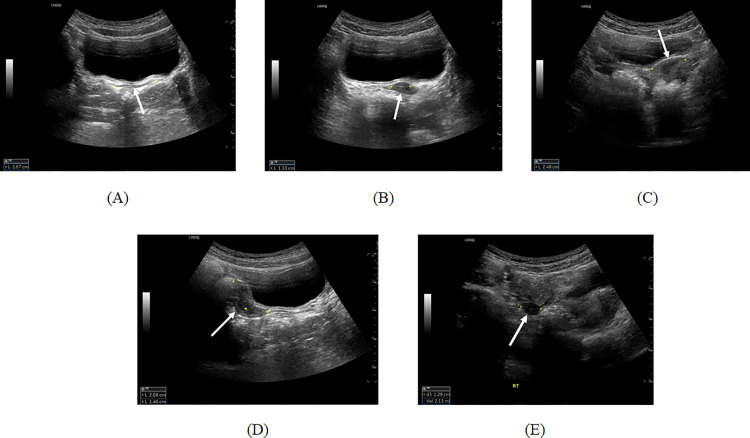 Figure 1
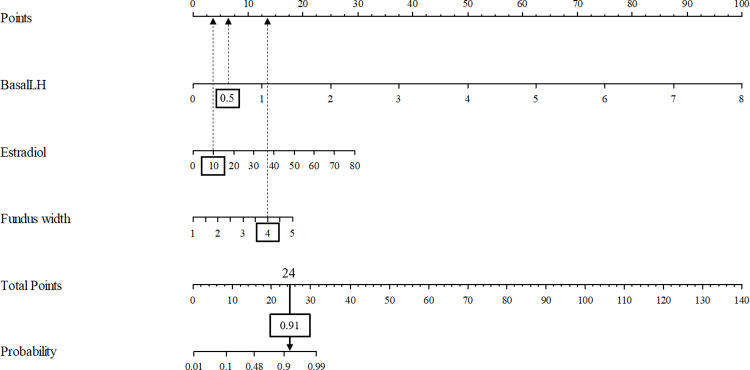 Figure 2
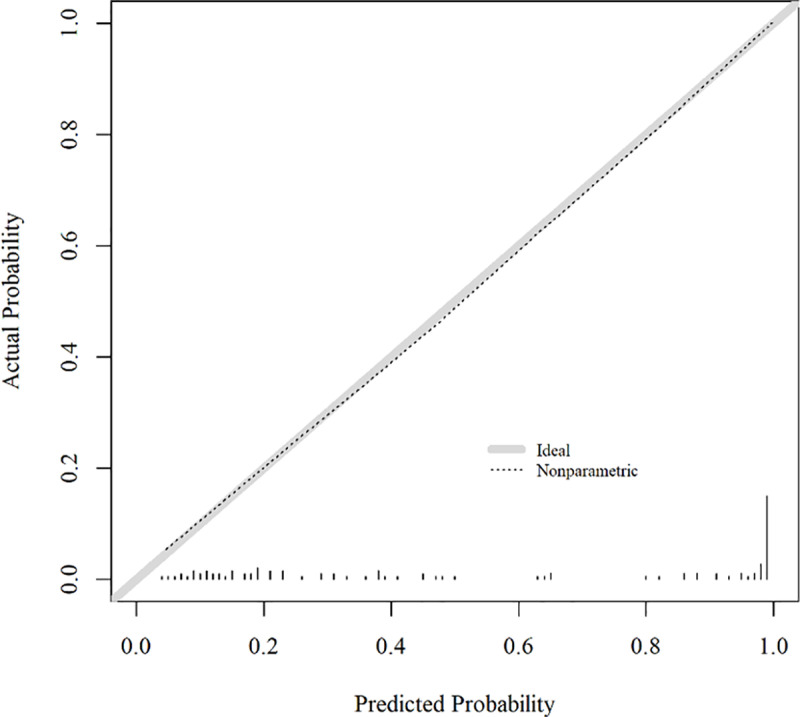 Figure 3
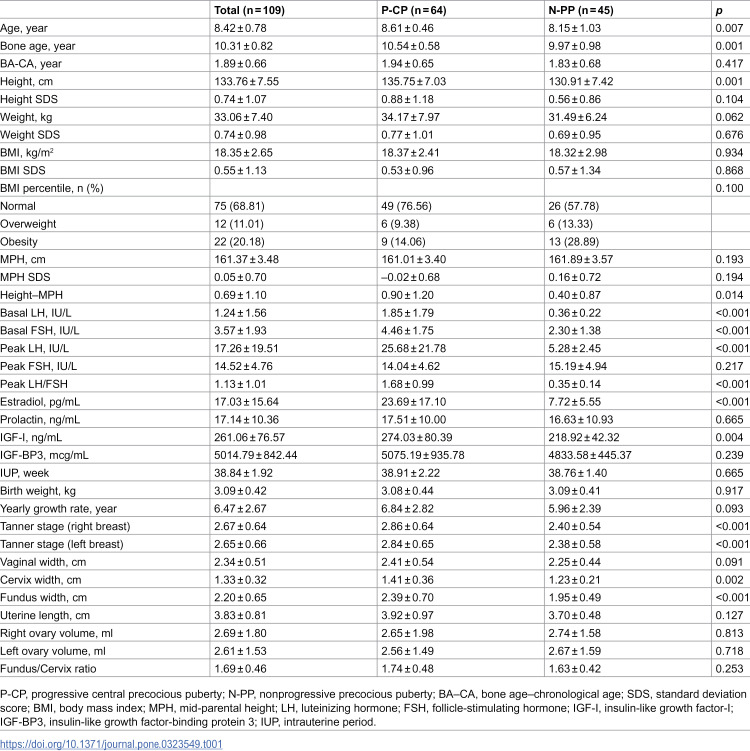 Figure 4
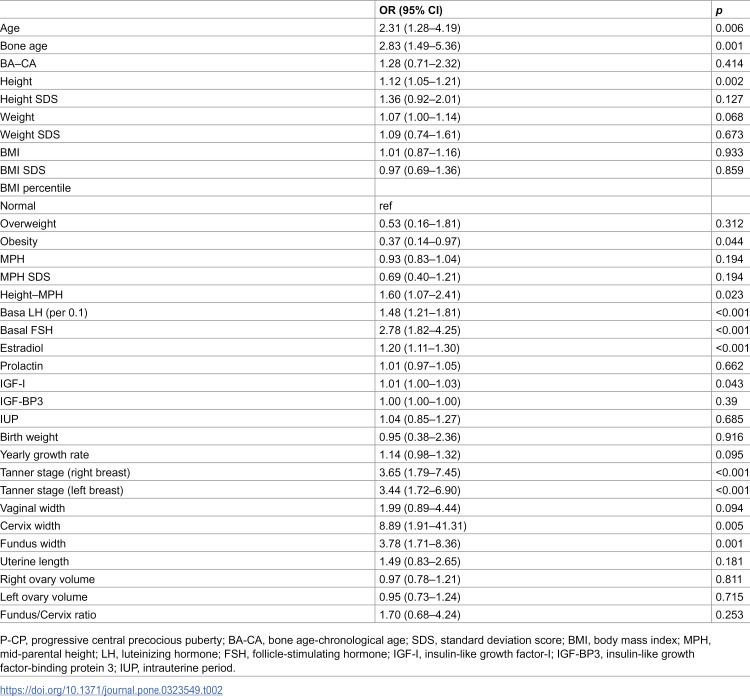 Figure 5
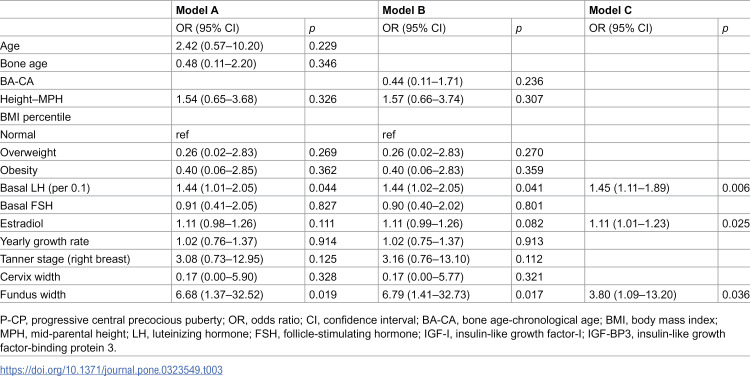 Figure 6
 Figure 7
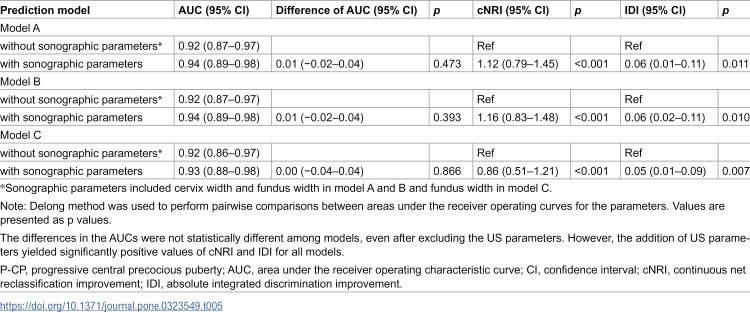 Figure 8
Peer Reviews
No public reviews on file for this paper yet. If you reviewed it on a platform where reviews are public (OpenReview, ICLR, NeurIPS, ICML), you can paste yours below so the community can read it here.
Videos
No videos yet. Explain this paper in a talk, walkthrough, or lecture? Add one.
Taxonomy
TopicsHypothalamic control of reproductive hormones · Ovarian function and disorders · Growth Hormone and Insulin-like Growth Factors