Investigating the biochemical variations in onion leaves due to purple blotch disease and its management through induced resistance
Muhammad Asghar, Muhammad Atiq, Muhammad Usman Ali, Ghalib Ayaz Kachelo, Nasir Ahmad Khan, Khalid Naveed, Muhammad Usman, Ahmad Nawaz, Owais Iqbal, Nasir Ahmed Rajput, Muhammad Nauman Ahmad, Abhay Pandey, Abhay Pandey, Abhay Pandey

TL;DR
This study explores how purple blotch disease affects onion plants and finds that salicylic acid can help manage the disease by boosting plant resistance.
Contribution
The study identifies salicylic acid as an effective plant activator for managing purple blotch disease in onions.
Findings
Resistant onion genotypes like Phulkara and Ceylon showed significantly lower disease severity compared to susceptible varieties.
Salicylic acid was found to be the most effective plant activator in controlling purple blotch under both greenhouse and field conditions.
A. porri infection caused significant changes in antioxidant enzyme levels in onion leaves, with resistant varieties maintaining higher enzyme concentrations.
Abstract
Purple blotch (PB), caused by Alternaria porri (Ellis) ciferri, poses a significant threat to onion crop, resulting in major economic losses in both bulb and seed production globally. The incidence of this disease underscores the critical need for an effective management. In the present study, screening of onion genotypes for PB under field conditions revealed that the genotypes like Phulkara and Ceylon expressed resistant, response with 8.21 and 8.91% disease severity index (DSI) respectively, whereas Desi Black and Red Imposta were highly susceptible, with DSI of 67.38 - 79.41%. Furthermore, resistant and susceptible genotypes were also evaluated for biochemical variation analysis. Significant variations (p ≤ 0.05) in antioxidant enzymes were observed across reaction groups (inoculated and un-inoculated), types (resistant and susceptible), and onion varieties in response to A. porri…
Genes, proteins, chemicals, diseases, species, mutations and cell lines named across the full text — each resolved to its canonical identifier and authoritative record.
Click any figure to enlarge with its caption.
 Figure 1
 Figure 2
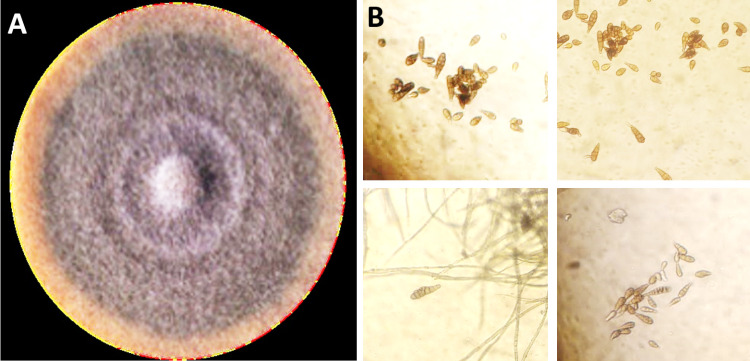 Figure 3
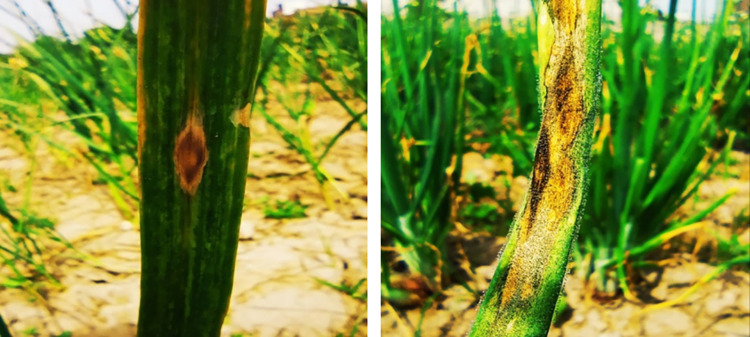 Figure 4
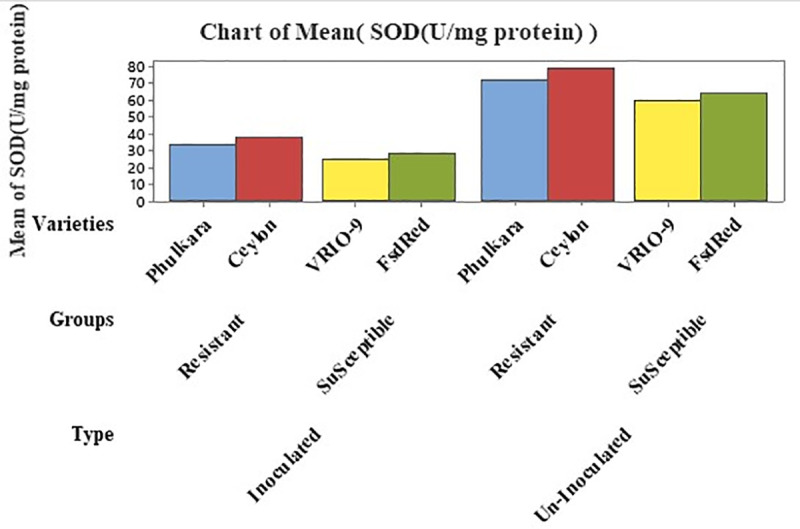 Figure 5
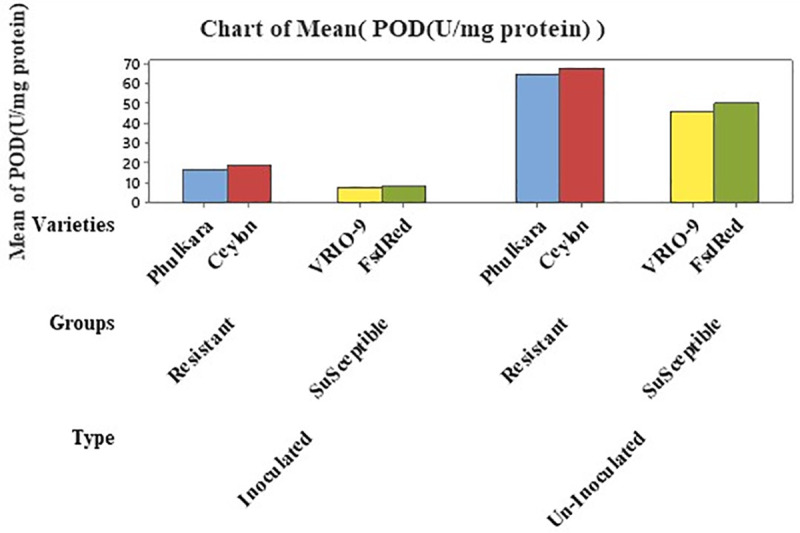 Figure 6
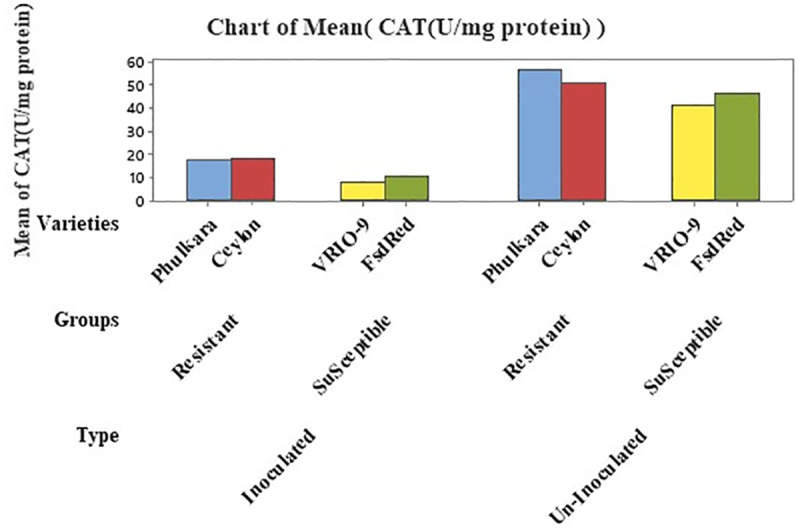 Figure 7
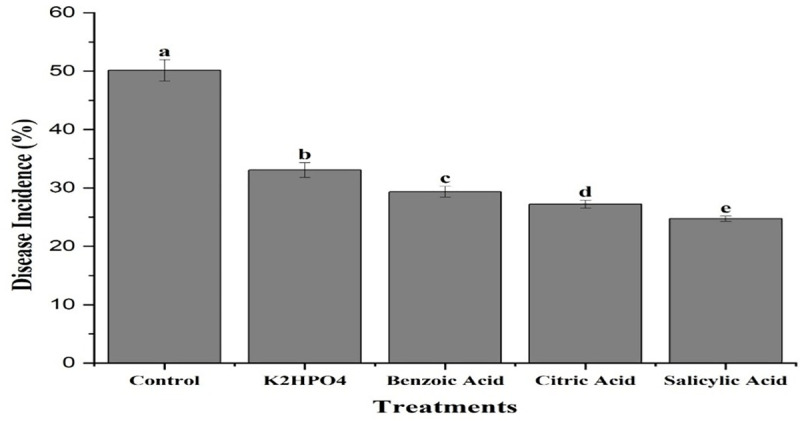 Figure 8
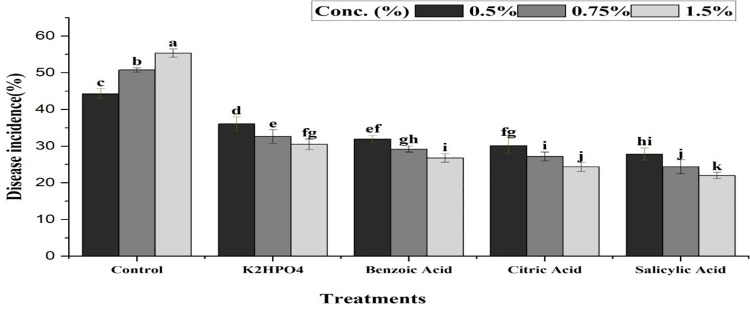 Figure 9
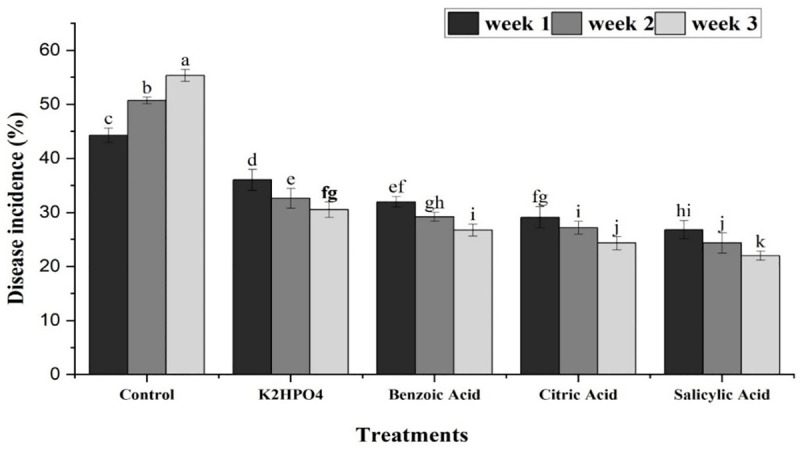 Figure 10
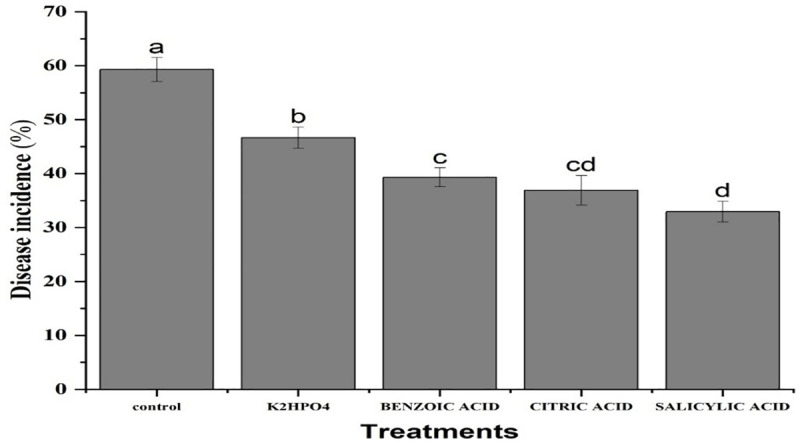 Figure 11
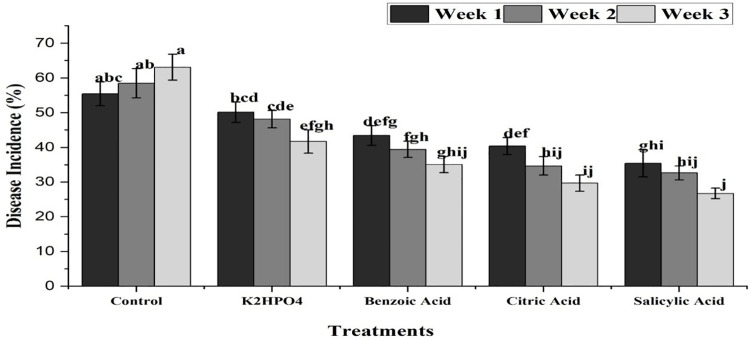 Figure 12
 Figure 13
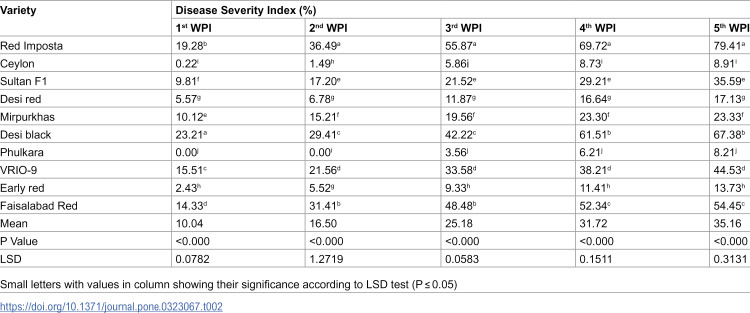 Figure 14
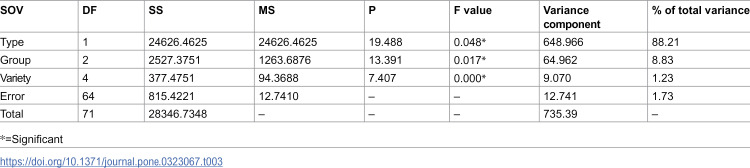 Figure 15
 Figure 16
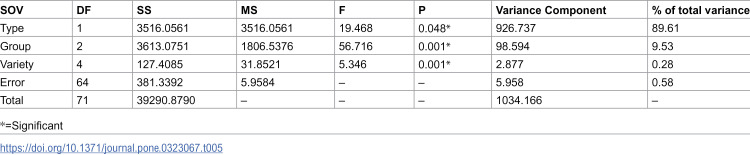 Figure 17
 Figure 18
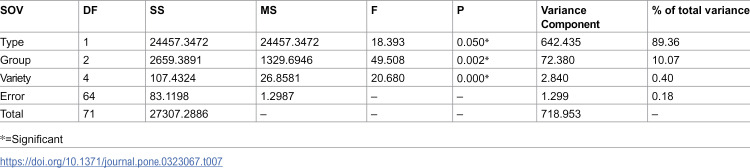 Figure 19
 Figure 20
Peer Reviews
No public reviews on file for this paper yet. If you reviewed it on a platform where reviews are public (OpenReview, ICLR, NeurIPS, ICML), you can paste yours below so the community can read it here.
Videos
No videos yet. Explain this paper in a talk, walkthrough, or lecture? Add one.
Taxonomy
TopicsFungal Plant Pathogen Control · Garlic and Onion Studies · Plant Pathogens and Fungal Diseases