Unlocking the power of reticulocyte analysis: Advancing care for patients with abnormal haemoglobin variants at Eastern Regional Hospital, Koforidua
Richard Vikpebah Duneeh, Israel Bedzina, Melody Yaaba Korkor Johnson, Francis Agyei Amponsah, Wina Ivy Ofori Boadu, Kenneth Ablordey, Ochuwa Adiketu Babah, Mehmet Baysal, Mehmet Baysal, Mehmet Baysal

TL;DR
This study explores how reticulocyte analysis can improve treatment for patients with abnormal hemoglobin variants, finding that reticulocyte indices may help guide therapies.
Contribution
The study is the first to investigate reticulocyte parameters as potential biomarkers for managing abnormal hemoglobin variants in a clinical setting.
Findings
Low-fluorescence reticulocytes correlate with higher hemoglobin levels, while high- and medium-fluorescence reticulocytes correlate with lower levels.
Maturation defects were prevalent in 91.7% of cases and linked to significantly lower hemoglobin levels.
Age and hemoglobin phenotype were significantly associated with anemia severity in patients with abnormal hemoglobin variants.
Abstract
Reticulocytes are immature erythrocytes that have been released into the peripheral circulation after being extruded from the bone marrow. However, it has not been investigated whether these reticulocyte indicators are helpful in treating conditions linked to abnormal haemoglobin variants. In the current investigation, participants with abnormal haemoglobin variants were evaluated for the utility of reticulocyte parameters using a high-end haematology analyser. We conducted a prospective cross-sectional study among 217 participants with abnormal haemoglobin variants at the Eastern Regional Hospital, Koforidua. Statistical analyses were performed with IBM SPSS V.26.0 (Chicago, IL, USA) and R programming language version 4.2.3. A p-value of < 0.05 was considered statistically significant for all analyses. We found a significant association between age groups and anaemia severity (p =…
Genes, proteins, chemicals, diseases, species, mutations and cell lines named across the full text — each resolved to its canonical identifier and authoritative record.
Click any figure to enlarge with its caption.
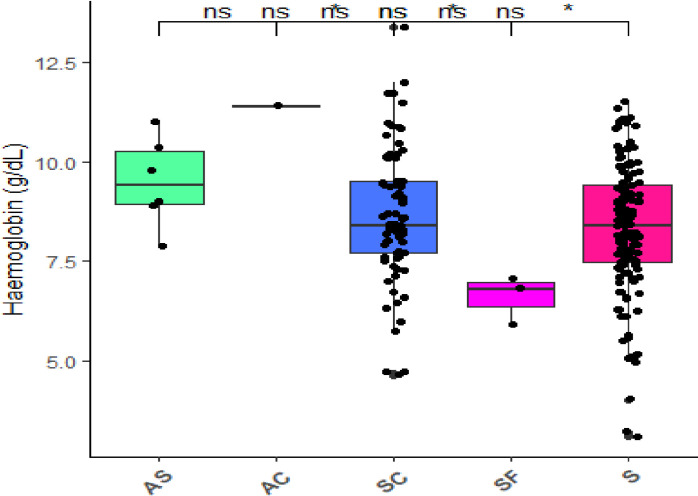 Figure 1
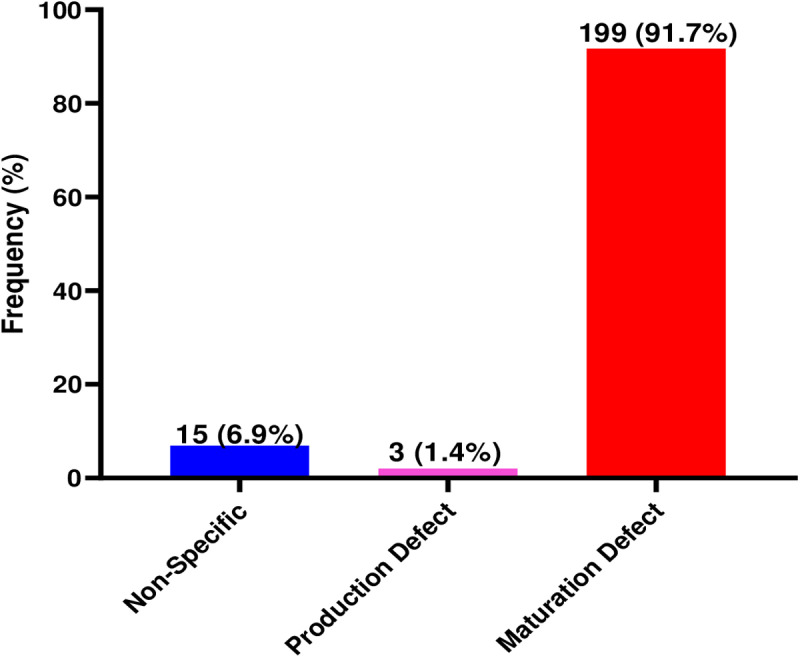 Figure 2
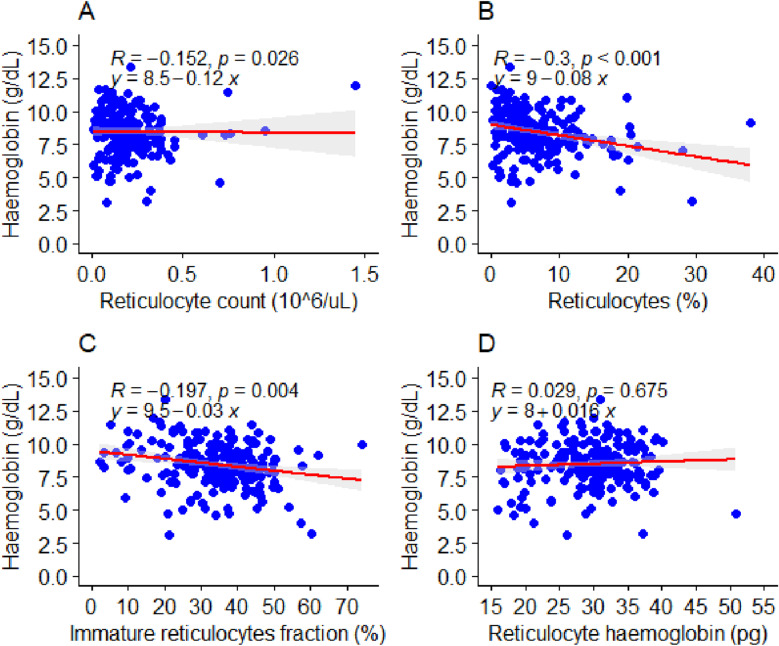 Figure 3
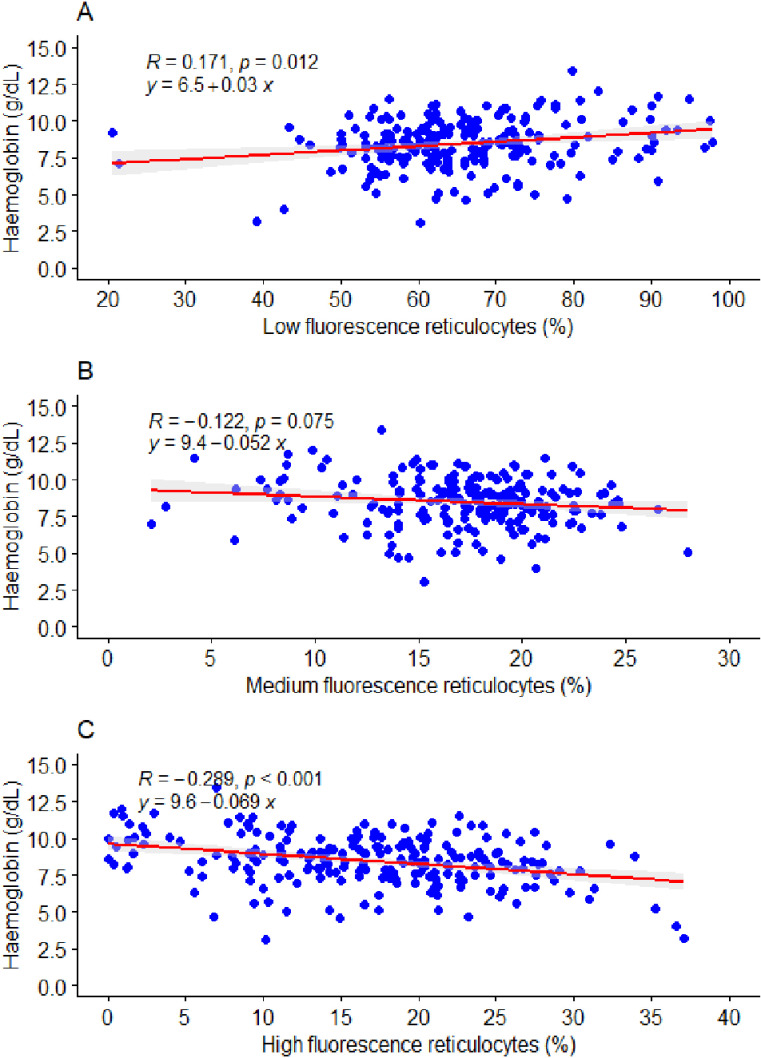 Figure 4
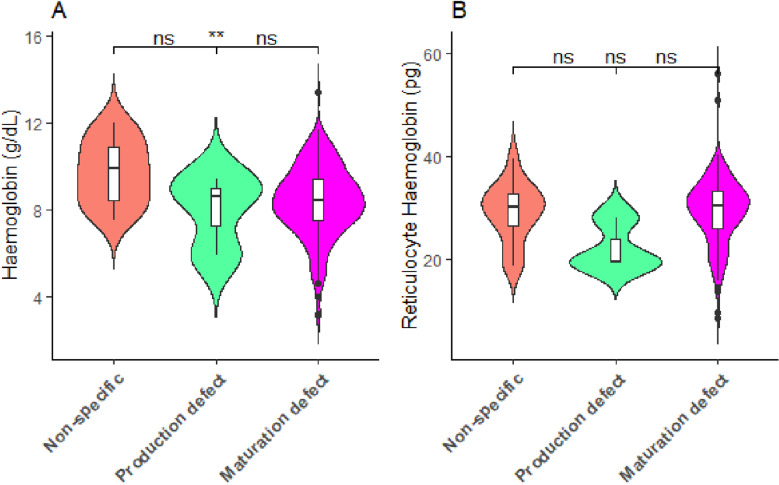 Figure 5
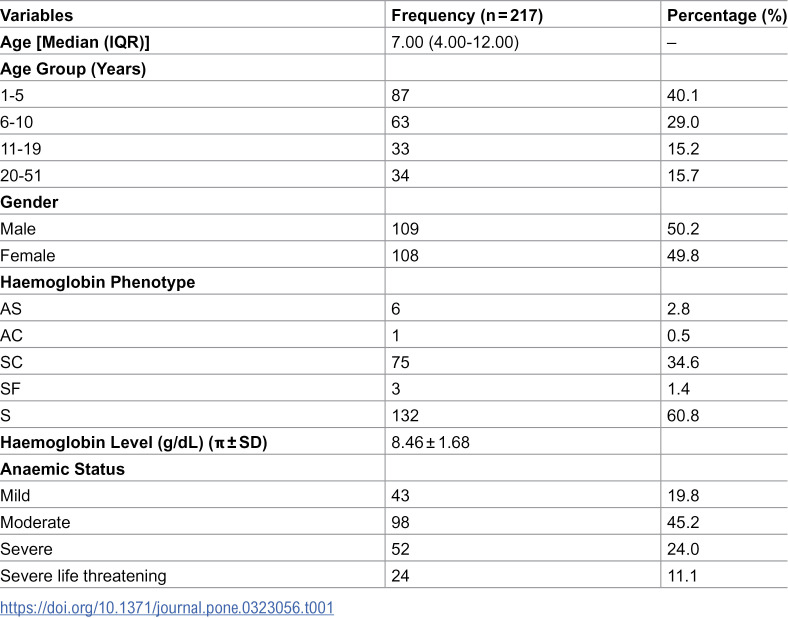 Figure 6
 Figure 7
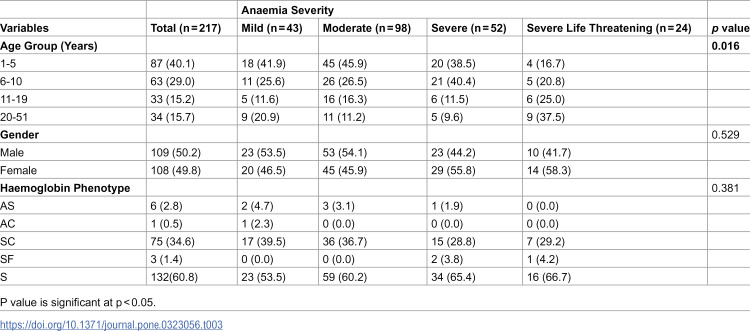 Figure 8
Peer Reviews
No public reviews on file for this paper yet. If you reviewed it on a platform where reviews are public (OpenReview, ICLR, NeurIPS, ICML), you can paste yours below so the community can read it here.
Videos
No videos yet. Explain this paper in a talk, walkthrough, or lecture? Add one.
Taxonomy
TopicsHemoglobinopathies and Related Disorders · Iron Metabolism and Disorders · Erythrocyte Function and Pathophysiology