Evaluating the support and associated strain distribution in unilateral obturator with different designs: An experimental and finite element study
Mohammed Mousa, Adam Husein, Mohamed El-Anwar, Norwahida Yusoff, Hussein Alhelay, Badi Alazhari, Fadhel Alsharari, Bader Alzarea, Mohammed Sghaireen, Johari Yap Abdullah

TL;DR
This study compares different obturator designs to determine which provides the best support and strain distribution using experimental and simulation methods.
Contribution
The study introduces a newly modified fully tripodal obturator design and evaluates its performance using Digital Image Correlation and Finite Element Analysis.
Findings
The acrylic resin-based obturator (ARO) showed the highest strain values on the defect area.
The tripodal design (TDO) produced the lowest strain and provided better support compared to other designs.
The fully tripodal design (FTDO) performed similarly to TDO in terms of strain and support.
Abstract
This study aimed to evaluate support (the resistance to tissue-ward movement) and strain distribution in unilateral obturators with four designs using Digital Image Correlation (DIC) and Finite Element Analysis (FEA). Twelve epoxy-resin models were prepared to receive removable obturators that have four designs, including acrylic resin-based obturators (ARO), linear (LDO), tripodal (TDO), and a newly modified one termed fully tripodal design obturator (FTDO) were used for DIC. The models were installed in a DIC set to receive a vertical load of 150N. The strain on the dentate and defect sides was evaluated using DIC software. Mathematically, four finite element models were prepared to receive vertical and lateral loads of 100N on two points. The support and strain were assessed using the ANSYS workbench. Using DIC, the ARO demonstrated the highest strain values on the defect area and as…
Genes, proteins, chemicals, diseases, species, mutations and cell lines named across the full text — each resolved to its canonical identifier and authoritative record.
Click any figure to enlarge with its caption.
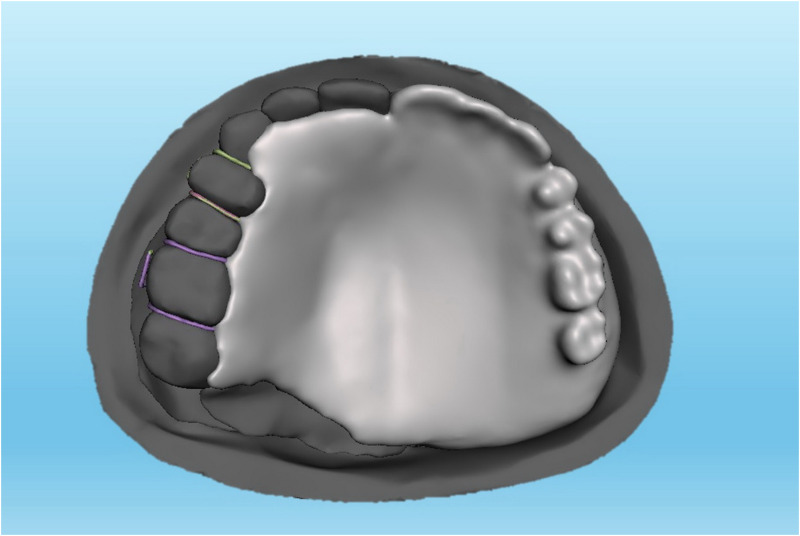 Figure 1
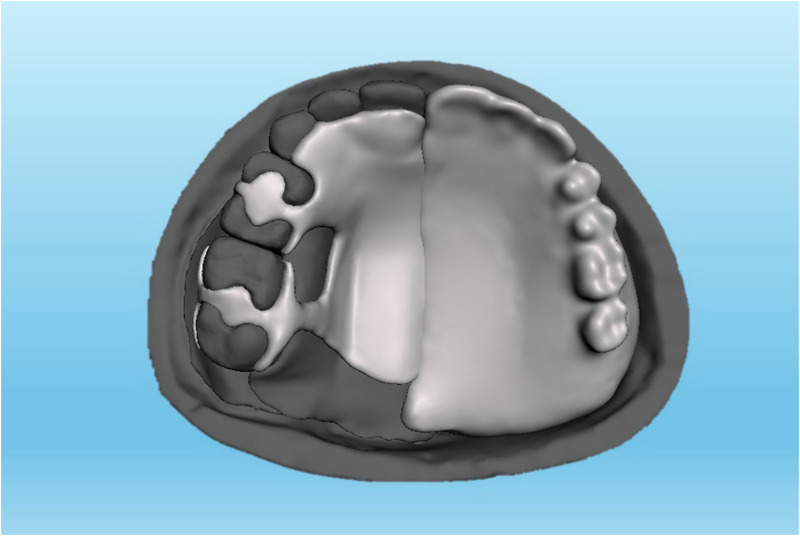 Figure 2
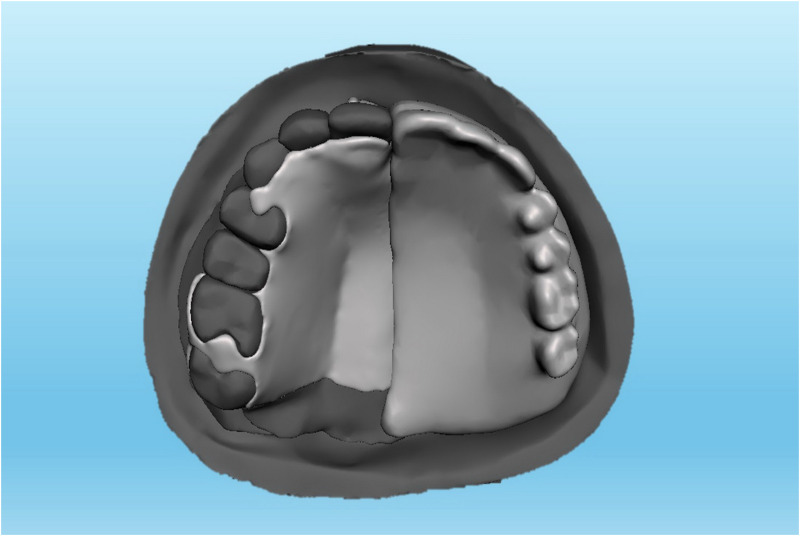 Figure 3
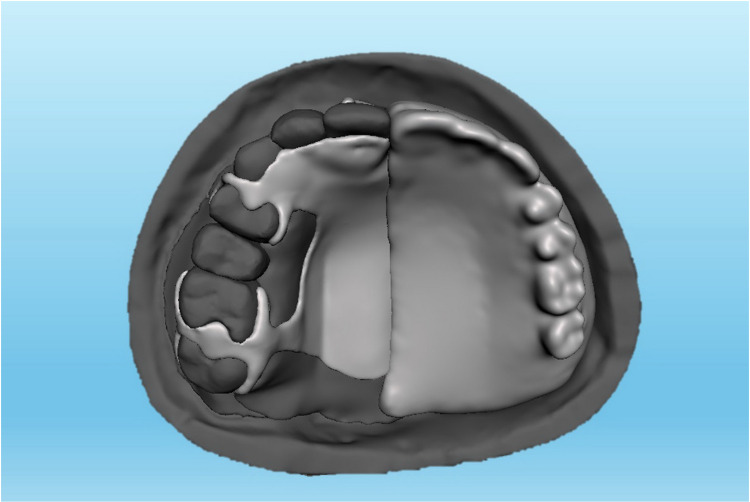 Figure 4
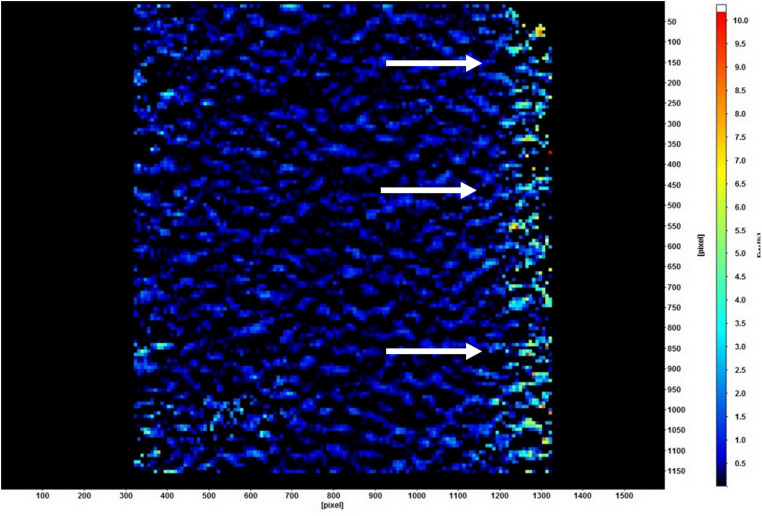 Figure 5
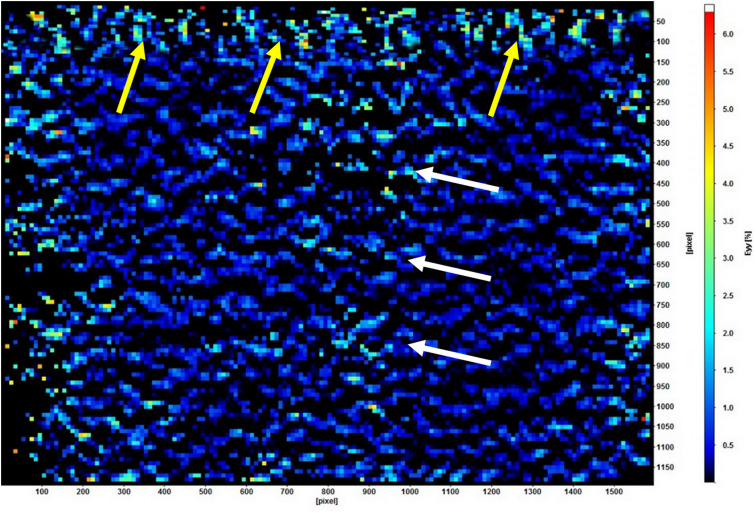 Figure 6
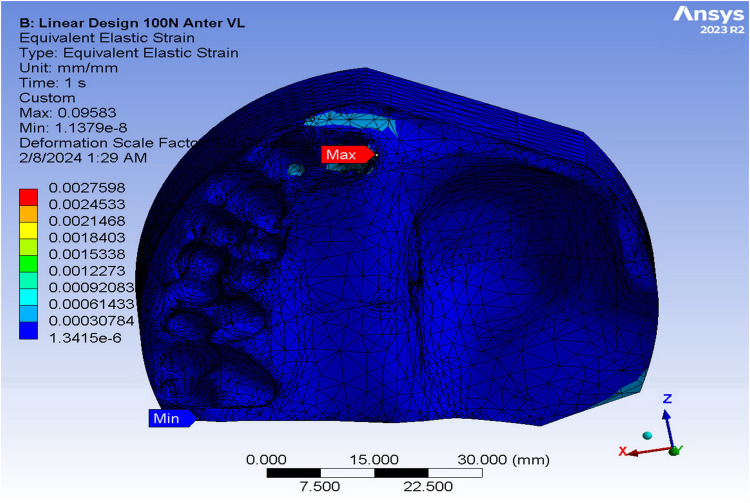 Figure 7
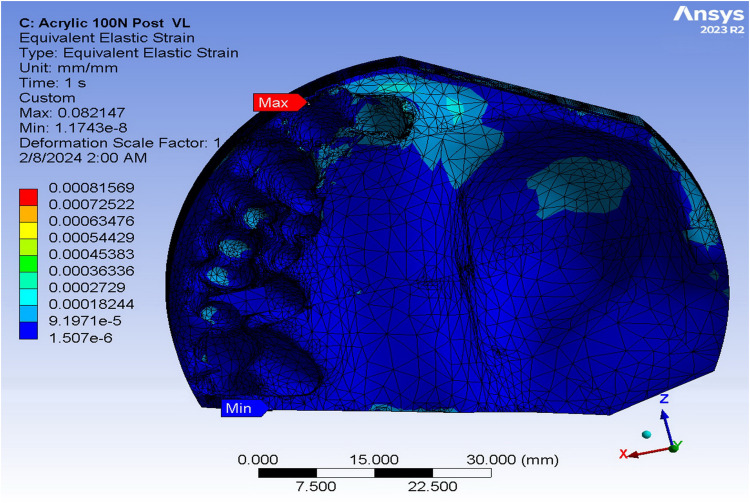 Figure 8
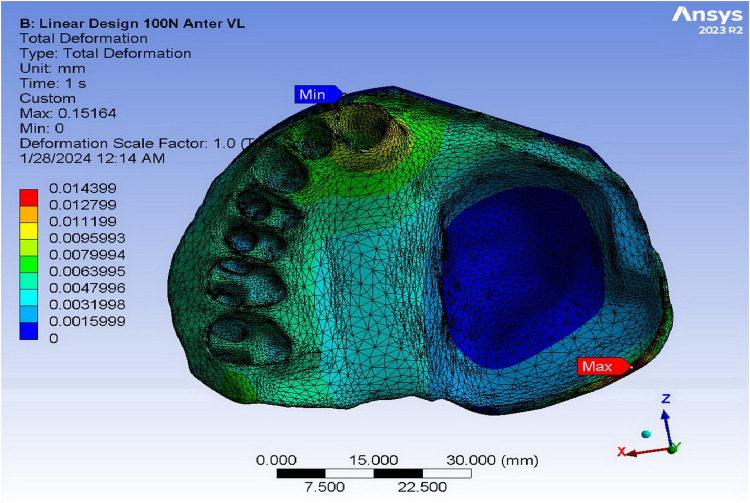 Figure 9
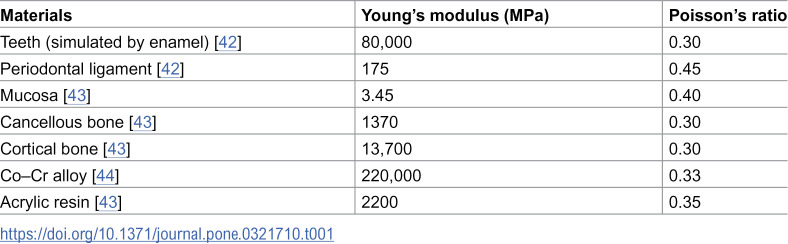 Figure 10
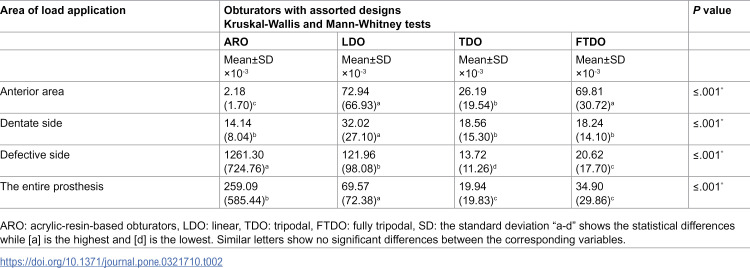 Figure 11
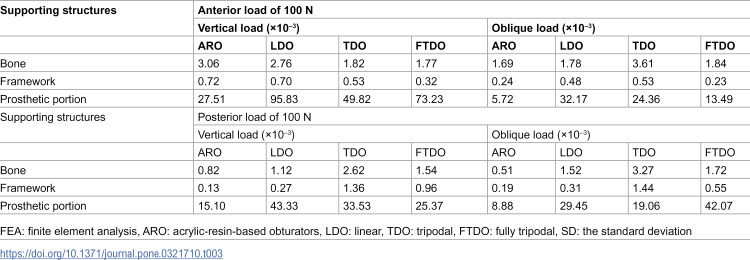 Figure 12
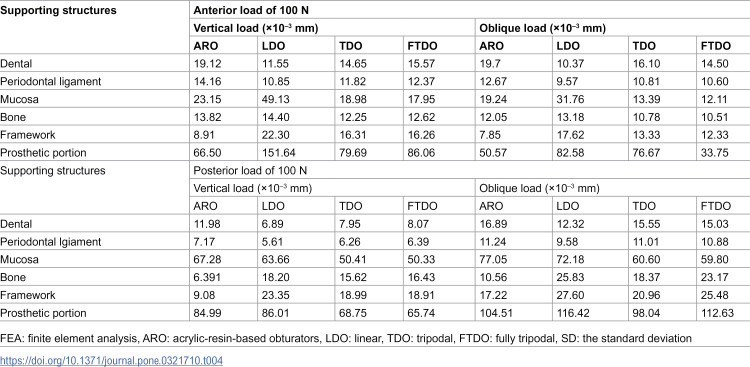 Figure 13
Peer Reviews
No public reviews on file for this paper yet. If you reviewed it on a platform where reviews are public (OpenReview, ICLR, NeurIPS, ICML), you can paste yours below so the community can read it here.
Videos
No videos yet. Explain this paper in a talk, walkthrough, or lecture? Add one.
Taxonomy
TopicsShoulder and Clavicle Injuries · Shoulder Injury and Treatment · Orthopedic Infections and Treatments