Feasibility, Effectiveness, and Acceptability of a Telemedicine Neurological Consultation for Drug-Induced Movement Disorders; A Randomized Pilot Study
Emily Houston, Amanda G. Kennedy, Terry Rabinowitz, Gail L. Rose, James Boyd

TL;DR
This study shows that telemedicine can effectively provide neurological consultations for drug-induced movement disorders in rural areas.
Contribution
The study demonstrates the feasibility and acceptability of telemedicine for neurological consultations in rural mental health settings.
Findings
Telemedicine consultations for DIMDs had low technological issues and were acceptable to participants.
Mental health clinicians found the consult service helpful and reported improved patient care.
Satisfaction scores were slightly higher for in-person consultations, but telemedicine was still well-received.
Abstract
Individuals exposed to neuroleptics are at risk of developing a drug-induced movement disorder (DIMD). Early identification and appropriate management are necessary to minimize the risk of DIMDs worsening and becoming irreversible. Movement disorder neurologists can assist other clinicians in assessing the cause of the DIMD and make care recommendations. The aim of this study was to evaluate if telemedicine can be used to provide a neurological consultation service to patients with DIMDs. Patients referred by mental health clinicians (MHCs) in a rural state were randomized to have a neurological consult in-person or through telemedicine. Participants completed two visits with a neurologist and completed surveys about their experience and well-being. MHCs provided feedback on the service through a survey and qualitative interviews. In the IP group, 79% or participants completed Visit 1…
Genes, proteins, chemicals, diseases, species, mutations and cell lines named across the full text — each resolved to its canonical identifier and authoritative record.
Click any figure to enlarge with its caption.
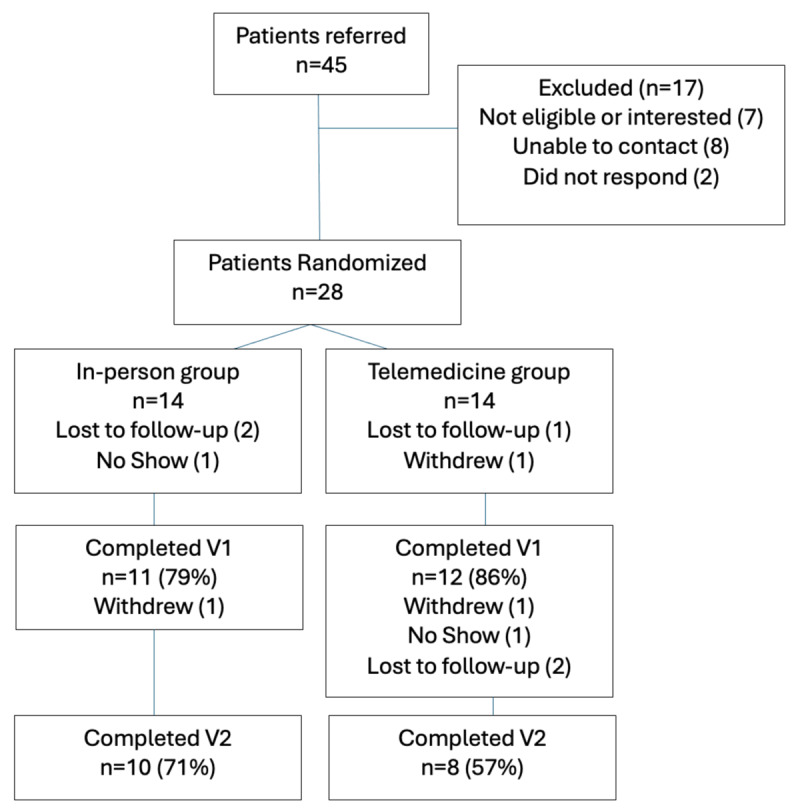 Figure 1
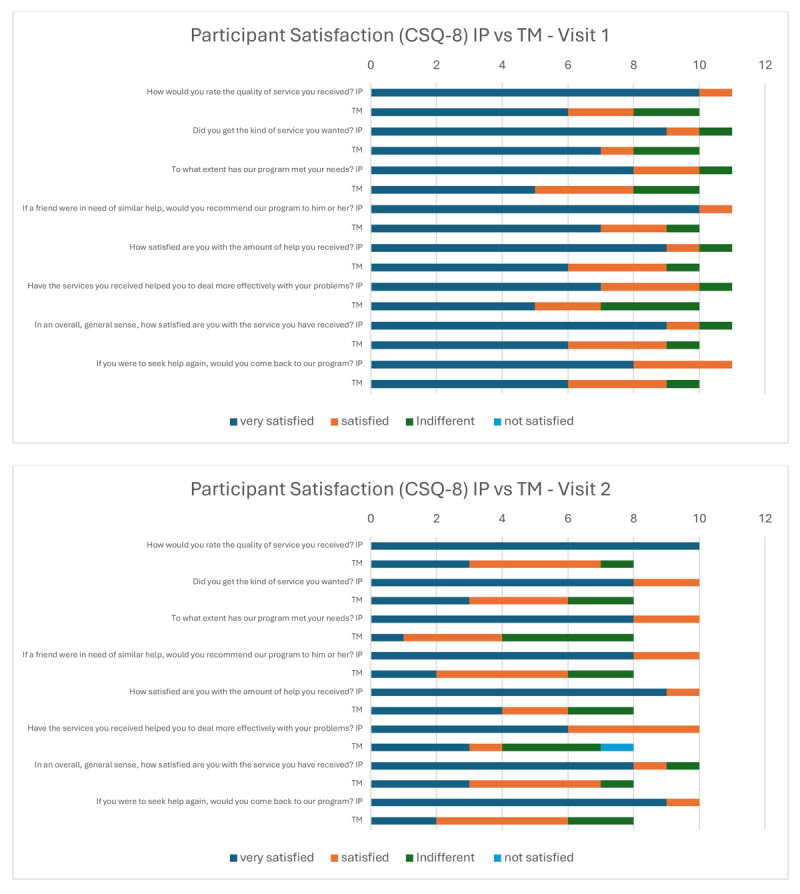 Figure 2
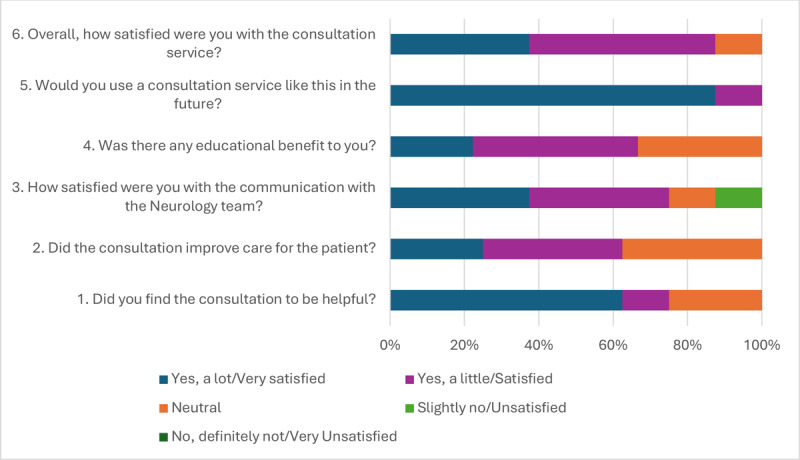 Figure 3
Peer Reviews
No public reviews on file for this paper yet. If you reviewed it on a platform where reviews are public (OpenReview, ICLR, NeurIPS, ICML), you can paste yours below so the community can read it here.
Videos
No videos yet. Explain this paper in a talk, walkthrough, or lecture? Add one.
Taxonomy
TopicsNeurological disorders and treatments · Botulinum Toxin and Related Neurological Disorders · Parkinson's Disease Mechanisms and Treatments