Low Molecular Weight 35 kDa Hyaluronan Fragment HA35 Effectively Controls Post-surgery and Post-radiation Pain in a Patient With Hypopharyngeal Cancer: A Case Report
Zongchun Zhang, Xiaoxiao Jia, Dylan Treger, Hui Wang, Mizhou M Hui

TL;DR
A patient with hypopharyngeal cancer experienced significant pain relief using low molecular weight hyaluronan fragment HA35 after surgery and radiation therapy.
Contribution
HA35 effectively managed post-surgery and post-radiation pain in a hypopharyngeal cancer patient with long-term benefits and no adverse effects.
Findings
HA35 injections significantly reduced pain and eliminated the need for sedatives in a hypopharyngeal cancer patient.
Long-term use of HA35 improved quality of life, alleviated anxiety and fatigue, and showed no adverse reactions.
Oral HA35 concentrate and injection therapy effectively controlled both regular and post-radiation pain over a one-year period.
Abstract
Hypopharyngeal cancer, a rare form of throat cancer, is typically treated with a combination of surgery, chemotherapy, and radiation therapy. These treatments often result in severe pain and discomfort for patients, particularly after surgery and radiation therapy. Hyaluronan, a calcium channel TRPV1 blocker, can help alleviate pain. However, its clinical use is limited by its molecular weight, which affects tissue penetration. Low molecular weight hyaluronan fragments, such as HA35, have good tissue permeability and have been successfully used to treat various types of pain. We reported a case of a 50-year-old male patient with hypopharyngeal cancer, esophageal cancer, and metastases to the skull base. The patient reported nerve pain radiating to the temple due to surgical damage to the first cervical vertebra. This pain was unresponsive to five daily doses of painkillers following…
Genes, proteins, chemicals, diseases, species, mutations and cell lines named across the full text — each resolved to its canonical identifier and authoritative record.
Click any figure to enlarge with its caption.
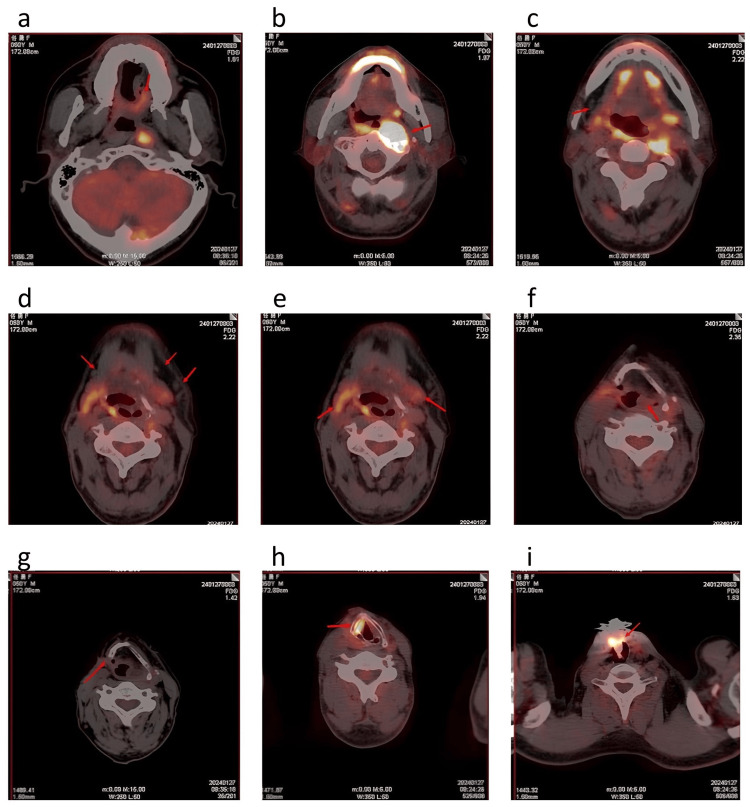 Figure 1
Peer Reviews
No public reviews on file for this paper yet. If you reviewed it on a platform where reviews are public (OpenReview, ICLR, NeurIPS, ICML), you can paste yours below so the community can read it here.
Videos
No videos yet. Explain this paper in a talk, walkthrough, or lecture? Add one.
Taxonomy
TopicsProteoglycans and glycosaminoglycans research · Head and Neck Cancer Studies · Oral health in cancer treatment