Requalification of patients with severe asthma for biological therapy—Practical ‘ReQuaBi’ rate decision scheme based on the analytical model
Alicja Majos, Anna Ben Drissi, Maciej Kupczyk, Michał Panek

TL;DR
This study creates a decision scheme to requalify severe asthma patients for biological therapy using clinical data like blood markers and comorbidities.
Contribution
The novel 'ReQuaBi' decision scheme is proposed for requalifying asthma patients for biologics based on clinical data analysis.
Findings
Blood eosinophilia was the most frequently used criterion for requalification.
Mepolizumab showed the highest treatment longevity compared to other biologics.
Extensive re-diagnosis was rarely needed for requalification decisions.
Abstract
Patients with severe asthma experience decreased quality of life due to fixed airway obstruction, hospitalisations and potential fatalities. However, to date, the requalification of severe asthma patients eligible for biological therapy in daily clinical practice remains unstudied. The aim of the study was to prepare a universal decision‐making algorithm for requalifying patients for biological therapy based on available clinical data obtained from a leading reference centre in Poland. All severe asthma patients treated with biologics since 2013 at the Internal Medicine, Asthma and Allergy Department (Medical University of Lodz, Poland), were analysed. The analysis included demographic (age, sex), pre‐treatment (reported at qualification: oral glucocorticosteroids use, total IgE serum level, peripheral blood eosinophilia, co‐morbidities: atopic dermatitis, chronic allergic rhinitis or…
Genes, proteins, chemicals, diseases, species, mutations and cell lines named across the full text — each resolved to its canonical identifier and authoritative record.
Click any figure to enlarge with its caption.
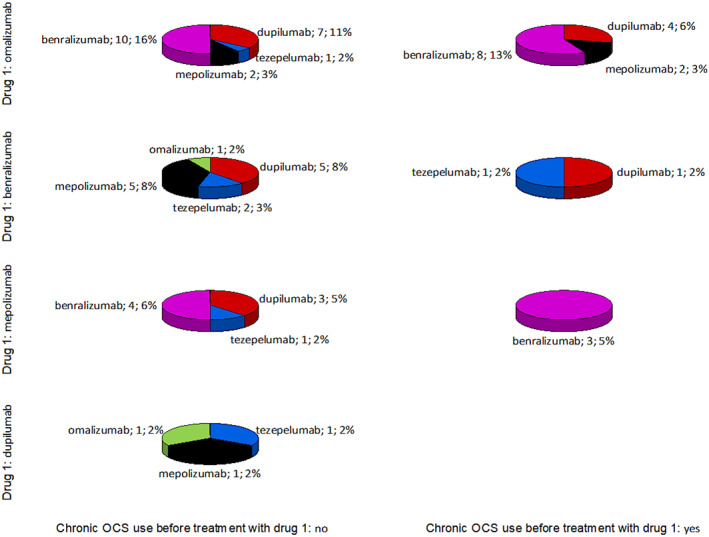 Figure 1
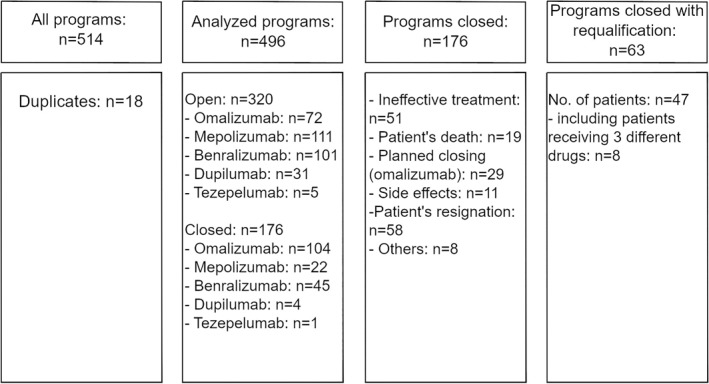 Figure 2
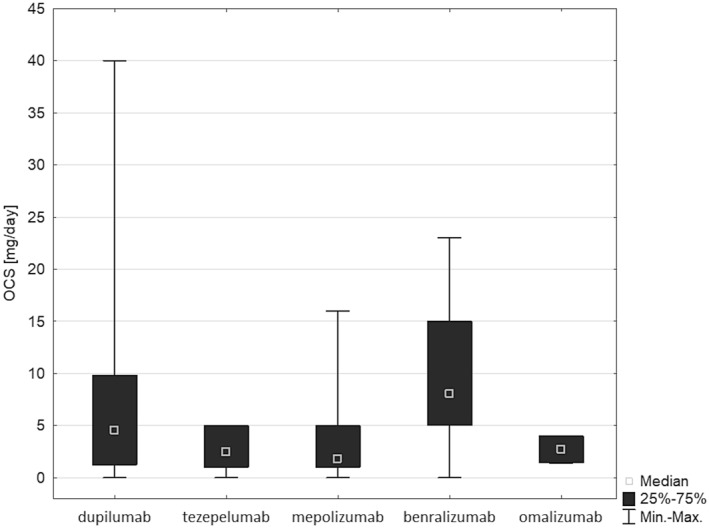 Figure 3
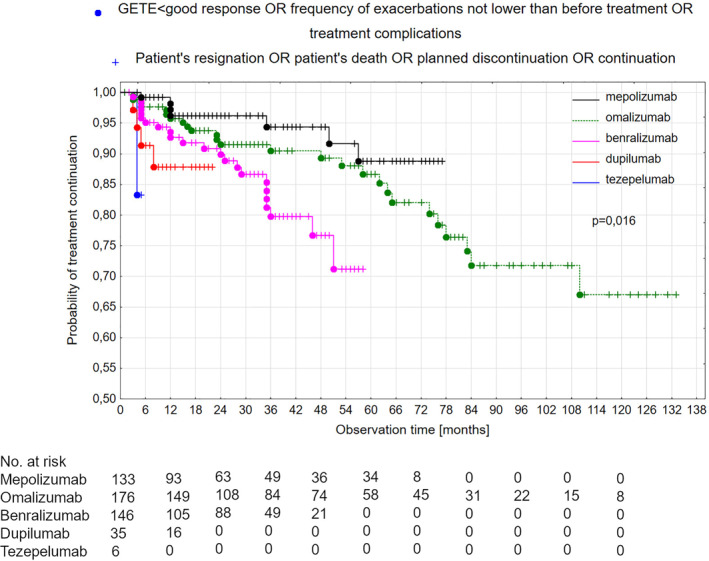 Figure 4
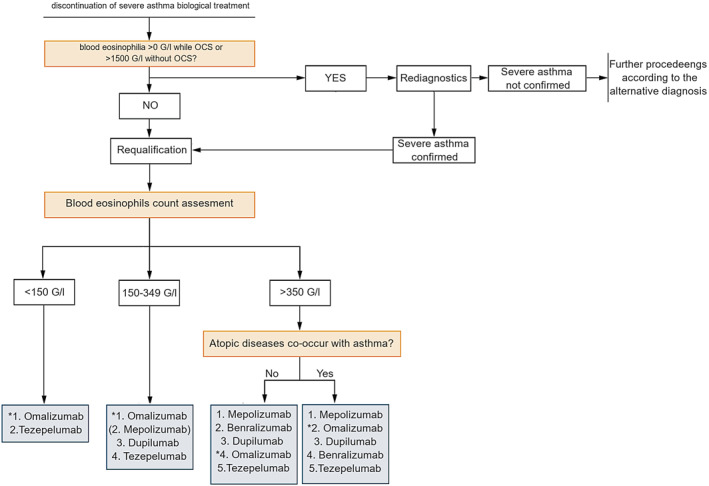 Figure 5
Peer Reviews
No public reviews on file for this paper yet. If you reviewed it on a platform where reviews are public (OpenReview, ICLR, NeurIPS, ICML), you can paste yours below so the community can read it here.
Videos
No videos yet. Explain this paper in a talk, walkthrough, or lecture? Add one.
Taxonomy
TopicsAsthma and respiratory diseases · Allergic Rhinitis and Sensitization · Respiratory and Cough-Related Research