Tristetraprolin affects invasion‐associated genes expression and cell motility in triple‐negative breast cancer model
Anastasiia Hubiernatorova, Josef Novak, Michaela Vaskovicova, David Sekac, Serhii Kropyvko, Zdenek Hodny

TL;DR
This study shows that TTP reduces cytoskeleton-related gene expression and cell motility in triple-negative breast cancer, and explores its relationship with doxorubicin treatment.
Contribution
The study reveals novel insights into TTP's role in regulating cytoskeleton genes and its potential limitations as a prognostic marker in doxorubicin-treated breast cancer patients.
Findings
Ectopic TTP expression in MDA-MB-231 cells decreases CTTN and SH3PXD2A mRNA levels and impairs cell motility.
Doxorubicin increases TTP expression and reduces cytoskeleton gene mRNA levels, but not via TTP.
High TTP expression may be a positive prognostic marker, but its interpretation is complicated in doxorubicin-treated patients.
Abstract
Tristetraprolin (TTP) is an RNA‐binding protein that negatively regulates its target mRNAs and has been shown to inhibit tumor progression and invasion. Tumor invasion requires precise regulation of cytoskeletal components, and dysregulation of cytoskeleton‐associated genes can significantly alter cell motility and invasive capability. Several genes, including SH3PXD2A, SH3PXD2B, CTTN, WIPF1, and WASL, are crucial components of the cytoskeleton reorganization machinery and are essential for adequate cell motility. These genes are also involved in invasion processes, with SH3PXD2A, SH3PXD2B, WIPF1, and CTTN being key components of invadopodia—specialized structures that facilitate invasion. However, the regulation of these genes is not well understood. This study demonstrates that ectopic expression of TTP in MDA‐MB‐231 cells leads to decreased mRNA levels of CTTN and SH3PXD2A, as well…
Genes, proteins, chemicals, diseases, species, mutations and cell lines named across the full text — each resolved to its canonical identifier and authoritative record.
Click any figure to enlarge with its caption.
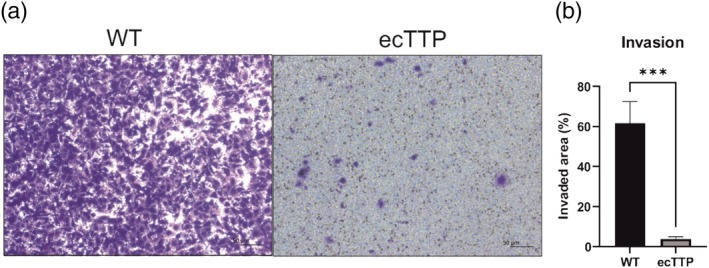 Figure 1
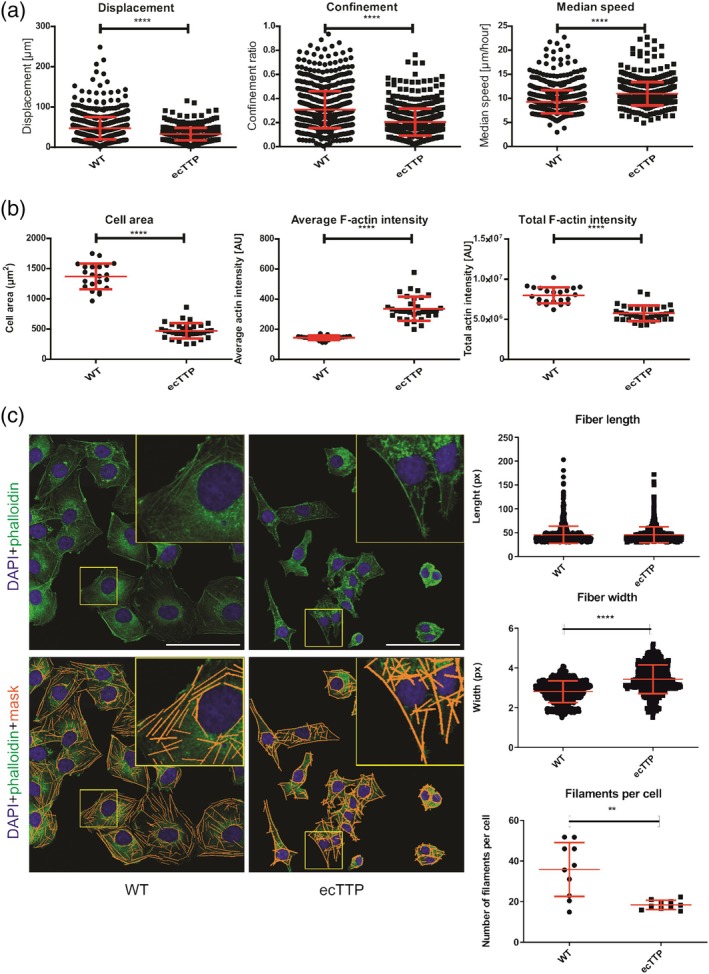 Figure 2
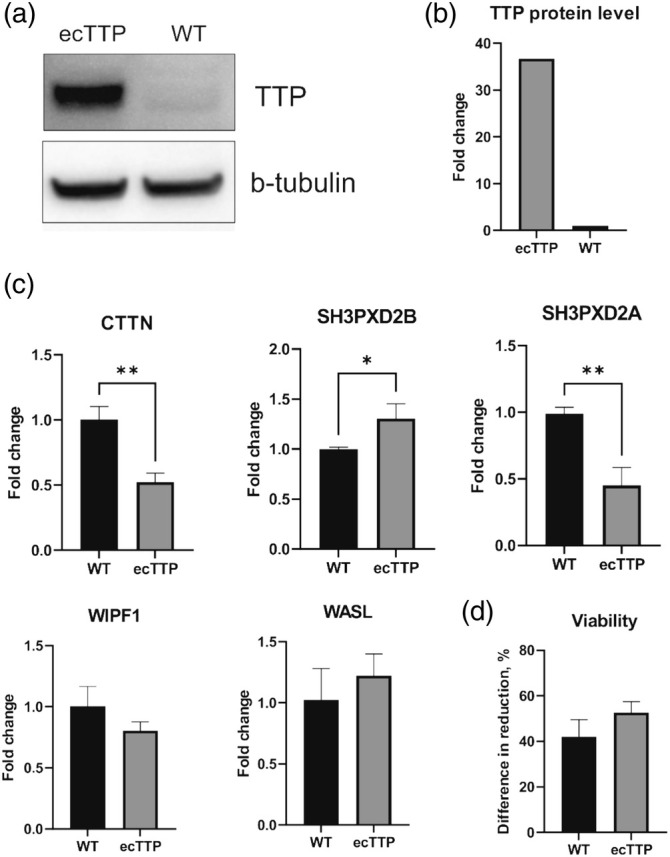 Figure 3
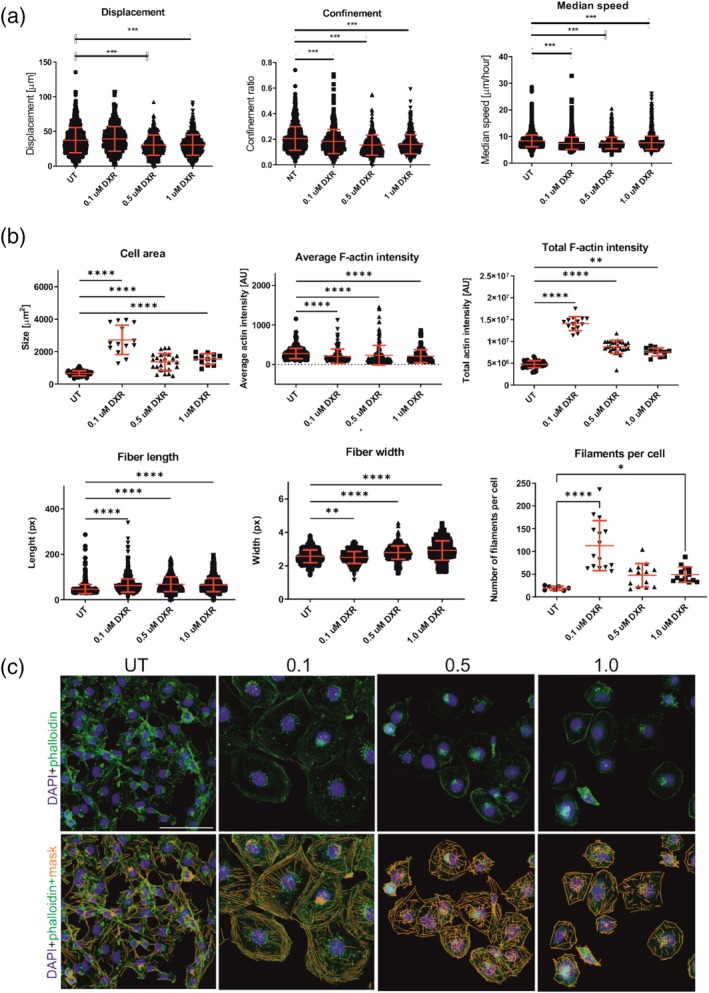 Figure 4
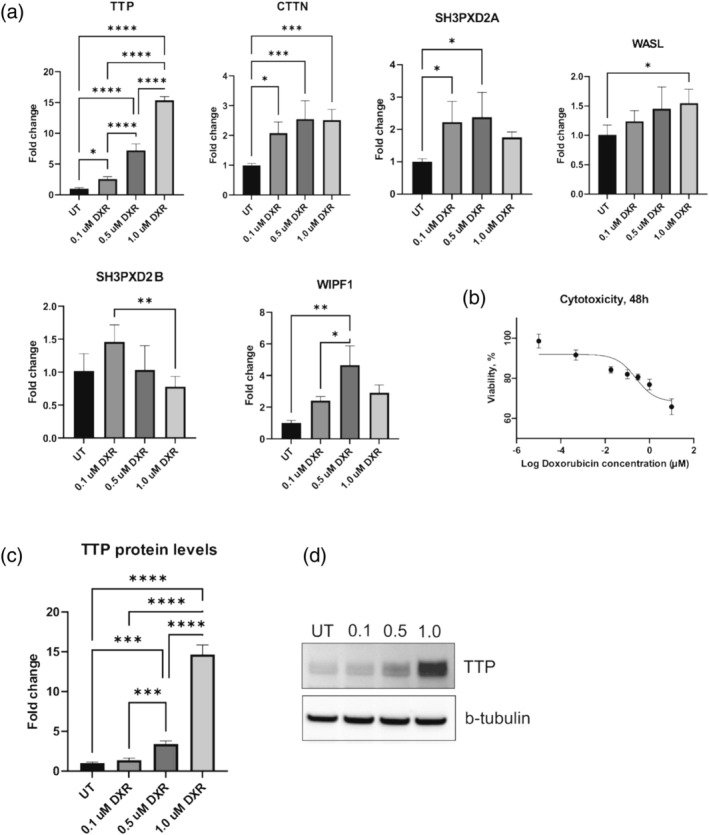 Figure 5
Peer Reviews
No public reviews on file for this paper yet. If you reviewed it on a platform where reviews are public (OpenReview, ICLR, NeurIPS, ICML), you can paste yours below so the community can read it here.
Videos
No videos yet. Explain this paper in a talk, walkthrough, or lecture? Add one.
Taxonomy
TopicsRNA Research and Splicing · Cellular Mechanics and Interactions · Nuclear Structure and Function