Reduced blood EPAC1 protein levels as a marker of severe coronary artery disease: the role of hypoxic foam cell-transformed smooth muscle cells
Eduardo Garcia, Lene Claudi, Maria Teresa La Chica Lhoëst, Anna Polishchuk, Valerie Samouillan, Aleyda Benitez Amaro, Janet Pinero, Joan Carles Escolà-Gil, Eduard Sabidó, Ruben Leta, David Vilades, Vicenta Llorente Cortes

TL;DR
Low levels of EPAC1 protein in the blood may indicate severe coronary artery disease, with foam smooth muscle cells under hypoxia producing less EPAC1.
Contribution
Identified EPAC1 as a novel biomarker for severe coronary artery disease with high diagnostic accuracy.
Findings
Circulating EPAC1 levels were significantly lower in CAD patients compared to controls.
EPAC1 predicted severe CAD with 69.6% sensitivity and 79.4% specificity, outperforming hs-CRP and hs-TnT.
Hypoxic foam-SMCs showed reduced EPAC1 mRNA and protein levels.
Abstract
Vascular smooth muscle cells loaded with cholesterol (foam-VSMCs) play a crucial role in the progression of human atherosclerosis. Exchange Protein Directly Activated by cAMP 1 (EPAC1) is a critical protein in the regulation of vascular tone, endothelial function, and inflammation. Our objectives were to identify proteins specifically secreted by foam human coronary VSMCs (foam-hcVSMC) to evaluate their potential as circulating biomarkers for diagnosing coronary artery disease (CAD), and to ascertain the mechanisms underlying their levels in the blood of patients with CAD. Differential proteomics identified EPAC1 as a differential foam-hcVSMC-secreted protein. Circulating EPAC1 levels were measured by ELISA in blood from 202 patients with suspected CAD who underwent coronary computed tomography angiography (CCTA). Blood EPAC1 levels were significantly lower in CAD patients compared to…
Genes, proteins, chemicals, diseases, species, mutations and cell lines named across the full text — each resolved to its canonical identifier and authoritative record.
Click any figure to enlarge with its caption.
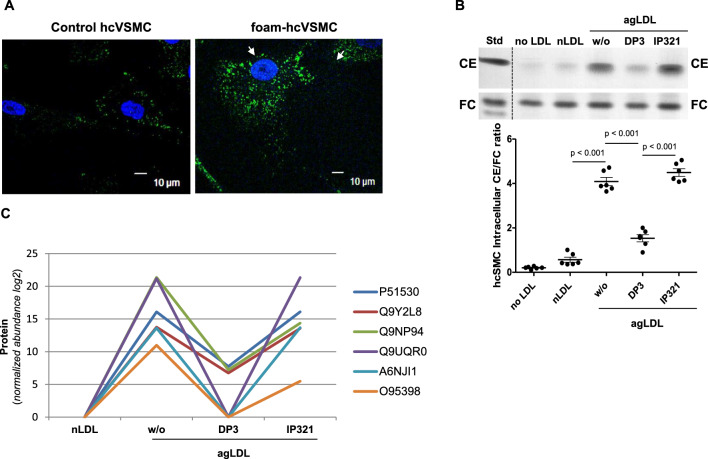 Figure 1
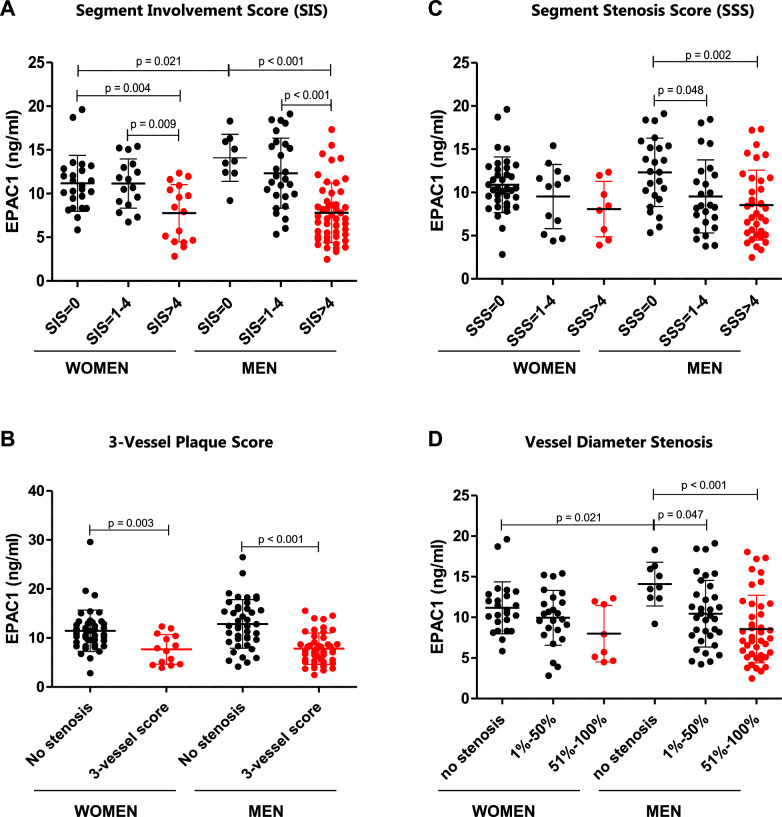 Figure 2
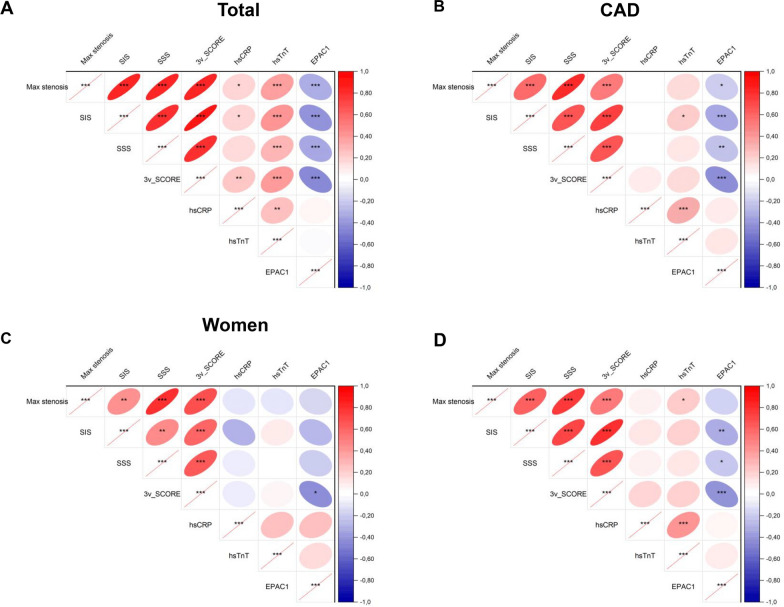 Figure 3
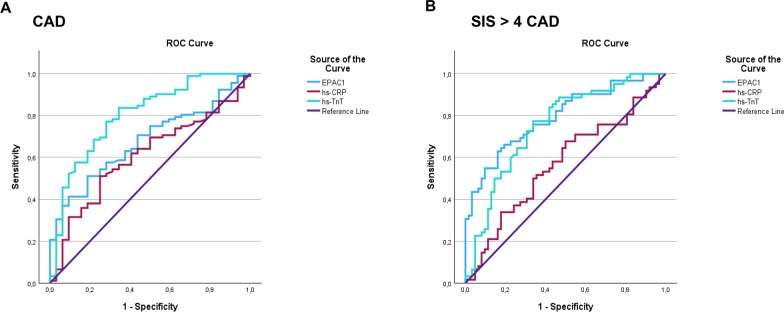 Figure 4
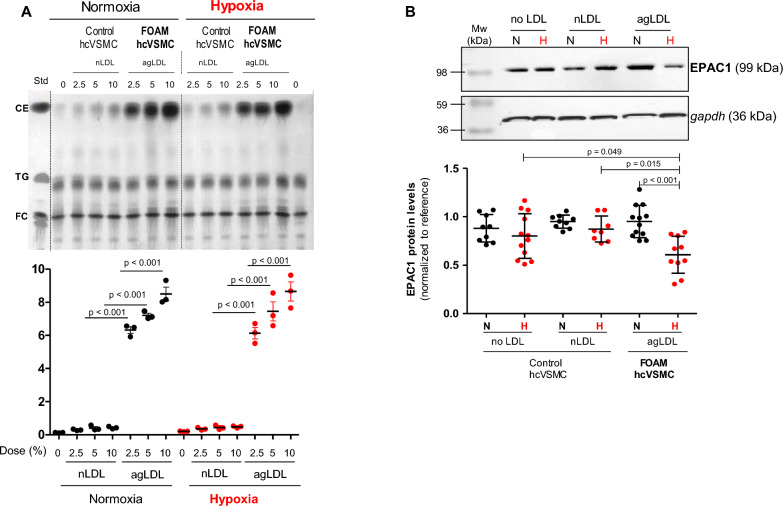 Figure 5
Peer Reviews
No public reviews on file for this paper yet. If you reviewed it on a platform where reviews are public (OpenReview, ICLR, NeurIPS, ICML), you can paste yours below so the community can read it here.
Videos
No videos yet. Explain this paper in a talk, walkthrough, or lecture? Add one.
Taxonomy
TopicsLipoproteins and Cardiovascular Health · Acute Myocardial Infarction Research · Protease and Inhibitor Mechanisms