Altered aminoacid and lipid metabolism in a rat orofacial inflammation model determined by omics approach: potential role in trigeminal sensitisation
Krisztina Takács-Lovász, Timea Aczél, Violetta Mohos, Máté Harmath, Jennet Pirkuliyeva, Gellért Karvaly, Róbert Farkas, Michal Ciborowski, Joanna Godzien, Kata Bölcskei, József Kun, Zsuzsanna Helyes

TL;DR
This study uses omics methods to identify metabolic and genetic changes in a rat model of orofacial inflammation, revealing potential targets for treating trigeminal pain and headaches.
Contribution
The study integrates metabolomic and transcriptomic data to uncover novel mechanisms in trigeminal sensitization linked to orofacial pain.
Findings
Plasma levels of carnosine, serotonin, and fatty acids increased, while amino acids and lipids like tryptophan and sphingolipids decreased.
CFA altered gene expression in the trigeminal ganglia, upregulating Cxcr3 and downregulating GNRHR.
Altered amino acid metabolism and fatty acid oxidation were linked to neuroinflammation and immune responses.
Abstract
Trigeminal activation and sensitisation involved in chronic inflammatory orofacial pain share several similarities with headaches, including migraine. Therefore, understanding the pathophysiological mechanisms is important to determine novel therapies, in which animal models are crucial. Here we aimed to identify key mediators, mechanisms and networks using unbiased multi-omic approaches in a rat orofacial inflammatory pain model. Complete Freund’s Adjuvant (CFA, 50 µl, 1 mg/mL) was injected into the right whisker pad of male Wistar rats (n = 5–11/group), mechanonociceptive threshold was measured by von Frey filaments. Plasma concentrations of metabolites were measured both by targeted (MxP Quant 500 kit) and untargeted mass spectrometry methods on day 3 when maximal facial allodynia developed. Next-generation sequencing of the trigeminal ganglia (TG) was performed, furthermore,…
Genes, proteins, chemicals, diseases, species, mutations and cell lines named across the full text — each resolved to its canonical identifier and authoritative record.
Click any figure to enlarge with its caption.
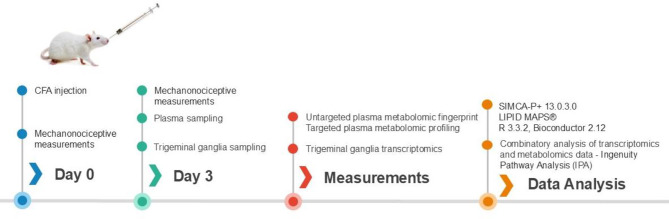 Figure 1
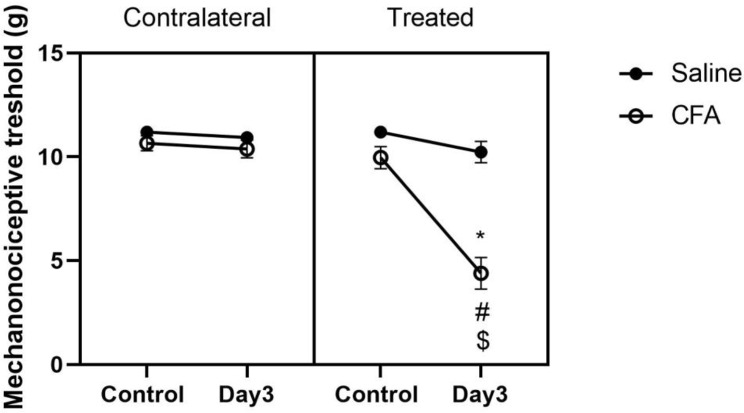 Figure 2
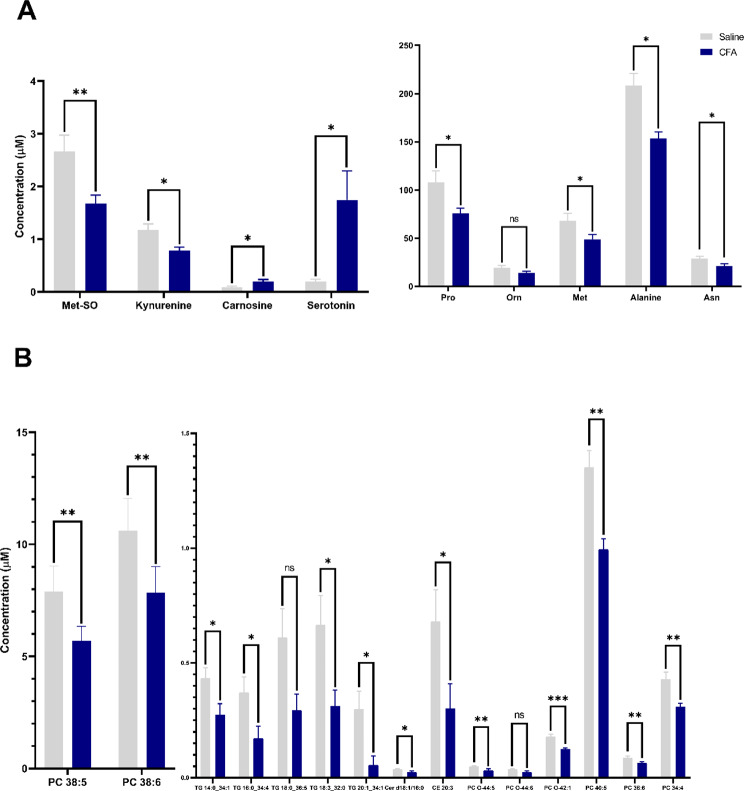 Figure 3
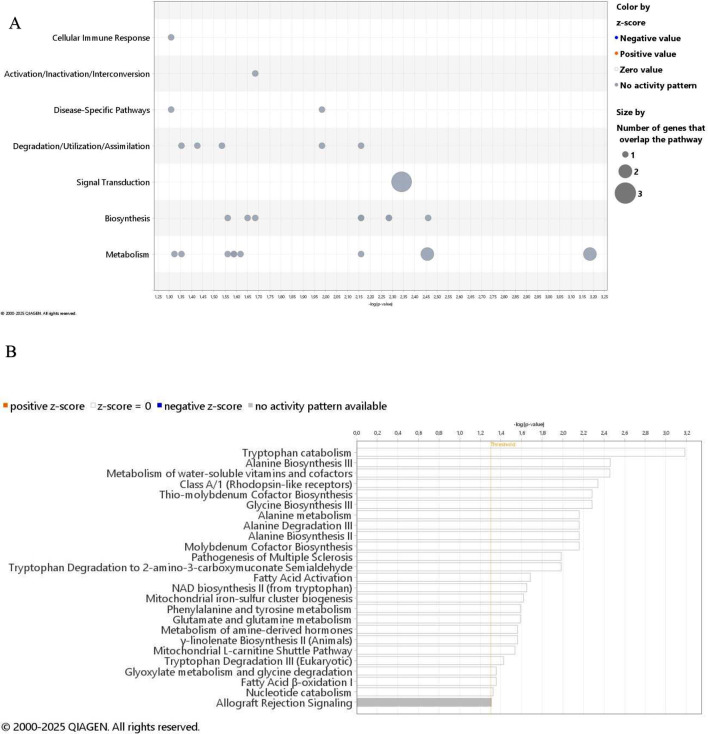 Figure 4
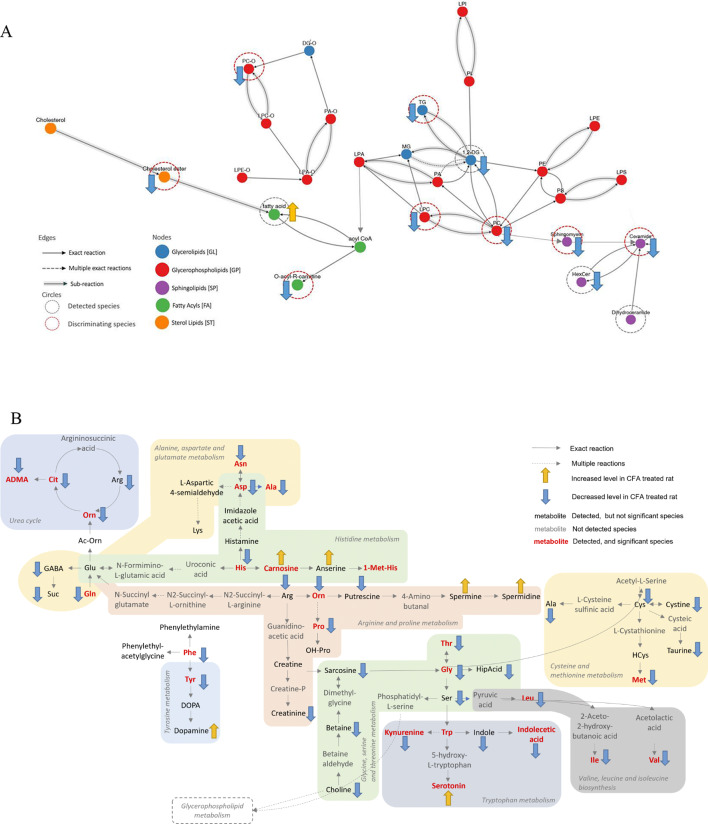 Figure 5
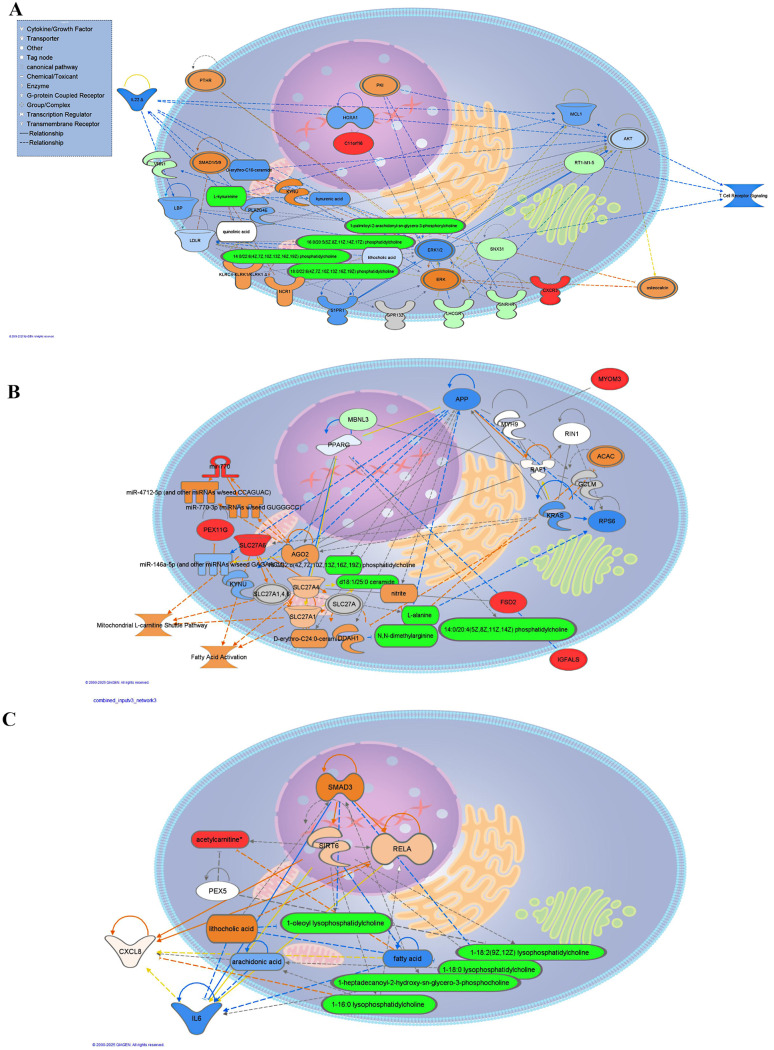 Figure 6
Peer Reviews
No public reviews on file for this paper yet. If you reviewed it on a platform where reviews are public (OpenReview, ICLR, NeurIPS, ICML), you can paste yours below so the community can read it here.
Videos
No videos yet. Explain this paper in a talk, walkthrough, or lecture? Add one.
Taxonomy
TopicsBiochemical effects in animals · Pain Mechanisms and Treatments · Stress Responses and Cortisol