Impact of the Coformer Carbon-Chain Length on the Properties of Haloperidol Pharmaceutical Salts
Francisco J. Acebedo-Martínez, Carolina Alarcón-Payer, Alicia Domínguez-Martín, Antonio Frontera, Cristóbal Verdugo-Escamilla, Duane Choquesillo-Lazarte

TL;DR
This study examines how the length of carbon chains in coformers affects the properties of haloperidol drug forms to improve solubility and stability.
Contribution
The study introduces a rational strategy for coformer selection in haloperidol salts to enhance drug performance.
Findings
X-ray diffraction and DFT calculations reveal how coformer carbon-chain length affects crystal structures.
Longer carbon chains improve solubility and stability of haloperidol multicomponent materials.
Mechanochemical synthesis and thermal analysis confirm the impact of coformer structure on drug properties.
Abstract
Haloperidol (HAL) is a conventional antipsychotic drug with poor aqueous solubility, which is associated with a major risk of side effects. In this context, crystal engineering has provided an efficient approach for tuning the physicochemical properties of active pharmaceutical ingredients (APIs). However, there is a huge lack of knowledge about how coformer molecules impact the pharmaceutical properties of the multicomponent materials, with special attention to solubility and stability. To this purpose, five novel salts and three ionic cocrystals were synthesized using HAL and a series of closely related dicarboxylic acid counterions. Mechanochemical strategies were applied for synthesis, while thermal, spectroscopic, and X-ray diffraction techniques were used for a complete characterization of the materials. By understanding the relationships between the crystal structures and the…
Genes, proteins, chemicals, diseases, species, mutations and cell lines named across the full text — each resolved to its canonical identifier and authoritative record.
Click any figure to enlarge with its caption.
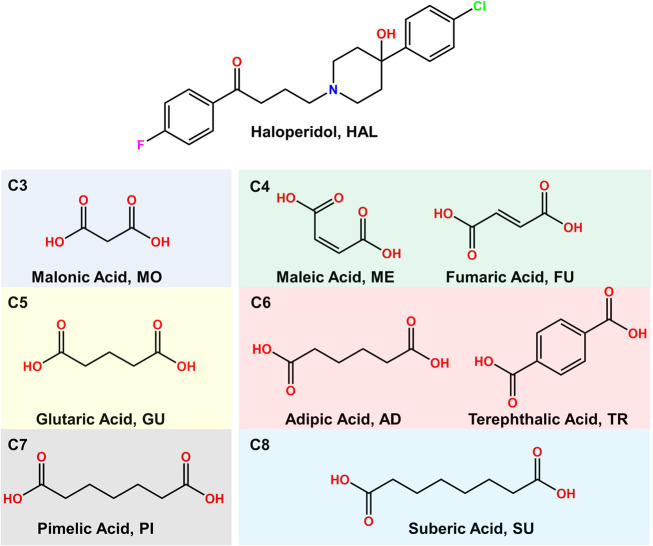 Figure 1
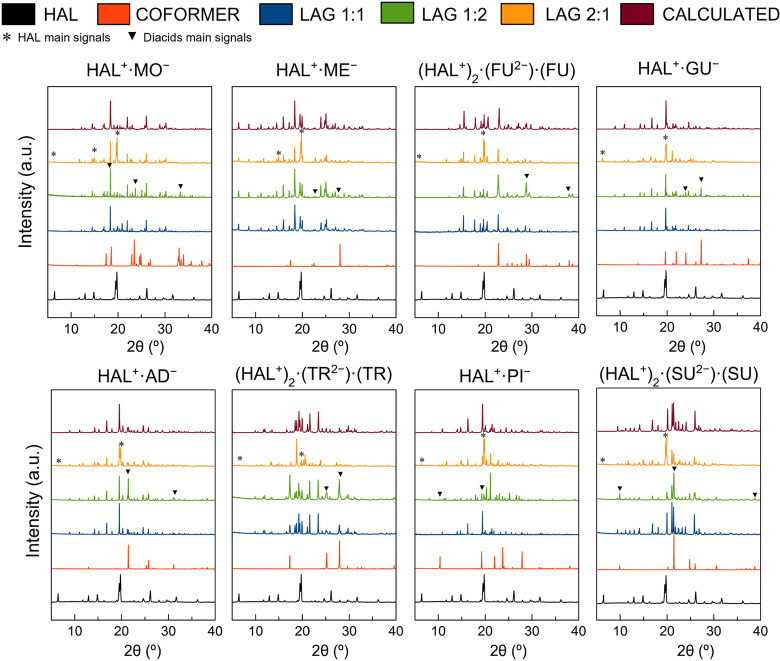 Figure 2
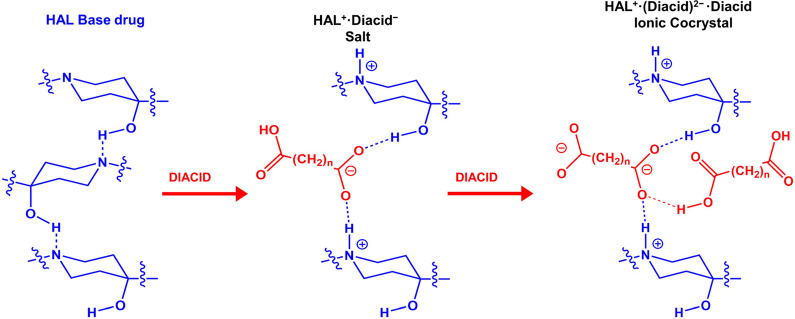 Figure 3
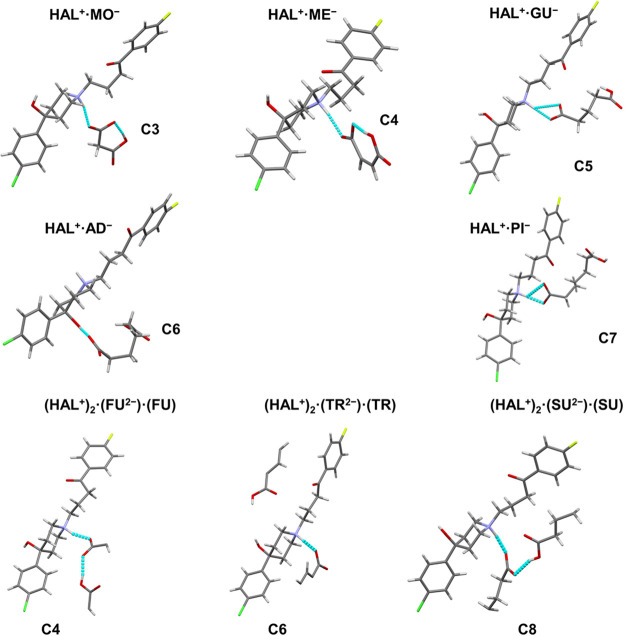 Figure 4
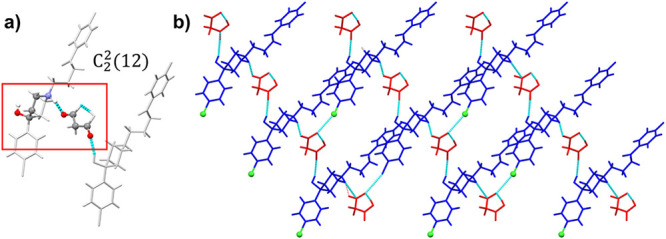 Figure 5
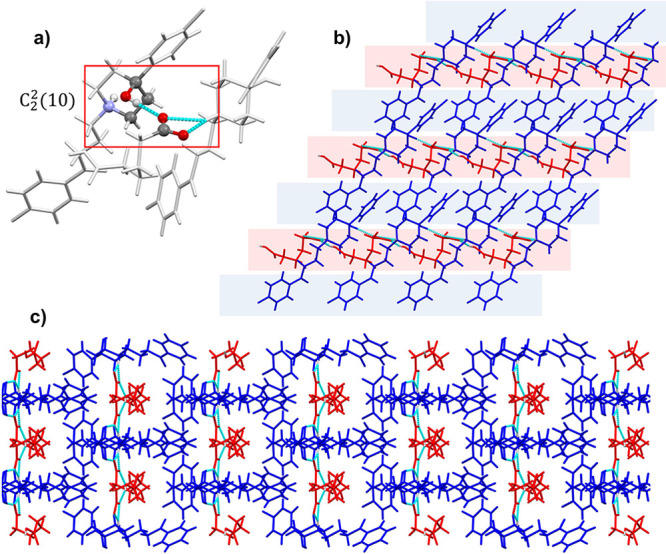 Figure 6
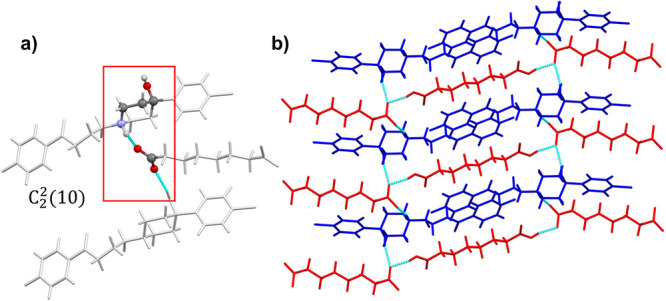 Figure 7
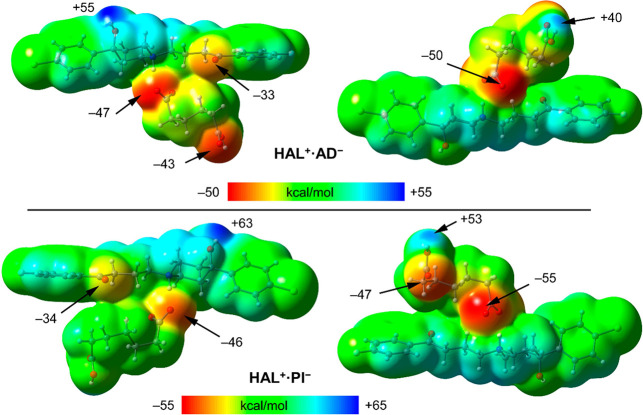 Figure 8
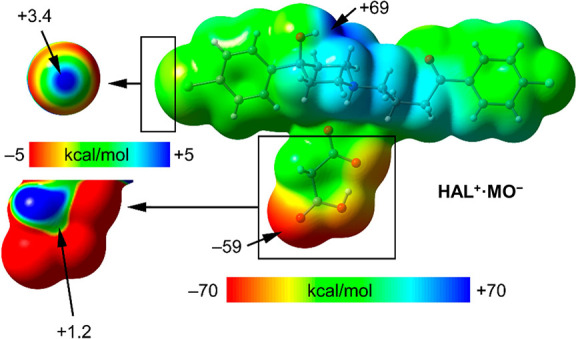 Figure 9
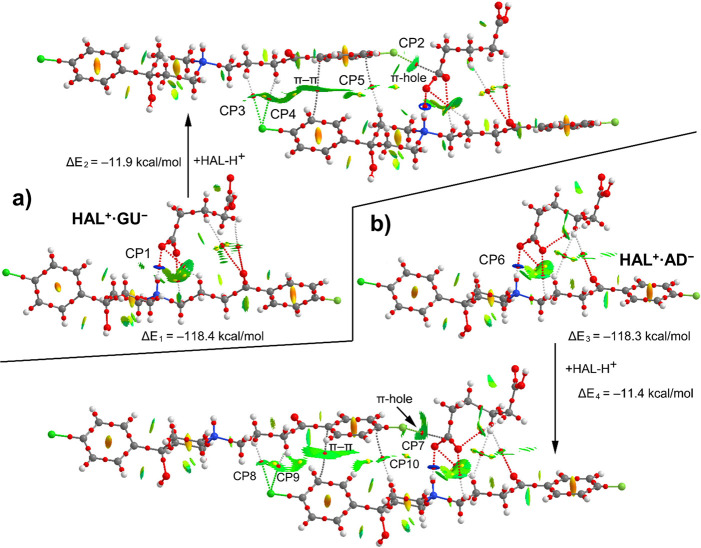 Figure 10
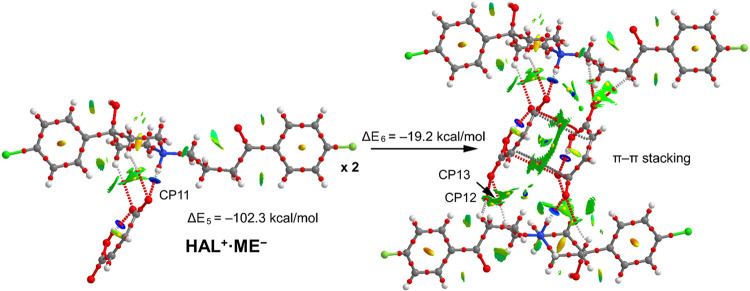 Figure 11
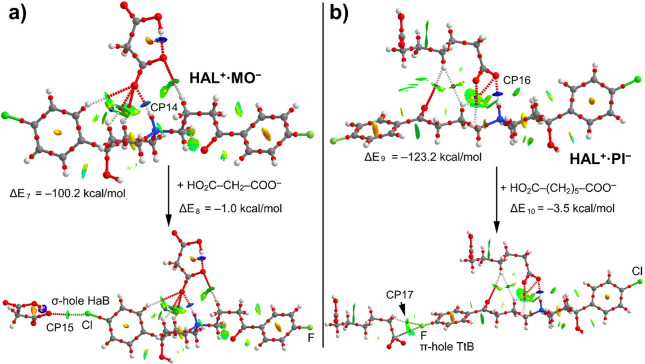 Figure 12
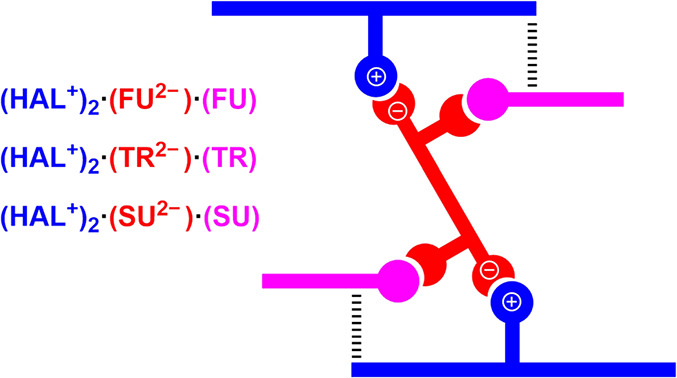 Figure 13
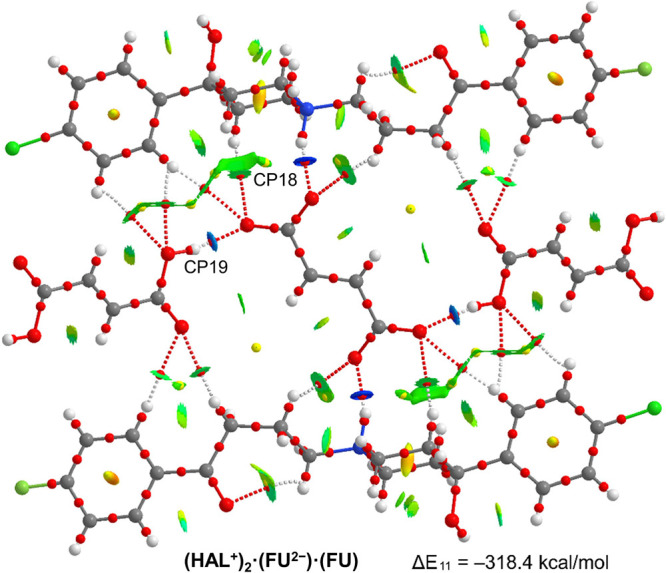 Figure 14
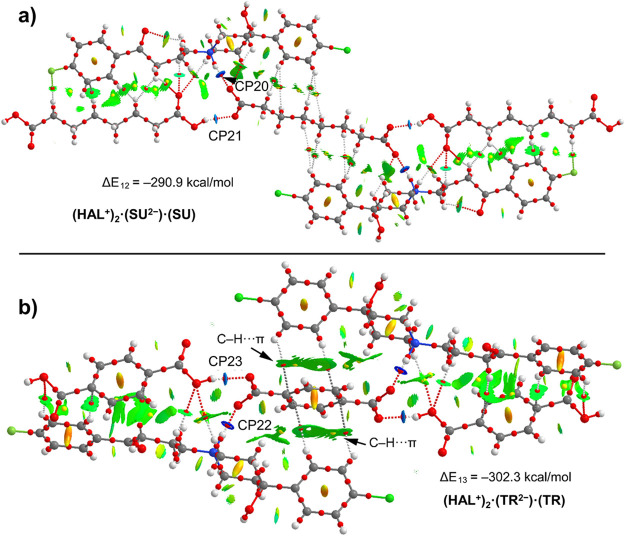 Figure 15
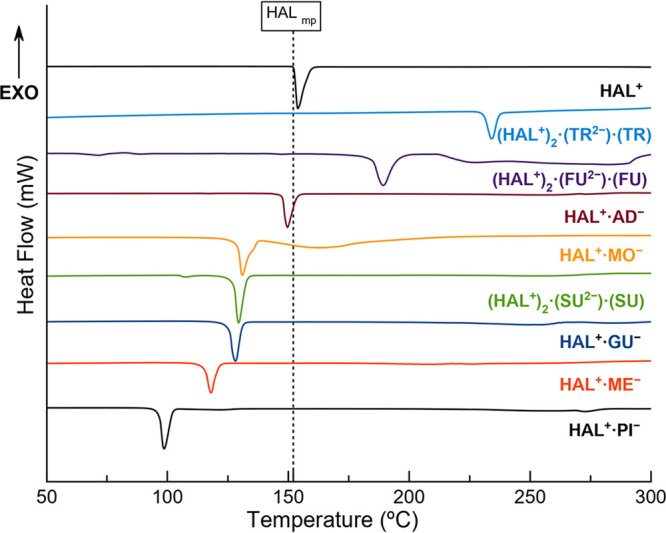 Figure 16
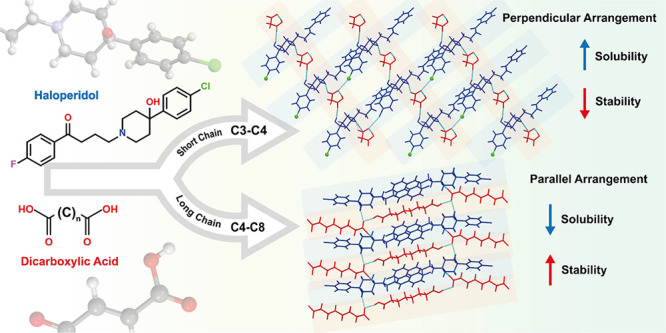 Figure 17
Peer Reviews
No public reviews on file for this paper yet. If you reviewed it on a platform where reviews are public (OpenReview, ICLR, NeurIPS, ICML), you can paste yours below so the community can read it here.
Videos
No videos yet. Explain this paper in a talk, walkthrough, or lecture? Add one.
Taxonomy
TopicsCrystallography and molecular interactions · Crystallization and Solubility Studies · Ionic liquids properties and applications