The Impact of Excessive Muscle Co‐Contraction on Sit‐To‐Stand Performance in High‐Heeled Footwear
Ganesh R. Naik, Amit N. Pujari

TL;DR
Wearing high-heeled shoes increases muscle co-contraction, which affects balance and performance during sit-to-stand tasks in women.
Contribution
This study quantifies how high-heeled footwear influences muscle co-contraction and compensatory mechanisms during sit-to-stand movements.
Findings
Increased heel height correlates with higher co-contraction in quadriceps and hamstring muscles.
Compensatory mechanisms in these muscles may lead to imbalance and fatigue with regular high-heel use.
Maintaining normal movement during high-heel use requires greater external work from lower limb muscles.
Abstract
This study aimed to analyse the effects of co‐contraction on quadriceps and hamstring muscles during sit‐to‐stand (STS) tasks for females wearing shoes with different heel heights. The study aimed to identify compensatory strategies during the STS tasks in response to excessive muscle co‐contraction during high‐heeled gait. Sixteen healthy young women (age: 24.4 ± 1.7 years, body mass index: 18.4 ± 1 kg/m2, weight: 50.2 ± 5.2 kg, height: 1.63 ± 4.4 m) participated in this study. Electromyography signals were recorded from three quadriceps (vastus medialis, vastus lateralis, and rectus femoris) and one hamstring (semitendinosus) muscles. The participants wore shoes with different heights, including 4, 6, 8, and 10 cm. For each heel height, the co‐contraction index is computed to measure postural balance using the quadriceps to hamstring muscle pairs. The results that were obtained and…
Genes, proteins, chemicals, diseases, species, mutations and cell lines named across the full text — each resolved to its canonical identifier and authoritative record.
Click any figure to enlarge with its caption.
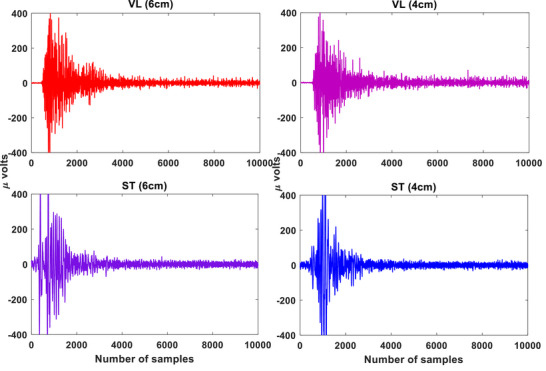 Figure 1
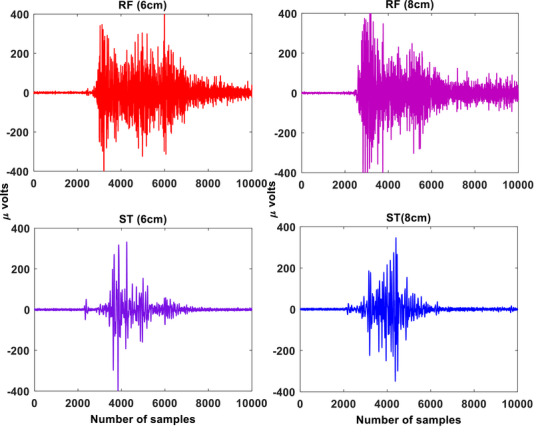 Figure 2
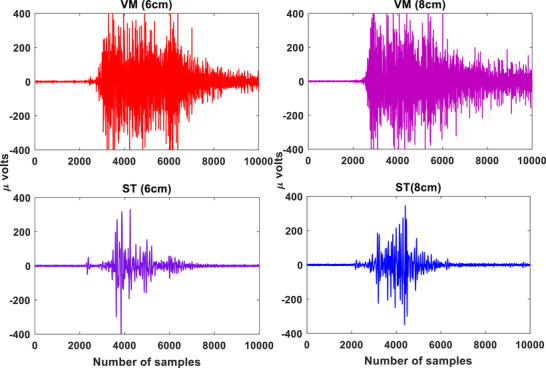 Figure 3
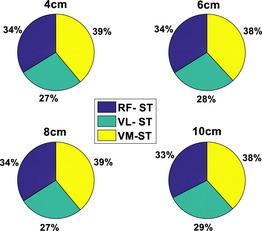 Figure 4
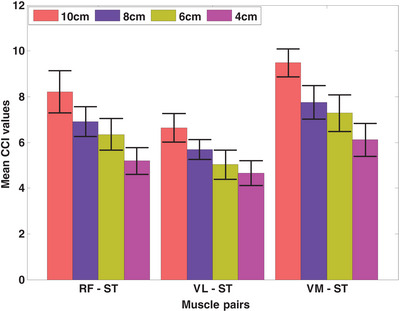 Figure 5
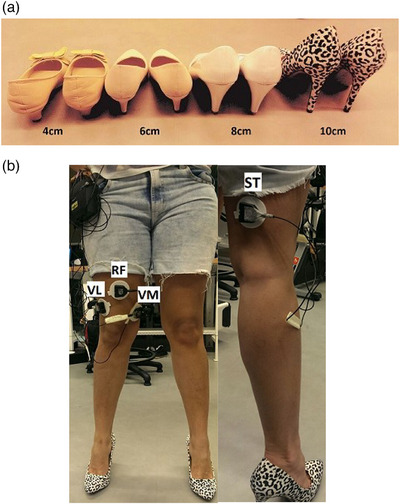 Figure 6
 Figure 7
Peer Reviews
No public reviews on file for this paper yet. If you reviewed it on a platform where reviews are public (OpenReview, ICLR, NeurIPS, ICML), you can paste yours below so the community can read it here.
Videos
No videos yet. Explain this paper in a talk, walkthrough, or lecture? Add one.
Taxonomy
TopicsLower Extremity Biomechanics and Pathologies · Balance, Gait, and Falls Prevention · Diabetic Foot Ulcer Assessment and Management