Acupressure for older people with cognitive impairment: a systematic review and meta-analysis of randomized controlled trials
Hongkun Zhang, Luwen Zhu, Minmin Wu, Wenjing Song, Jinting Li, Qiang Tang, Jiongliang Zhang

TL;DR
This study finds that acupressure can improve cognition and mood in older adults with cognitive impairment, but does not significantly affect daily living activities.
Contribution
The novelty lies in providing a systematic review and meta-analysis of acupressure's effects on cognition, mood, and ADL in older adults with cognitive impairment.
Findings
Acupressure significantly improved cognitive function in older adults with cognitive impairment.
It also reduced agitation and depression, but had no significant effect on activities of daily living.
The study highlights the potential of acupressure as a non-invasive treatment for cognitive and mood issues in the elderly.
Abstract
Cognitive impairment (CI) is becoming more common in the older population (≥60 years old) and has become a burden and challenge in an aging society. Acupressure is a non-invasive, safe, and cost-effective modality in Chinese medicine. Its therapeutic effects are achieved by stimulating specific points to restore balance in the flow of qi along the meridians, thereby enhancing the physiological functions of body systems and organs. This study aimed to conduct a meta-analysis to evaluate the effects of acupressure on cognitive function, mood, and activities of living (ADL) in older adults with CI. A comprehensive database search was performed using PubMed, Embase, Cochrane Library, Web of Science, Sinomed, CNKI, Wanfang, and VIP databases to identify randomized controlled trials (RCTs) investigating the effects of acupressure versus non-acupressure in elderly patients with CI. We…
Genes, proteins, chemicals, diseases, species, mutations and cell lines named across the full text — each resolved to its canonical identifier and authoritative record.
Click any figure to enlarge with its caption.
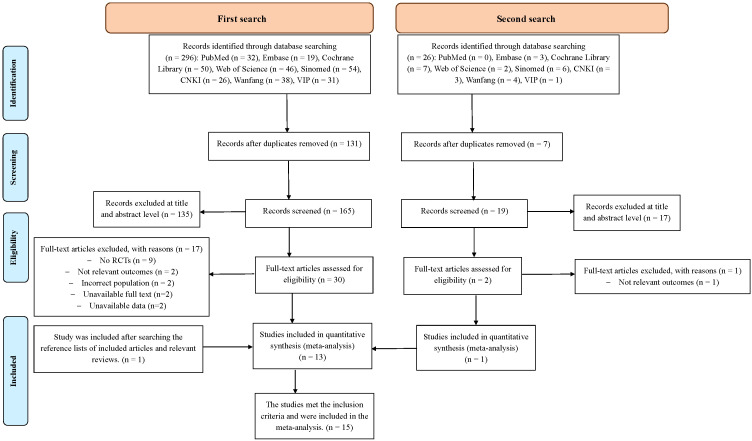 Figure 1
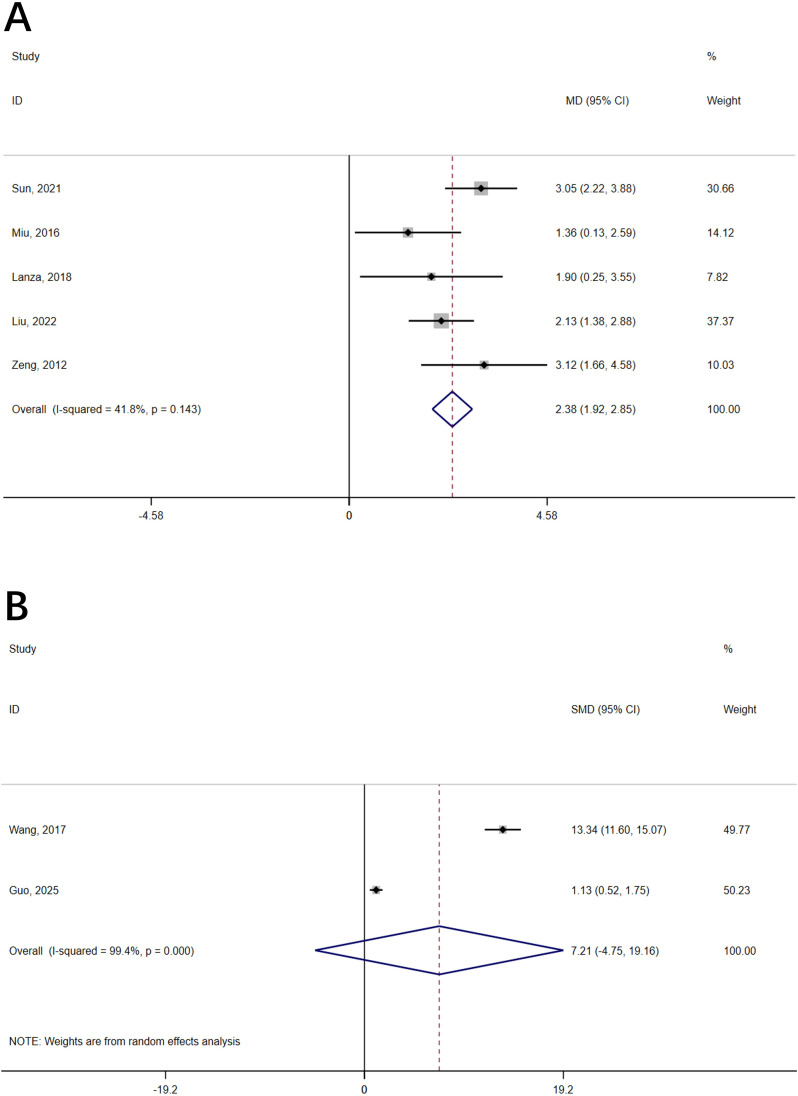 Figure 2
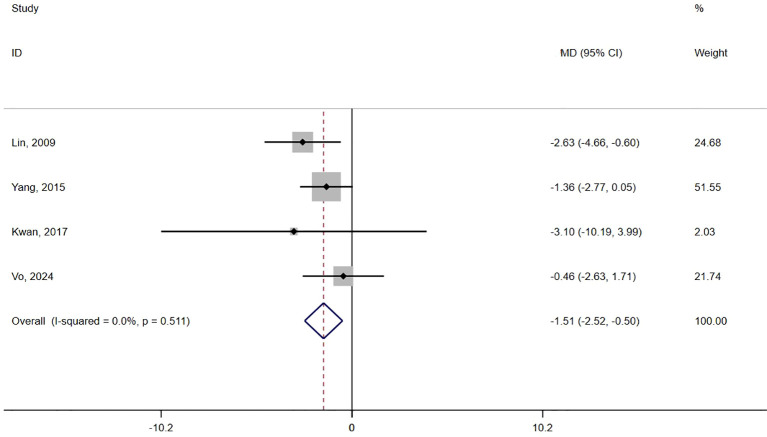 Figure 3
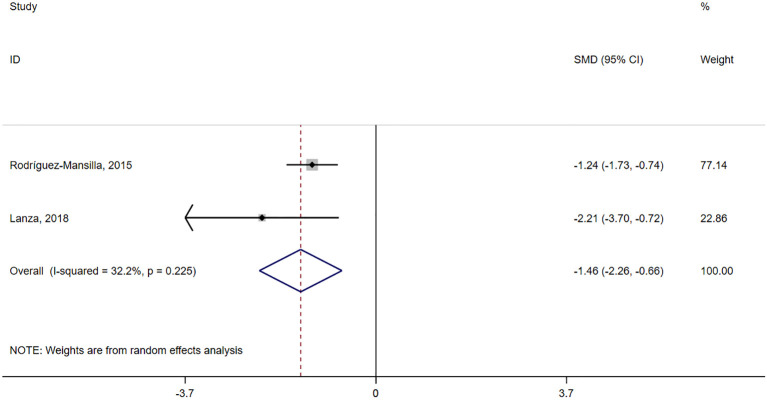 Figure 4
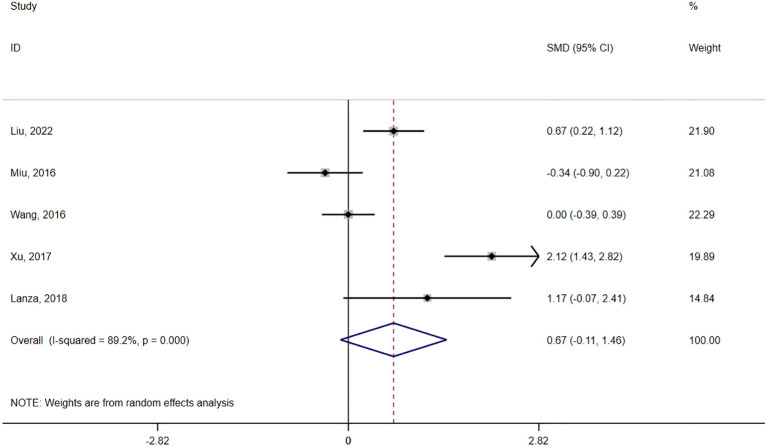 Figure 5
Peer Reviews
No public reviews on file for this paper yet. If you reviewed it on a platform where reviews are public (OpenReview, ICLR, NeurIPS, ICML), you can paste yours below so the community can read it here.
Videos
No videos yet. Explain this paper in a talk, walkthrough, or lecture? Add one.
Taxonomy
TopicsIntensive Care Unit Cognitive Disorders · Family and Patient Care in Intensive Care Units · Sleep and related disorders