The value of echocardiography in the staging of preexcitation syndrome and the assessment of left ventricular wall dyskinesia in children
Yahui Yuan, Shu Li, Jun Chen, Yu Mao, Ming Yang, Shiwei Yang, Wentao Kong, Hao Liu

TL;DR
This study explores how echocardiography can help assess heart function and recovery in children with preexcitation syndrome.
Contribution
The study introduces the use of echocardiographic multiparameter indices to stage preexcitation syndrome and predict recovery after treatment.
Findings
Echocardiography revealed significant left ventricular enlargement and wall dyskinesia in some children with preexcitation syndrome.
Multiparameter echocardiographic indices like GLS and TDSD were significantly different in patients compared to healthy controls.
Post-treatment echocardiographic parameters improved, but ventricular synchronization did not fully return to normal.
Abstract
The incidence of Wolff-Parkinson-White syndrome (WPWs) in the pediatric population is increasing recently. Conventional echocardiography lacks specificity and was limited to assessing the effects of WPWs on cardiac structure, while changes in cardiac function, ventricular wall dysfunction and different subtypes of WPWs were less commonly addressed. Whether WPWs causes cardiac decompensation and ventricular dyskinesia was controversial. Whether echocardiographic multiparameter indices can improve the diagnostic specificity and guide the classification of WPWs and assess the recovery of left ventricular (LV) synchrony and ventricular wall dyskinesia in patients after radiofrequency ablation (RFA) is a very important direction of research. To analyse the echocardiographic performance of patients with WPWs: (1) to assess the hazard of WPWs on cardiac function and LV wall dyskinesia using…
Genes, proteins, chemicals, diseases, species, mutations and cell lines named across the full text — each resolved to its canonical identifier and authoritative record.
Click any figure to enlarge with its caption.
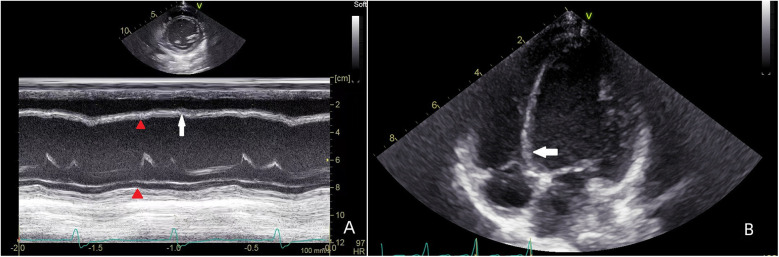 Figure 1
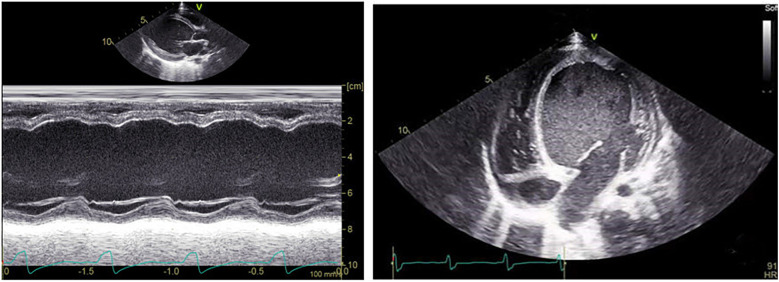 Figure 2
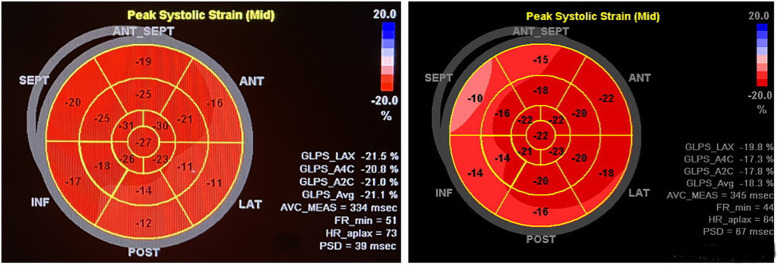 Figure 3
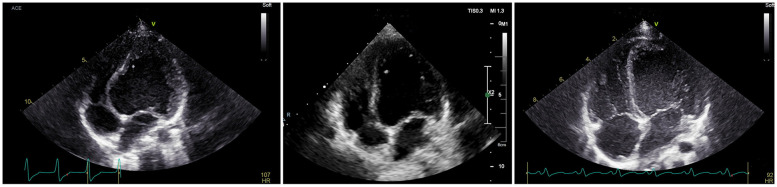 Figure 4
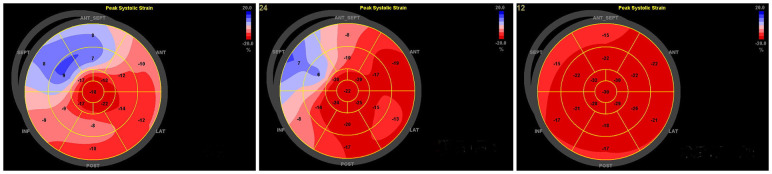 Figure 5
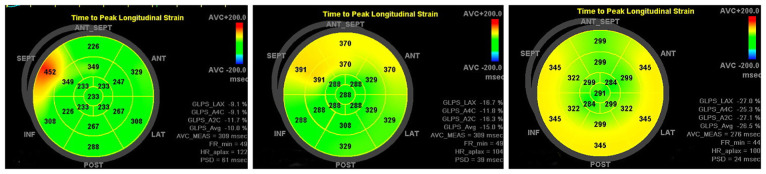 Figure 6
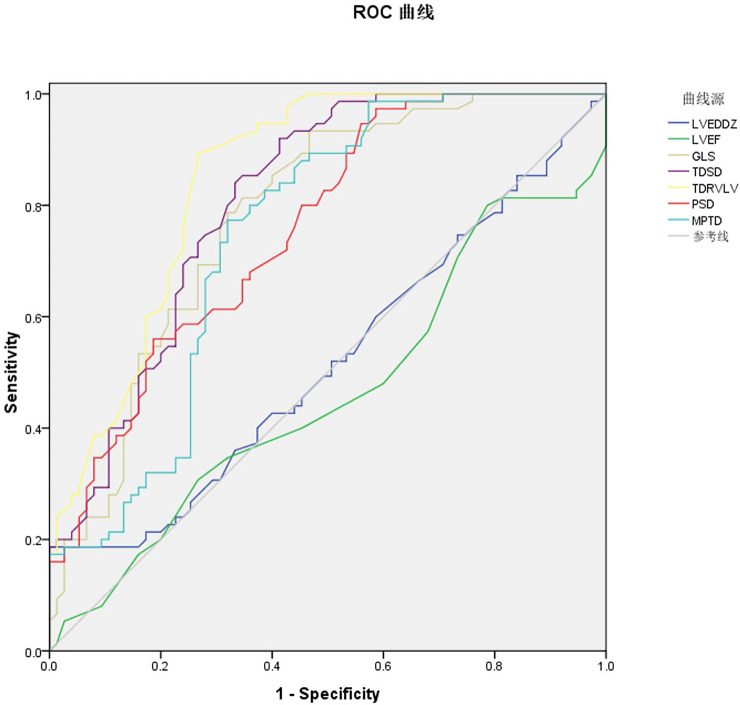 Figure 7
Peer Reviews
No public reviews on file for this paper yet. If you reviewed it on a platform where reviews are public (OpenReview, ICLR, NeurIPS, ICML), you can paste yours below so the community can read it here.
Videos
No videos yet. Explain this paper in a talk, walkthrough, or lecture? Add one.
Taxonomy
TopicsCardiac Arrhythmias and Treatments · Cardiovascular Function and Risk Factors · Cardiac pacing and defibrillation studies