Integrated physiological, transcriptomic, and metabolomic analyses of Chrysanthemum ‘Boju’ under excessive indole-3-acetic acid stress
Yuqing Wang, Yingying Duan, Na Chen, Wanyue Ding, Yaowu Liu, Shihai Xing

TL;DR
This study explores how excessive IAA affects chrysanthemum growth and identifies molecular and physiological responses to the stress.
Contribution
The study integrates physiological, transcriptomic, and metabolomic data to reveal how chrysanthemum responds to excessive IAA stress.
Findings
Excessive IAA increased chlorophyll and carotenoid levels, indicating stress in chrysanthemum.
Transcriptomic and metabolomic analyses identified 263 and 144 differentially expressed metabolites and genes, respectively.
Stress-related genes like proB, proA, and GAD were upregulated, while PK was downregulated.
Abstract
Indole-3-acetic acid (IAA) is a key plant hormone involved in regulating development and responses to abiotic stress. However, excessive IAA treatment can induce oxidative stress, impair growth, and potentially lead to plant death. This study investigates the effects of excessive IAA exposure on the growth of Chrysanthemum morifolium (Boju), focusing on the underlying molecular mechanisms. We treated C. morifolium with 10 mg/L IAA for nine consecutive days. The impact of this treatment was assessed from various perspectives, including physiological (chlorophyll, carotenoids, and MDA content), biochemical (antioxidant enzyme activities), and molecular (transcriptomic and metabolomic analyses). IAA treatment significantly increased chlorophyll a, chlorophyll b, and carotenoid levels by 37%, 46%, and 25%, respectively, compared to pre-treatment levels, suggesting that C. morifolium was…
Genes, proteins, chemicals, diseases, species, mutations and cell lines named across the full text — each resolved to its canonical identifier and authoritative record.
Click any figure to enlarge with its caption.
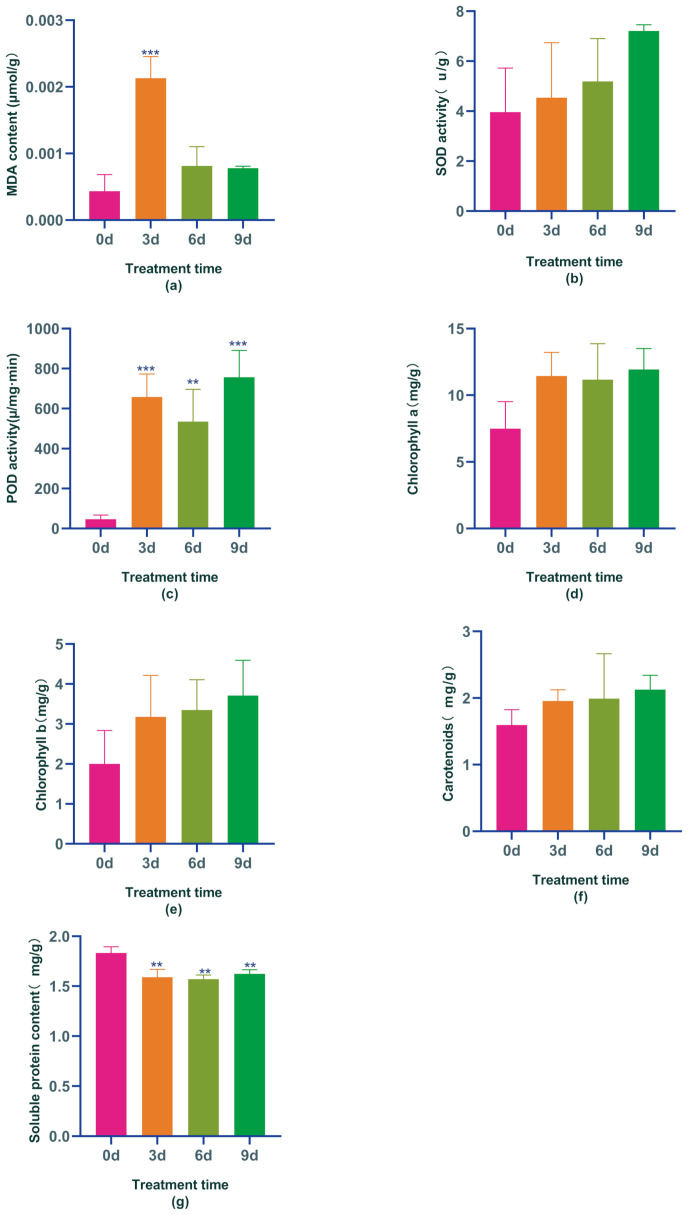 Figure 1
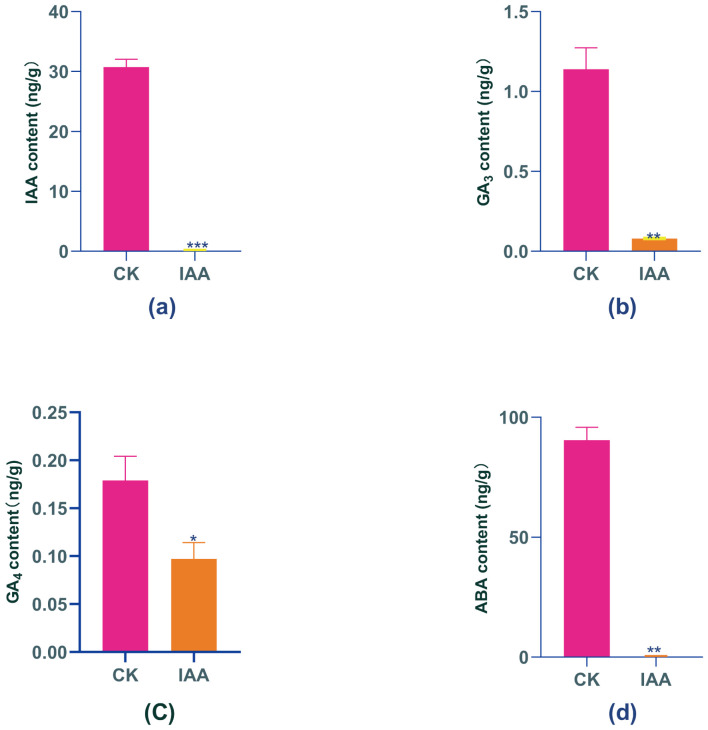 Figure 2
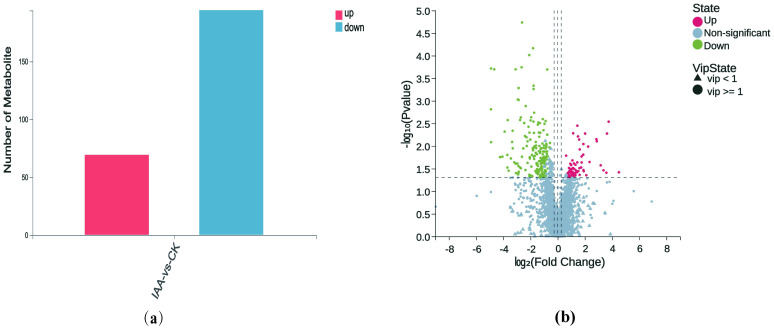 Figure 3
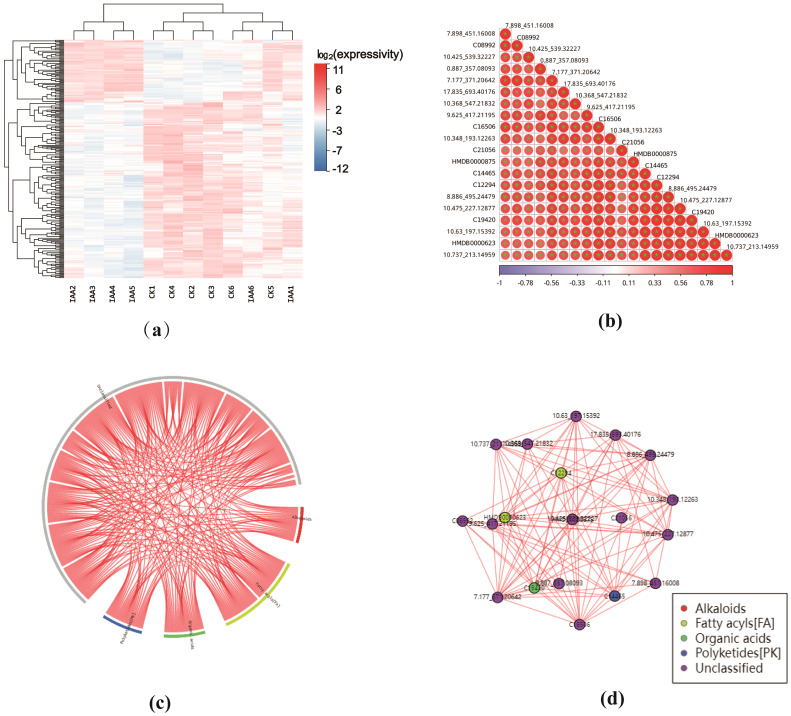 Figure 4
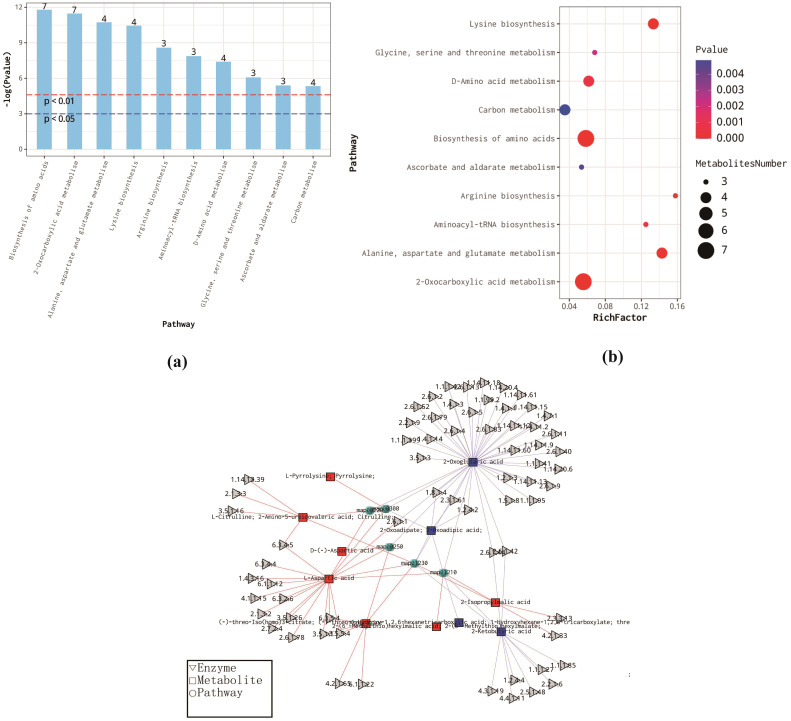 Figure 5
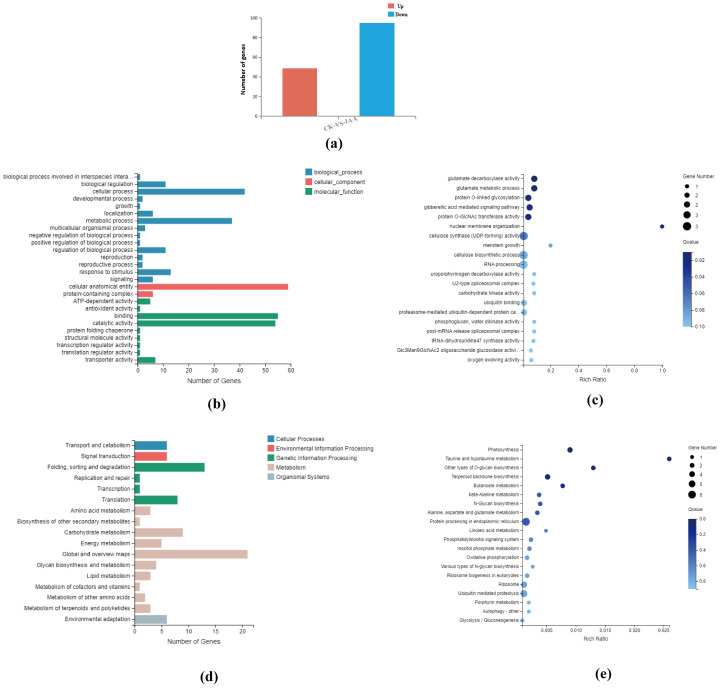 Figure 6
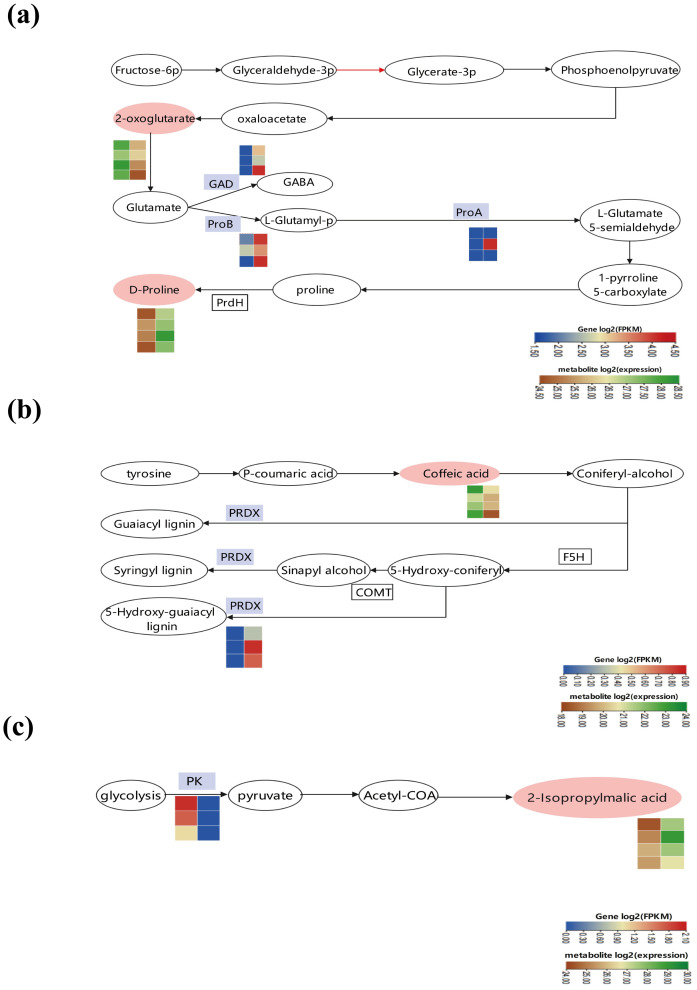 Figure 7
Peer Reviews
No public reviews on file for this paper yet. If you reviewed it on a platform where reviews are public (OpenReview, ICLR, NeurIPS, ICML), you can paste yours below so the community can read it here.
Videos
No videos yet. Explain this paper in a talk, walkthrough, or lecture? Add one.
Taxonomy
TopicsAllelopathy and phytotoxic interactions · Plant tissue culture and regeneration · Plant Gene Expression Analysis