Fetal karyotyping in adolescent pregnancies: a population-based cohort study on outcomes of invasive prenatal testing
Jakub Staniczek, Maisa Manasar-Dyrbuś, Patrycja Sodowska, Krzysztof Sodowski, Agata Włoch, Bartosz Czuba, Wojciech Cnota, Monika Paul-Samojedny, Agnieszka Kania, Henryka Sodowska, Magda Rybak-Krzyszkowska, Adrianna Kondracka, Rafał Stojko, Agnieszka Drosdzol-Cop

TL;DR
This study examines chromosomal abnormalities and diagnostic outcomes in adolescent pregnancies compared to older women.
Contribution
The study provides population-based data on chromosomal abnormalities and invasive testing outcomes in adolescent pregnancies.
Findings
Trisomies were less common in adolescents compared to older age groups.
Turner syndrome was more prevalent in adolescents than in women aged 20–34 or ≥35.
Adolescents had higher risks of unspecified fetal sex and culture failure during testing.
Abstract
Adolescent pregnancies present unique challenges in prenatal diagnostics, yet data on the prevalence and types of chromosomal abnormalities in this population remain limited. This study aimed to assess the prevalence and spectrum of chromosomal abnormalities and evaluate the effectiveness of invasive prenatal diagnostic procedures. A retrospective cohort study analyzed data from invasive prenatal diagnostic procedures (amniocentesis and transabdominal chorionic villus sampling) and fetal karyotyping in adolescent pregnancies, comparing them with data obtained from pregnancies in older women. Abnormal karyotype prevalence varied by age. Trisomies were least frequent in adolescents (5.9%) vs. women 20–34 (9.3%) and ≥35 years (12.1%). Turner syndrome was more common in adolescents (4.6%) than in women 20–34 (2.8%) or ≥35 years (0.1%). Adolescents had a higher risk of unspecified fetal…
Genes, proteins, chemicals, diseases, species, mutations and cell lines named across the full text — each resolved to its canonical identifier and authoritative record.
Click any figure to enlarge with its caption.
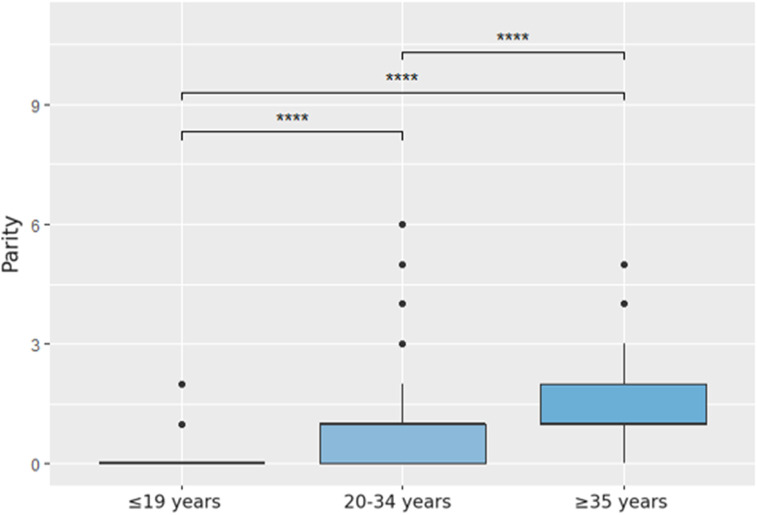 Figure 1
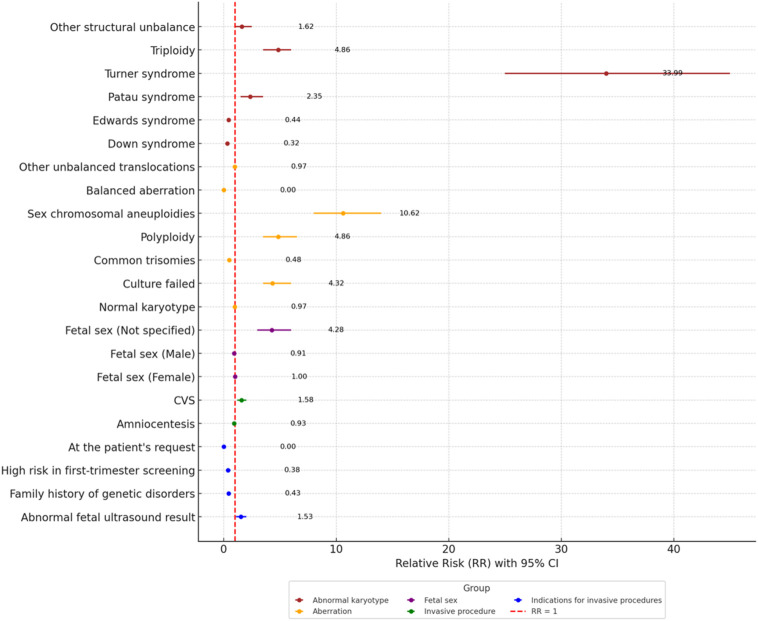 Figure 2
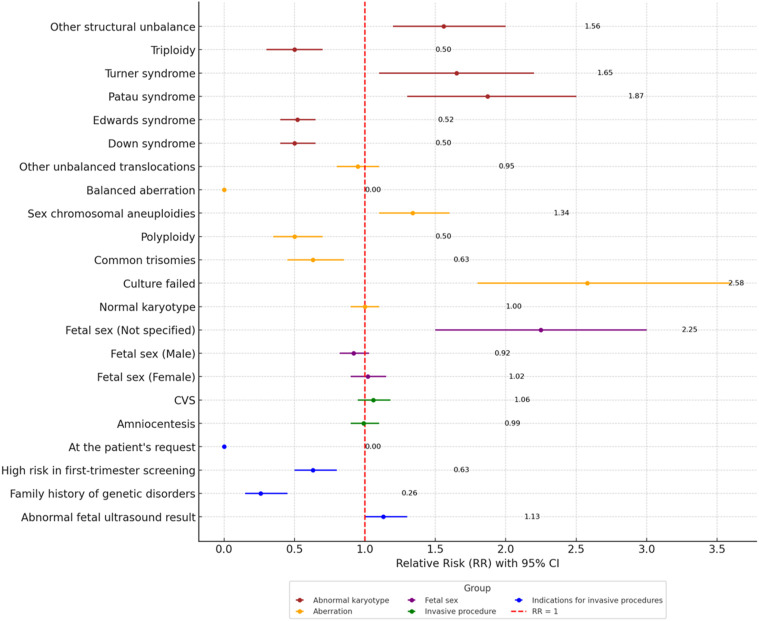 Figure 3
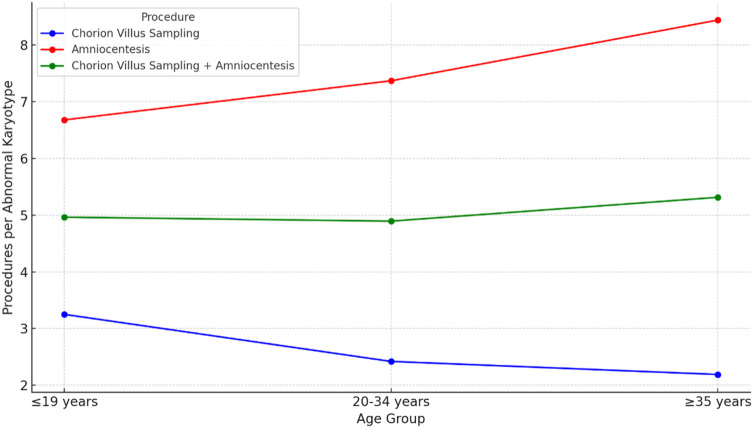 Figure 4
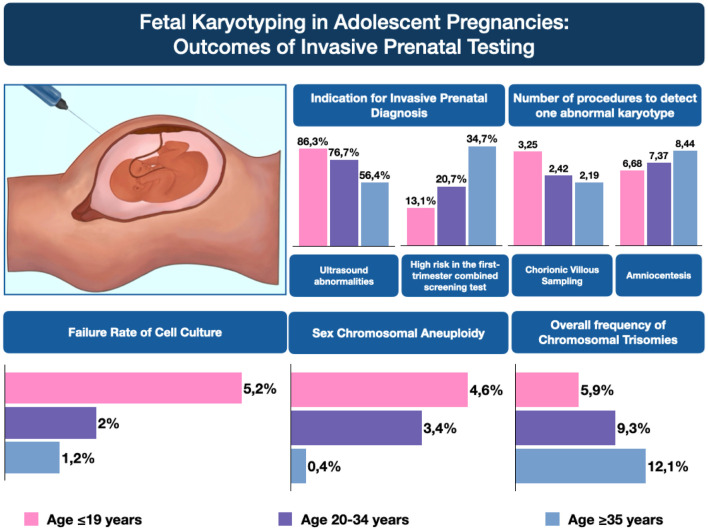 Figure 5
Peer Reviews
No public reviews on file for this paper yet. If you reviewed it on a platform where reviews are public (OpenReview, ICLR, NeurIPS, ICML), you can paste yours below so the community can read it here.
Videos
No videos yet. Explain this paper in a talk, walkthrough, or lecture? Add one.
Taxonomy
TopicsPrenatal Screening and Diagnostics · Assisted Reproductive Technology and Twin Pregnancy · Genetic Syndromes and Imprinting