RGS14 binds to GNAI3 and regulates the proliferation and apoptosis of human spermatogonial stem cells by affecting PLPP2 expression and MAPK signaling
Bang Liu, Aimin Deng, Lvjun Liu, Lin peng, Xiaowen Liu, Xiangyu Chen, Fang Zhu, Shusheng Zhang, Dai Zhou

TL;DR
This study identifies a new regulatory pathway involving RGS14, GNAI3, and PLPP2 that affects spermatogonial stem cell function and contributes to male infertility.
Contribution
The paper discovers a novel RGS14-GNAI3-PLPP2 regulatory axis critical for spermatogonial stem cell homeostasis and male infertility.
Findings
RGS14 downregulation in spermatogonial stem cells of NOA patients suppresses cell proliferation and induces apoptosis.
RGS14 interacts with GNAI3 and regulates PLPP2 expression and MAPK signaling to control stem cell function.
PLPP2 overexpression rescues defects caused by RGS14 depletion, suggesting a therapeutic potential.
Abstract
Non-obstructive azoospermia (NOA) represents a severe form of male infertility, characterized by the absence of sperm in the ejaculate due to impaired spermatogenesis. Spermatogonial stem cells (SSCs), which ensure continuous sperm production, are critical for maintaining male fertility. Despite their importance, the molecular mechanisms governing SSC fate determination and their role in NOA pathogenesis remain incompletely understood. This study investigates the regulatory networks underlying SSC dysfunction in NOA patients. Using single-cell RNA sequencing, we identified significant downregulation of RGS14 in SSCs of NOA patients compared to normal testes. Immunofluorescence validation confirmed RGS14 localization primarily in SSCs. Functional assays demonstrated that RGS14 knockdown in SSC lines markedly suppressed cell proliferation and induced apoptosis. RNA-sequencing analyses…
Genes, proteins, chemicals, diseases, species, mutations and cell lines named across the full text — each resolved to its canonical identifier and authoritative record.
Click any figure to enlarge with its caption.
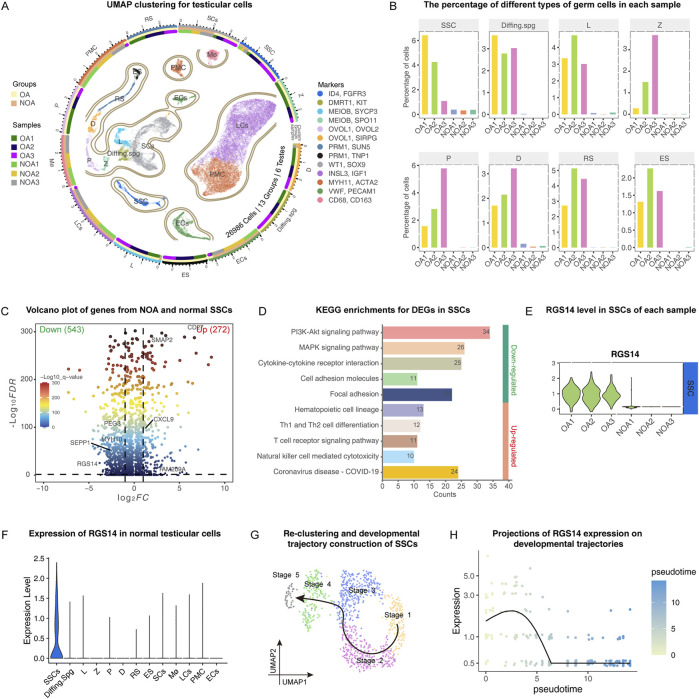 Figure 1
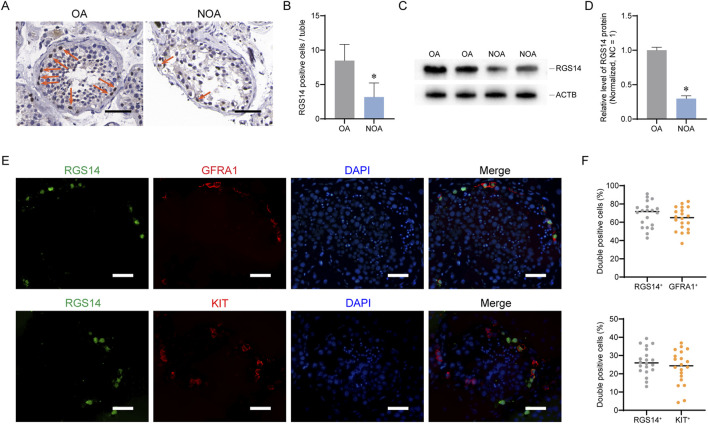 Figure 2
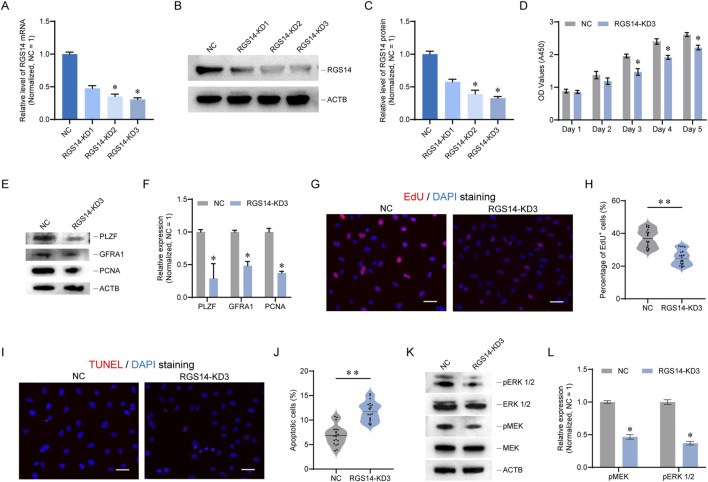 Figure 3
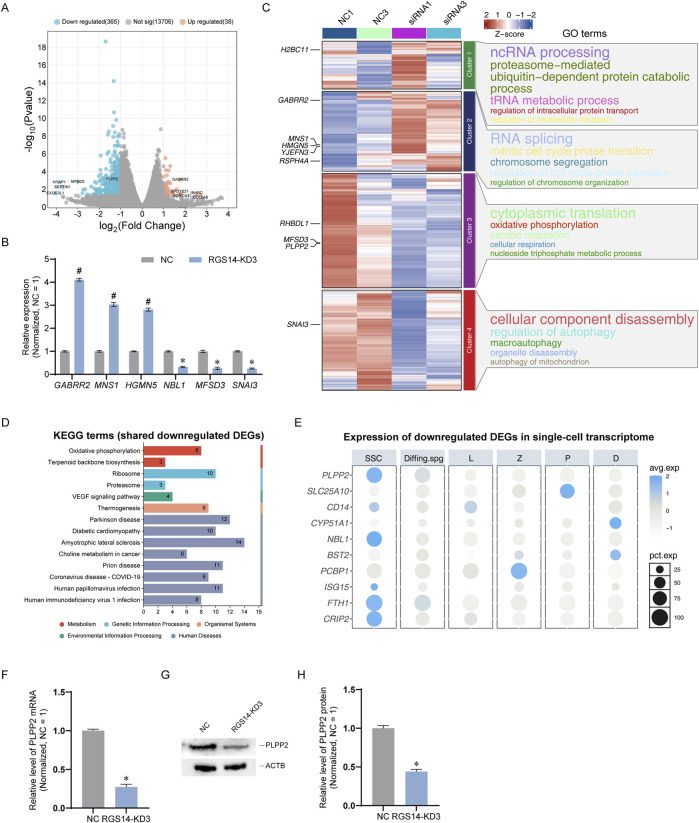 Figure 4
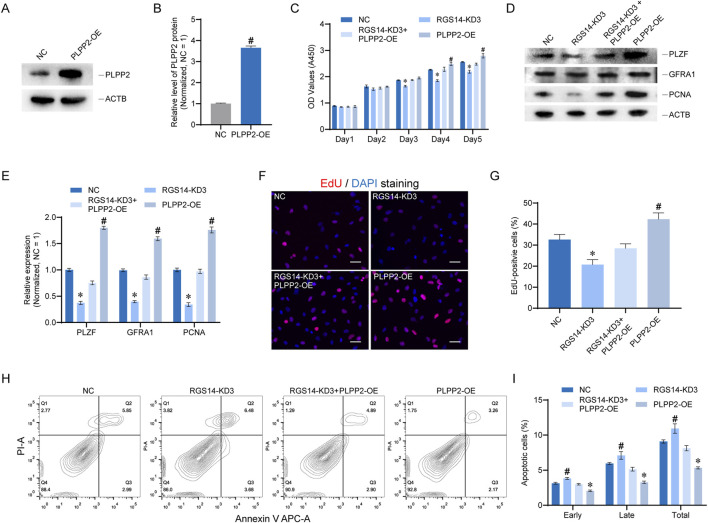 Figure 5
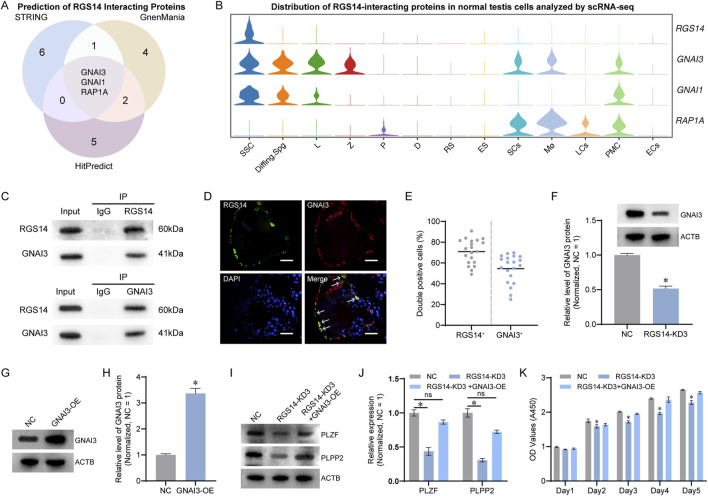 Figure 6
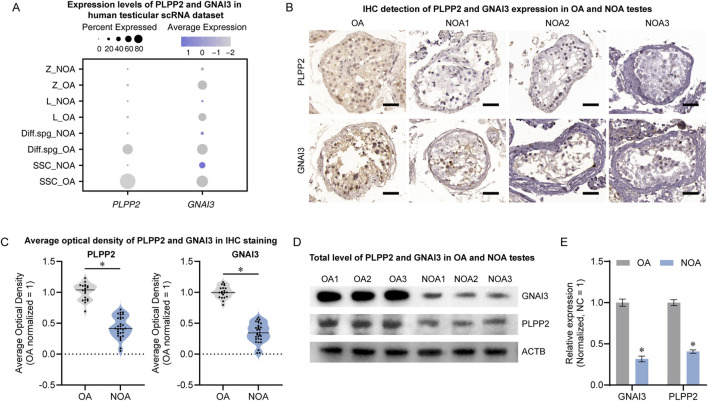 Figure 7
Peer Reviews
No public reviews on file for this paper yet. If you reviewed it on a platform where reviews are public (OpenReview, ICLR, NeurIPS, ICML), you can paste yours below so the community can read it here.
Videos
No videos yet. Explain this paper in a talk, walkthrough, or lecture? Add one.
Taxonomy
TopicsSperm and Testicular Function · Reproductive Biology and Fertility · Reproductive System and Pregnancy