Cardiac electrical abnormalities in a mouse model of left ventricular non-compaction cardiomyopathy
Vítor S. Fernandes, Ricardo Caballero, Marcos Siguero-Álvarez, Tania Papoutsi, Juan Ramón Gimeno-Blanes, Eva Delpón, José Luís de la Pompa

TL;DR
This study shows how mutations in MIB1 cause electrical issues in the hearts of mice, leading to heart rhythm problems and dysfunction.
Contribution
The study reveals novel electrophysiological changes in a mouse model of LVNC caused by MIB1 mutations, linking them to impaired ventricular repolarization.
Findings
Connexin43 is delocalized in Mib1flox;Tnnt2Cre cardiomyocytes, affecting gap junctions.
Mib1flox;Tnnt2Cre cardiomyocytes show increased Na+ currents and decreased K+ currents, leading to prolonged action potentials.
Cardiac stress increases QTc duration in Mib1flox;Tnnt2Cre mice, mirroring findings in human LVNC patients with MIB1 mutations.
Abstract
Mutations in MINDBOMB 1 (MIB1), encoding an E3 ubiquitin ligase of the NOTCH signaling pathway, cause left ventricular noncompaction cardiomyopathy (LVNC) in mice and humans, increasing the risk of arrhythmia and left ventricular dysfunction. This study aimed to investigate the effect of MIB1 mutations on cardiac electrical activity. We examined male Mib1flox;Tnnt2Cre mice, a disease model of LVNC, and wildtype littermates on the C57BL/6J genetic background. Our results demonstrate that the gap-junction protein connexin43 was delocalized from the intercalated disks to the lateral long axis of Mib1flox;Tnnt2Cre cardiomyocytes. Cardiomyocyte electrophysiology revealed an increase in the Na (INa) peak density at potentials between -50 and -30 mV in Mib1flox;Tnnt2Cre mice, with no changes in INa activation or inactivation kinetics. Mib1flox;Tnnt2Cre cardiomyocytes also showed decreases in…
Genes, proteins, chemicals, diseases, species, mutations and cell lines named across the full text — each resolved to its canonical identifier and authoritative record.
Click any figure to enlarge with its caption.
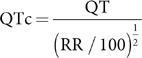 Figure 1
 Figure 2
 Figure 3
 Figure 4
 Figure 5
 Figure 6
 Figure 7
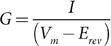 Figure 8
 Figure 9
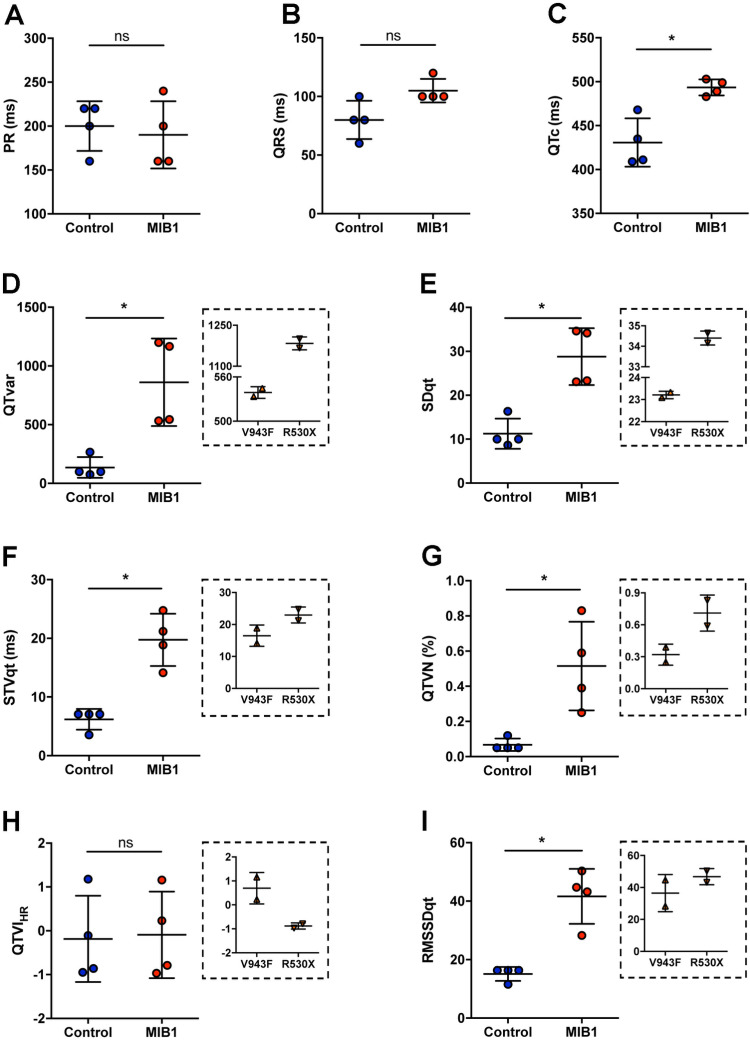 Figure 10
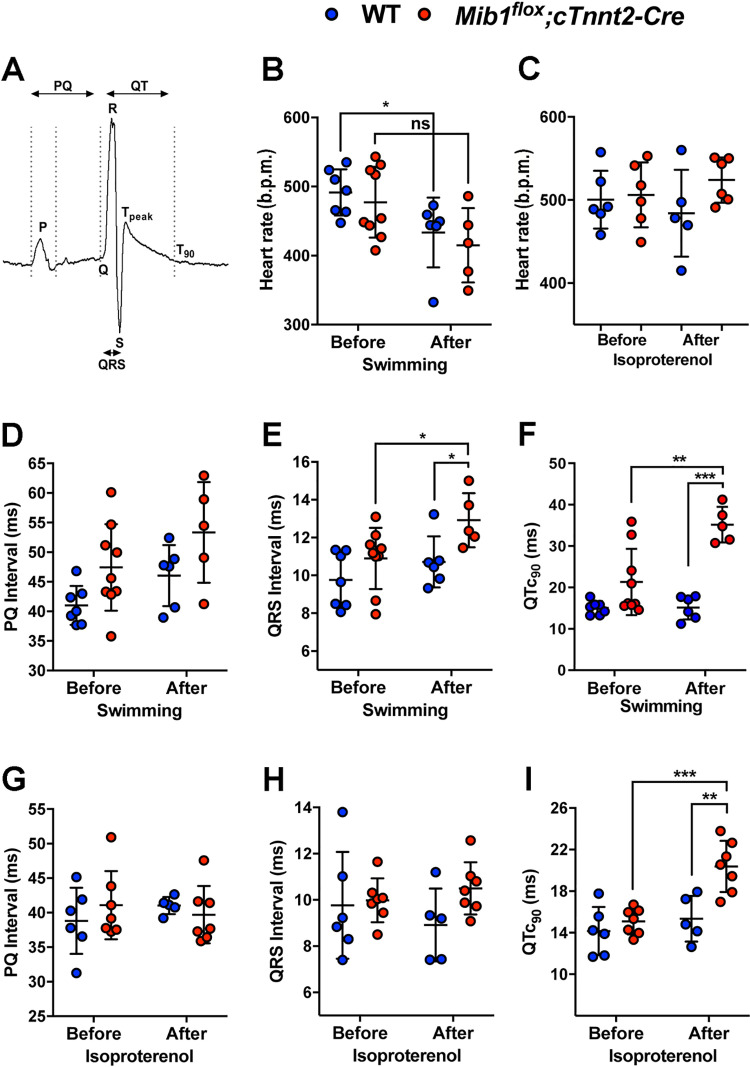 Figure 11
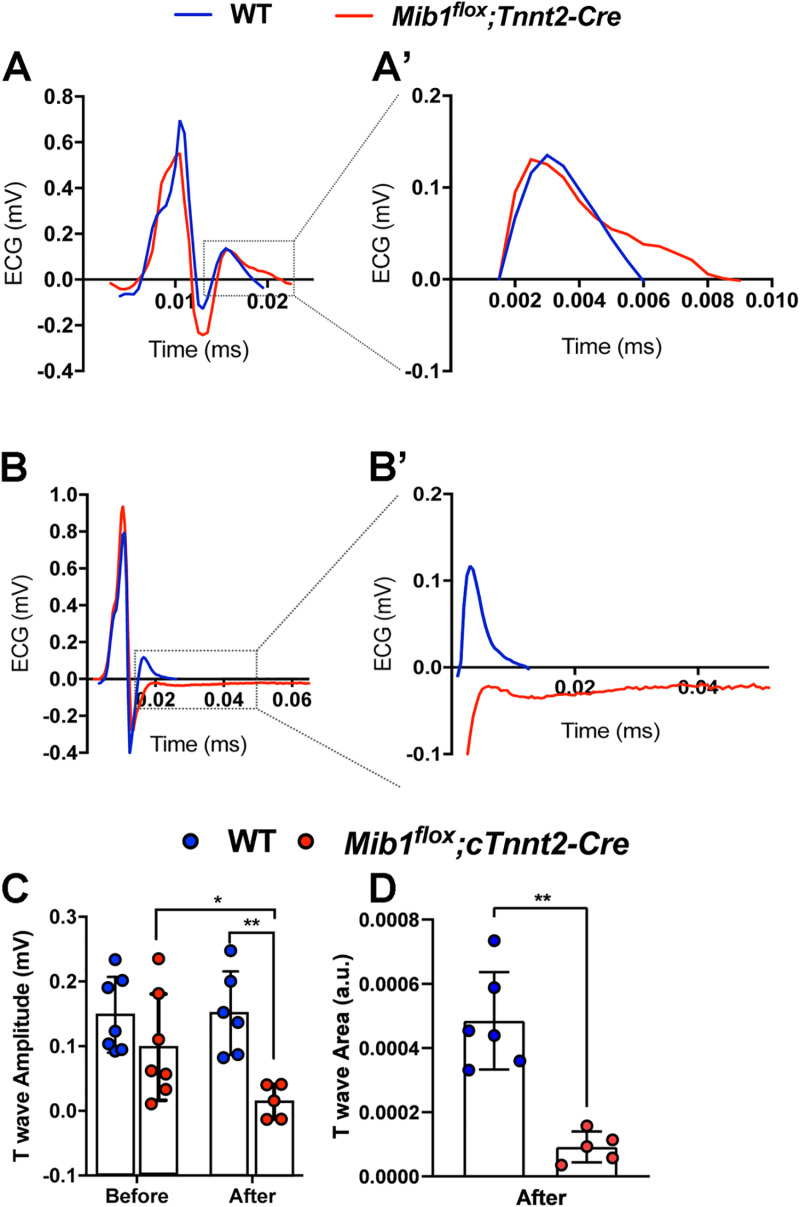 Figure 12
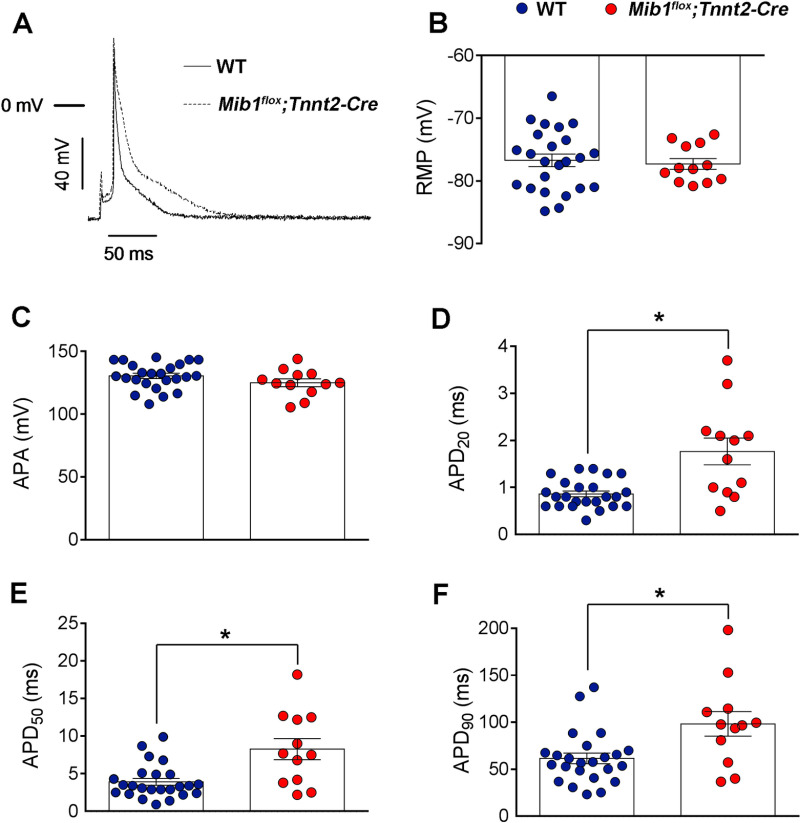 Figure 13
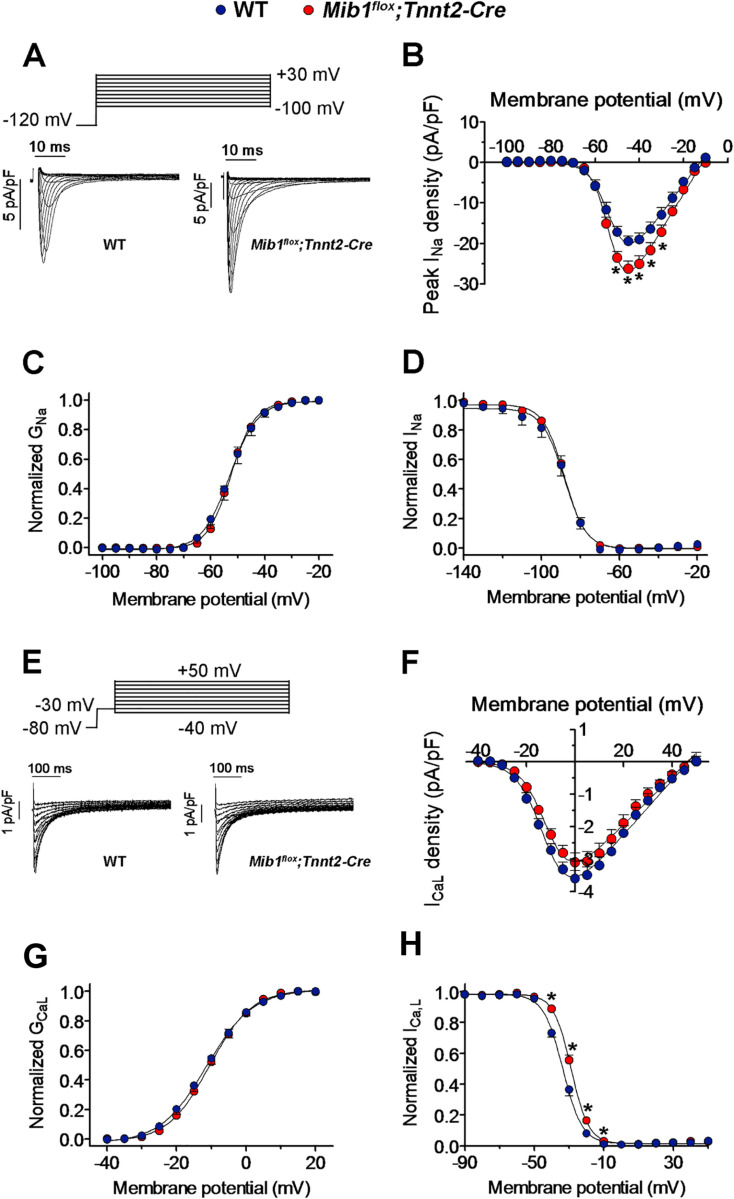 Figure 14
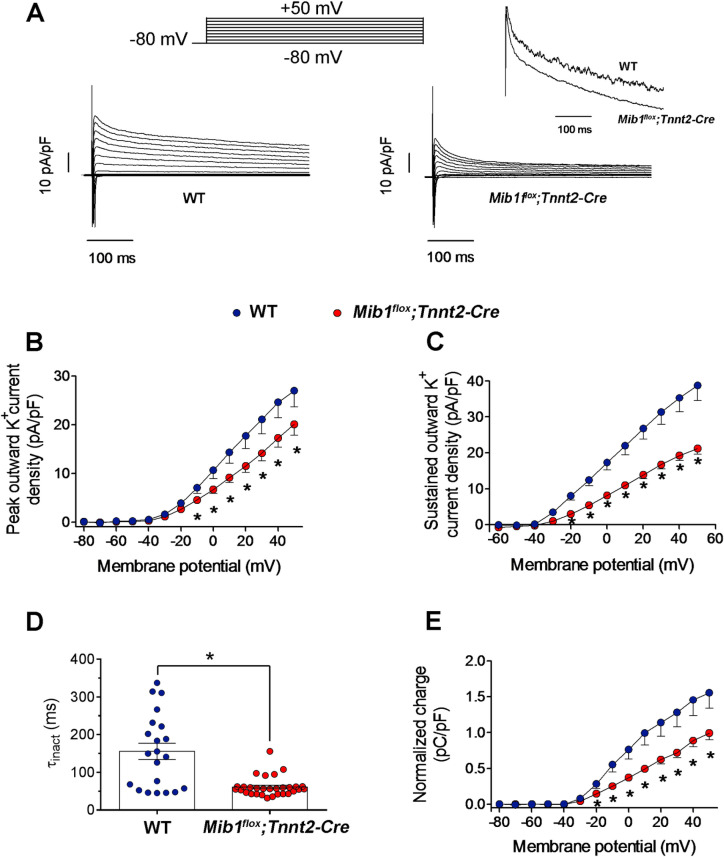 Figure 15
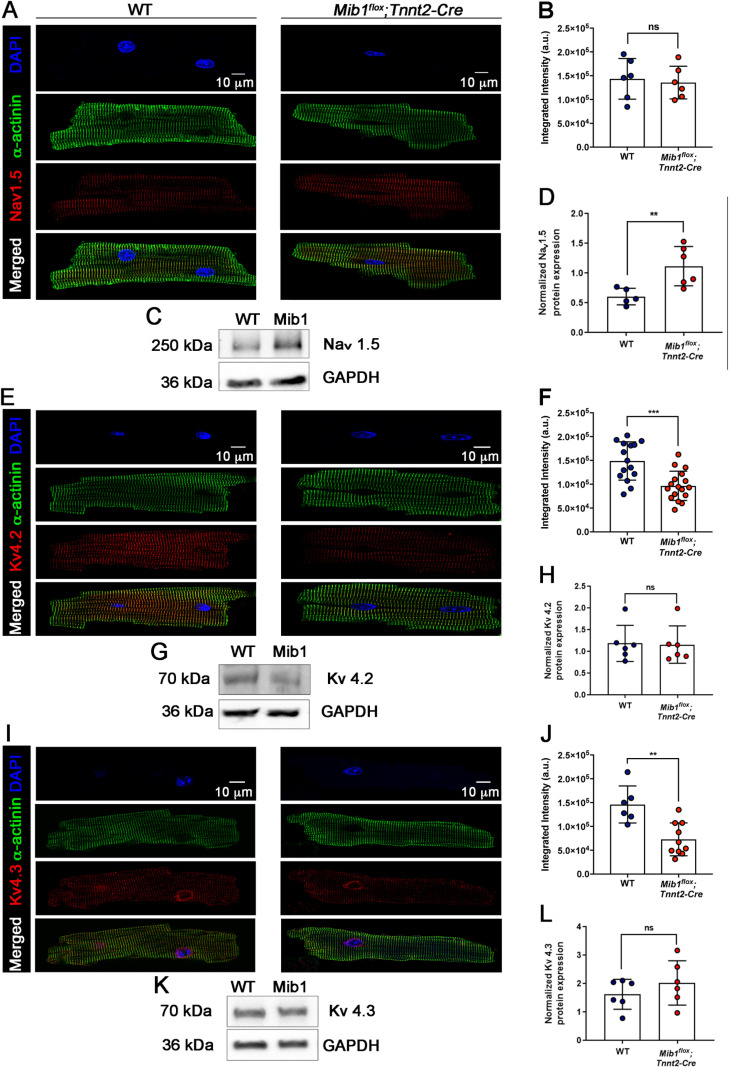 Figure 16
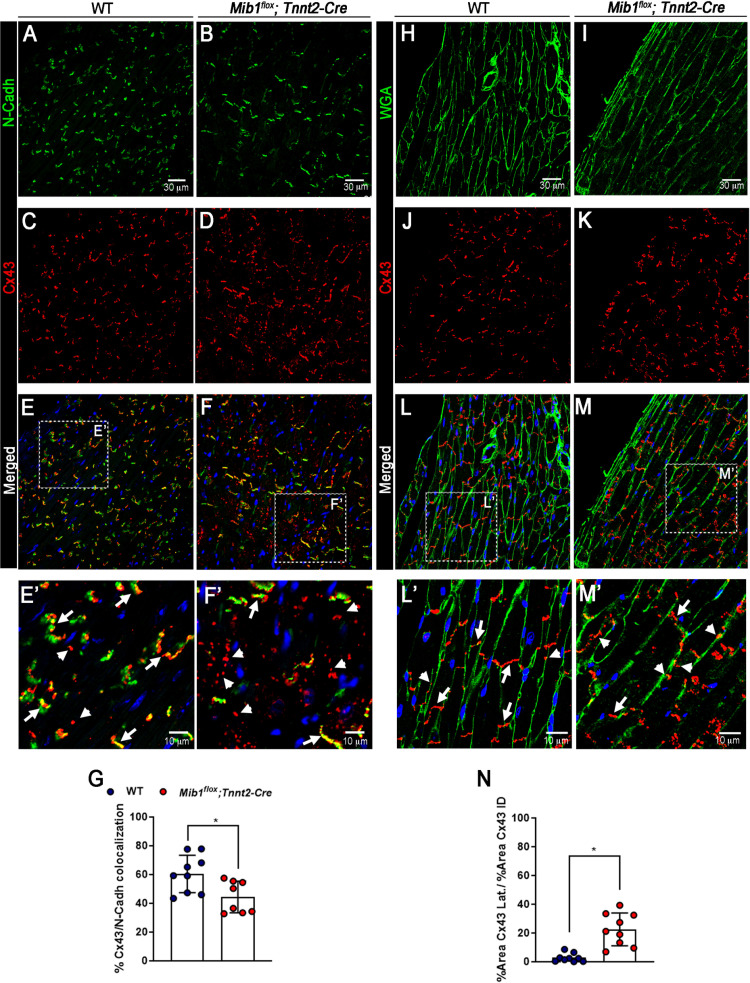 Figure 17
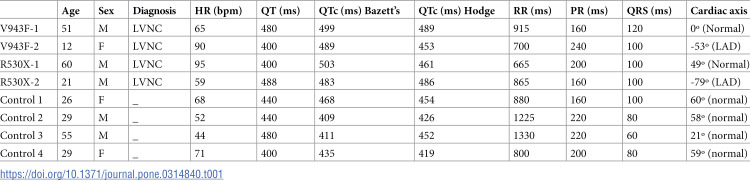 Figure 18
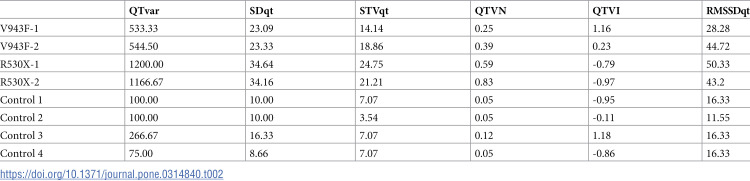 Figure 19
 Figure 20
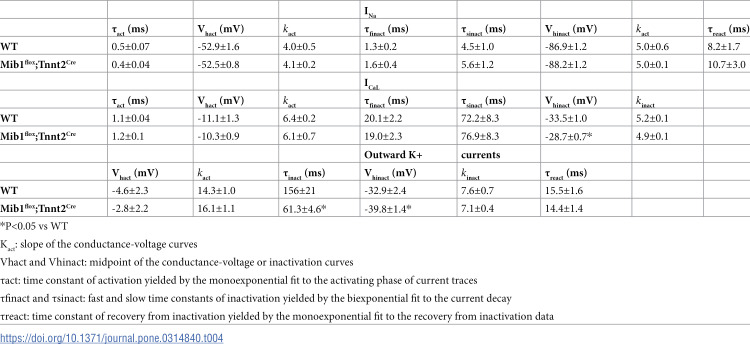 Figure 21
Peer Reviews
No public reviews on file for this paper yet. If you reviewed it on a platform where reviews are public (OpenReview, ICLR, NeurIPS, ICML), you can paste yours below so the community can read it here.
Videos
No videos yet. Explain this paper in a talk, walkthrough, or lecture? Add one.
Taxonomy
TopicsCardiomyopathy and Myosin Studies · Congenital heart defects research · Genetic Neurodegenerative Diseases