Transcriptional phenotype of the anti-parasitic benzodiazepine meclonazepam on the blood fluke Schistosoma mansoni
Clair R. Henthorn, Paul McCusker, Winka Le Clec’h, Frédéric D. Chevalier, Timothy J.C. Anderson, Mostafa Zamanian, John D. Chan, jong-Yil Chai, Bruce A. Rosa, jong-Yil Chai, Bruce A. Rosa, jong-Yil Chai, Bruce A. Rosa

TL;DR
This study explores meclonazepam, a benzodiazepine, as a potential new treatment for schistosomiasis, showing it kills parasites and causes gene changes distinct from the current drug praziquantel.
Contribution
The study reveals the transcriptional effects of meclonazepam on Schistosoma mansoni and confirms its efficacy against both drug-susceptible and resistant parasites.
Findings
Meclonazepam causes tegument damage and activates pro-apoptotic caspases, indicating parasite death.
In vivo meclonazepam exposure alters gene expression of many flatworm-specific transcripts and genes related to host interaction.
Meclonazepam is effective against both praziquantel-susceptible and resistant schistosome populations.
Abstract
There are limited control measures for the disease schistosomiasis, despite the fact that infection with parasitic blood flukes affects hundreds of millions of people worldwide. The current treatment, praziquantel, has been in use since the 1980’s and there is a concern that drug resistance may emerge with continued monotherapy. Given the need for additional antischistosomal drugs, we have re-visited an old lead, meclonazepam. In comparison to praziquantel, there has been relatively little work on its antiparasitic mechanism. Recent findings indicate that praziquantel and meclonazepam act through distinct receptors, making benzodiazepines a promising chemical series for further exploration. Previous work has profiled the transcriptional changes evoked by praziquantel treatment. Here, we examine in detail schistosome phenotypes evoked by in vitro and in vivo meclonazepam treatment. These…
Genes, proteins, chemicals, diseases, species, mutations and cell lines named across the full text — each resolved to its canonical identifier and authoritative record.
Click any figure to enlarge with its caption.
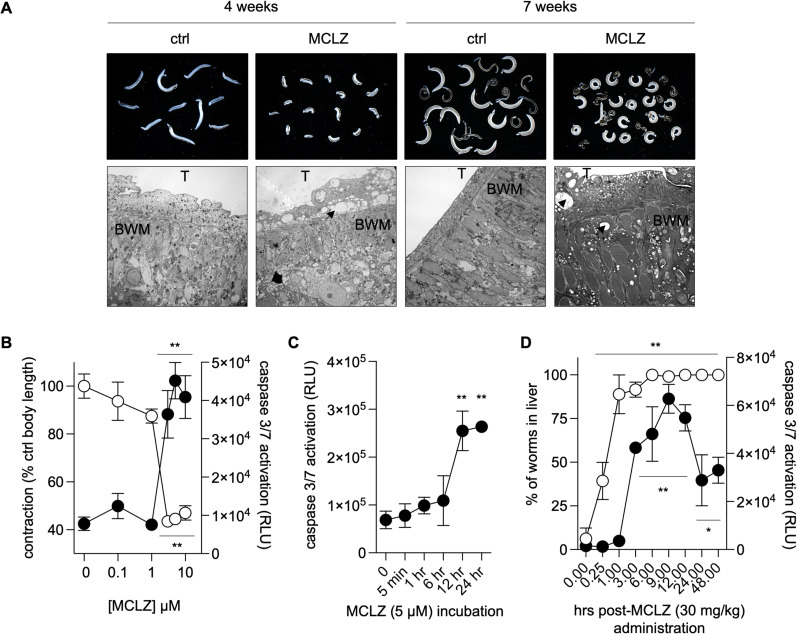 Figure 1
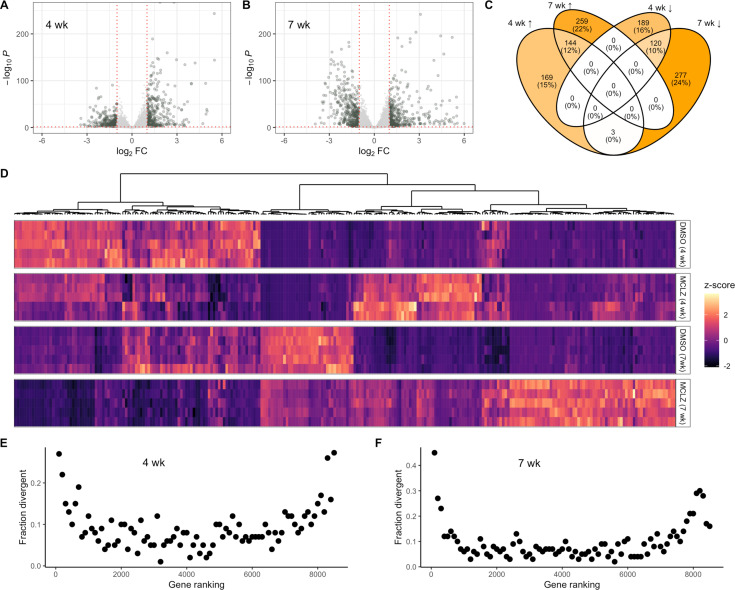 Figure 2
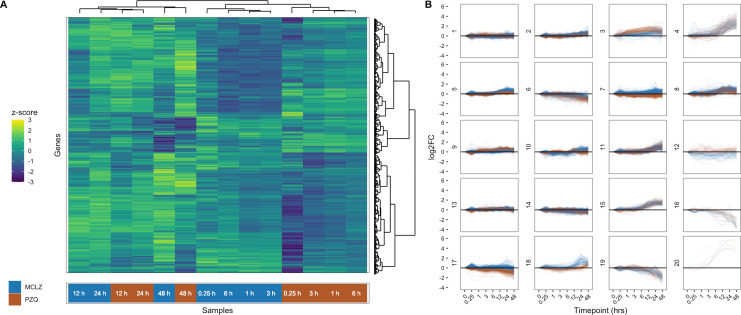 Figure 3
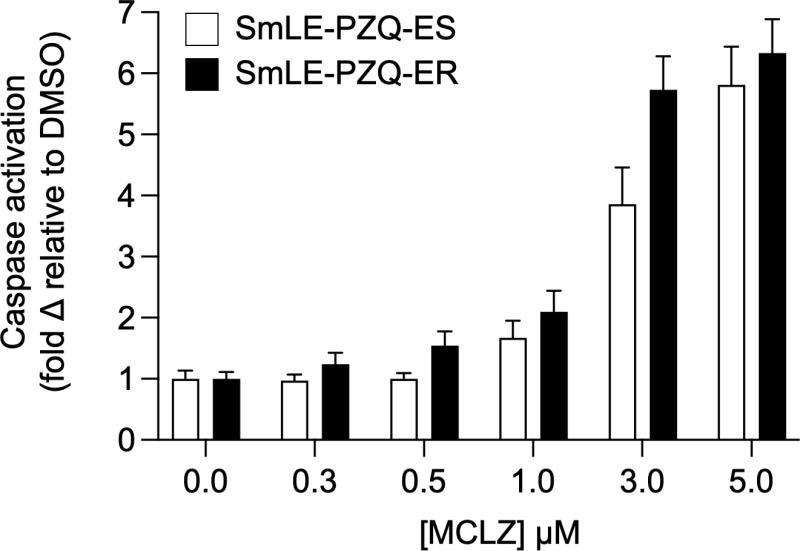 Figure 4
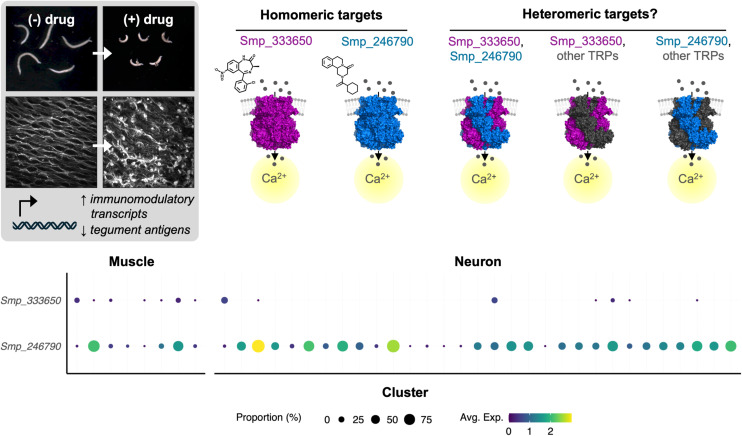 Figure 5
Peer Reviews
No public reviews on file for this paper yet. If you reviewed it on a platform where reviews are public (OpenReview, ICLR, NeurIPS, ICML), you can paste yours below so the community can read it here.
Videos
No videos yet. Explain this paper in a talk, walkthrough, or lecture? Add one.
Taxonomy
TopicsParasites and Host Interactions · Parasite Biology and Host Interactions · Helminth infection and control