Protective function of the voltage-gated potassium channel Kv11.3 in a mouse model of cardiac ischemia/reperfusion injury
Hayato Sasaki, Kazuki Otake, Kazuki Takeda, Karin Tesaki, Eiki Takahashi, Jumpei Yasuda, Shizukaze Matsuda, Ayumu Kawasaki, Masaki Watanabe, Kosuke Otani, Muneyoshi Okada, Masakazu Sekijima, Hideyuki Yamawaki, Nobuya Sasaki

TL;DR
This study shows that the Kv11.3 potassium channel protects the heart from injury during ischemia and reperfusion, likely through neural pathways.
Contribution
The study is the first to link Kv11.3 to cardiac protection during ischemia/reperfusion injury.
Findings
Kv11.3 knockout mice had higher mortality and larger infarct sizes after cardiac I/R.
The corrected QT interval was less affected in Kv11.3 KO mice compared to wild-type mice.
NS-1643, a Kv11.3 antagonist, reproduced the KO phenotype, suggesting a protective role for the channel.
Abstract
Voltage-gated potassium (Kv) channels contribute to repolarization in excitable tissues such as nerves and cardiac muscle; consequently, they control the firing frequency and duration of action potential. Their dysfunction can thus cause neurological disorders and cardiac disorders with arrhythmias. The dysfunction of Kv11.3 is associated with bipolar disorder, but no reports have linked it to heart disease. Kv11.3-knocked out (KO) mice exhibit behavioral abnormalities, but they do not have cardiac abnormalities. Ischemia–reperfusion (I/R) experiments were performed on the hearts of Kv11.3 KO mice to determine whether they would differ from wild-type mice when exposed to stimuli that could induce sudden cardiac death. The mortality rates and infarct size of the Kv11.3 KO mice increased after cardiac I/R. The corrected QT interval was shortened in the wild-type mice after cardiac I/R,…
Genes, proteins, chemicals, diseases, species, mutations and cell lines named across the full text — each resolved to its canonical identifier and authoritative record.
Click any figure to enlarge with its caption.
 Figure 1
 Figure 2
 Figure 3
 Figure 4
 Figure 5
 Figure 6
 Figure 7
 Figure 8
 Figure 9
 Figure 10
 Figure 11
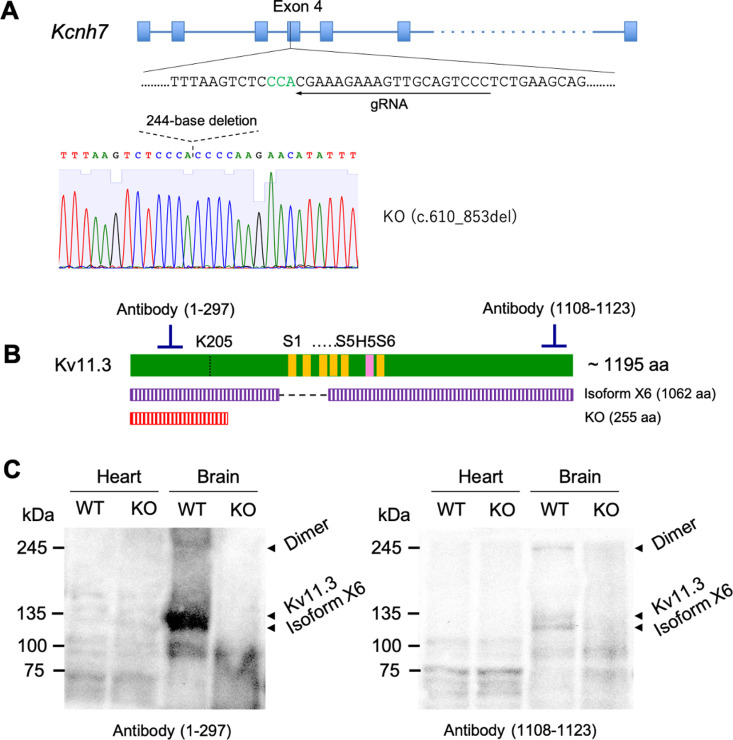 Figure 12
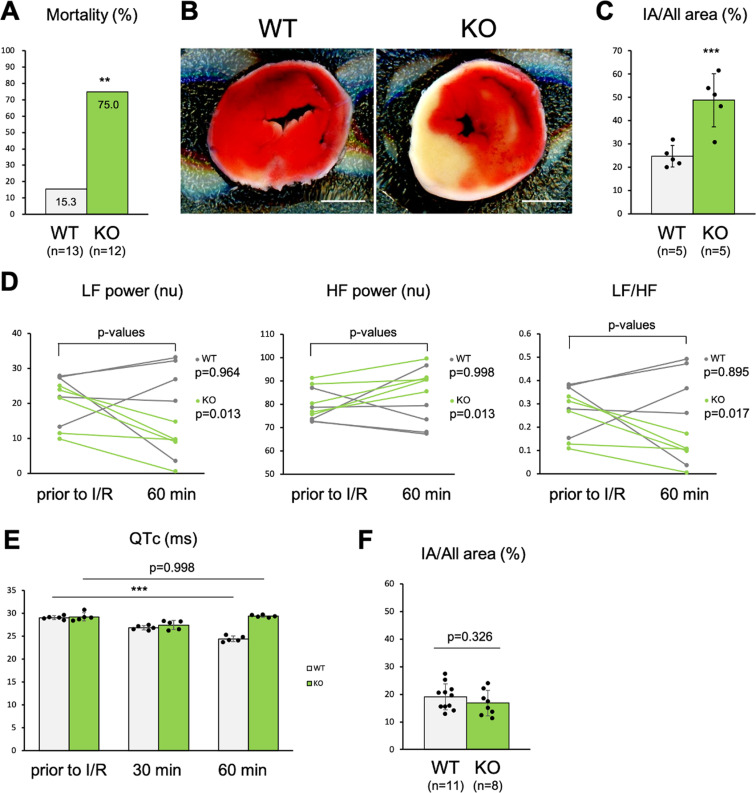 Figure 13
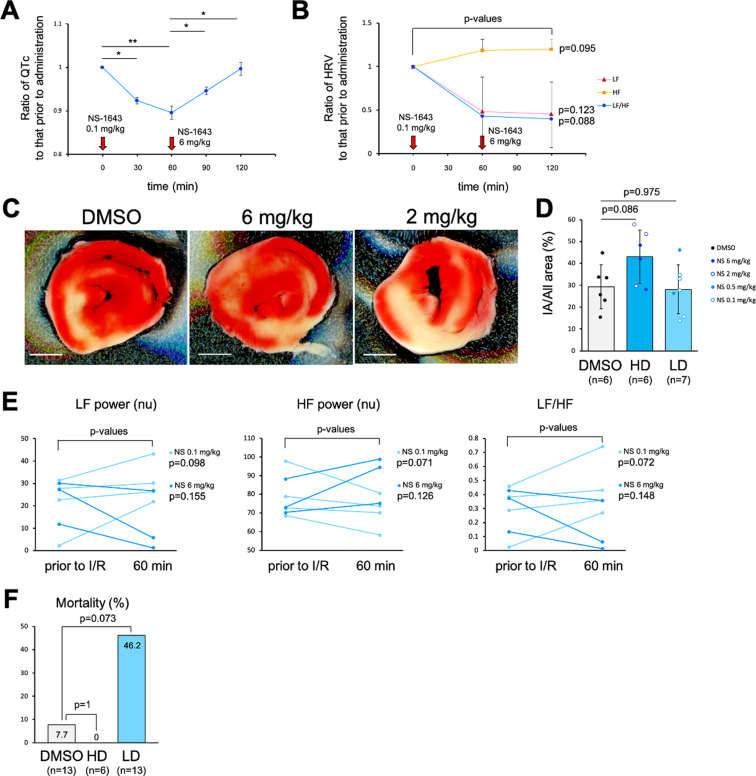 Figure 14
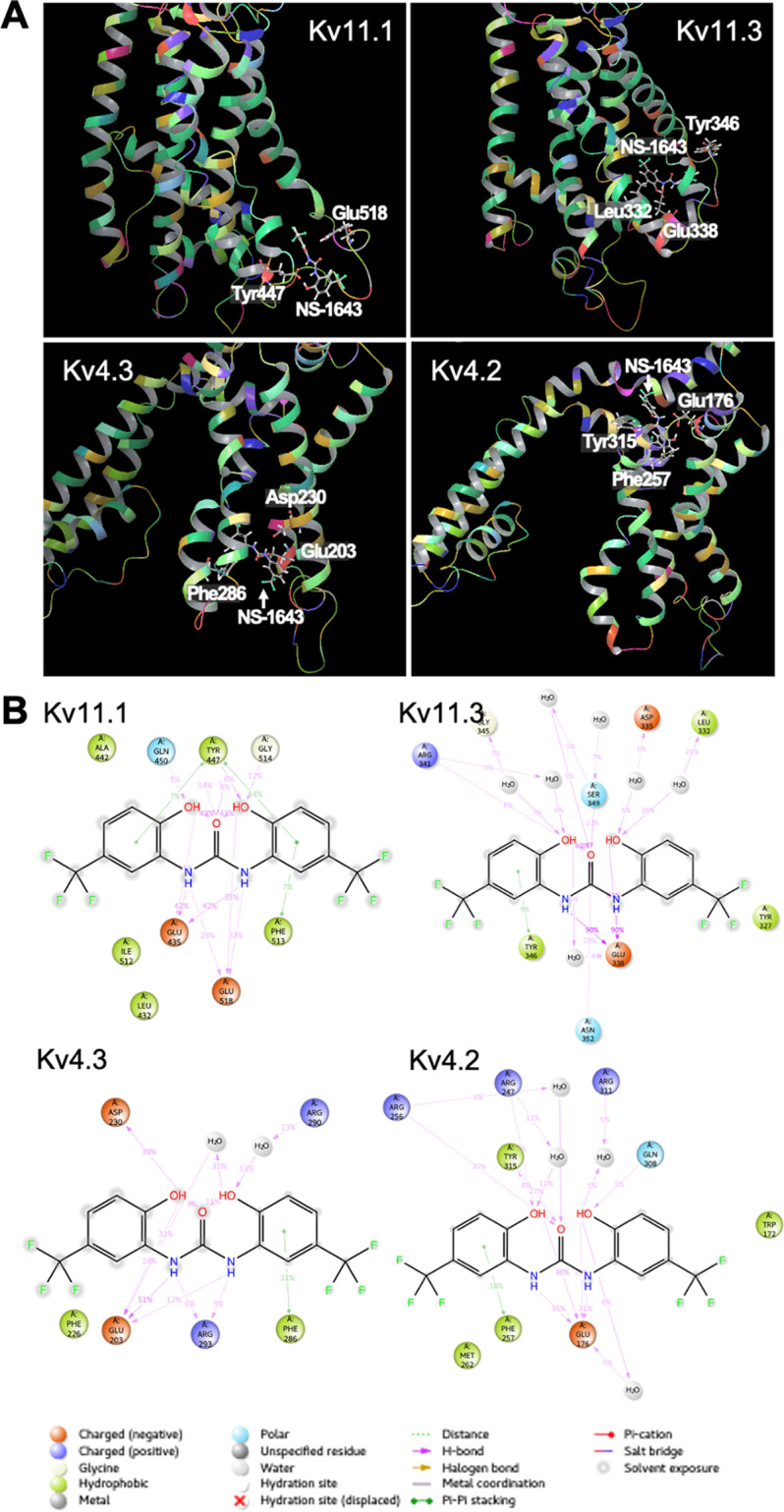 Figure 15
Peer Reviews
No public reviews on file for this paper yet. If you reviewed it on a platform where reviews are public (OpenReview, ICLR, NeurIPS, ICML), you can paste yours below so the community can read it here.
Videos
No videos yet. Explain this paper in a talk, walkthrough, or lecture? Add one.
Taxonomy
TopicsCardiac electrophysiology and arrhythmias · Ion channel regulation and function · Neuroscience and Neuropharmacology Research