Do young and older adult populations perform equivalently across different automatic face-trait judgements? Evidence for differential impacts of ageing
Chithra Kannan, Alex L. Jones, John Towler, Jeremy J. Tree, Hosam Al-Samarraie, Hosam Al-Samarraie, Hosam Al-Samarraie

TL;DR
This study shows that older adults are as good as younger adults at judging negative traits from faces but worse at judging positive traits like extraversion.
Contribution
The study reveals age-related differences in automatic face-trait judgements, particularly for extraversion.
Findings
Young participants accurately judged both extraversion and neuroticism from faces.
Older adults matched young controls in judging neuroticism but struggled with extraversion.
Implicit trait judgements were not linked to cognitive or trait factors like face recognition or emotional perception.
Abstract
Accurate implicit personality trait judgements can be made from faces, but as yet the focus has been on young participants making judgements of young faces. The current study sought to explore if similar patterns of performance are seen across the age range, with both young and older adult groups. In addition, we investigated whether implicit trait judgements are associated with cognitive, and trait factors including face recognition, emotional expression perception, autism traits, and alexithymia traits. Across two experiments we explored the extent to which young and older adult populations were able to make accurate implicit associations from faces signalling two different traits – extraversion (positive) and neuroticism (negative). Interestingly, we find that young participants were accurate at making both kinds of automatic trait judgments, and older adults were equivalent to…
Genes, proteins, chemicals, diseases, species, mutations and cell lines named across the full text — each resolved to its canonical identifier and authoritative record.
Click any figure to enlarge with its caption.
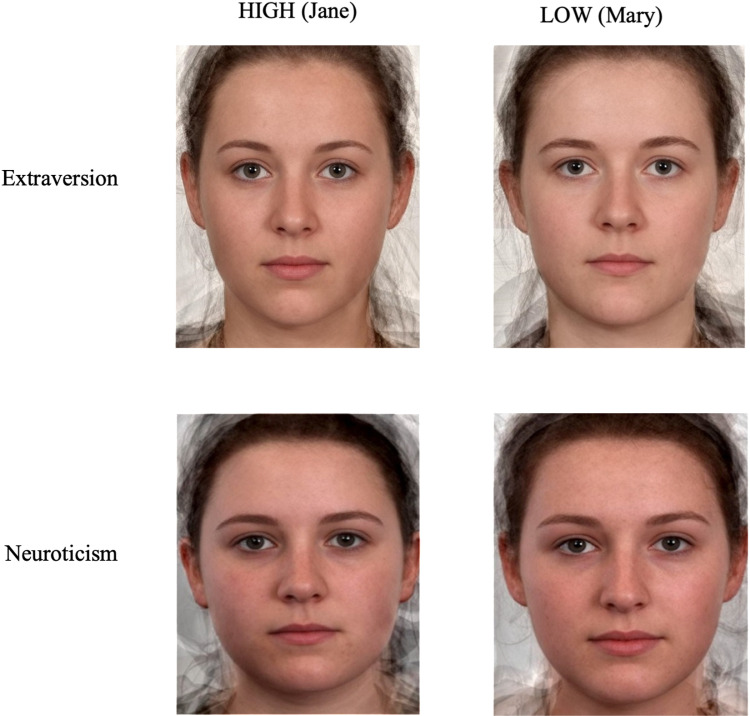 Figure 1
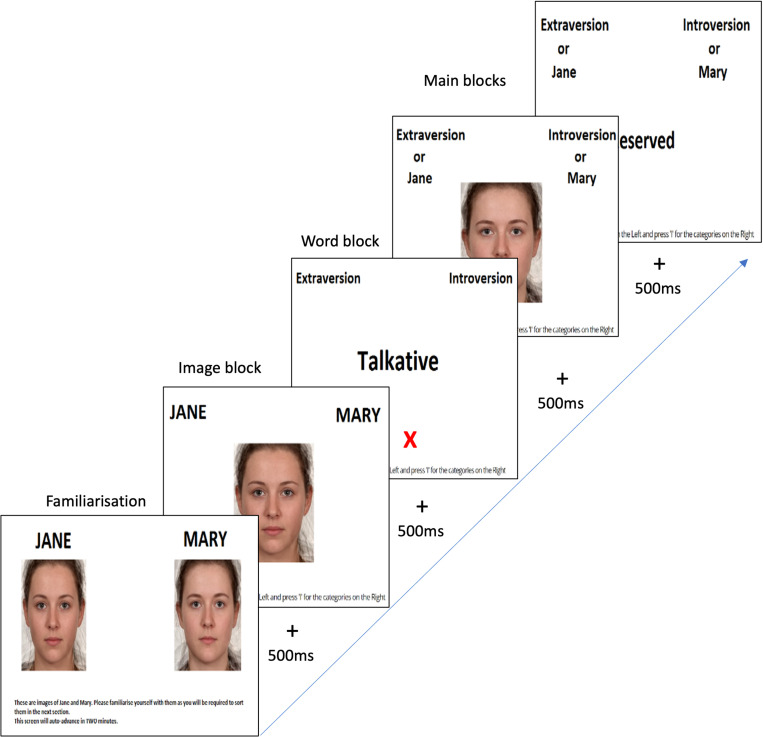 Figure 2
 Figure 3
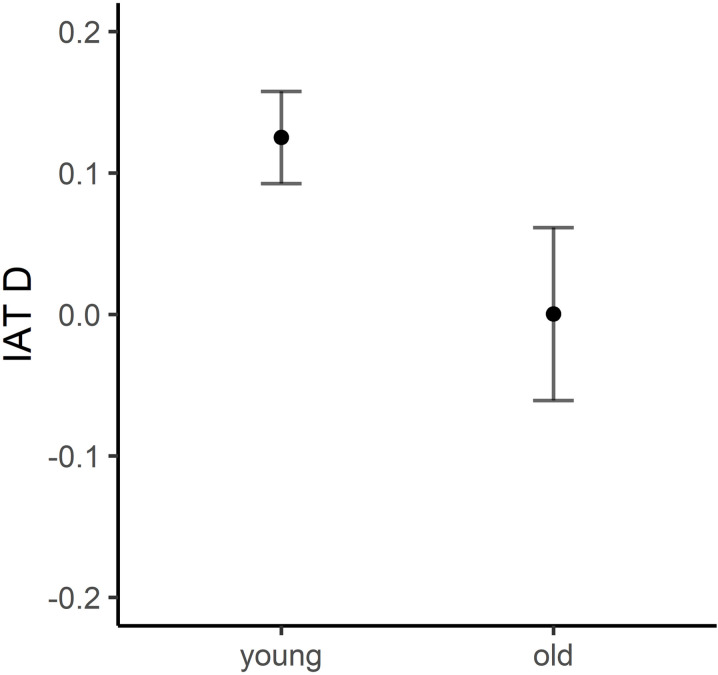 Figure 4
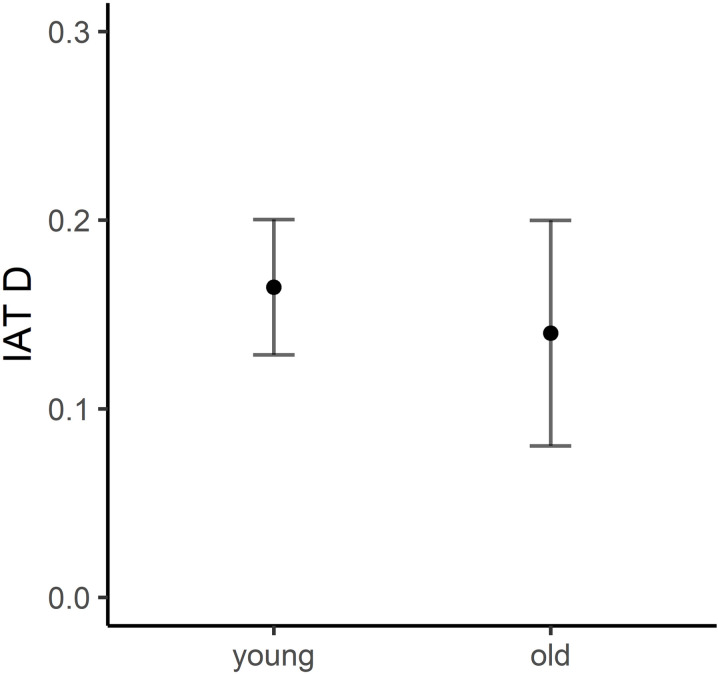 Figure 5
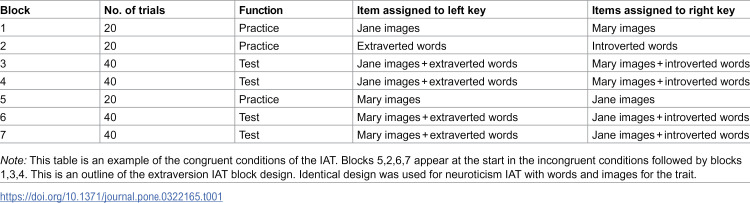 Figure 6
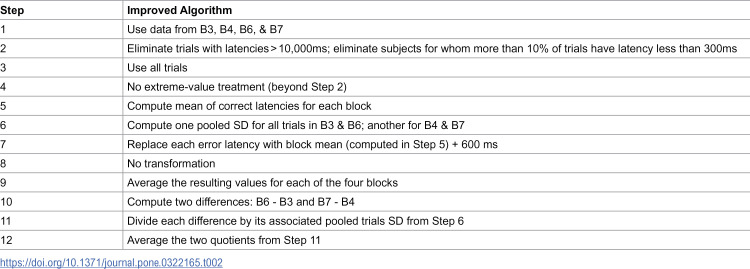 Figure 7
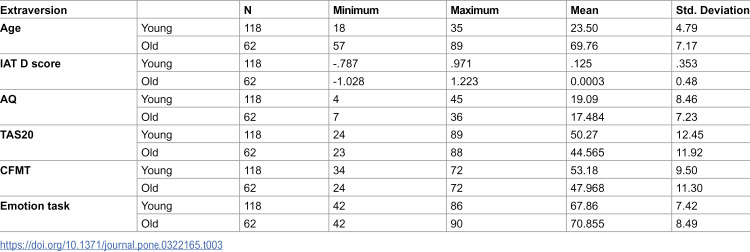 Figure 8
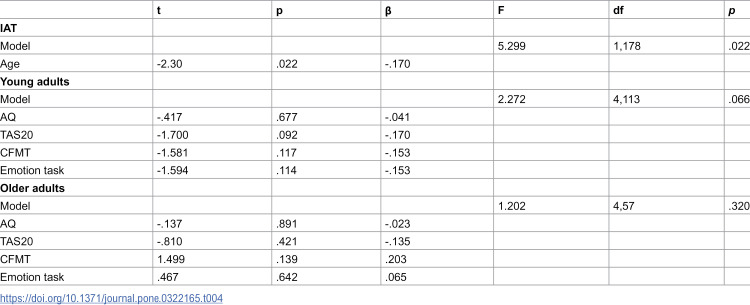 Figure 9
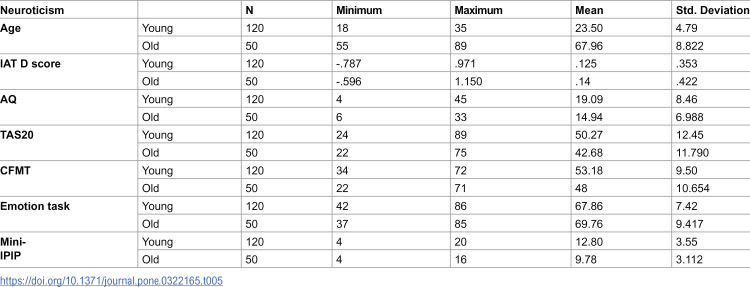 Figure 10
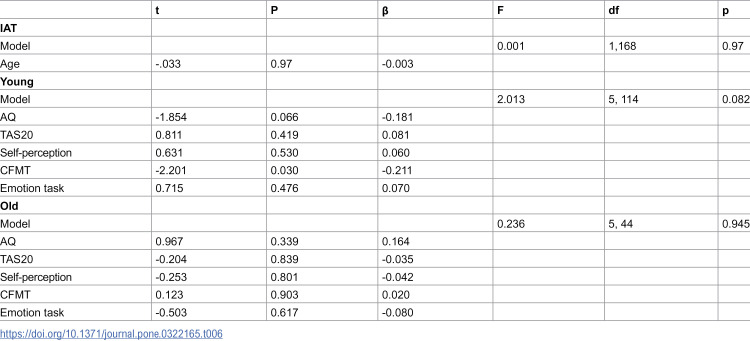 Figure 11
Peer Reviews
No public reviews on file for this paper yet. If you reviewed it on a platform where reviews are public (OpenReview, ICLR, NeurIPS, ICML), you can paste yours below so the community can read it here.
Videos
No videos yet. Explain this paper in a talk, walkthrough, or lecture? Add one.
Taxonomy
TopicsEvolutionary Psychology and Human Behavior · Face Recognition and Perception · Body Image and Dysmorphia Studies