Exploring support for medicalized female genital mutilation/cutting: A study on migrant women living in Italy
Livia Elisa Ortensi, Patrizia Farina, Daniela Carrillo, Enrico Ripamonti, Joyce Jebet Cheptum, Emma Campbell, Achenef Muche, Achenef Muche, Achenef Muche

TL;DR
This study explores how migrant women in Italy view medically performed female genital mutilation/cutting and finds that higher education and cultural factors influence support for the practice.
Contribution
The study provides new insights into FGM/C support among migrant women in Italy, focusing on the role of medicalization and socio-demographic factors.
Findings
Medicalization of FGM/C correlates with higher education, age, being in a couple, and origin from countries where it is more commonly medicalized.
Religious approval, marriage prospects, cleanliness, and cultural conformity are perceived benefits linked to medicalized FGM/C support.
Higher education is a critical but not exclusive factor in supporting medicalized FGM/C.
Abstract
The medicalization of female genital mutilation/cutting (FGM/C) as a harm reduction strategy is a highly debated issue, although largely unexplored among migrants living outside practising countries. This study investigates the extent of the support for FGM/C conditioned on its medicalization among migrant women from FGM/C-practising countries residing in Italy, and the characteristics of women supporting the practice. Data are from a national survey on FGM/C conducted in Italy in 2016, covering a representative sample of 1,378 women aged 18 + who were born in Nigeria, Egypt, Eritrea, Senegal, Burkina Faso, Somalia, and Ivory Coast. A discrete choice framework and a multinomial probit choice model are adopted to analyze women’s preferences about FGM/C continuation and medicalization. Findings indicate that, compared with women who support the practice unconditionally, the requirement of…
Genes, proteins, chemicals, diseases, species, mutations and cell lines named across the full text — each resolved to its canonical identifier and authoritative record.
Click any figure to enlarge with its caption.
 Figure 1
 Figure 2
 Figure 3
 Figure 4
 Figure 5
 Figure 6
 Figure 7
 Figure 8
 Figure 9
 Figure 10
 Figure 11
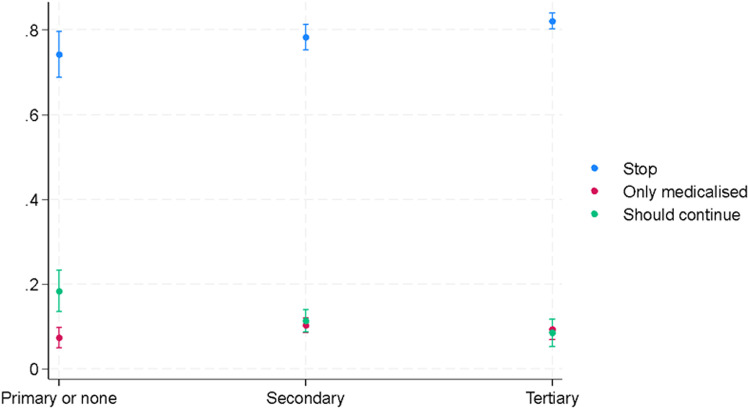 Figure 12
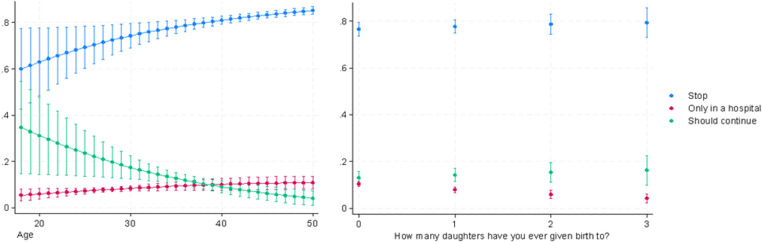 Figure 13
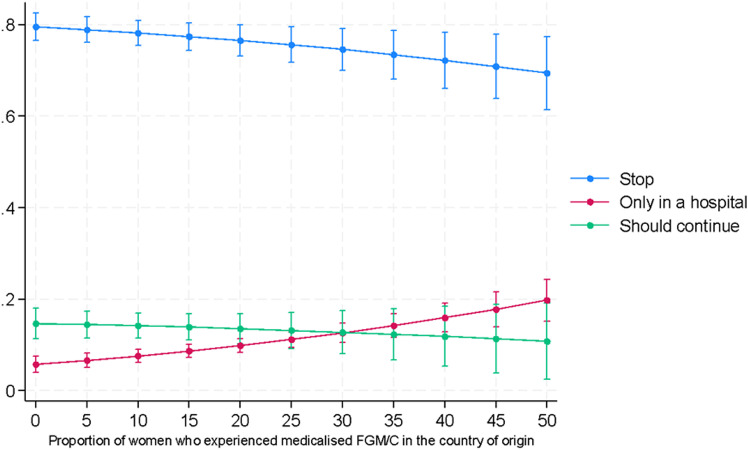 Figure 14
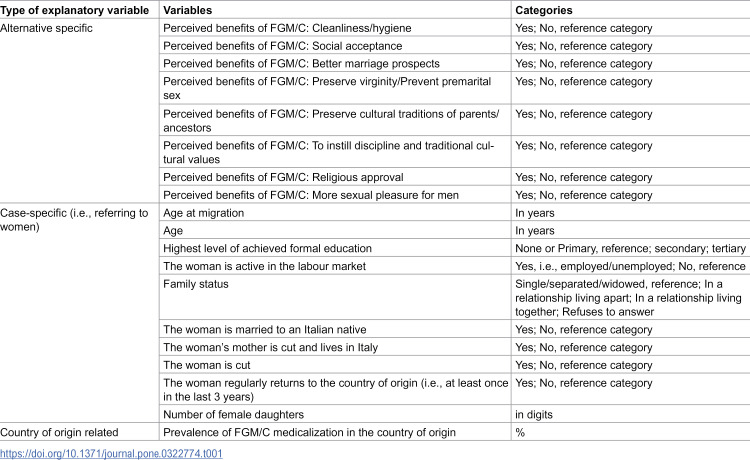 Figure 15
 Figure 16
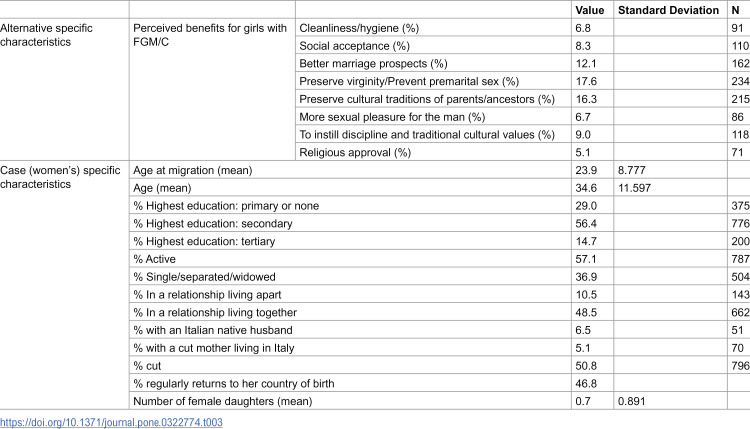 Figure 17
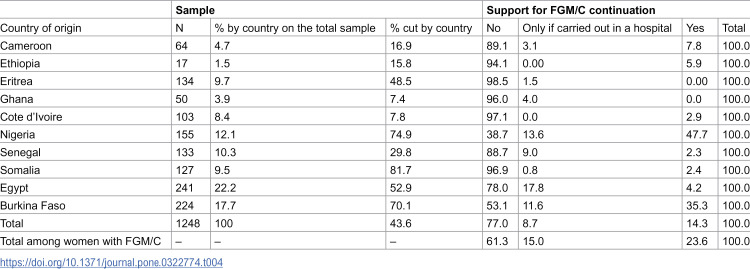 Figure 18
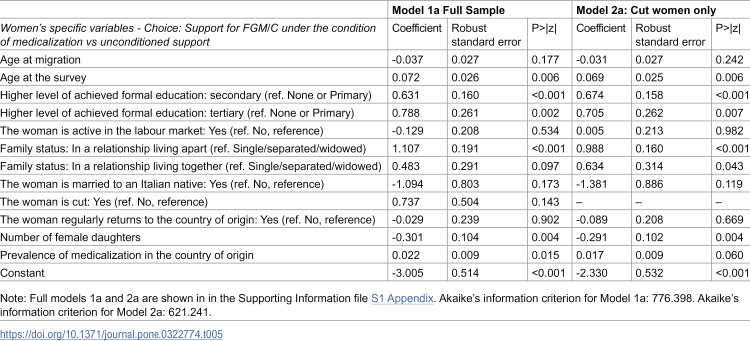 Figure 19
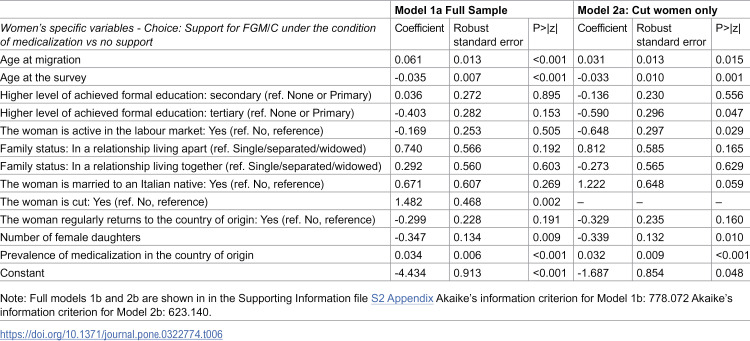 Figure 20
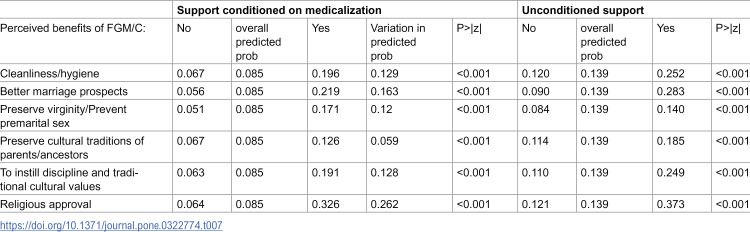 Figure 21
Peer Reviews
No public reviews on file for this paper yet. If you reviewed it on a platform where reviews are public (OpenReview, ICLR, NeurIPS, ICML), you can paste yours below so the community can read it here.
Videos
No videos yet. Explain this paper in a talk, walkthrough, or lecture? Add one.
Taxonomy
TopicsFemale Genital Mutilation/Cutting Issues · Genital Health and Disease · Reproductive Health and Contraception