Azelaic acid reduces arsenic-induced toxicity and inflammation in the rat islets of langerhans
Sara Mostafalou, Fatemeh Moafi-Madani, Maryam Baeeri, Mahban Rahimifard, Hamed Haghi-Aminjan

TL;DR
Azelaic acid helps protect rat pancreatic islets from arsenic-induced damage by reducing toxicity and inflammation.
Contribution
This study demonstrates azelaic acid's protective effects against arsenic toxicity in pancreatic islets for the first time.
Findings
Sodium arsenite reduced cell viability and increased apoptosis, ROS, and inflammation in islets.
Azelaic acid significantly reversed the harmful effects of sodium arsenite on islet cells.
Azelaic acid's protective role is linked to its anti-apoptotic, anti-inflammatory, and antioxidant properties.
Abstract
Arsenic is classified as a toxic metal that is naturally found in the Earth’s crust, and long-term exposure to it can result in chronic human disorders like cancer and diabetes. Azelaic acid (AZA), a natural dicarboxylic acid, has been reported to have anti-oxidant and anti-inflammatory effects; hence, it may protect against the metabolic toxicity of arsenic. This study aimed to investigate whether AZA could ameliorate sodium arsenite (SA) toxicity toward rat islets of Langerhans. Pancreatic Islets of Langerhans isolated from adult male Wistar rats were divided into four groups of 10: control, SA, AZA, and SA plus AZA. Twenty-four hours after incubation, cell viability, cell death pathways, reactive oxygen species (ROS), inflammatory factor gene expression, and insulin secretion were evaluated. SA dose-dependently decreased cell viability, increased apoptosis, ROS generation,…
Genes, proteins, chemicals, diseases, species, mutations and cell lines named across the full text — each resolved to its canonical identifier and authoritative record.
Click any figure to enlarge with its caption.
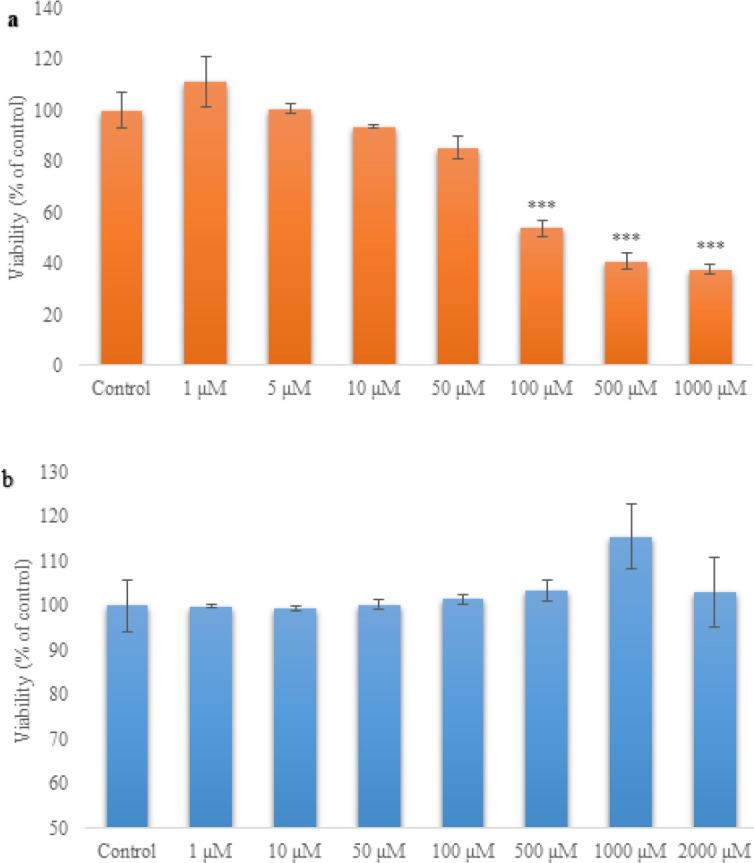 Figure 1
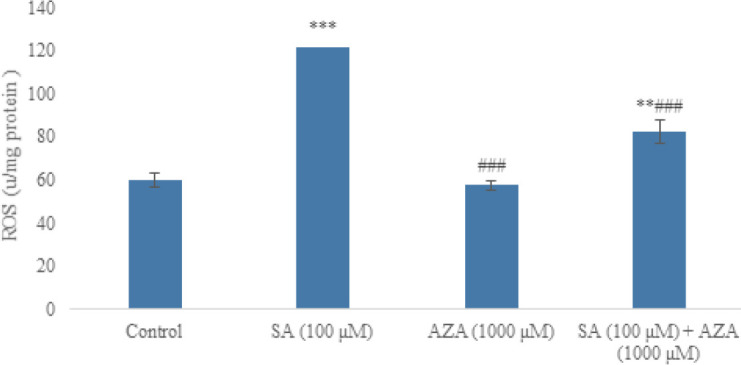 Figure 2
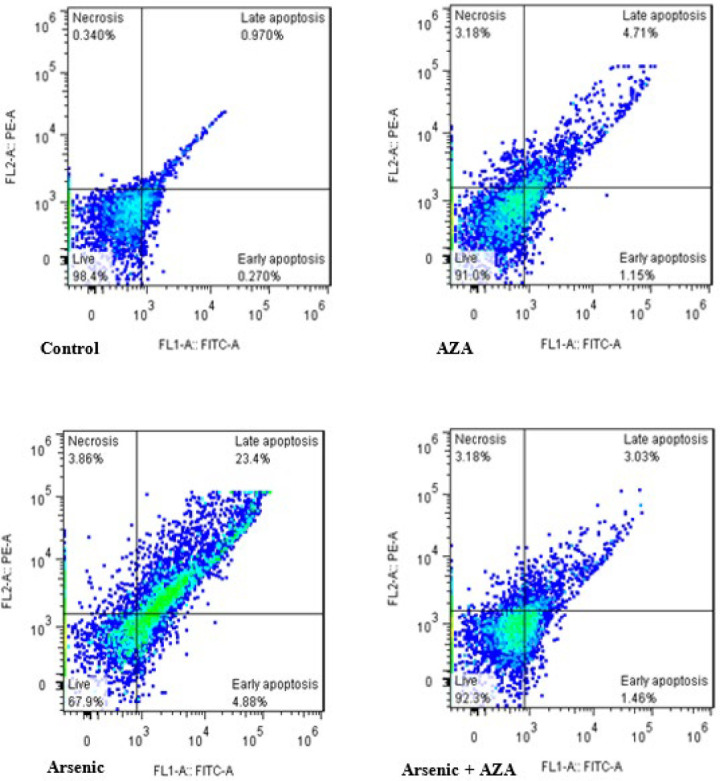 Figure 3
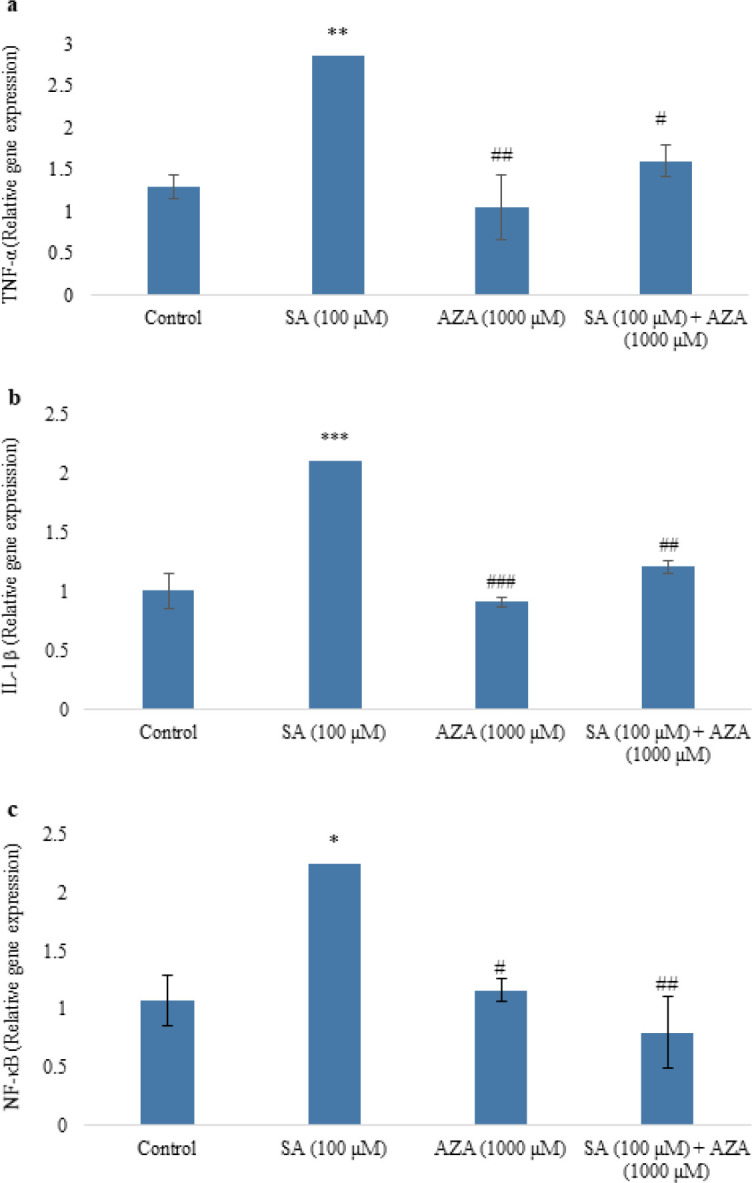 Figure 4
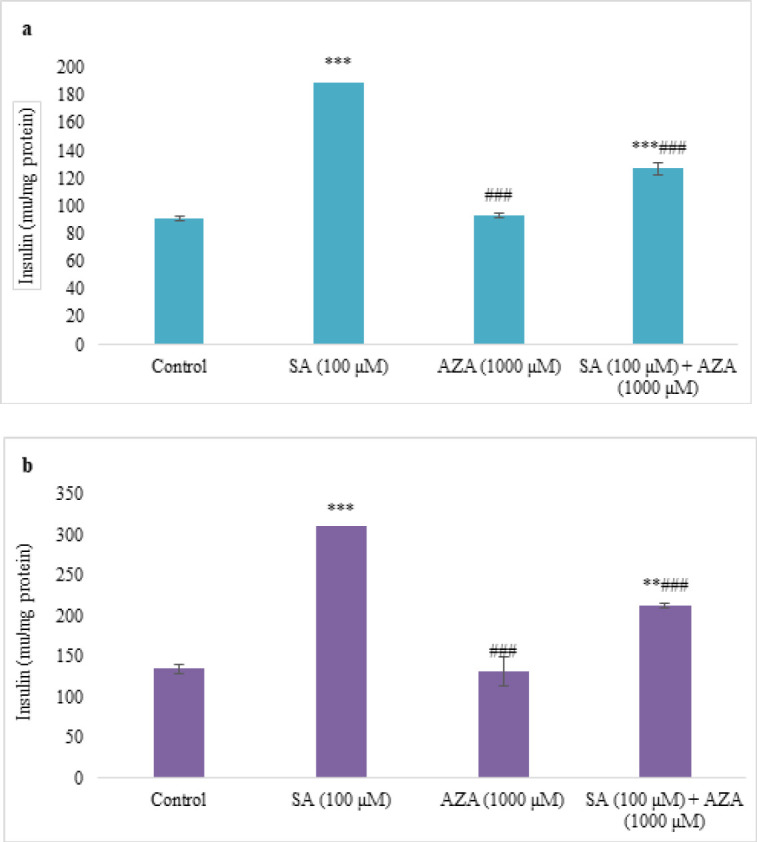 Figure 5
Peer Reviews
No public reviews on file for this paper yet. If you reviewed it on a platform where reviews are public (OpenReview, ICLR, NeurIPS, ICML), you can paste yours below so the community can read it here.
Videos
No videos yet. Explain this paper in a talk, walkthrough, or lecture? Add one.
Taxonomy
TopicsArsenic contamination and mitigation