Human touch? Acoustical analysis of ancient music reconstructs tuning and intonation, elucidating aspects of human behavior
Dan C. Baciu

TL;DR
This paper uses acoustical analysis to reconstruct ancient Greek and Roman music tuning and finds parallels with ancient atomic philosophy.
Contribution
The paper presents a novel mathematical analysis of ancient music to reconstruct tuning and intonation practices.
Findings
Ancient musicians preferred pure intonation but made slight deviations for vocal performance complexity.
The analysis reveals parallels between musical tuning practices and ancient atomic philosophy.
Combinatorial limitations of fixed-length string instruments influenced tuning choices.
Abstract
Did you ever travel to Greece and wonder what ancient Greek or Roman music sounded like? A mathematical analysis of all compositions that have survived from antiquity now allows us to reconstruct the exact tuning and intonation. According to this analysis, ancient musicians preferred pure intonation. However, they had a keen sense of its combinatorial limitations on instruments with strings of fixed length, such as lyres, and they recognized the necessity of slight deviations from pure intonation during vocal performance to allow for more tonal complexity. This spirit is paralleled in ancient atomic philosophy, which posited that atoms sometimes swerved to allow for more combinatorial complexity and unexpected effects. Mathematical analysis reconstructs tuning of ancient Greek and Roman music and reveals parallels with atomist philosophy.
Genes, proteins, chemicals, diseases, species, mutations and cell lines named across the full text — each resolved to its canonical identifier and authoritative record.
Click any figure to enlarge with its caption.
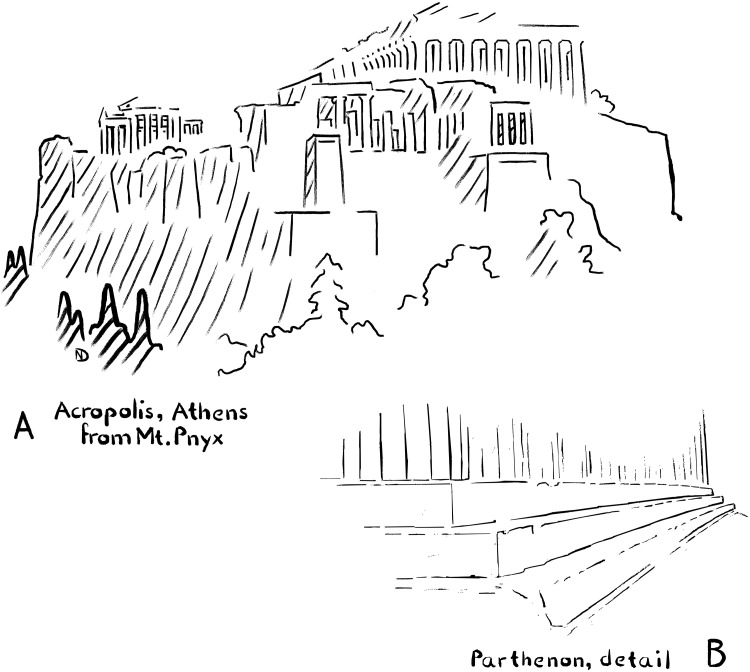 Figure 1
 Figure 2
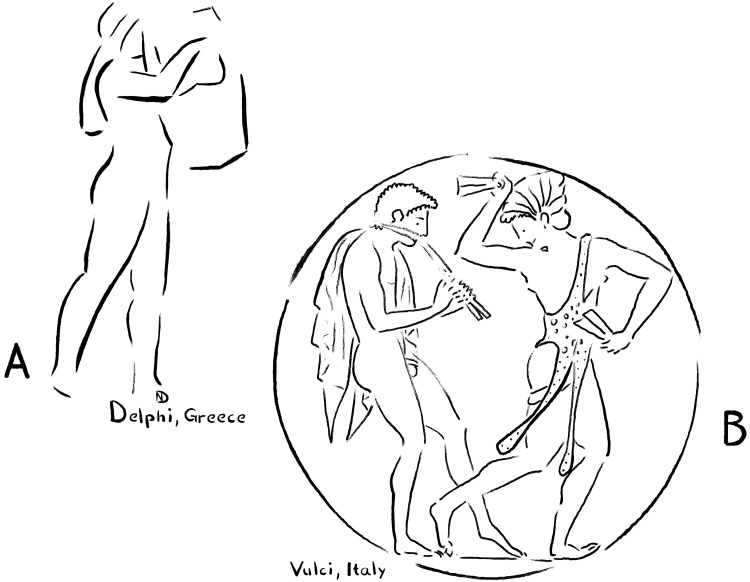 Figure 3
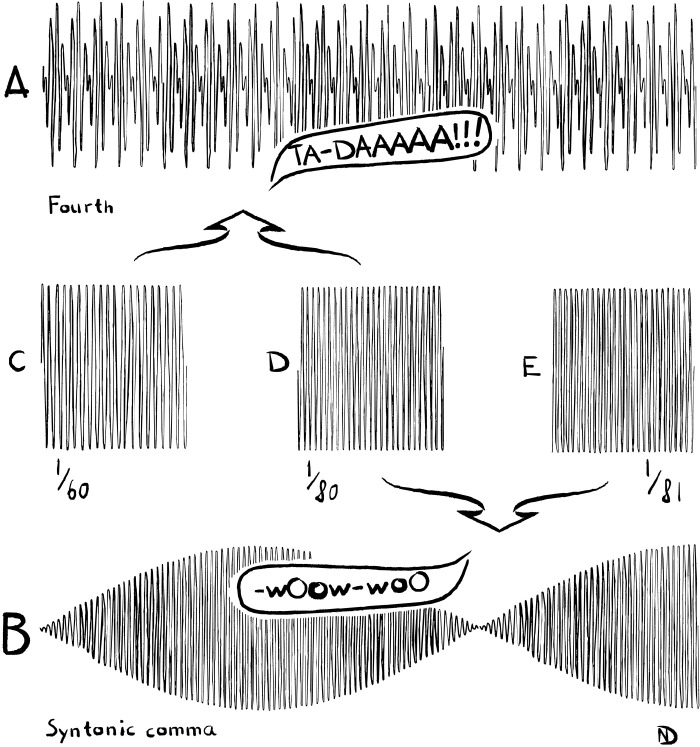 Figure 4
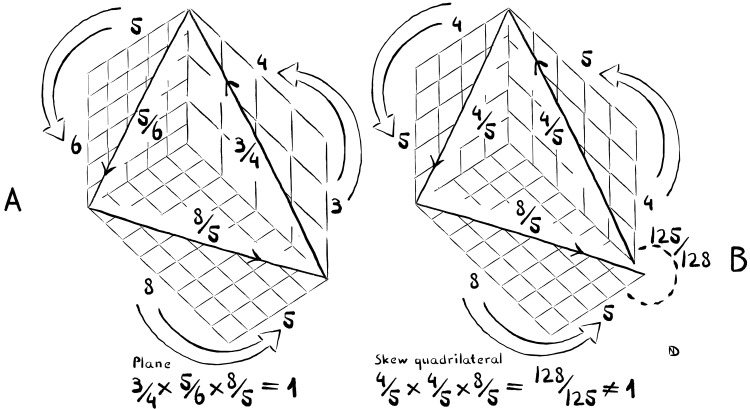 Figure 5
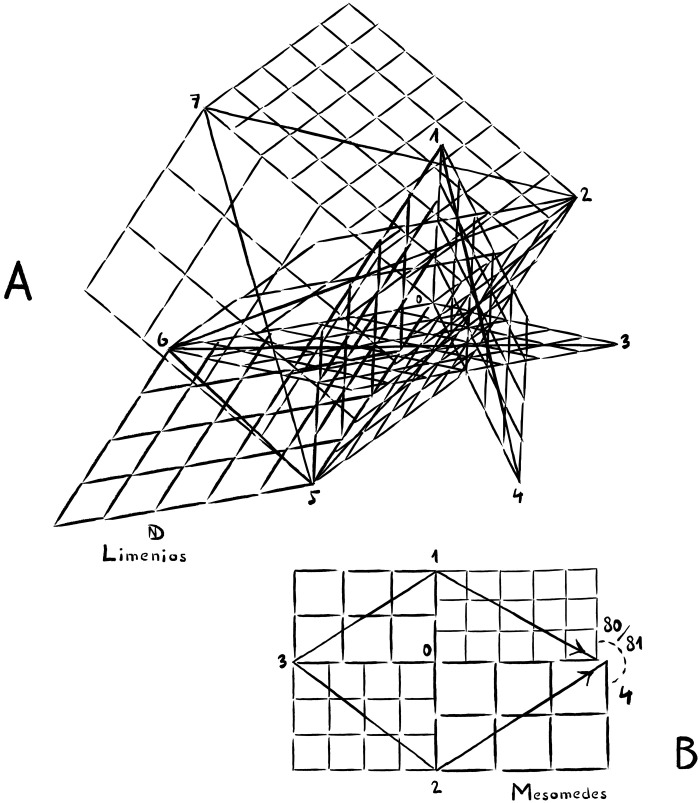 Figure 6
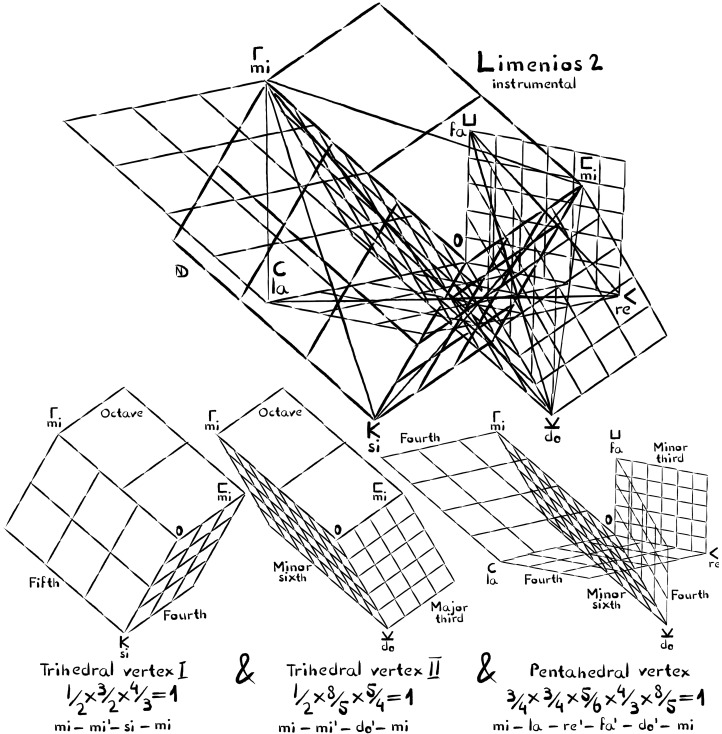 Figure 7
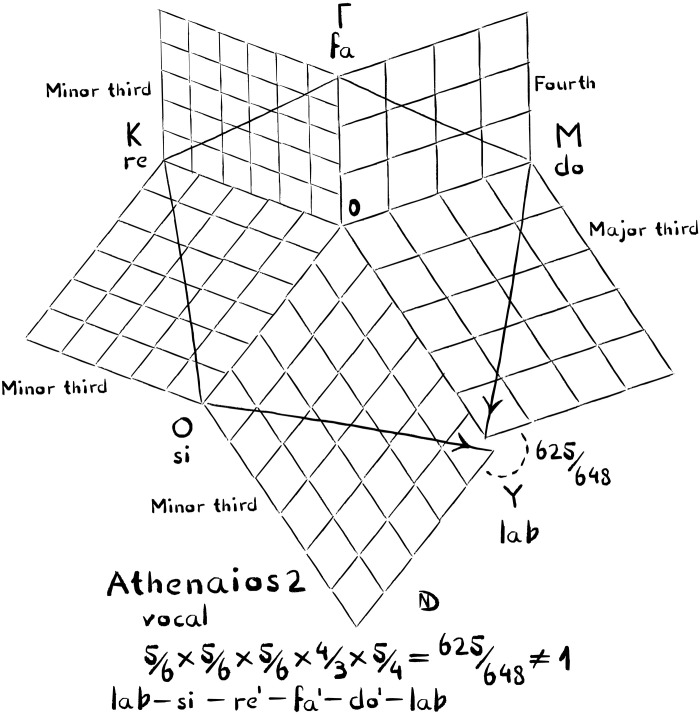 Figure 8
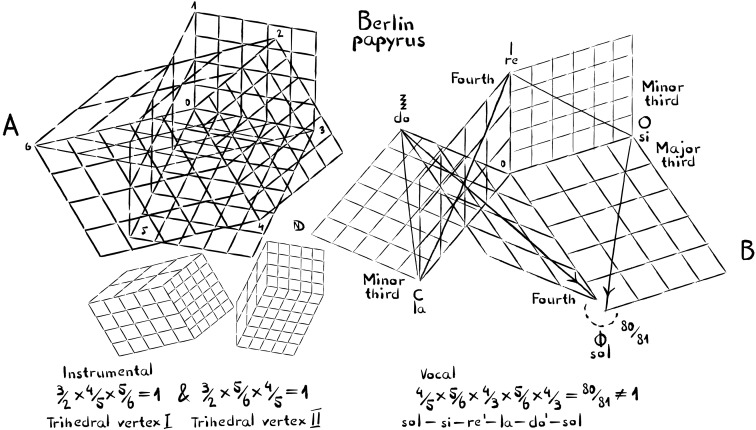 Figure 9
 Figure 10
Peer Reviews
No public reviews on file for this paper yet. If you reviewed it on a platform where reviews are public (OpenReview, ICLR, NeurIPS, ICML), you can paste yours below so the community can read it here.
Videos
No videos yet. Explain this paper in a talk, walkthrough, or lecture? Add one.
Taxonomy
TopicsMusic Technology and Sound Studies · Neuroscience and Music Perception · Diverse Musicological Studies