Safety and Efficacy of Robotic Hysterectomy Using an Indigenous Robotic System: A Retrospective Study
Raj Gajbhiye, Rashmi Solanke, Bhupesh Tirpude, Gayatri Deshpande, Hemant Bhanarkar, Ashutosh Jadhao, Vipin Kursunge

TL;DR
This study shows that a new Indian robotic system can safely and effectively perform hysterectomies with good results and short hospital stays.
Contribution
The study evaluates the safety and efficacy of an indigenous robotic system for hysterectomy, highlighting its ergonomic design and short learning curve.
Findings
All 15 robotic hysterectomies were completed without conversions or major complications.
The average operative time was 169.41 minutes, with docking time improving significantly over the study.
Estimated blood loss averaged 129.16 mL, and hospital stays averaged 4.5 days.
Abstract
Background Minimally invasive hysterectomy approaches, including vaginal, laparoscopic, and robotic hysterectomy, offer advantages over laparotomic hysterectomy. However, vaginal hysterectomy is less feasible for patients with a large uterus, prior pelvic surgery, adnexal surgery requirements, or malignancy, making laparoscopy or robotic surgery preferable. The SSI Mantra robotic system (Sudhir Srivastava Innovations Pvt. Ltd., India) features an ergonomic open-faced console with a 32-inch 3D 4K monitor, a 23-inch 2D touch monitor for system control and DICOM applications, a head-tracking safety feature, and advanced ergonomic controls. This study evaluates the safety and efficacy of robotic hysterectomy using this indigenous system. Materials and methods From February to September 2024, 15 patients underwent robotic hysterectomy at Government Medical College, Nagpur. Patients were…
Genes, proteins, chemicals, diseases, species, mutations and cell lines named across the full text — each resolved to its canonical identifier and authoritative record.
Click any figure to enlarge with its caption.
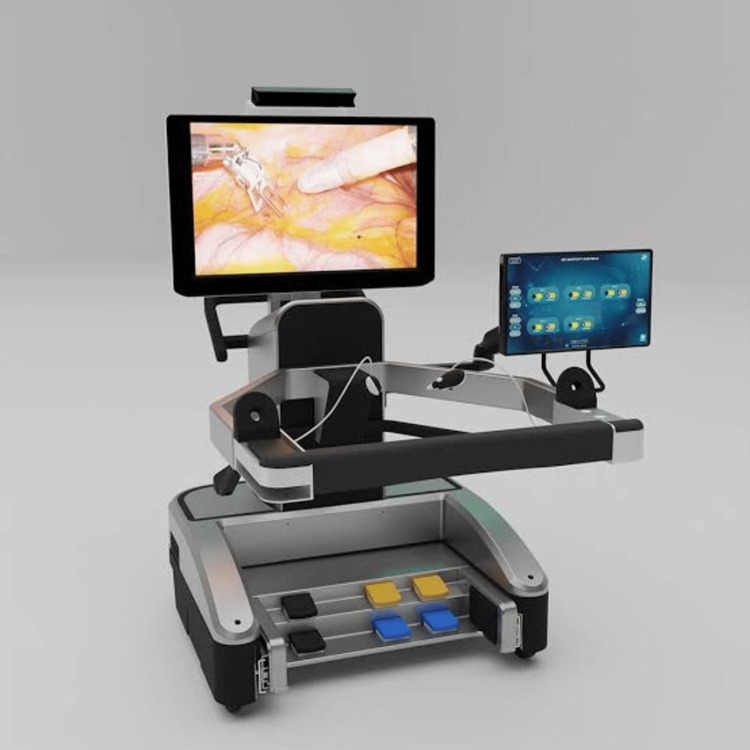 Figure 1
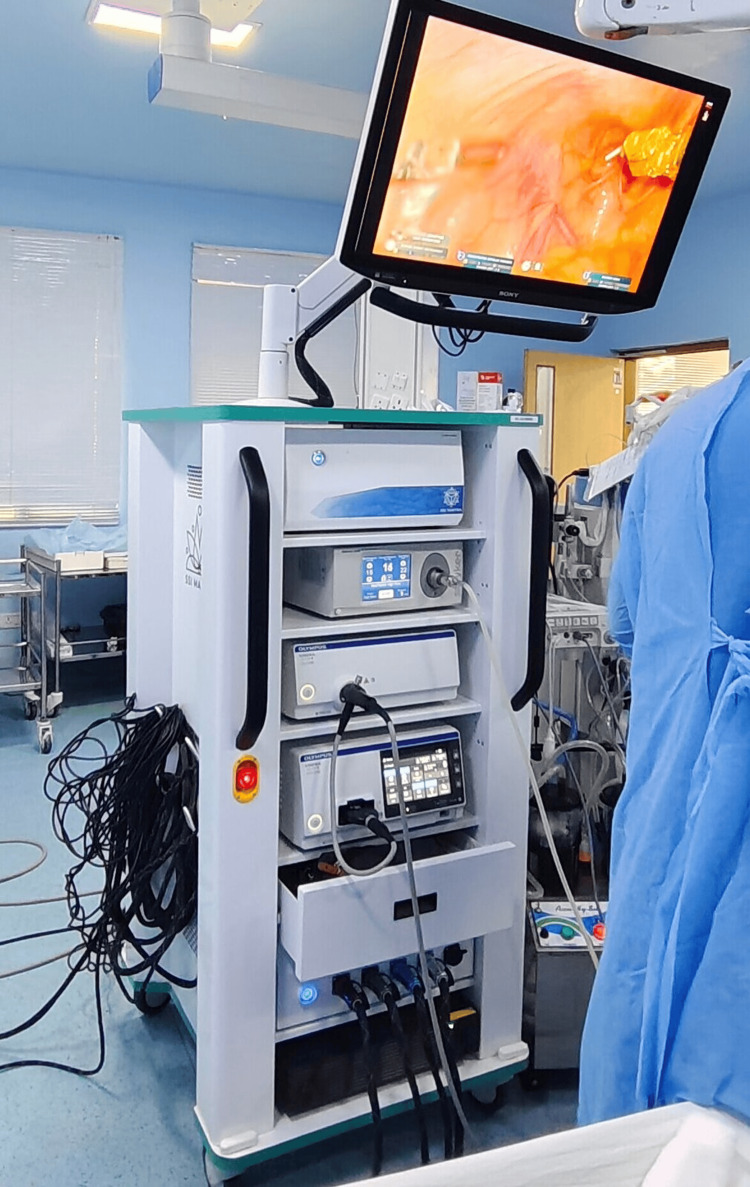 Figure 2
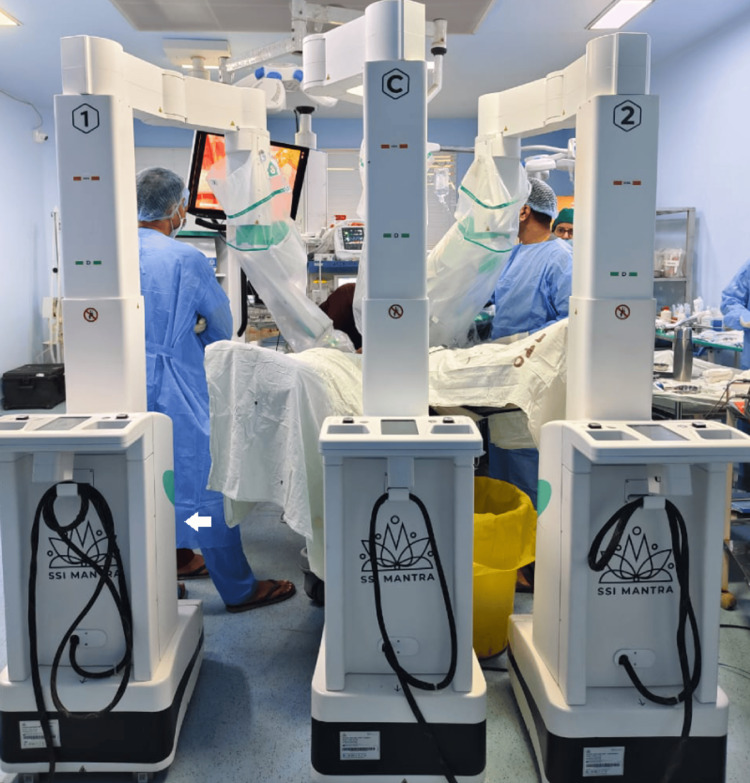 Figure 3
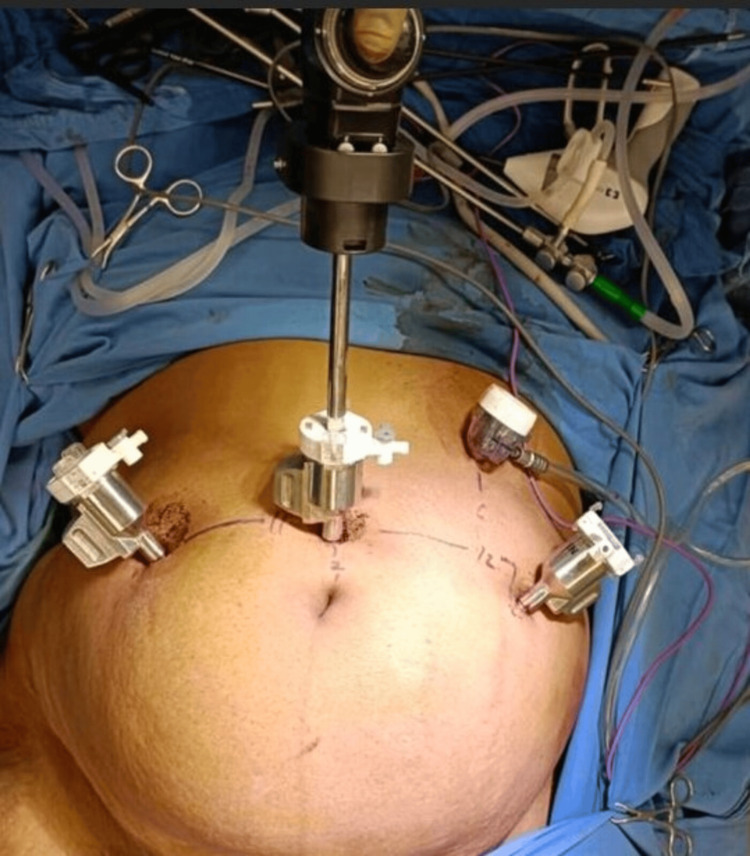 Figure 4
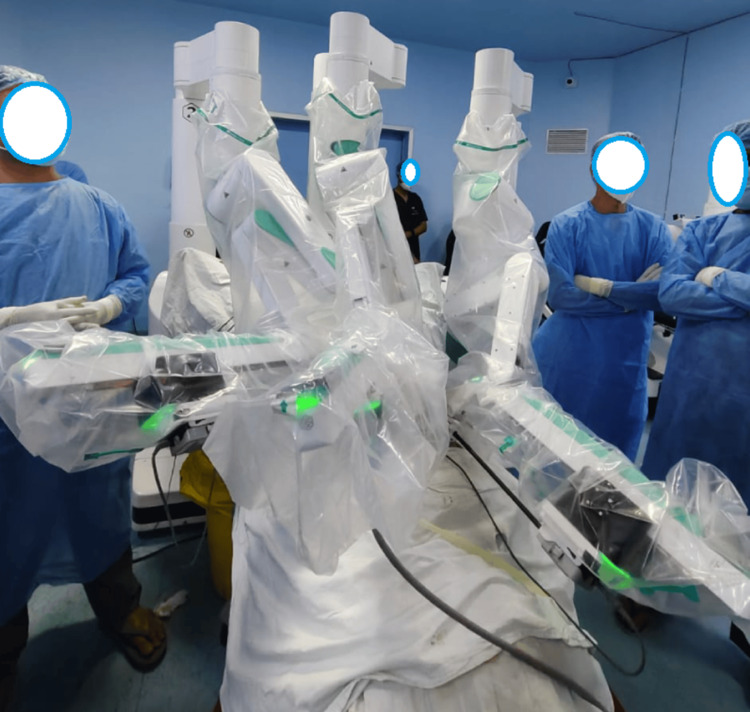 Figure 5
Peer Reviews
No public reviews on file for this paper yet. If you reviewed it on a platform where reviews are public (OpenReview, ICLR, NeurIPS, ICML), you can paste yours below so the community can read it here.
Videos
No videos yet. Explain this paper in a talk, walkthrough, or lecture? Add one.
Taxonomy
TopicsUterine Myomas and Treatments · Minimally Invasive Surgical Techniques · Surgical Simulation and Training