Troubleshooting Transvenous Pacemakers with Point of Care Ultrasound (POCUS)
Emily Gohde, Seth Lotterman, Ikram Irfanullah, David Hansen, Felix Pacheco, Adam Wise, Matthew Tichauer, Trent She

TL;DR
This paper explains how point of care ultrasound can help place and troubleshoot transvenous pacemakers in emergency situations.
Contribution
The paper introduces a protocol integrating POCUS for TVP placement and troubleshooting in emergency settings.
Findings
POCUS can aid in vascular access and wire advancement during TVP placement.
POCUS helps identify complications and improve success rates in TVP procedures.
Abstract
Emergent transvenous pacing can be performed for patients with an unstable bradyarrhythmia in the emergency department. While emergent transvenous pacemaker (TVP) placement is performed relatively rarely, its importance in the management of these patients requires emergency physicians to be familiar with the procedure. Point of care ultrasound (POCUS) is traditionally used for the initial vascular access associated with TVP placement but can also be indispensable in the subsequent placement and advancement of the TVP wire itself. This article discusses two cases and then outlines a general protocol that incorporates POCUS into a standard emergent TVP procedure. Further, we outline some common POCUS troubleshooting tactics to improve success and ways in which POCUS can rapidly identify complications.
Genes, proteins, chemicals, diseases, species, mutations and cell lines named across the full text — each resolved to its canonical identifier and authoritative record.
Click any figure to enlarge with its caption.
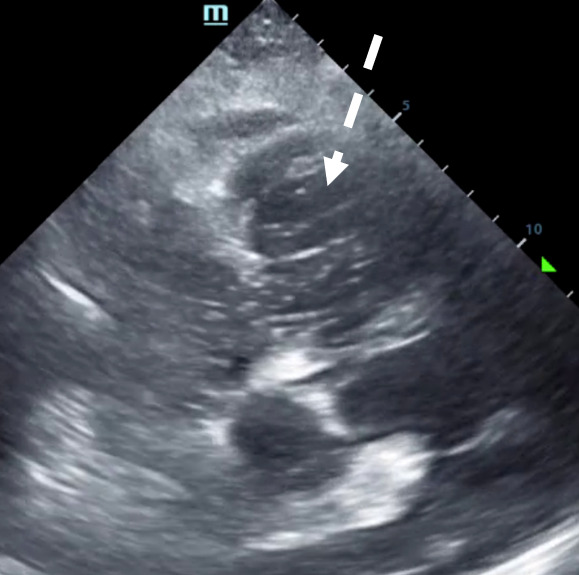 Figure 1
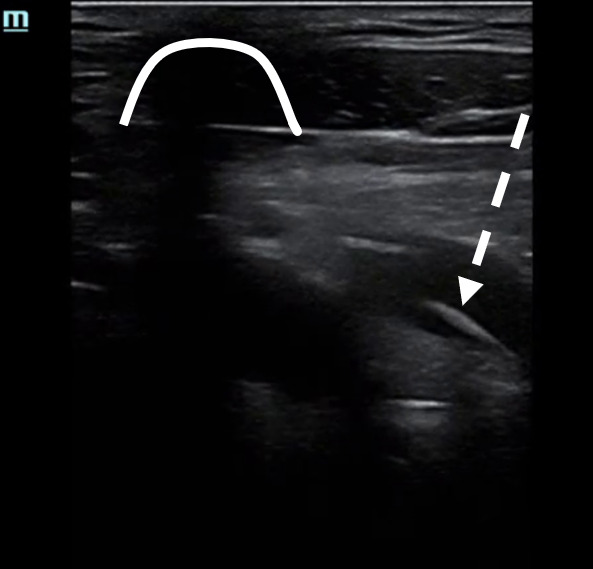 Figure 2
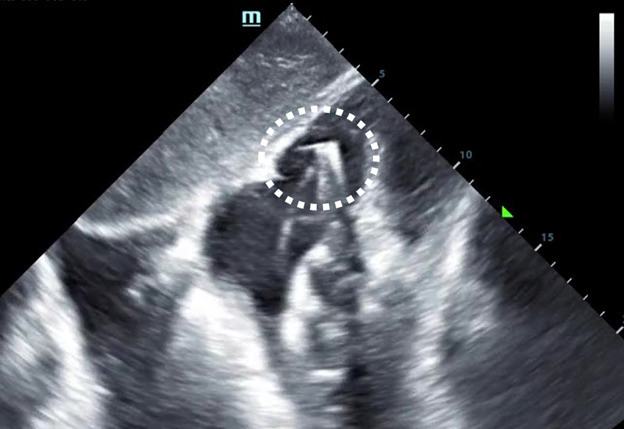 Figure 3
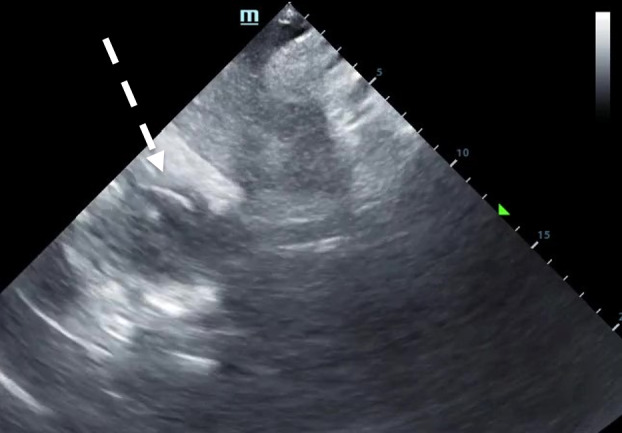 Figure 4
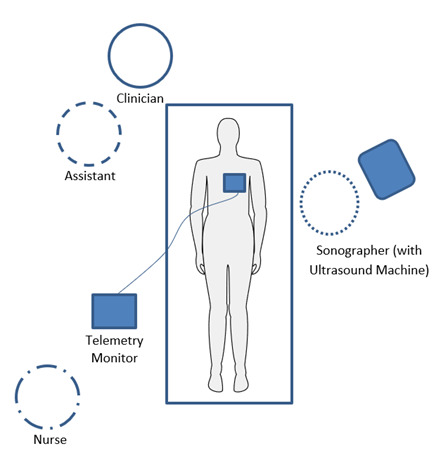 Figure 5
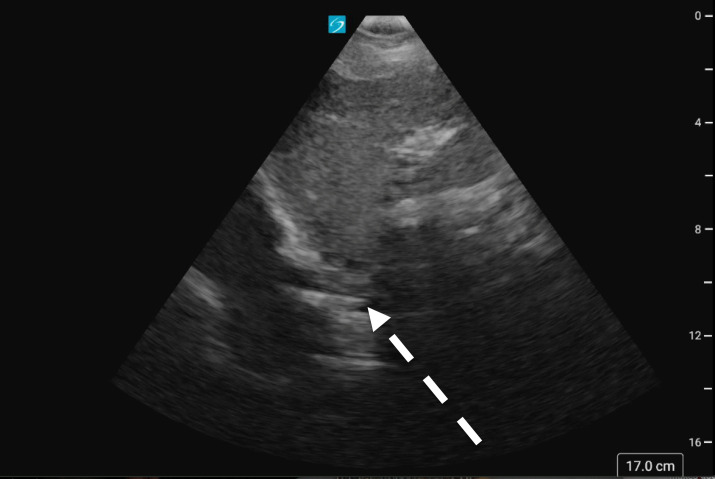 Figure 6
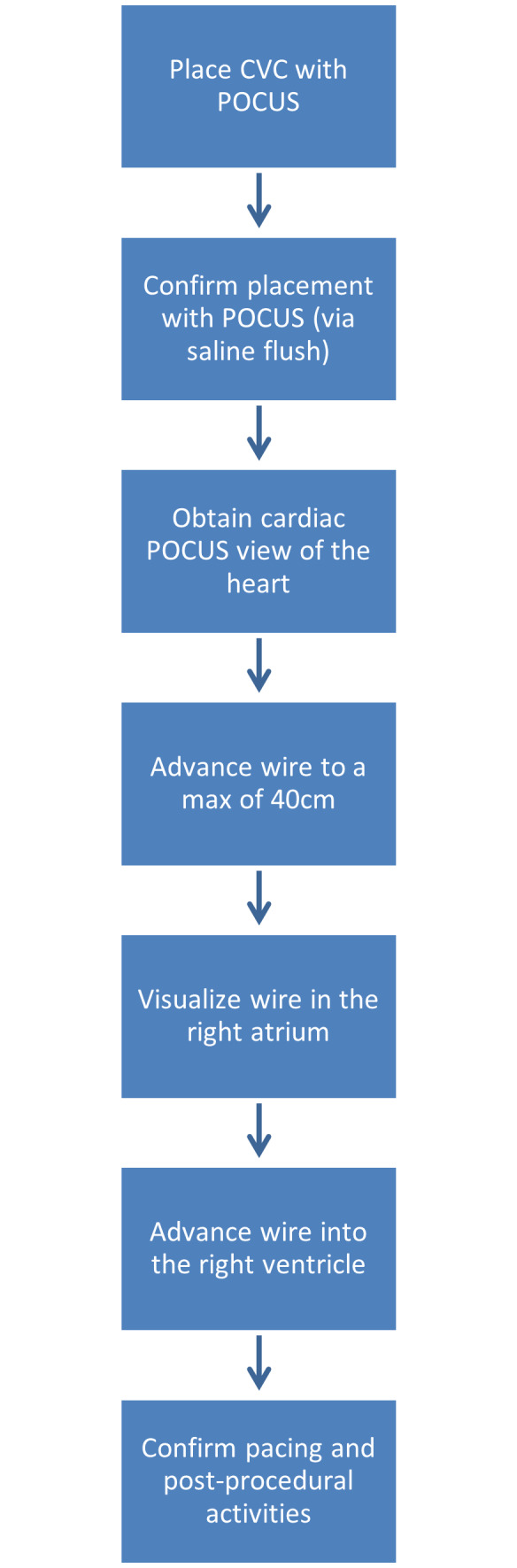 Figure 7
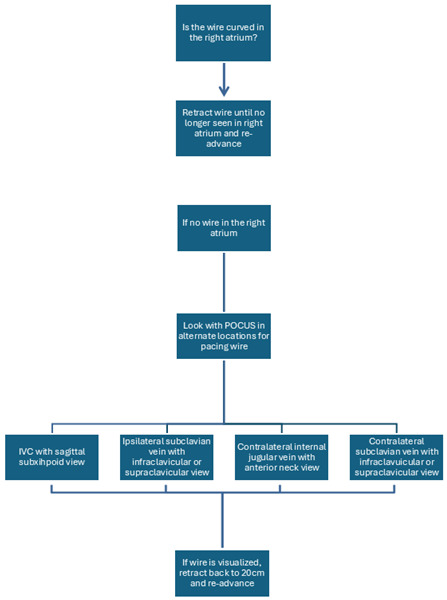 Figure 8
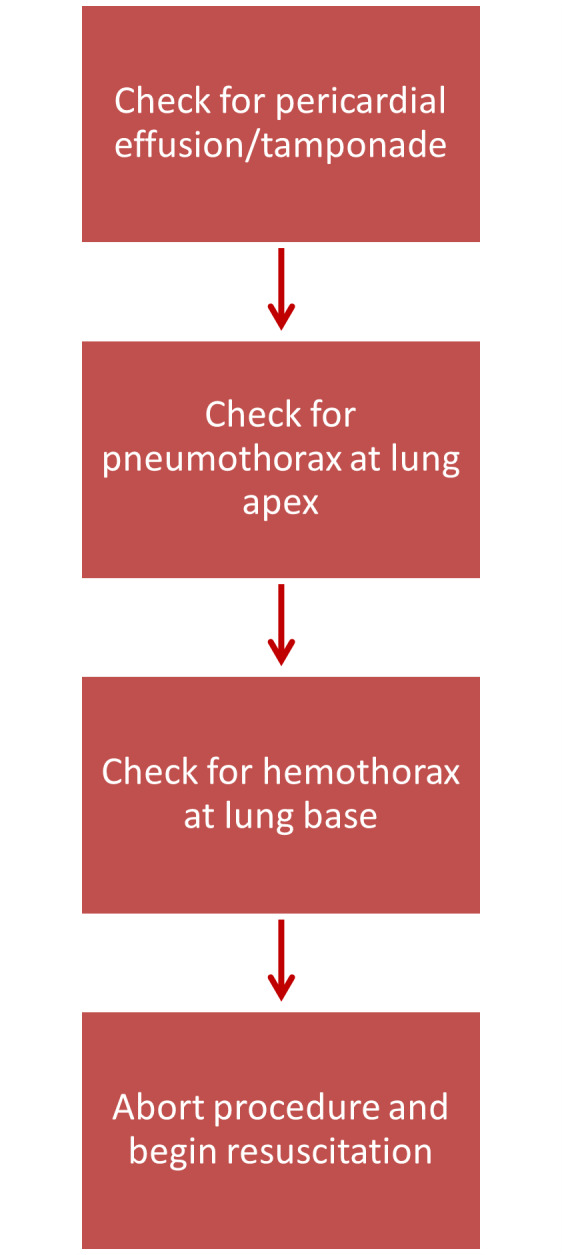 Figure 9
Peer Reviews
No public reviews on file for this paper yet. If you reviewed it on a platform where reviews are public (OpenReview, ICLR, NeurIPS, ICML), you can paste yours below so the community can read it here.
Videos
No videos yet. Explain this paper in a talk, walkthrough, or lecture? Add one.
Taxonomy
TopicsCardiac Arrhythmias and Treatments · Cardiac pacing and defibrillation studies · Central Venous Catheters and Hemodialysis