Course of mental distress among psychotherapists throughout two years of the COVID- 19 pandemic: individual and inter-relational resources make a difference—cross-sectional and longitudinal results of the VOICE study
Sabine Mogwitz, Gloria-Beatrice Wintermann, Christian Albus, Andreas M. Baranowski, Petra Beschoner, Yesim Erim, Franziska Geiser, Lucia Jerg-Bretzke, Eva Morawa, Susann Steudte-Schmiedgen, Kerstin Weidner

TL;DR
This study found that psychotherapists experienced lower depression than other healthcare workers during the pandemic, with personal and social resources helping them cope better.
Contribution
The study provides longitudinal insights into mental distress and resource impacts among psychotherapists during the pandemic.
Findings
Psychotherapists had lower depression scores than other healthcare workers throughout the pandemic.
Sense of coherence and social support were protective against depression in psychotherapists.
General optimism showed a declining protective effect over time.
Abstract
The COVID-19 pandemic has posed challenges to healthcare systems worldwide. For healthcare workers (HCW), an increased prevalence of mental distress and the impact of various resources have been identified. Psychotherapists specialise in helping people cope with stressful life events. At the same time, they are susceptible to mental distress, resulting from their work. Data on symptoms of depression and the role of resources during the COVID-19 pandemic are scarce for psychotherapists. Therefore, the present study aimed to evaluate the course of self-reported depression of psychotherapists throughout the COVID-19 pandemic. Additionally, the impact of resources on depression was evaluated. We investigated symptoms of depression using the Patient Health Questionnaire-2 (PHQ-2) at four time points (T1-T4) during the COVID-19 pandemic in Germany. The PHQ-2 scores and resources such as…
Genes, proteins, chemicals, diseases, species, mutations and cell lines named across the full text — each resolved to its canonical identifier and authoritative record.
Click any figure to enlarge with its caption.
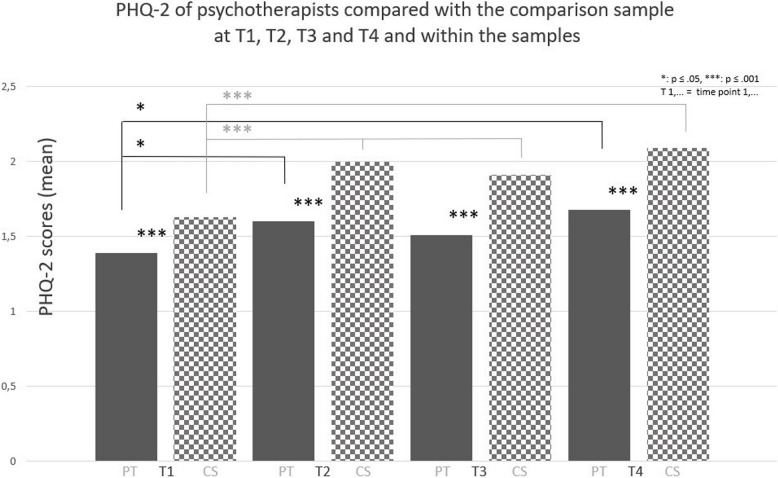 Figure 1
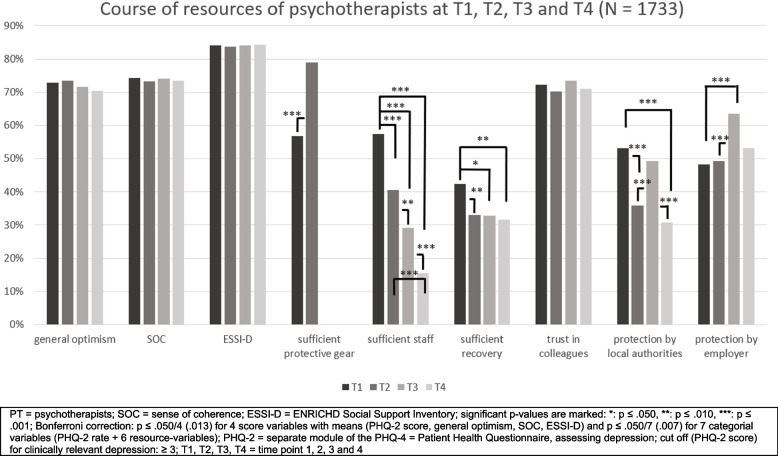 Figure 2
 Figure 3
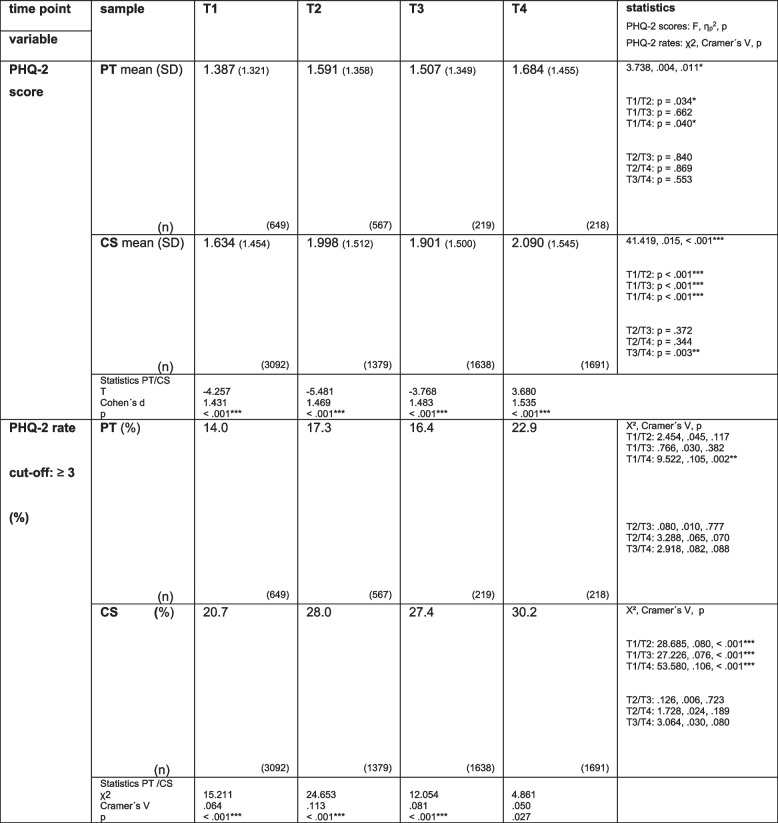 Figure 4
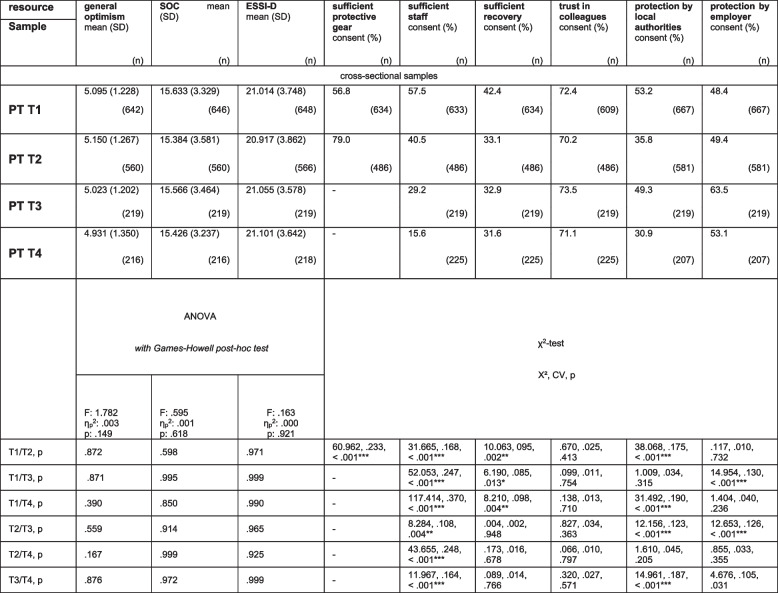 Figure 5
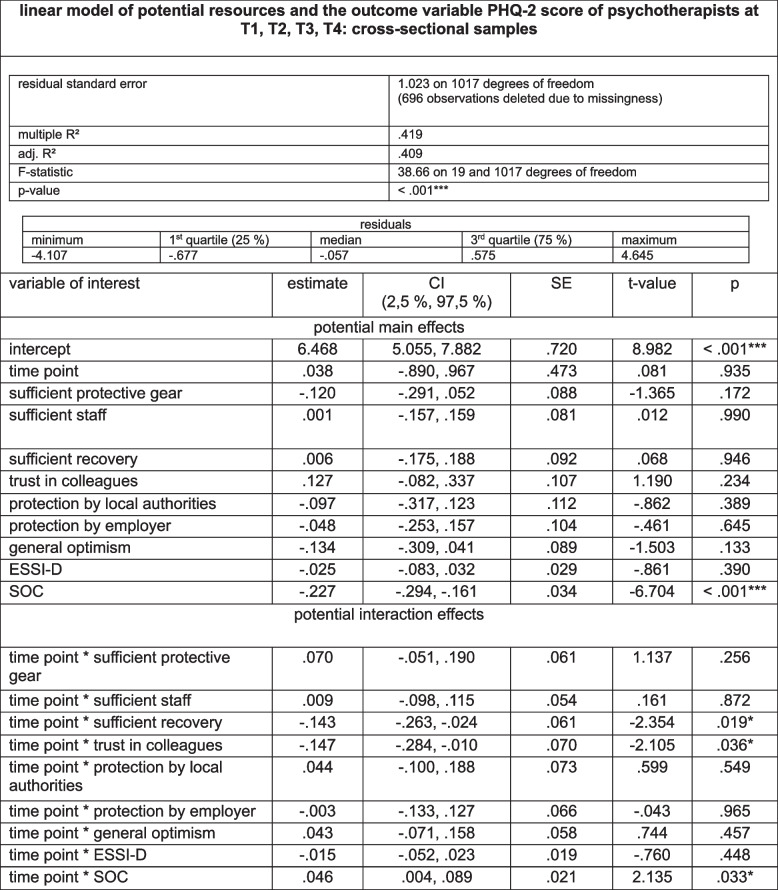 Figure 6
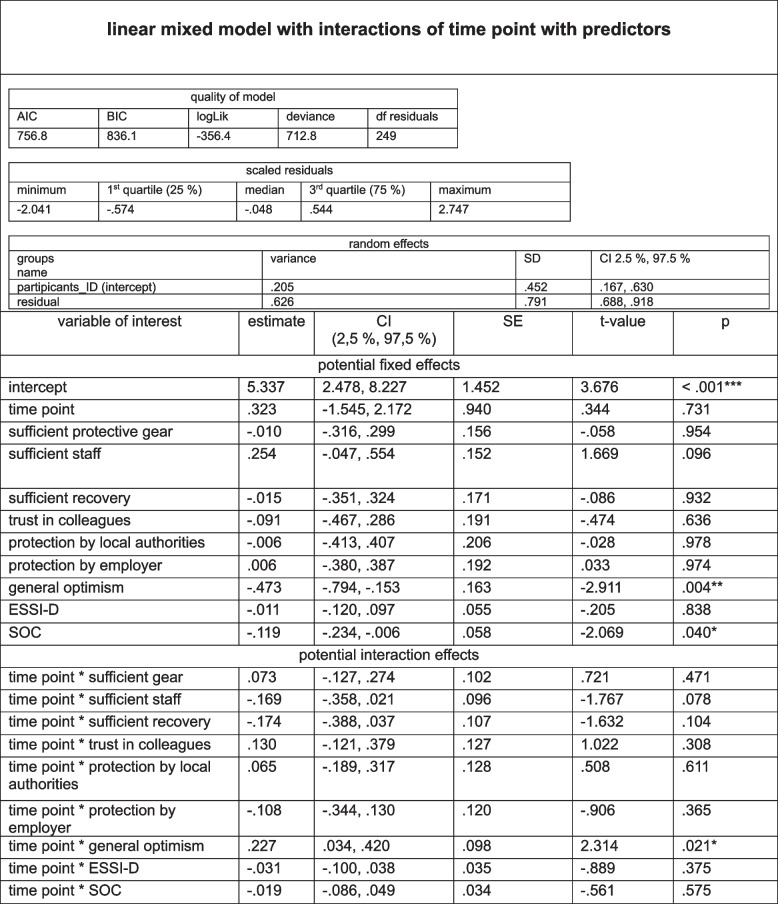 Figure 7
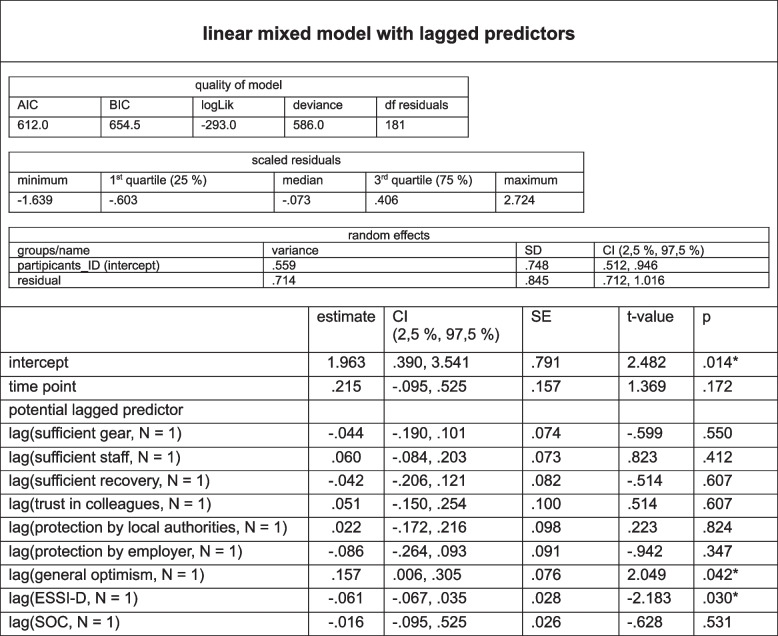 Figure 8
Peer Reviews
No public reviews on file for this paper yet. If you reviewed it on a platform where reviews are public (OpenReview, ICLR, NeurIPS, ICML), you can paste yours below so the community can read it here.
Videos
No videos yet. Explain this paper in a talk, walkthrough, or lecture? Add one.
Taxonomy
TopicsHealth, psychology, and well-being · Healthcare professionals’ stress and burnout · COVID-19 and Mental Health