Transcriptomic characterization of maturing neurons from human neural stem cells across developmental time points
Kimia Hosseini, Gaëtan Philippot, Sara B. Salomonsson, Andrea Cediel-Ulloa, Elnaz Gholizadeh, Robert Fredriksson

TL;DR
This study uses human stem cells to create maturing neurons and tracks their development over time using transcriptomic analysis.
Contribution
The study provides a detailed transcriptomic characterization of human stem cell-derived neurons across developmental stages.
Findings
Transcriptomic analysis showed progressive increase of neuronal and astrocyte markers during maturation.
GABAergic specialization was observed in neurons, indicating a specific cell type development.
The model demonstrates robustness across passages and can be used to study environmental and genetic influences.
Abstract
Neurodevelopmental studies employing animal models encounter challenges due to interspecies differences and ethical concerns. Maturing neurons of human origin, undergoing several developmental stages, present a powerful alternative. In this study, human embryonic stem cell (H9 cell line) was differentiated into neural stem cells and subsequently matured into neurons over 30 days. Ion AmpliSeq™ was used for transcriptomic characterization of human stem cell-derived neurons at multiple time points. Data analysis revealed a progressive increase of markers associated with neuronal development and astrocyte markers, indicating the establishment of a co-culture accommodating both glial and neurons. Transcriptomic and pathway enrichment analysis also revealed a more pronounced GABAergic phenotype in the neurons, signifying their specialization toward this cell type. The findings confirm the…
Genes, proteins, chemicals, diseases, species, mutations and cell lines named across the full text — each resolved to its canonical identifier and authoritative record.
Click any figure to enlarge with its caption.
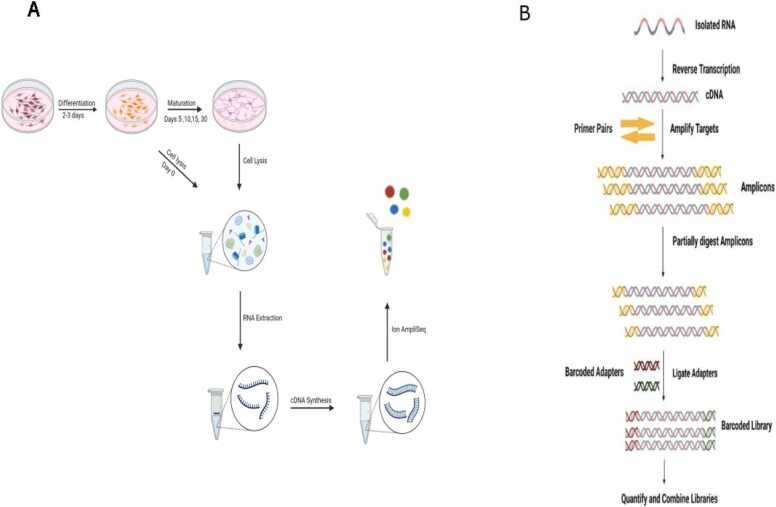 Figure 1
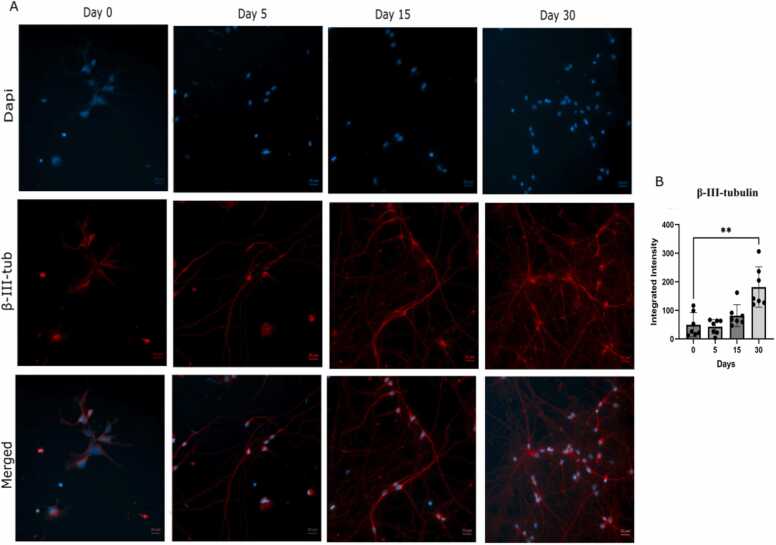 Figure 2
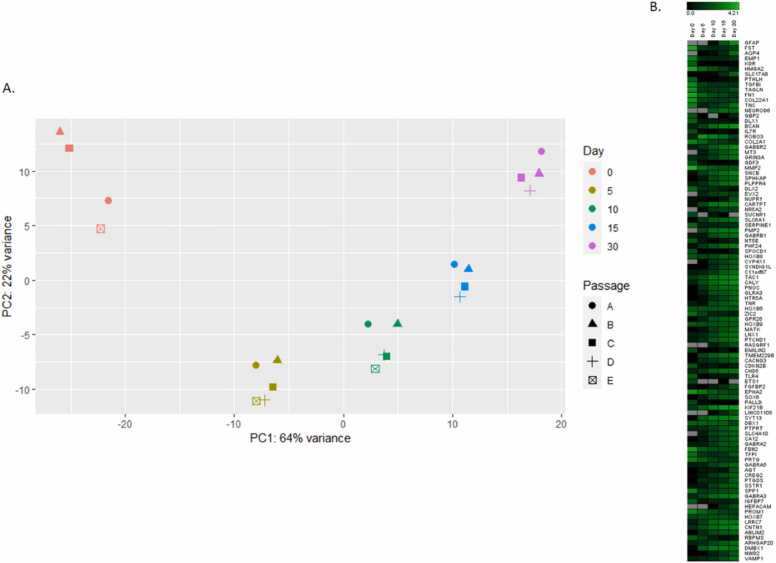 Figure 3
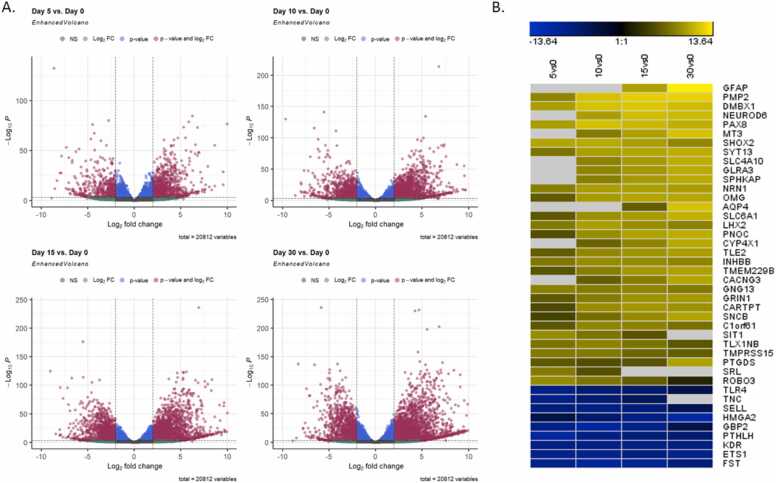 Figure 4
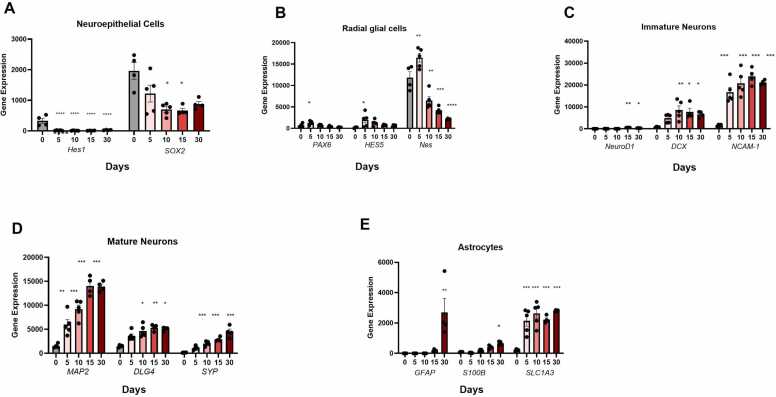 Figure 5
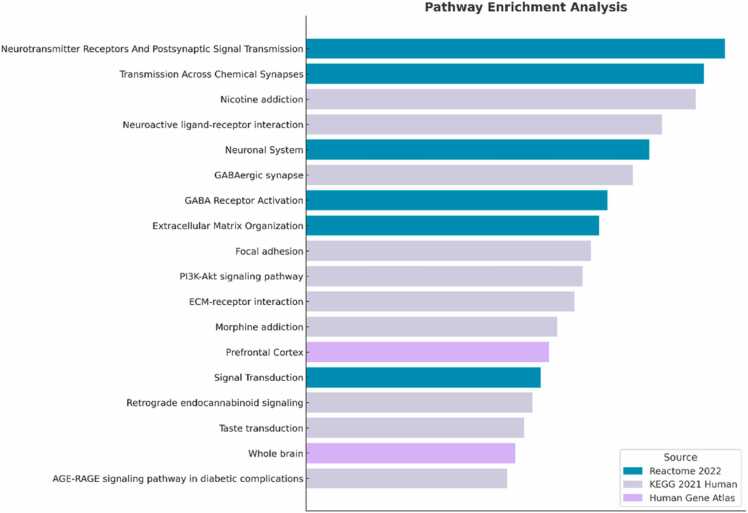 Figure 6
Peer Reviews
No public reviews on file for this paper yet. If you reviewed it on a platform where reviews are public (OpenReview, ICLR, NeurIPS, ICML), you can paste yours below so the community can read it here.
Videos
No videos yet. Explain this paper in a talk, walkthrough, or lecture? Add one.
Taxonomy
TopicsNeurogenesis and neuroplasticity mechanisms · Pluripotent Stem Cells Research · RNA Research and Splicing