Ant responses in a lycaenid–ant symbiosis are not facilitated by cuticular compounds alone
Dany S. Zemeitat, Marianne Coquilleau, Naomi E. Pierce, Mark A. Elgar

TL;DR
This study explores how lycaenid butterfly larvae interact with ants, finding that chemical signals alone aren't enough for ant recognition and protection.
Contribution
The study reveals that tactile or other sensory signals, not just chemical ones, help lycaenid larvae avoid ant aggression.
Findings
Ants can distinguish larvae using chemical signals alone.
Fourth instar larvae receive more attention from ants than second instar larvae.
Larvae tended by non-nestmate ants are not more aggressively targeted.
Abstract
Initiating partnerships in protective symbioses can be asymmetrical if there is a risk of attack from their symbionts. Myrmecophiles may encounter chemically mediated recognition systems that allow the host ants to distinguish nestmates from natural enemies, including non-nestmate conspecifics. The immature stages of the lycaenid butterfly Jalmenus evagoras form an obligate symbiosis with workers of Iridomyrmex mayri that protect them against natural enemies. However, the first instar larvae cannot anticipate this colony-specific chemical recognition system, since they are unlikely to encounter workers from the same colony that tended their mother. We show experimentally that workers of I. mayri can use chemical signals alone to distinguish between conspecifics and the larvae of J. evagoras; between nestmate and non-nestmate conspecifics and between larvae tended by nestmate and…
Genes, proteins, chemicals, diseases, species, mutations and cell lines named across the full text — each resolved to its canonical identifier and authoritative record.
Click any figure to enlarge with its caption.
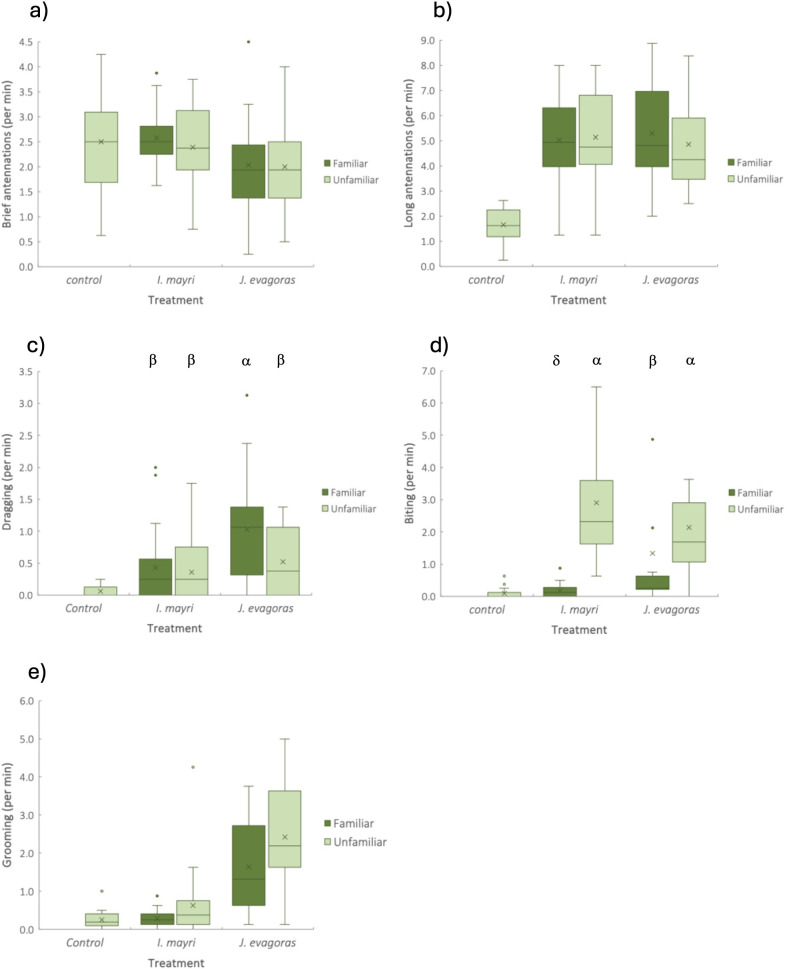 Figure 1
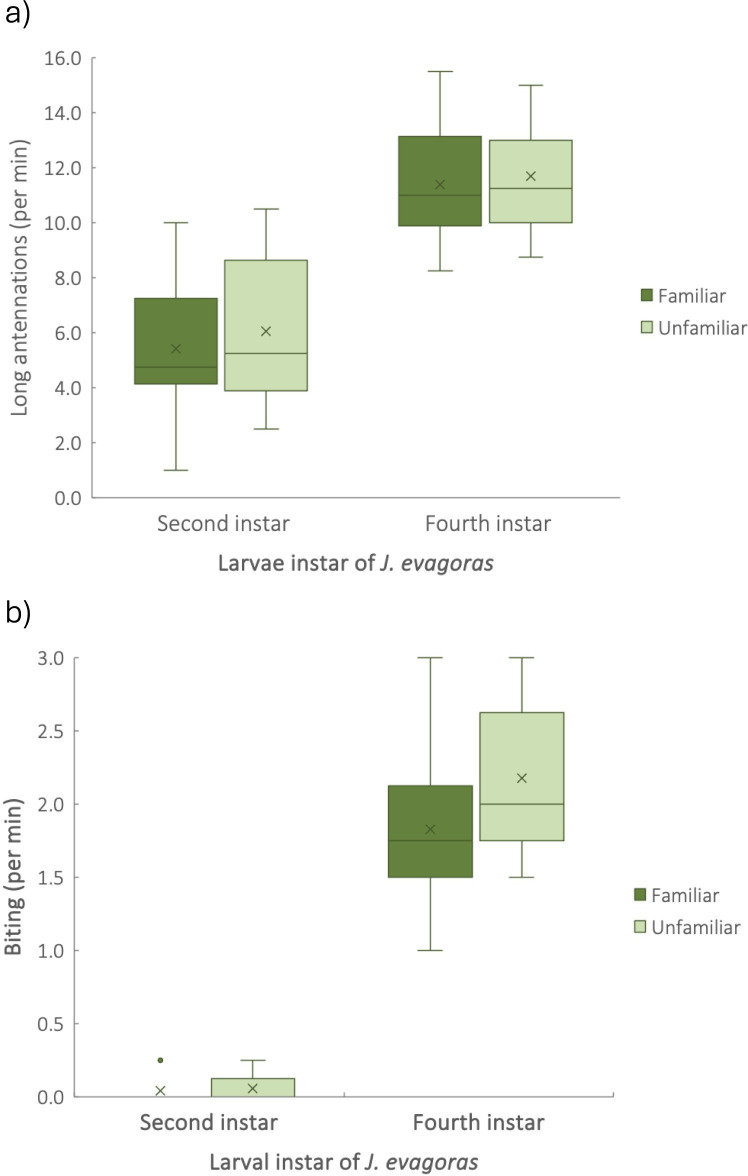 Figure 2
Peer Reviews
No public reviews on file for this paper yet. If you reviewed it on a platform where reviews are public (OpenReview, ICLR, NeurIPS, ICML), you can paste yours below so the community can read it here.
Videos
No videos yet. Explain this paper in a talk, walkthrough, or lecture? Add one.
Taxonomy
TopicsInsect and Arachnid Ecology and Behavior · Plant and animal studies · Animal Behavior and Reproduction