Nutrition With Skimmed Breast Milk in an Infant With Long Chain 3‐Hydroxyacyl‐coA Dehydrogenase Deficiency
Clara Alonso‐Diaz, Diana Escuder‐Vieco, Pilar Quijada‐Fraile, Delia Barrio‐Carreras, Patricia Pérez‐Mohand, Elena Martín‐Hernández, Carmen Rosa Pallas‐Alonso, Nadia Raquel García‐Lara

TL;DR
A late preterm infant with a metabolic disorder was successfully fed skimmed breast milk supplemented with MCT oil, avoiding formula and maintaining normal growth and development.
Contribution
Demonstrates that defatted breast milk is a safe and feasible alternative to formula for managing LCHADD in infants.
Findings
Skimmed breast milk met the dietary requirement of <1.0 g/dL fat content in both hospital and home settings.
The infant showed normal growth and development with an improved serum acylcarnitine profile over 5 months.
Defatting breast milk using a centrifuge is a practical method for managing LCHADD during hospital and home care.
Abstract
The current standard diet for long‐chain 3‐hydroxyacyl‐CoA dehydrogenase deficiency (LCHADD) in the first months of life includes a special formula low in long‐chain triglycerides (LCT) and enriched in medium‐chain triglycerides (MCT). It involves the interruption of breastfeeding, withholding its nutritional and nonnutritional benefits. We describe the clinical case of a late preterm with 36 weeks gestational age diagnosed with LCHADD through newborn screening (NBS) who developed necrotizing enterocolitis (NEC) and sepsis due to Escherichia coli ( E. coli ) at 7 days of life. During hospital admission, the patient was fed skimmed breast milk supplemented with MCT oil and a low‐fat MCT‐enriched formula. Because the family wished to continue pumping milk after discharge, they were trained to defat milk using a non‐refrigerated benchtop centrifuge. At home, a similar feeding regime was…
Genes, proteins, chemicals, diseases, species, mutations and cell lines named across the full text — each resolved to its canonical identifier and authoritative record.
Click any figure to enlarge with its caption.
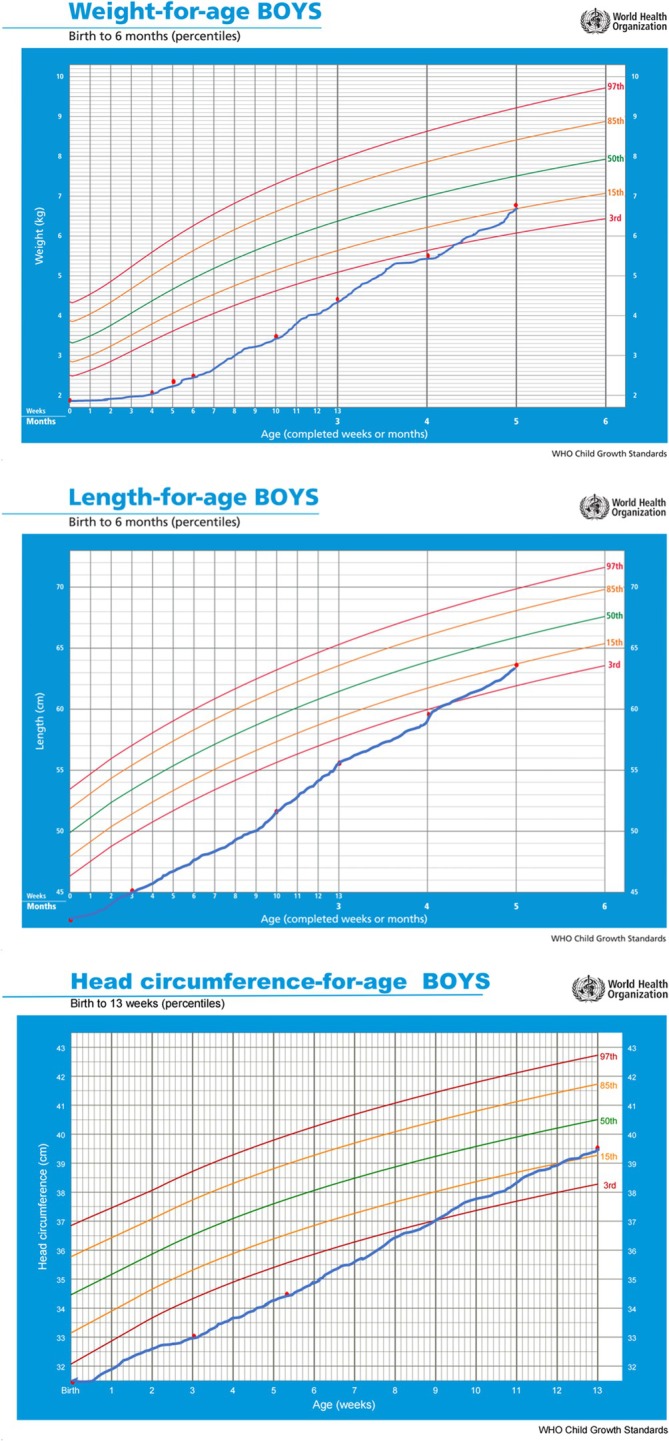 Figure 1
Peer Reviews
No public reviews on file for this paper yet. If you reviewed it on a platform where reviews are public (OpenReview, ICLR, NeurIPS, ICML), you can paste yours below so the community can read it here.
Videos
No videos yet. Explain this paper in a talk, walkthrough, or lecture? Add one.
Taxonomy
TopicsInfant Nutrition and Health · Metabolism and Genetic Disorders · Clinical Nutrition and Gastroenterology